 On 2 January 1880, Louis Charles Breguet, a French aviation pioneer and aircraft designer, was born in Paris.
Louis Breguet the grandson of Louis Clément François Breguet and the great-great-grandson of Abraham-Louis Breguet, two renowned French watchmakers. He grew up in an artistic and scientific environment and gradually developed a strong interest in the electrical branch of the family business.
In 1903, Breguet graduated from École supérieure d’électricité (literally “Higher School of Electricity”), one of the most prestigious graduate institutions in France at the time. Shortly afterwards, Louis and his brother Jacques Breguet began work on their first aviation project. Between 1905 and 1907, with the support of Professor Charles Richet, they developed a gyroplane capable of performing a short, tethered ascent to a height of approximately 0.6 metres.
The Breguet–Richet Gyroplane (also known as the Gyroplane No. I) was among the earliest attempts to create an operational rotorcraft. In September 1907, the aircraft was officially presented to the French Academy of Sciences. Over the following two years, the Breguet brothers produced improved versions of the design, known as the No. II and No. IIbis. Both rotorcraft achieved at least one successful flight but were destroyed during subsequent testing.
In 1909, Louis Breguet developed his first fixed-wing aircraft, designated the Breguet Type I. The aeroplane brought him widespread recognition after setting a speed record over a certified ten-kilometre course. Two years later, Breguet founded his aviation company, Société anonyme des ateliers d’aviation Louis Breguet (literally “Louis Breguet Aviation Workshops Ltd”). Shortly thereafter, he designed his first seaplane.
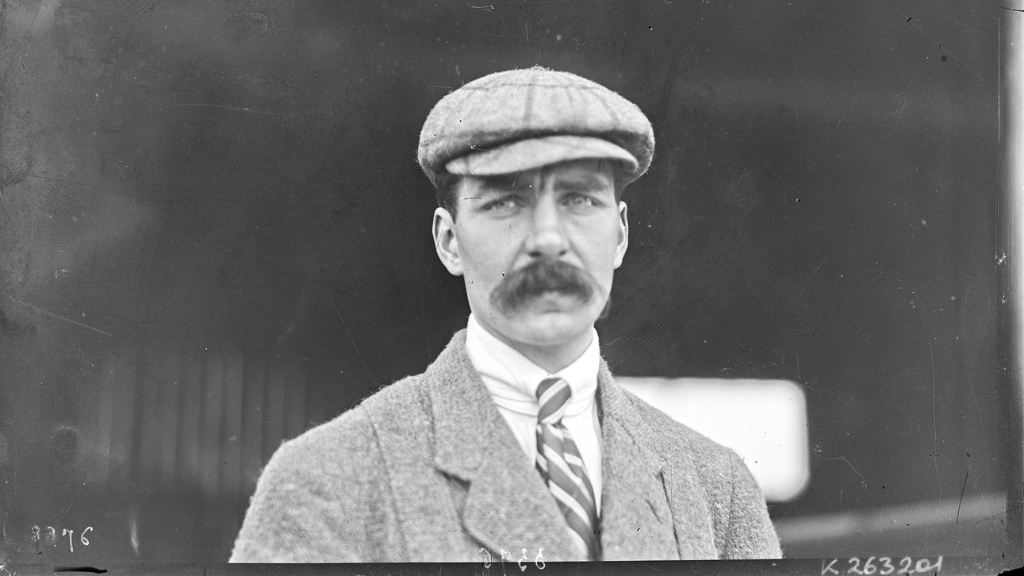
After the outbreak of the Great War, Breguet began manufacturing military aircraft. Within a short time, the company became well known for its reconnaissance and bomber designs. At the end of 1916, Breguet had produced one of the iconic biplanes of the First World War, the Breguet XIV (later also as the Breguet 14). This aircraft became one of the world’s first mass-produced aeroplanes, with more than 8,000 examples built and remained in service for many years after the war.
Louis Breguet was also among the earliest advocates of metal aircraft construction. His aforementioned Breguet XIV was one of the first aeroplanes to feature a structure made entirely of aluminium.
Shortly after the war, Breguet and several other prominent French aviation pioneers — including Louis Blériot, Louis Renault and René Caudron — founded an airline named Compagnie des messageries aériennes. In 1923, the company merged with Grands Express Aériens to form Air Union. Then, in 1933, it was incorporated into Air France, the French national carrier.
In 1921, Louis Breguet published a study on calculating therange and radius for bomber missions. This method later became widely known as the Breguet range equation. However, some sources attribute its development to René Devillers, an engineer at a higher aviation school, suggesting that the equation was subsequently misattributed to Breguet.
During the interwar period, the Breguet company developed a wide range of airliners and military aircraft, including the Breguet 20 Leviathan, a two- or four-engine passenger aeroplane; the Breguet 27/270, a single-engine reconnaissance biplane; the Breguet 693, a twin-engine attack aircraft; and the Breguet 410, a twin-engine bomber biplane. The company was also noted for its experimental aircraft and prototypes of long-range airliners and flying boats.
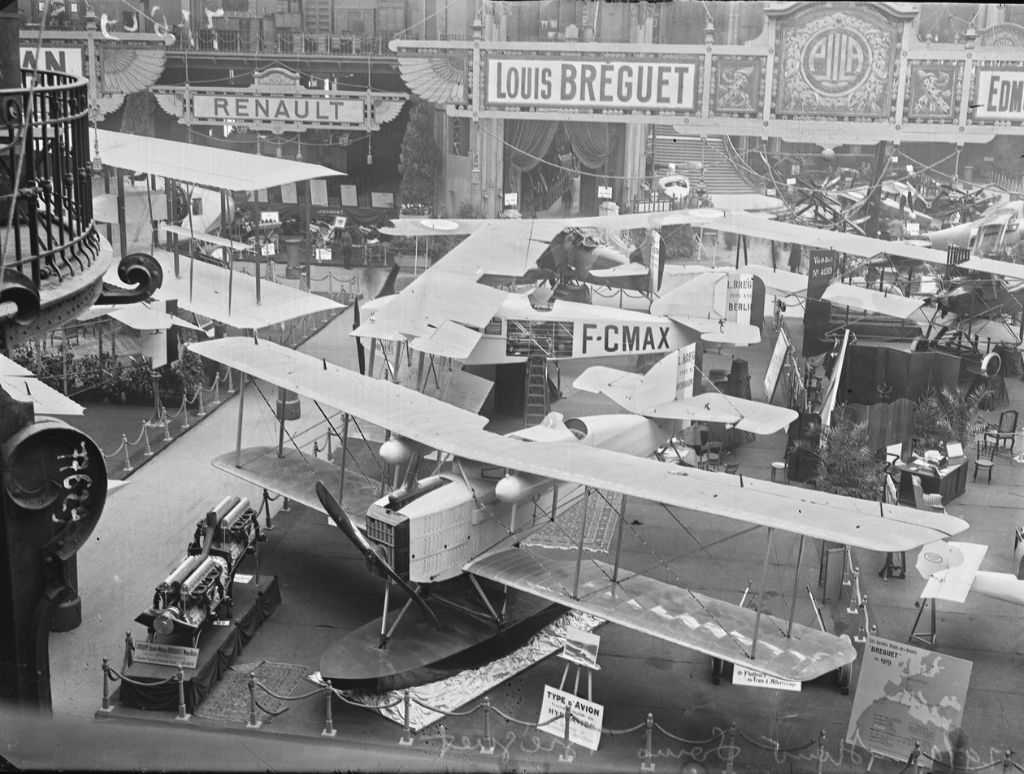
In 1935, Breguet, in collaboration with René Dorand, developed a helicopter testbed known as the Breguet-Dorand Gyroplane Laboratoire. This aircraft set several aviation records in speed and flight duration categories.
Among the most significant projects completed shortly before the outbreak of the Second World War was the Breguet 730/731 long-range flying boat. Although five examples were built, none were completed before the fall of France in 1940. Production continued slowly under German occupation and, after the war, the Br.731 entered operational service with the French Navy.
After the fall of France, the Breguet company shifted its focus to produce electric, battery-powered cars.
When the war was over, Breguet continued his involvement in aviation development. His company designed several gliders, a double-deck airliner designated the Breguet 763 Deux-Ponts, two short take-off and landing (STOL) transport aircraft and a number of military designs.
Louis Breguet died on 5 May 1955 at the age of 75. His company continued to operate until the late 1960s, when, at the request of the French government, it was acquired by Générale Aéronautique Marcel Dassault. In 1971, the reorganised company was renamed Avions Marcel Dassault–Breguet Aviation, although the separate Breguet identity was initially retained.
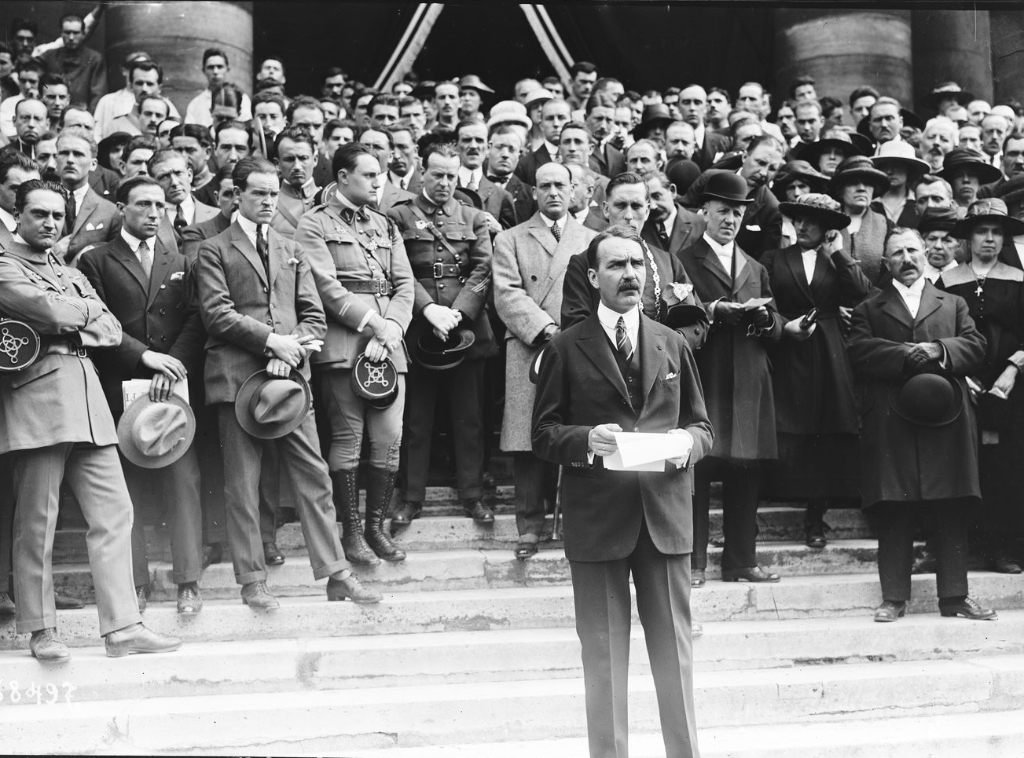
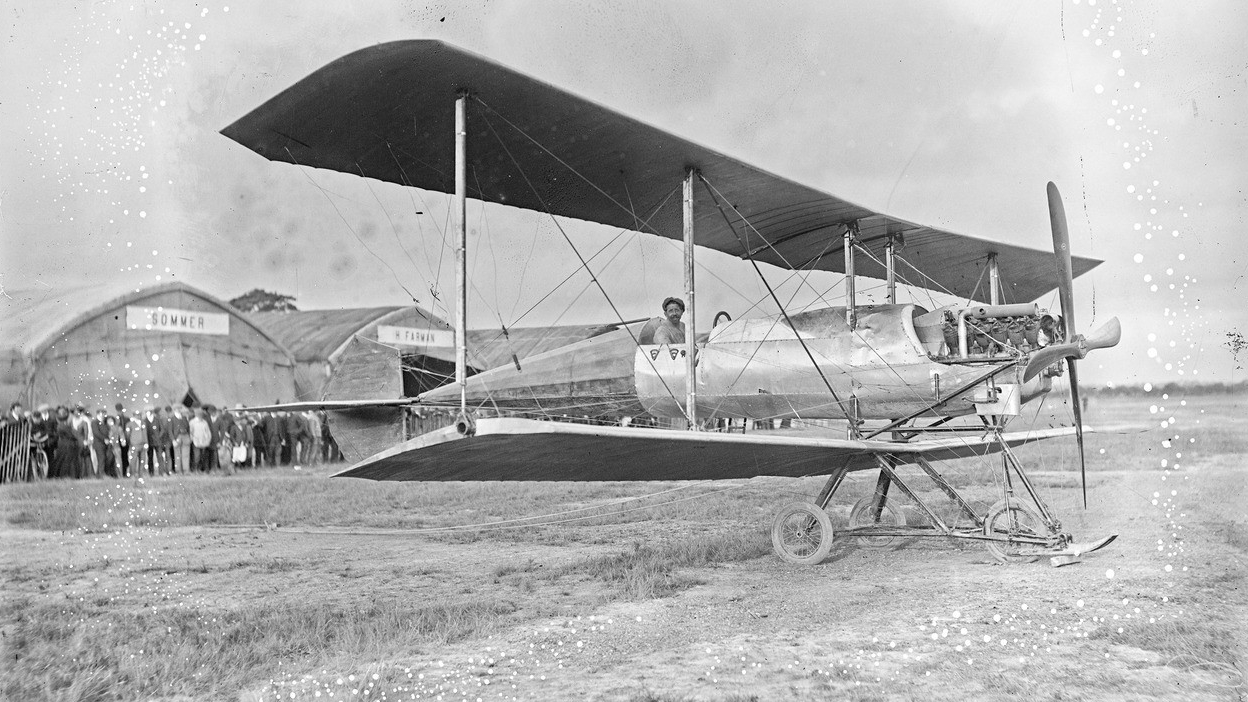
Cover photo: Bréguet biplane participating in Grand Prix d’aviation de l’Aéro Club de France at the Avrillé aerodrome, 1912 (photo: gallica.bnf.fr / Bibliothèque nationale de France, ark:/12148/btv1b532417860)