On 4 September 1950, during the Korean War, Captain Robert E. Wayne bailed out from a burning aircraft and landed five miles behind enemy lines. He was then rescued in a daring helicopter mission, that went down in history as the first successful Combat Search and Rescue (CSAR) operation carried out by a rotorcraft.
Robert Earl Wayne was born in 1925. At the age of twenty, he joined the Air Cadet Training programme and then became a second lieutenant in the Army Air Corps. In 1949, Wayne was transferred to Japan, where he began his career as a fighter pilot.
At the very beginning of the Korean War, which started in June 1950, Robert Wayne flew the Lockheed P-80 Shooting Star. During one of his first combat missions, he shot down two enemy aircraft.
In September 1950, Wayne flew the North American P-51 Mustang. In the late afternoon of 4 September, his aircraft was hit by anti-aircraft fire. The American pilot managed to bail out of the burning Mustang and landed in a rice paddy, some five miles behind enemy lines. Although he survived, Wayne suffered burns to one leg and both arms. Moreover, his parachute had been spotted by enemy forces that were heading towards his landing point.
The whole situation was observed by Wayne’s colleagues in the air. The Mustangs started attacking the enemy forces in a desperate attempt to keep them away from the downed pilot. However, it was clear that this could not last long, and the American aircraft would soon run out of fuel and have to return to base.
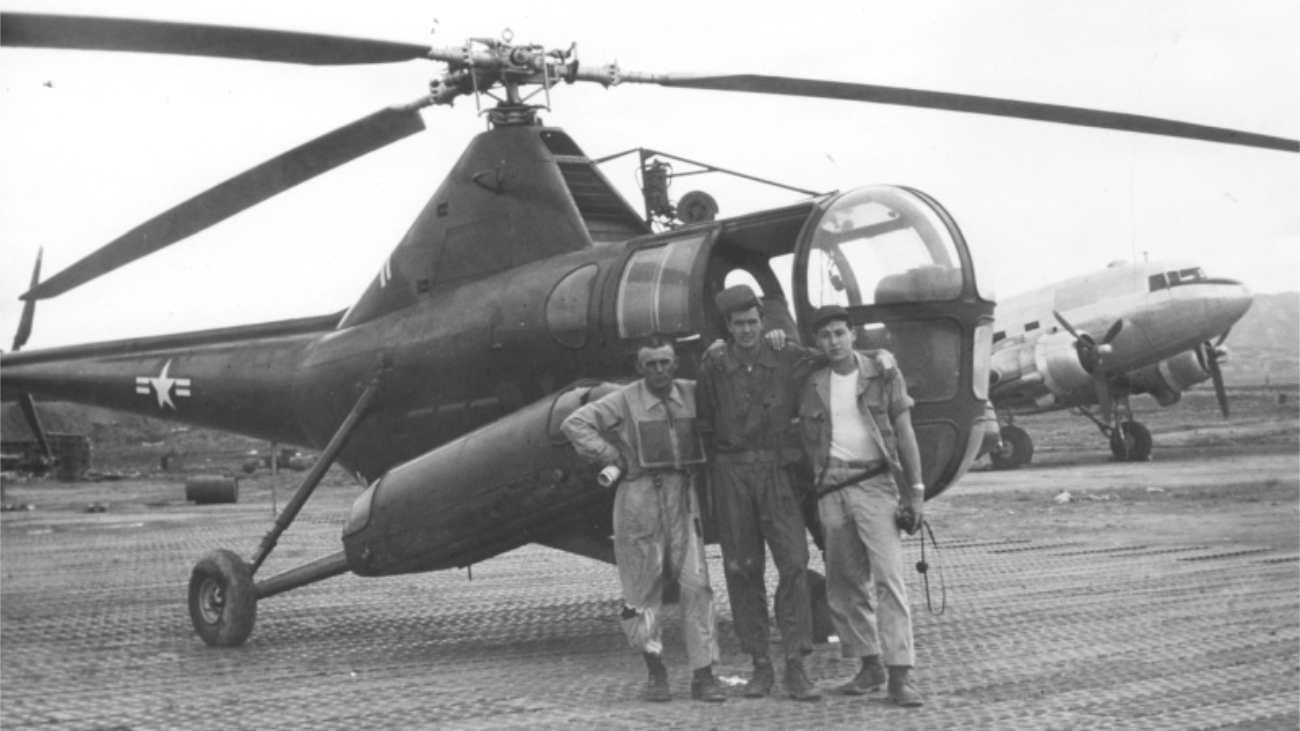
Meanwhile, an impromptu rescue mission was arranged. An unarmed Sikorsky H-5 helicopter, piloted by First Lieutenant Paul Van Boven and crewed by Corporal John Fuentez as a paramedic, was soon airborne and headed towards the area where Wayne was trying to escape the enemy. As night closed in, the helicopter team was supported by an observation aircraft, also unarmed and flown by Captain Edwards of the 5th Air Force.
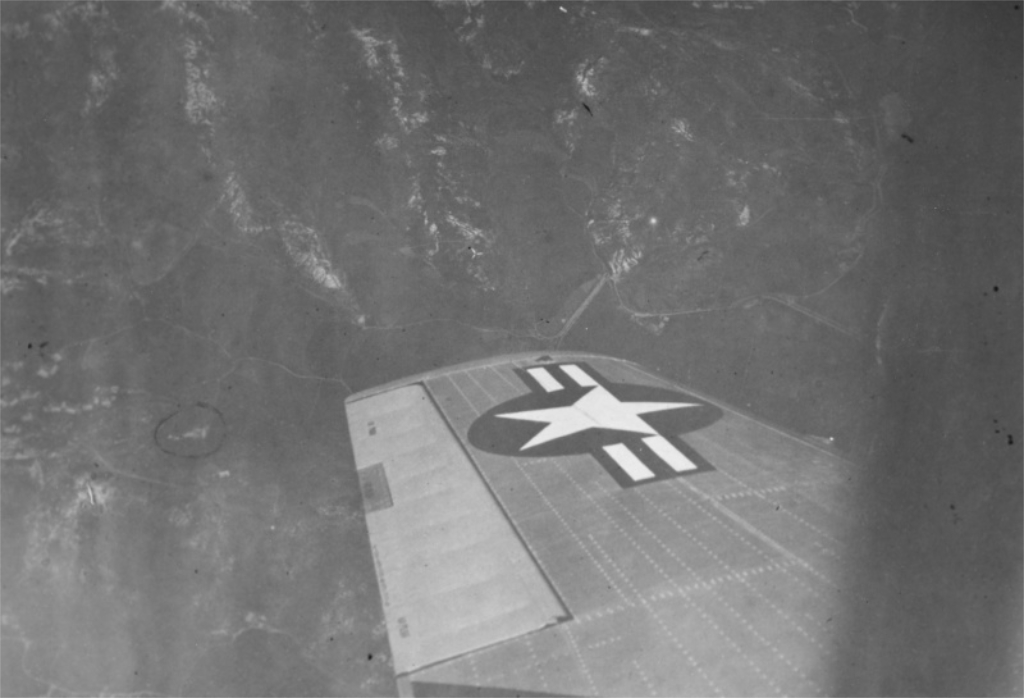
Their only indicators for finding the injured pilot were the smoke from the burning Mustang on the ground and the fighters still circling overhead to keep the enemy away. However, on their way to Wayne, the rescue crew heard on the radio that the last Mustangs were already returning to base. There was no time to waste.
Fortunately, Robert Wayne heard the approaching helicopter and ran towards it, waving his white undershirt. When the H-5 reached him, Fuentez pulled the downed pilot into the rotorcraft and the rescue team quickly flew away. Although both Wayne and the helicopter were at that time targets for all the enemy weapons in the area, neither was hit. The H-5 received some damage, but fortunately none of it was critical, and the rotorcraft successfully returned to base.
Robert Wayne soon recovered from his wounds and returned to combat flying. He completed his Korean War tour and, in later years, undertook three more combat tours during the Vietnam War.
In recognition of his service in two wars, Wayne was awarded the Purple Heart Medal, seven Distinguished Flying Crosses, three Silver Star Medals and about thirty Air Medals.
The first pilot to be rescued from behind enemy lines by a helicopter retired from active service in 1976, in the rank of colonel. He then worked in the aviation industry and for flight safety authorities.
Robert Wayne died on 21 September 1998, aged 72.
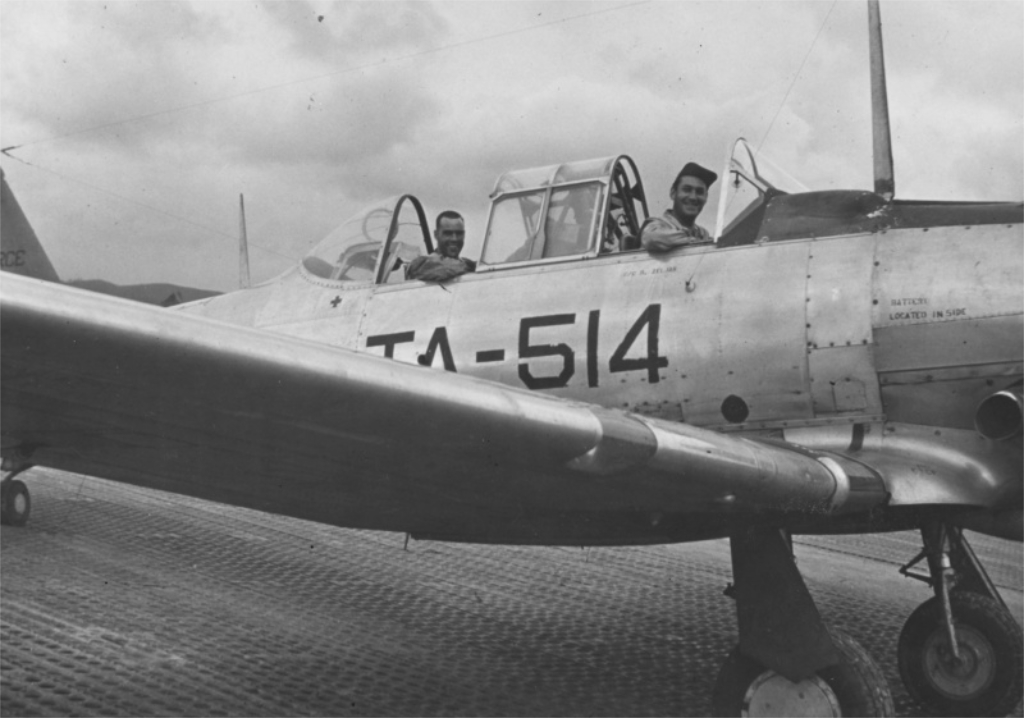
Cover photo: From left to right – Captain Ray S. White (USAF, P-51 fighter pilot and Captain Robert Wayne’s wingman), First Lieutenant Paul Van Boven (USAF, pilot of the H-5 helicopter that rescued Captain Wayne) and Corporal John Fuentez (the paramedic who pulled Captain Wayne into the helicopter). National Archives, 348338093.
Information from the National Archives were used.