 Boeing has secured a series of major new orders from airlines in Asia and Europe. Korean Air, Turkish Airlines and Biman Bangladesh Airlines have all announced agreements covering more than 260 aircraft in total. The orders include both single-aisle and widebody types and form part of the carriers’ plans to renew and expand their fleets.
The largest of the three agreements was finalized by Korean Air, which confirmed an order for 103 Boeing aircraft. The deal comprises twenty 777-9s, twenty-five 787-10s, fifty 737-10s and eight 777-8 Freighters, completing the airline’s procurement commitment announced in August 2025.
The agreement covers almost the entire range of Boeing’s current commercial aircraft families, from the single-aisle 737 MAX to the 777X and 787 Dreamliner. The order was formally commemorated during an event attended by senior representatives of Korean Air, Boeing, CFM International and government and financial institutions from both the Republic of Korea and the United States.
According to Boeing, the agreement is also the result of bilateral trade negotiations and underlines the long-standing industrial relationship between the United States and South Korea.
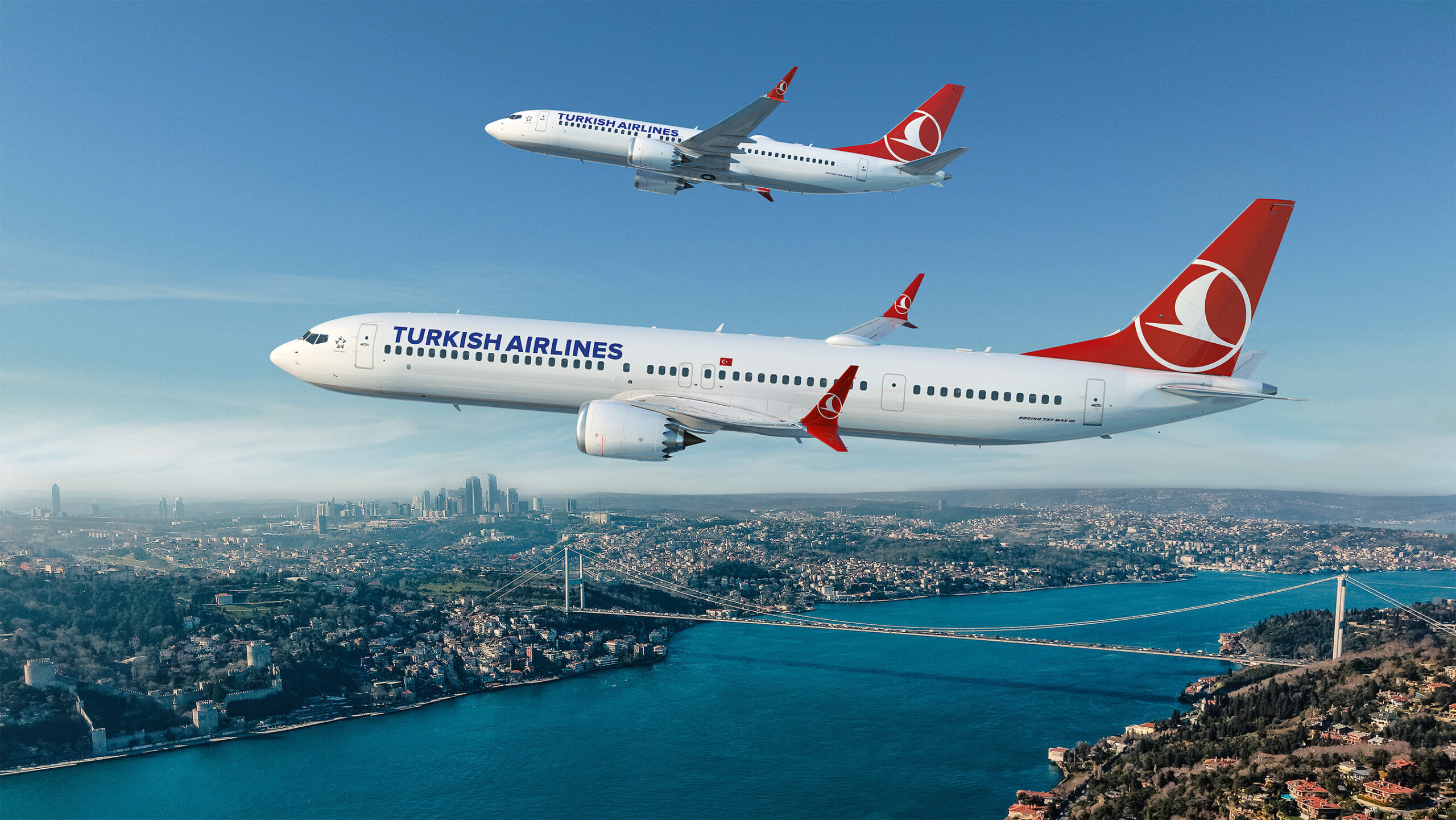
Another significant order was placed by Turkish Airlines, which has agreed to purchase 100 737-8s and secured options for a further 50 737 MAX aircraft. With up to 150 aircraft covered by the agreement, this is the carrier’s largest-ever Boeing single-aisle order.
The agreement also includes substitution rights for the 737-10, enabling Turkish Airlines to select the larger variant if required. The additional aircraft will support the continued expansion of the airline’s Istanbul-based network, serving both domestic and international routes.
“This agreement marks another significant step in the continued expansion of our fleet. The new Boeing 737 MAX aircraft will bring greater efficiency and flexibility to our operations, supporting the extensive network we serve from our hub in Istanbul,” said Prof Murat Şeker, chairman of the board and the executive committee of Turkish Airlines.
Turkish Airlines and its subsidiary AJet already operate more than 200 Boeing aircraft, including 737 MAXs, 787 Dreamliners, 777s, 737 Next-Generation aircraft and 777 Freighters. The new agreement follows the airline’s 2025 order for up to 75 787 Dreamliners, further strengthening its cooperation with Boeing.
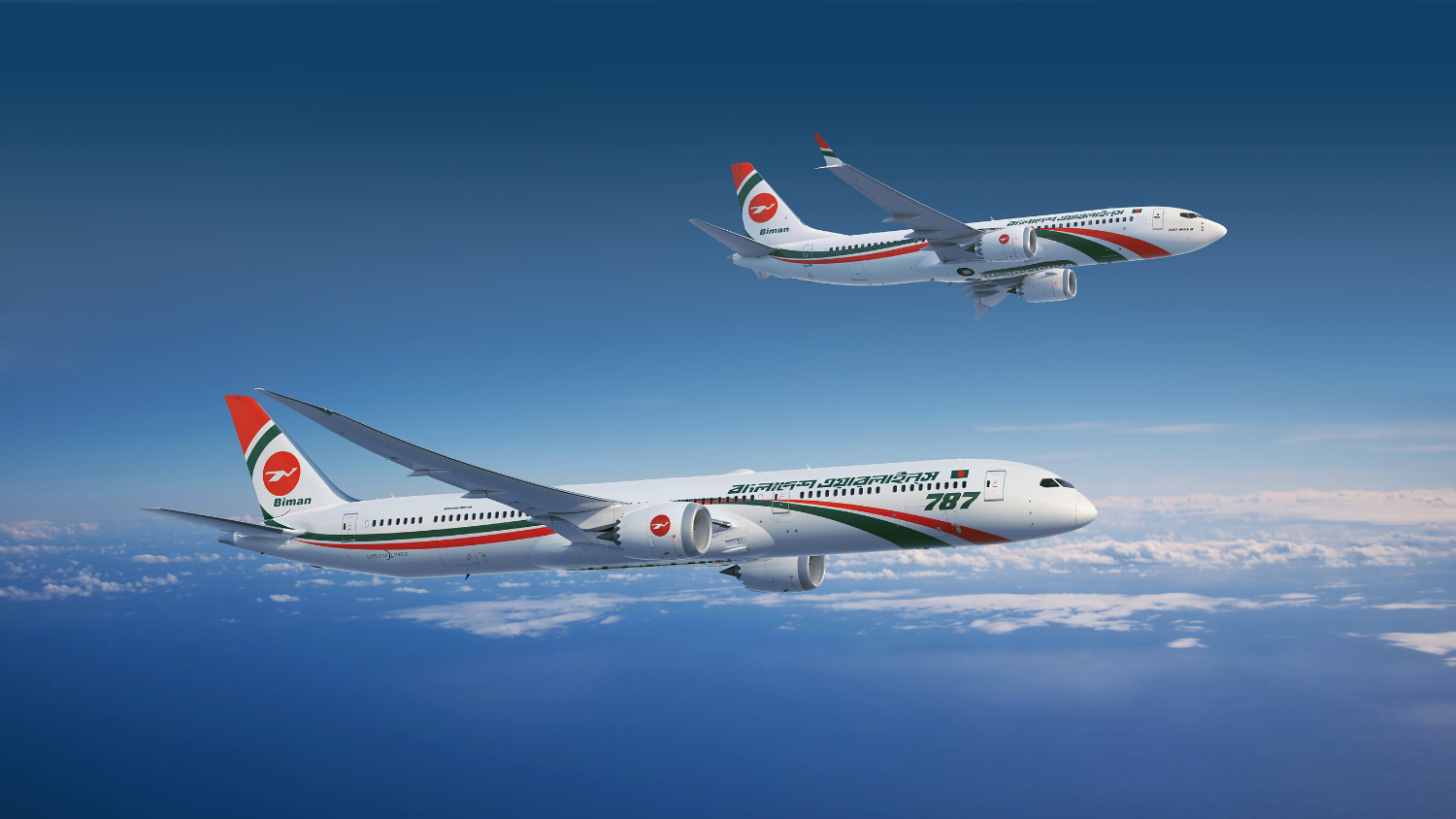
The third agreement announced by Boeing was regarding Biman Bangladesh Airlines, which has placed an order for 11 additional aircraft. This purchase consists of five 787-10 Dreamliners and six 737-8s and follows the airline’s largest-ever Boeing order, covering 14 787 Dreamliner and 737 MAX aircraft announced earlier this year.
For Biman, the latest agreement is part of a wider fleet renewal programme aimed at increasing capacity and expanding its international network. Currently, the airline operates 787s, 777s and 737 Next-Generation aircraft on routes linking Bangladesh with major destinations in the Middle East, South and Southeast Asia and Europe.
The introduction of the 737-8 will provide the airline additional range and flexibility for its single-aisle operations, while the 787-10 will complement Biman’s existing 787-8 and 787-9 fleet with a higher-capacity variant of the Dreamliner.
“Biman’s follow-on order reflects its strategic approach to fleet renewal and capacity growth, and underscores the strength of our long-standing partnership,” said Brad McMullen, Boeing senior vice president of Commercial Sales and Marketing. “These additional 787 Dreamliner and 737 MAX airplanes will deliver the efficiency, versatility and reliability Biman needs to support Bangladesh’s growing role in global aviation.”
Taken together, the three agreements highlight the ongoing demand for Boeing’s latest generation of commercial aircraft, with airlines looking to combine fleet renewal with increased capacity and network expansion. It also further strengthens Boeing’s presence among three major carriers whose fleets already include a significant number of the manufacturer’s aircraft.
All photos and all quotations © Boeing. Information from the Boeing company press releases were used.