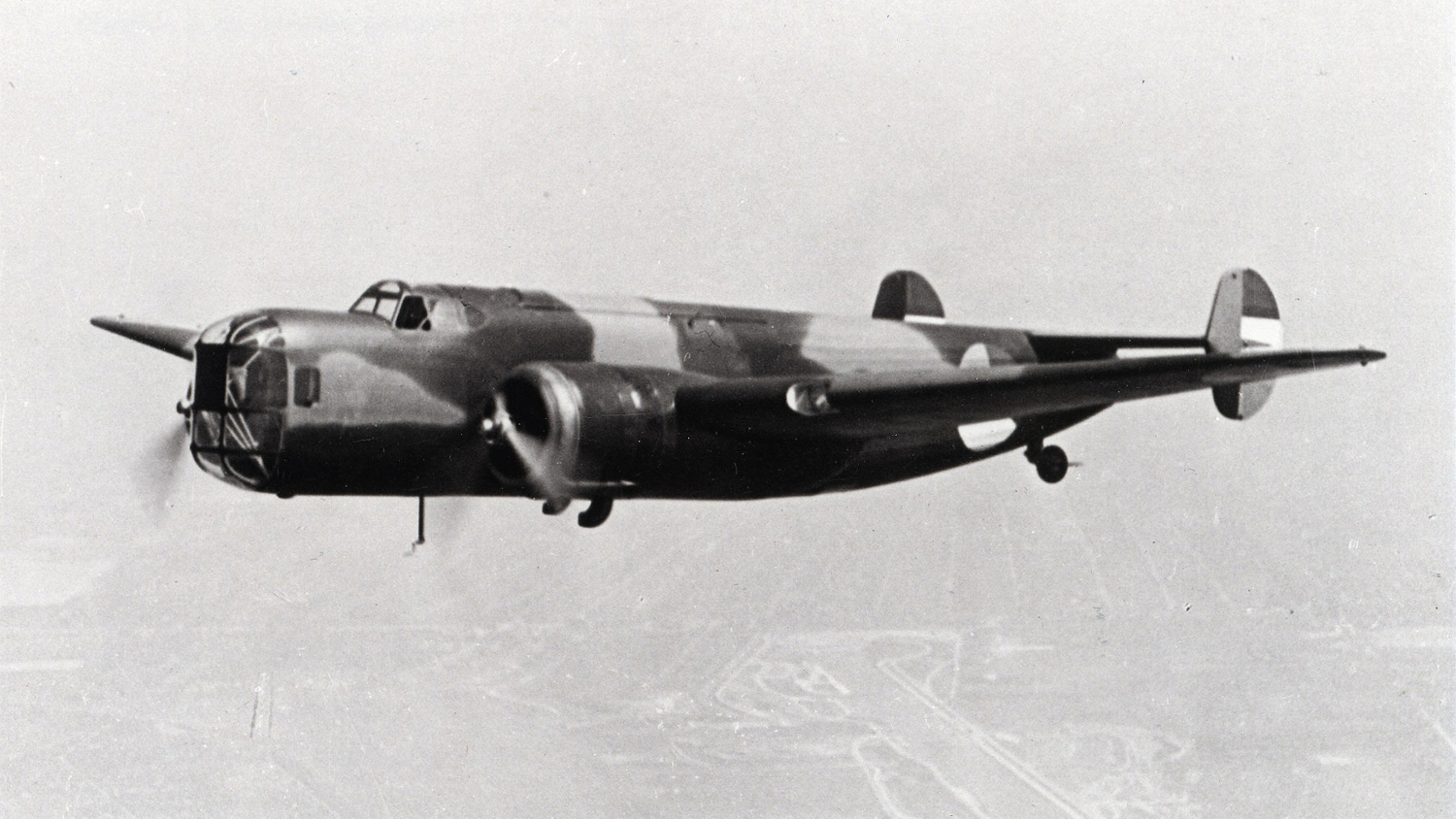
 On 16 October 1937, the Fokker T.V, a Dutch twin-engine bomber-hunter, made its maiden flight from Schiphol airfield.
In 1921, Giulio Douhet, an Italian general and air power theorist, published his principal work, Il dominio dell’aria (The Command of the Air). In the book, Douhet presented his vision of future aerial warfare, which he believed would be dominated entirely by bomber aircraft.
One of the theories the Italian general discussed in his seminal work was the concept of an “air cruiser” – an aircraft combining the qualities of a bomber with heavy armament and a robust construction. According to Douhet, future air battles would be fought by formations of heavy, general-purpose aircraft with exceptional destructive capabilities.
These veritable air cruisers should be, as he put it, “armed with two cannons, one forward and the other aft, with from sixteen to twenty-four machine guns of larger calibre than usual, and six tons of bombs”.
Douhet’s theories were widely debated, but no country dared to follow them uncritically. Nevertheless, this did not mean that the Italian air power theorist had no influence on air power doctrine or aircraft design. Although most air forces did not abandon fighter aircraft, as Douhet had suggested, and instead developed increasingly faster and more capable fighters, some countries did embrace ideas presented in his book.
One such example was the Fokker T.V (also known as the T.5), developed in the Netherlands in the mid-1930s. The luchtkruiser (air cruiser) concept found a receptive audience within the Luchtvaartafdeling (Army Aviation Group – LVA), which soon ordered a multipurpose aircraft capable of intercepting enemy bomber formations – and engaging in the kind of aerial combat forecast by Douhet – as well as carrying out long-range bombing missions.
As noted by Dutch aviation journalist and author Bart van der Klaauw, the LVA authorities were literally fascinated by the luchtkruiser concept. In 1935, the LVA´s commander, Colonel P.W. Best, stated that the air cruiser should be procured in the largest possible quantity. Moreover, to achieve this goal, the procurement of Fokker D.XXI fighters was to be cancelled, and the funds redirected to the luchtkruiser programme.
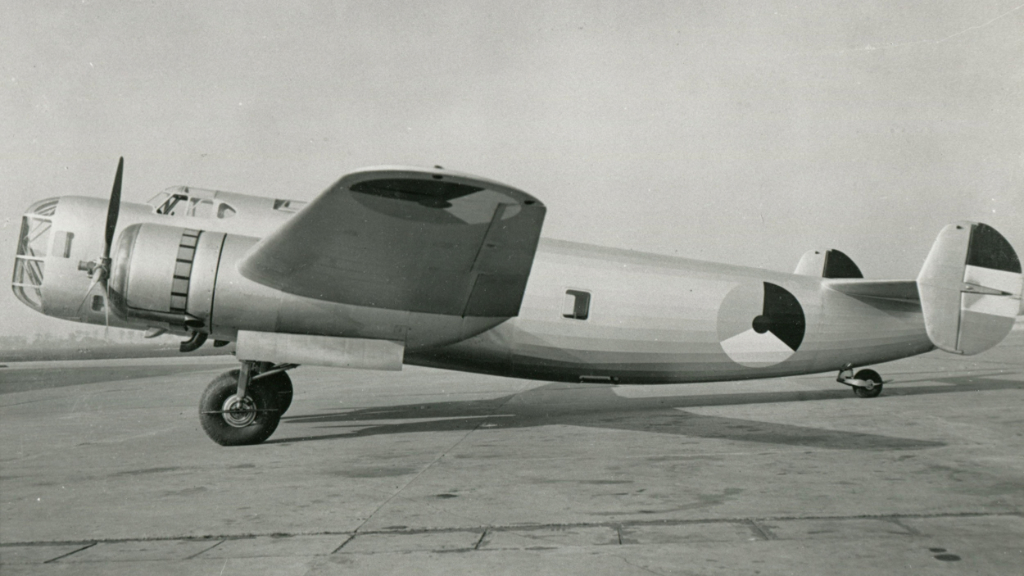
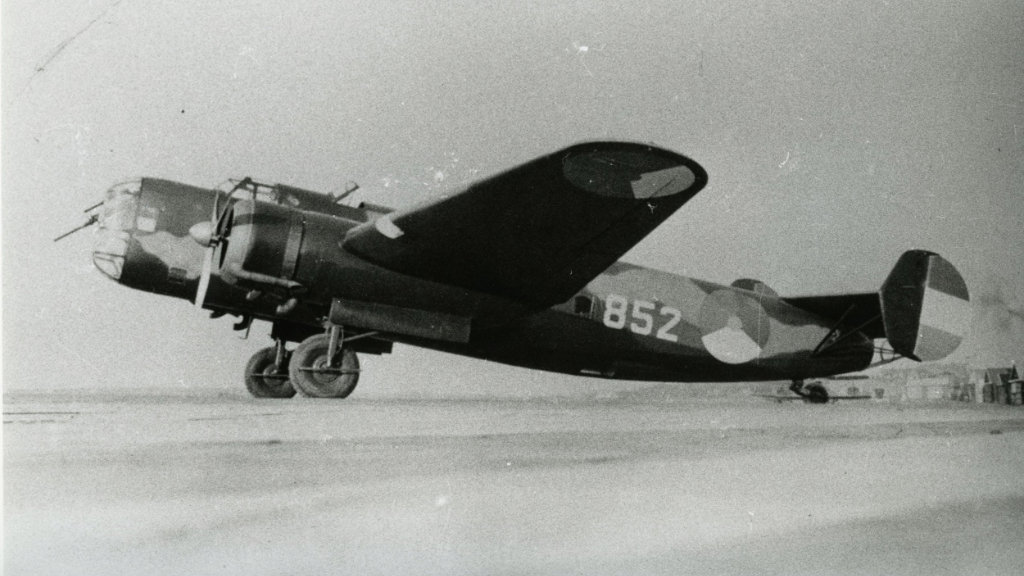
The task of developing the Dutch air cruiser was assigned to Fokker, which designed a twin-engine monoplane of mixed construction, with wooden wings. The aircraft, designated the Fokker T.V, had a crew of five and was equipped with a 20 mm Solothurn cannon in the nose and four defensive Browning machine guns. It also featured a bomb bay capable of carrying up to 1,100 kg of bombs. The T.V was powered by two nine-cylinder Bristol Pegasus XXVI radial engines, each producing 930 hp.
The first contract for the delivery of sixteen Fokker T.V aircraft was signed in December 1936, before the prototype had been completed and almost a year before its maiden flight.
Although the Fokker T.V might have appeared fairly modern at first glance, its construction was already outdated compared with other bomber aircraft of the era. In February 1935, Germany had successfully flown the Heinkel He 111 prototype, followed by Poland, which completed its PZL.37 Łoś (Moose) in June of the following year. Both aircraft featured all-metal construction and, although they were partly developed under the influence of Douhet’s theories, they were conventional twin-engine medium bombers without an interceptor role.
Eventually, Dutch enthusiasm for the air cruiser faded almost as quickly as it had emerged. Ultimately, the LVA received only fifteen examples of the T.V – eleven aircraft in 1938 and the remaining four in 1939. Moreover, the bomber suffered from engine and propeller problems and was considered unreliable. The situation was serious enough for the LVA to plan to replace the Fokkers with German-built Dornier Do 215 aircraft.
During the German invasion of the Netherlands in May 1940, the T.V aircraft were used in combat, primarily in their secondary role as medium bombers. However, their first combat engagement was, by chance, connected with their intended interceptor role. While evacuating the T.Vs from Schiphol, the Fokkers encountered a formation of German bombers and shot down two of them.
According to van der Klaauw, only two T.V aircraft remained operational by the end of the first day of combat. Another was shot down on 11 May, while the last surviving Fokker T.V remained in action until 13 May, when it was shot down while attacking bridges at Moerdijk.
Sources:
– The Command of the Air, Giulio Douhet, Air University Press, 2019
– Bommenwerpers Wereldoorlog II, B. Van Der Klaauw, 1977
Cover photo: Fokker T.V. “850” in flight, 1938 (Collectie: Nederlands Instituut voor Militaire Historie)