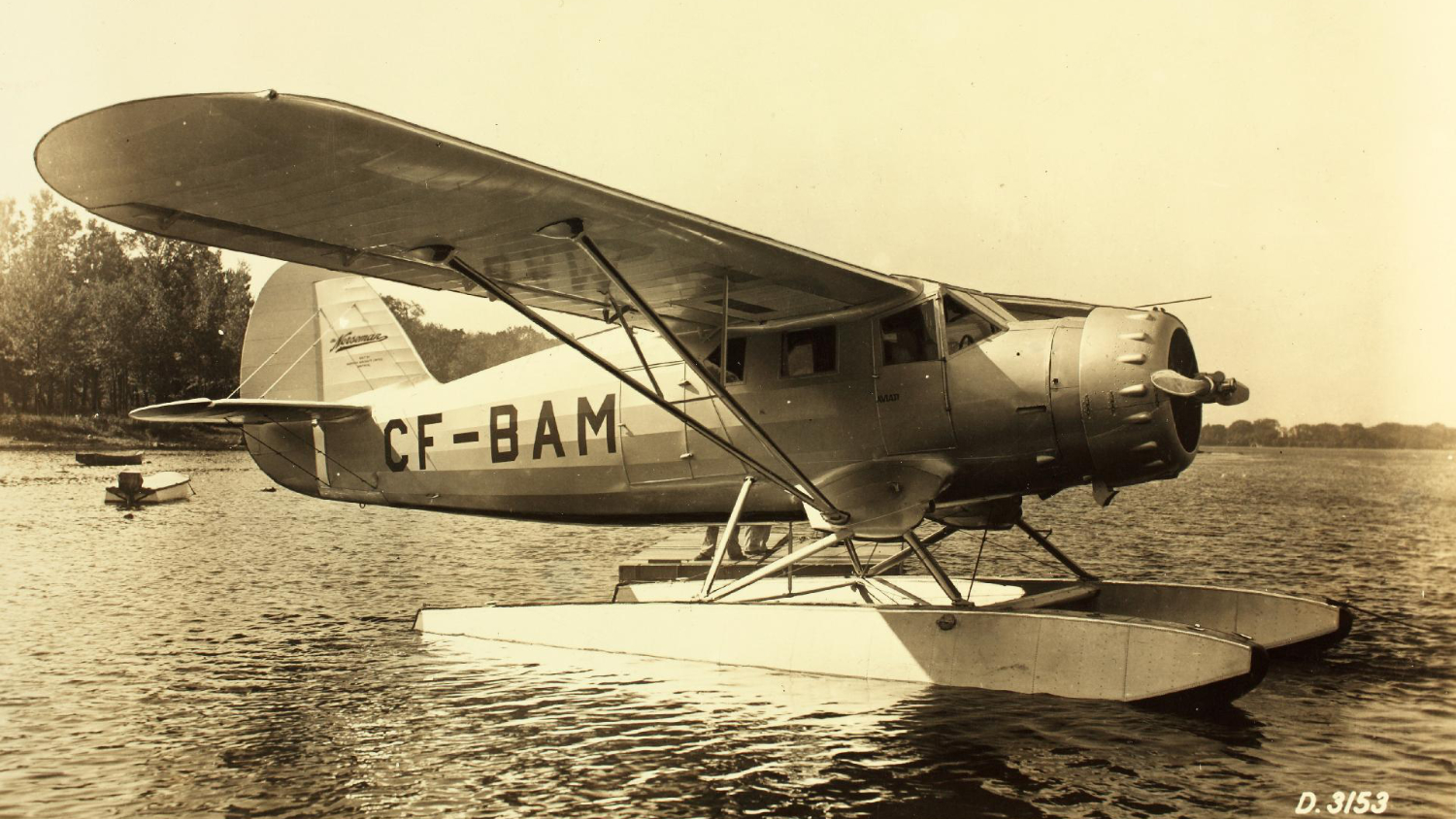
 On 14 November 1935, the Noorduyn Norseman, a Canadian bush plane, performed its first flight.
The aircraft was designed by Robert B.C. Noorduyn, a Dutch-born aviation engineer. His aviation career began in 1913, when Noorduyn moved to England and started working as a technical draughtsman for Sopwith. At the same time, he learned to fly.
In 1917, Noorduyn became chief draughtsman at British Aerial Transport, where he met Frits Koolhoven, a fellow countryman and the company’s chief designer. After the Great War, Noorduyn was hired by Anthony Fokker. In the early 1920s, he moved to the United States to work for Fokker’s new aviation factory, the Atlantic Aviation Corporation in Teterboro, New Jersey.
However, Noorduyn’s career with Fokker was relatively short. In 1929, he moved to Delaware, to work for the Bellanca Company. Within a few years, he changed jobs again, this time becoming a designer for Pitcairn’s Autogiro Company of America.
In early 1933, together with his colleague Walter Clayton, Noorduyn founded his own aviation company, Noorduyn Aircraft Limited. Within a year, they had acquired the former Curtiss-Reid factory in Cartierville, near Montreal, Canada. Shortly afterwards, the company was reorganised and renamed Noorduyn Aviation.
Having established his own aviation firm, Noorduyn began work on his masterpiece – the ideal bush plane. Drawing on his previous experience, he developed a high-wing monoplane powered by a single 420 hp Wright R-975-E3 Whirlwind engine.
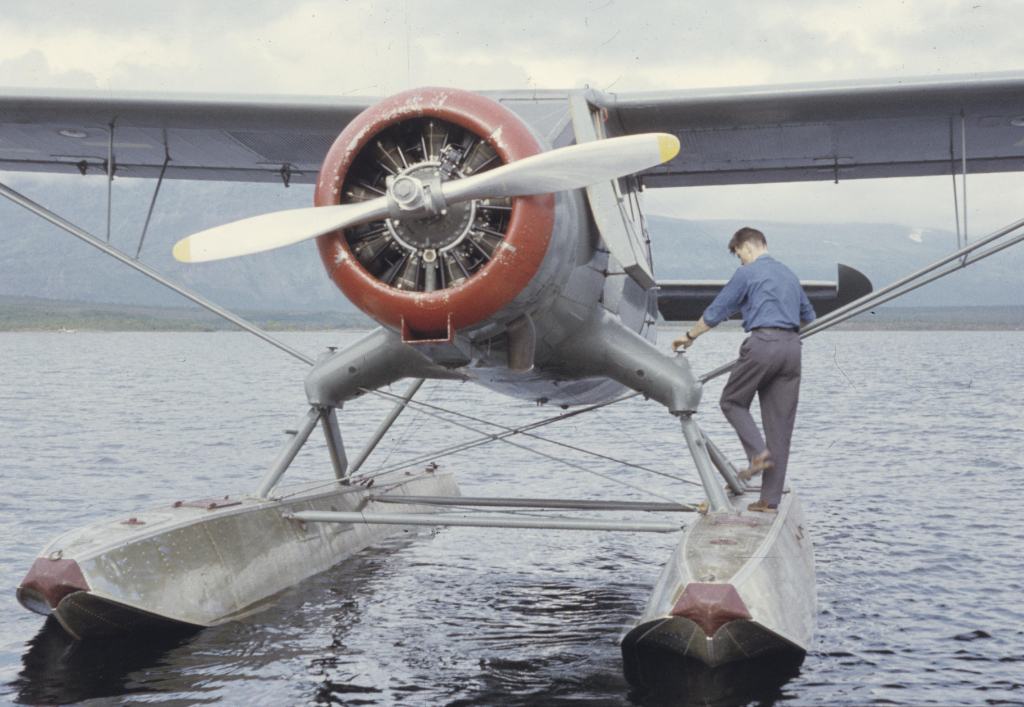
The aircraft had a steel-tubing fuselage and strut-braced wooden wings, all covered in fabric except for the flaps and ailerons. Great emphasis was placed on versatility and the ability to operate from both unpaved runways and water surfaces. Therefore, Noorduyn’s bush plane was equipped with a large cargo door, could be fitted with interchangeable floats, skis or wheel landing gear, and was designed to be easily repaired in the field.
On 14 November 1935, the aircraft, officially designated the Noorduyn Norseman, successfully completed its maiden flight. Interestingly, the aircraft was initially tested on floats, with its first flights performed from the St. Lawrence River near Pointe-aux-Trembles.
The first Norseman was later flown to Ottawa for further testing. In January of the following year, it was equipped with skis and sold to Dominion Skyways, which became the first customer for Noorduyn’s bush plane.
Almost immediately, the first all-Canadian bush aircraft attracted market interest. Noorduyn developed several consecutive variants of the Norseman, each fitted with more powerful engines. The series included – apart from the aforementioned prototype, later designated Mk I – the Norseman Mk II with a 450 hp engine, the Mk III powered by a 550 hp Pratt & Whitney R-1340 Wasp SC-1, and finally the Mk IV equipped with a 600 hp Pratt & Whitney Wasp S3H-1. Unfortunately, due to the approach of war, only seventeen examples of the aircraft were sold before 1940.
Shortly after the outbreak of the Second World War, five of the existing aircraft were taken into military service with the Royal Canadian Air Force. The Norseman quickly proved suitable for radio and navigation training, resulting in an order for about eighty aircraft under the British Commonwealth Air Training Plan.
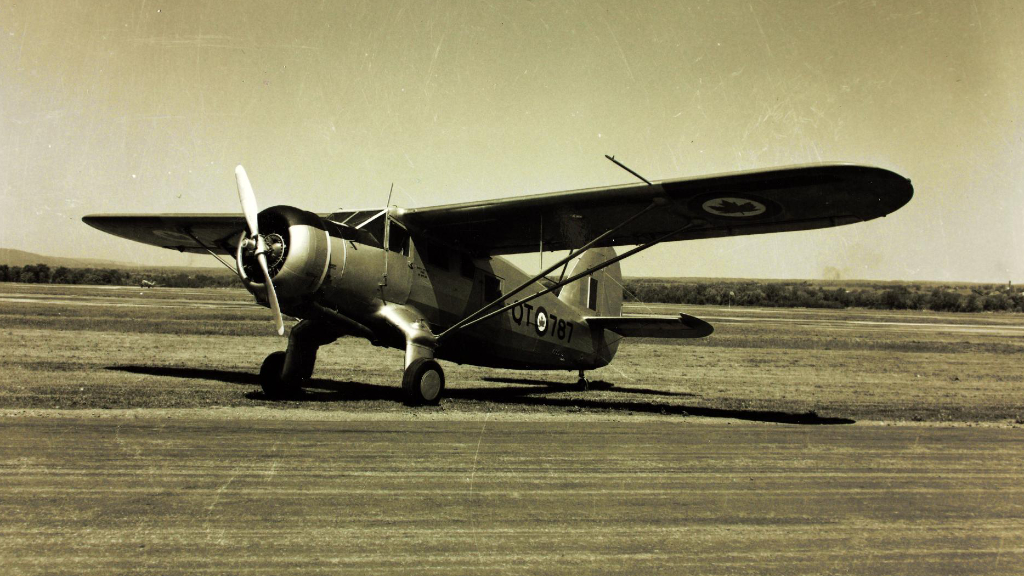
In 1941, the Norseman was evaluated by the United States Army Air Forces. The tests were successful, and a new version of the aircraft adapted for military use was soon developed and designated the C-64A/UC-64A. A total of 749 Norseman aircraft were acquired by the USAAF and used as light transport and utility aircraft. The Canadian bush plane was also purchased by the US Navy (and locally designated the JA-1), and by the US Army Corps of Engineers, which operated a floatplane variant known as the C-64B.
Shortly after the war, Noorduyn’s company and the rights to produce the Norseman were acquired by Canadian Car and Foundry. The new owner continued to manufacture the aircraft and developed two new versions of the Norseman. The first, known as the Mk V, was a civilian version of the UC-64A. The CCF then designed an all-metal wing version with greater cargo capacity and a more powerful engine. This variant was designated the Mk VII, but it never entered serial production.
In the early 1950s, Robert Noorduyn attempted to buy back his company. He secured a group of investors and managed to acquire the rights to manufacture the Norseman from CCF. In 1953, he established a new company named Noorduyn Norseman Aircraft Ltd. and resumed serial production of the aircraft. However, the Dutch designer fell ill shortly afterwards and died on 22 February 1959, aged 65.
That same year, the company ceased serial production of the Norseman, although it continued to support existing aircraft until 1982, when its assets were sold to Norco Associates. The Noorduyn brand has survived to this day, although the company has never again produced its own aircraft.
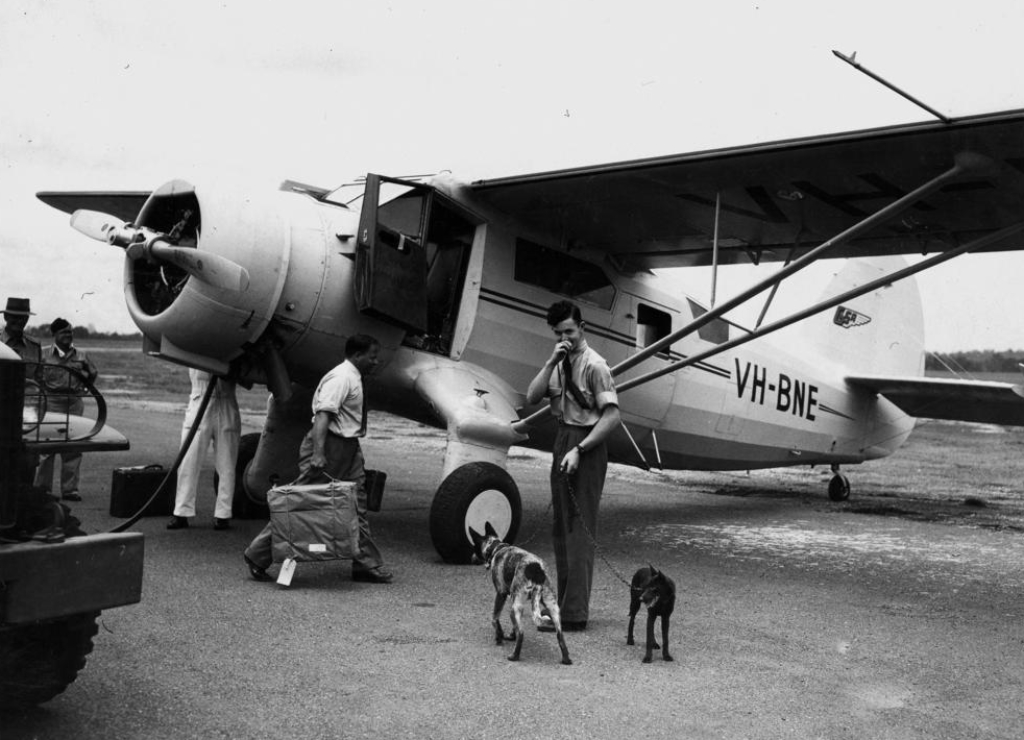
Cover photo: Noorduyn Norseman Mk III, the first example to be powered by the P&W R-1340 Wasp SC-1 (San Diego Air and Space Museum Archive, 01_00086508, via Flickr Commons)