 On 3 April 1933, two Westland aircraft, the PV-3 and the PV-6, successfully performed the first-ever flight over Mount Everest as part of the Houston–Mount Everest Flight Expedition.
Although flying over the highest mountain on Earth had long been a dream of many aviators, it was technically impossible in the early years of aircraft design. In December 1908, Wilbur Wright reached an altitude of 110 m (360 ft), flying the Wright Model A aircraft. However, it took only about a year to exceed 1,000 m – a record set by Louis Paulhan in January 1910, when his Farman III reached 1,269 m (4,164 ft).
In 1912, Roland Garros flew an aircraft of uncertain type (some sources suggest it was a Blériot design) to the altitude of 5,610 m (18,410 ft). The achievement that remained unbeaten for several years.
Although some sources claim that the record was surpassed in 1916 by Guido Guidi, who reportedly climbed to 7,950 m (26,083 ft). Nevertheless, this achievement was not officially confirmed by the Fédération Aéronautique Internationale (FAI). The first officially recognised altitude exceeding 8,848 m (29,029 ft) – the height of Mount Everest – was reported only in June 1919. The new record was set by Jean Casale in a Nieuport NiD.29 at 9,520 m (31,230 ft).
Nevertheless, Casale’s flight took place in favourable weather conditions and amounted to little more than a brief climb to altitude. It was still far removed from a sustained flight over the world’s highest mountain range, with its rapidly changing weather, extreme turbulence and strong winds. Another critical challenge, beyond aircraft performance, was sustaining the crew in a low-oxygen, extremely cold environment.
Until 1933, attempts to fly over Mount Everest were effectively blocked by a diplomatic dispute known as the Affair of the Dancing Lamas. Nevertheless, preparations to conquer the highest mountain by air were underway in both the United Kingdom and the United States.
Being the first to fly over Mount Everest was a matter of prestige for the British, particularly in light of George Mallory´s expeditions and his disappearance in 1924. The search for Mallory and his climbing partner, Andrew Irvine, was one of the official justifications for the flight. Together with expected strengthening of the British prestige in the region, this argument helped secure funding for the expedition.
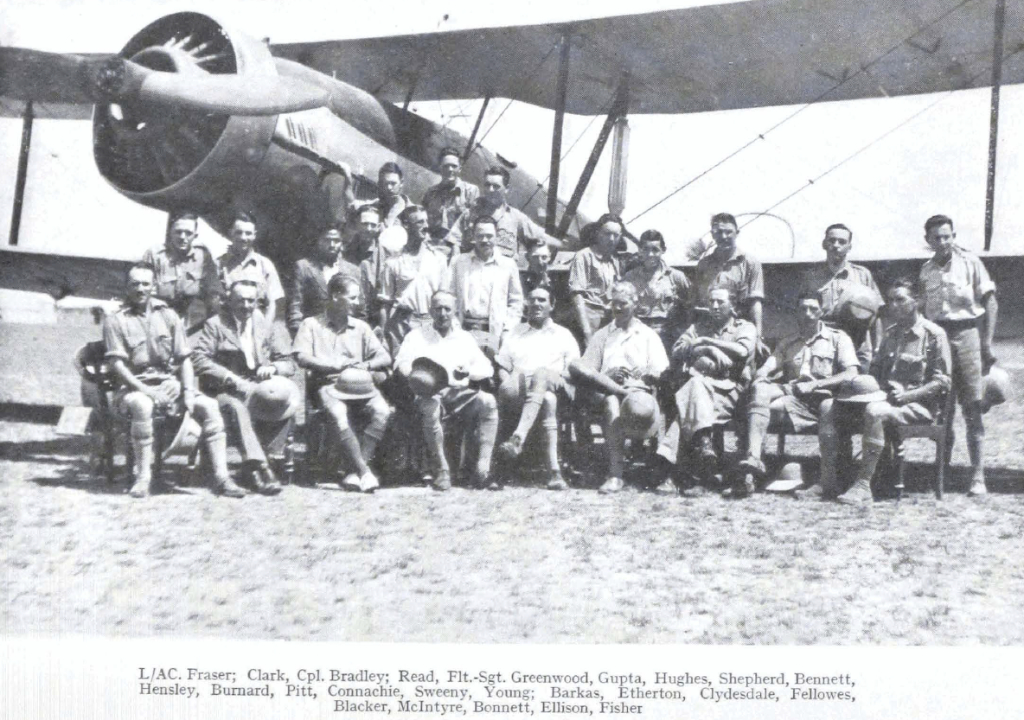
The Houston–Mount Everest Flight Expedition became a reality thanks to Lord Clydesdale, who organised the mission, and Fanny Lucy Radmall, better known as Lady Houston, who financed most of the project.
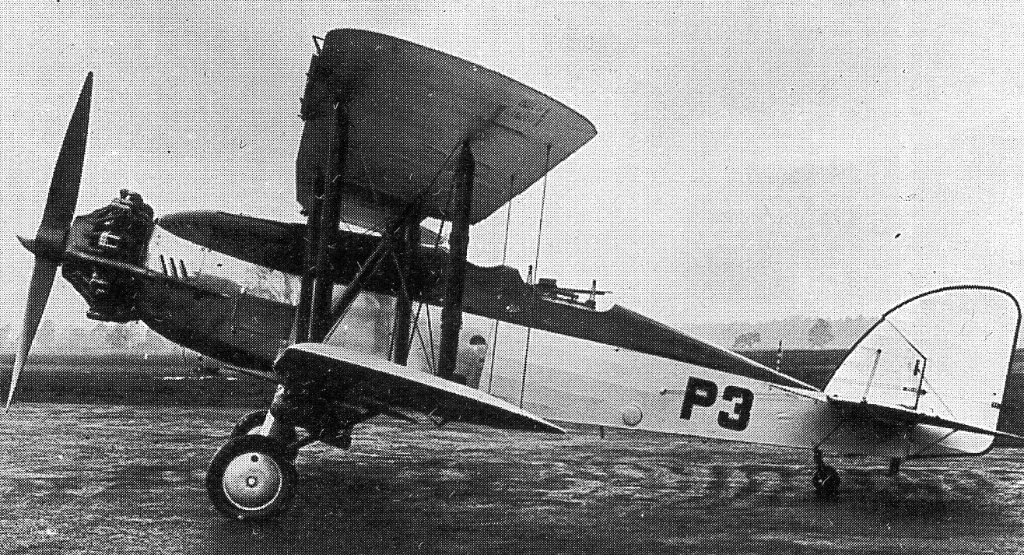
Clydesdale was an experienced aviator and the youngest squadron leader in the Royal Air Force. For the expedition, he chose Westland aircraft, a type he knew well from his military service. The mission employed two biplanes: the prototype Westland Wallace bomber (PV-6) and a modified PV-3 torpedo bomber. Although both aircraft were equipped with oxygen systems, they still were built in open-cockpit configuration, which made the flight particularly demanding for the crews. Additionally, in order to reduce weight, the crews did not wear parachutes.
Overall command and planning of the expedition was assigned to Air Commodore Peregrine Fellowes. The crews consisted of Clydesdale himself, accompanied by the inventor Stewart Blacker as an observer in the PV-3, and Flight Lieutenant David Fowler McIntyre with the cinematographer Sidney R. G. Bonnett in the PV-6.
In February 1933, both aircraft arrived by sea in Karachi. There, the aeroplanes were assembled and then flown to the Lalbalu airfield near Purnea. Mount Everest lay approximately 80 km from this location.
As the mission required favourable weather conditions, the crews waited several days for clear skies. On the morning of 3 April 1933, both aircraft finally took off from Lalbalu and headed towards Mount Everest.
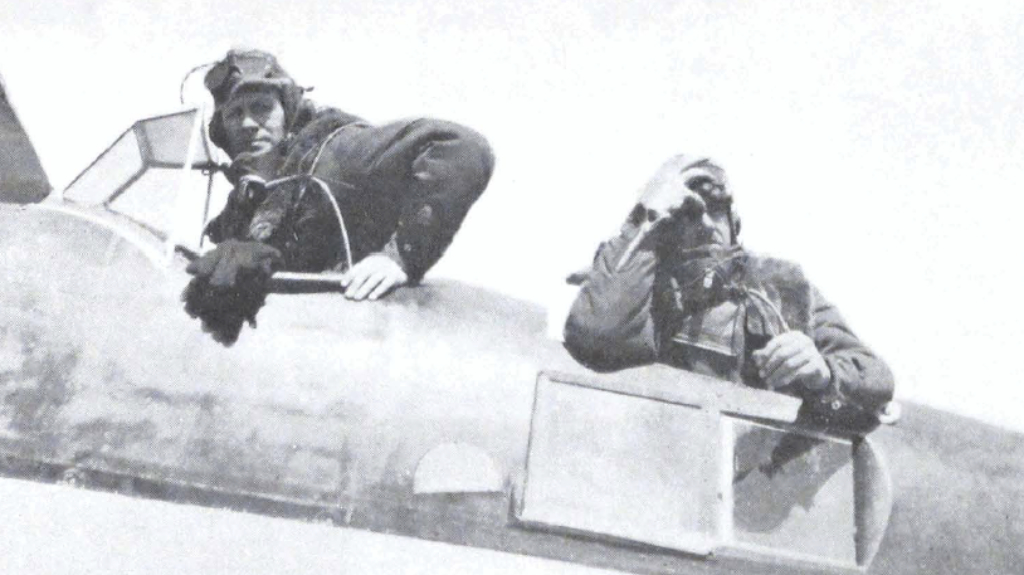
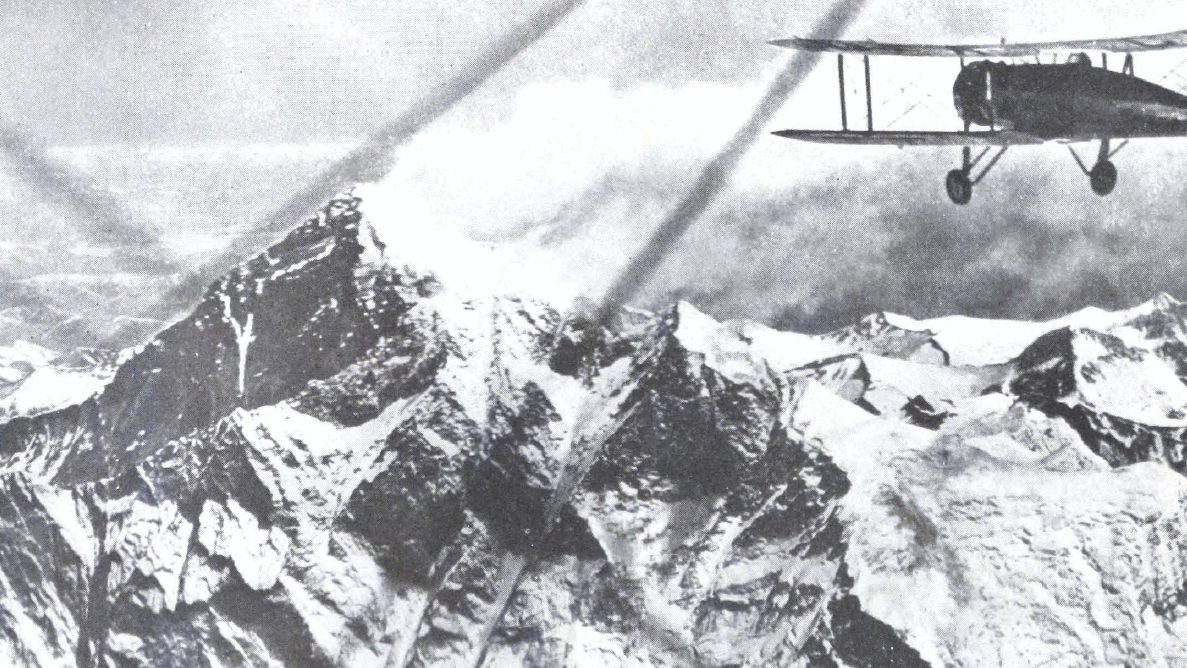
During the flight, the aircraft reached an altitude of approximately 9,400 m (31,000 ft) and passed over Lhotse, the fourth-highest mountain in the world. The crews experienced repeated failures of their oxygen systems but managed to carry out improvised repairs and continue the flight.
At 10:05, the aircraft successfully flew over Mount Everest. After achieving their goal, the British aviators returned to Lalbalu, arriving roughly three hours after take-off. No trace of Mallory and Irvine was observed.
Soon afterwards, it became apparent that the quality of the photographs taken during the flight was poor. As a result, the British aviators repeated the mission on 19 April under improved weather conditions.
After completing the historic flight, Clydesdale sent a brief message stating that “Mount Everest has been flown over”. The British press responded with greater enthusiasm. The Guardian wrote: “The world’s highest mountain has surrendered to aeroplanes circling 100 feet above its summit.”
The Houston–Mount Everest Flight Expedition was not only a landmark achievement in aviation history but also contributed to future attempts to conquer the mountain. Photographs taken during the flights were later used by Edmund Hillary and Tenzing Norgay during their successful ascent of Mount Everest in 1953.
The first flight over Mount Everest was also captured on film. A half-hour documentary, “Wings Over Everest”, was produced using original footage and additional material featuring the participants. In 1936, it received an Academy Awards.
In 1934, a book about the expedition was published, written by Fellowes, Blacker and Percy Thomas Etherton, and entitled “First Over Everest! The Houston-Mount Everest Expedition, 1933”.
Cover photo: Westland PV-3 over Lhotse (from the book “First Over Everest! The Houston-Mount Everest Expedition, 1933”)
Sources:
– The Guardian archive issues from 1933 and 2013,
– Scotsman archive issues from 2013,
– First Over Everest! The Houston-Mount Everest Expedition, 1933 by Fellowes, Blacker and Etherton