 On 11 September 1911, Robert G. Fowler took off on the first coast-to-coast flight across the United States.
Robert Grant “Bob” Fowler was born on 10 August 1884 in San Francisco, California. In the early 1900s, he developed an interest in motorsport and won several national racing events.
Then, Fowler turned his attention to flying. He learnt to fly under the supervision of the Wright brothers and became one of the earliest American aviation pioneers.
In October 1910, the American publisher William Randolph Hearst offered the so-called Hearst Prize to the first aviator to fly coast to coast across the United States. The prize was worth USD 50,000 (equivalent to approximately USD 1.75 million today), with the condition that the flight had to be completed within 30 days from the start date.
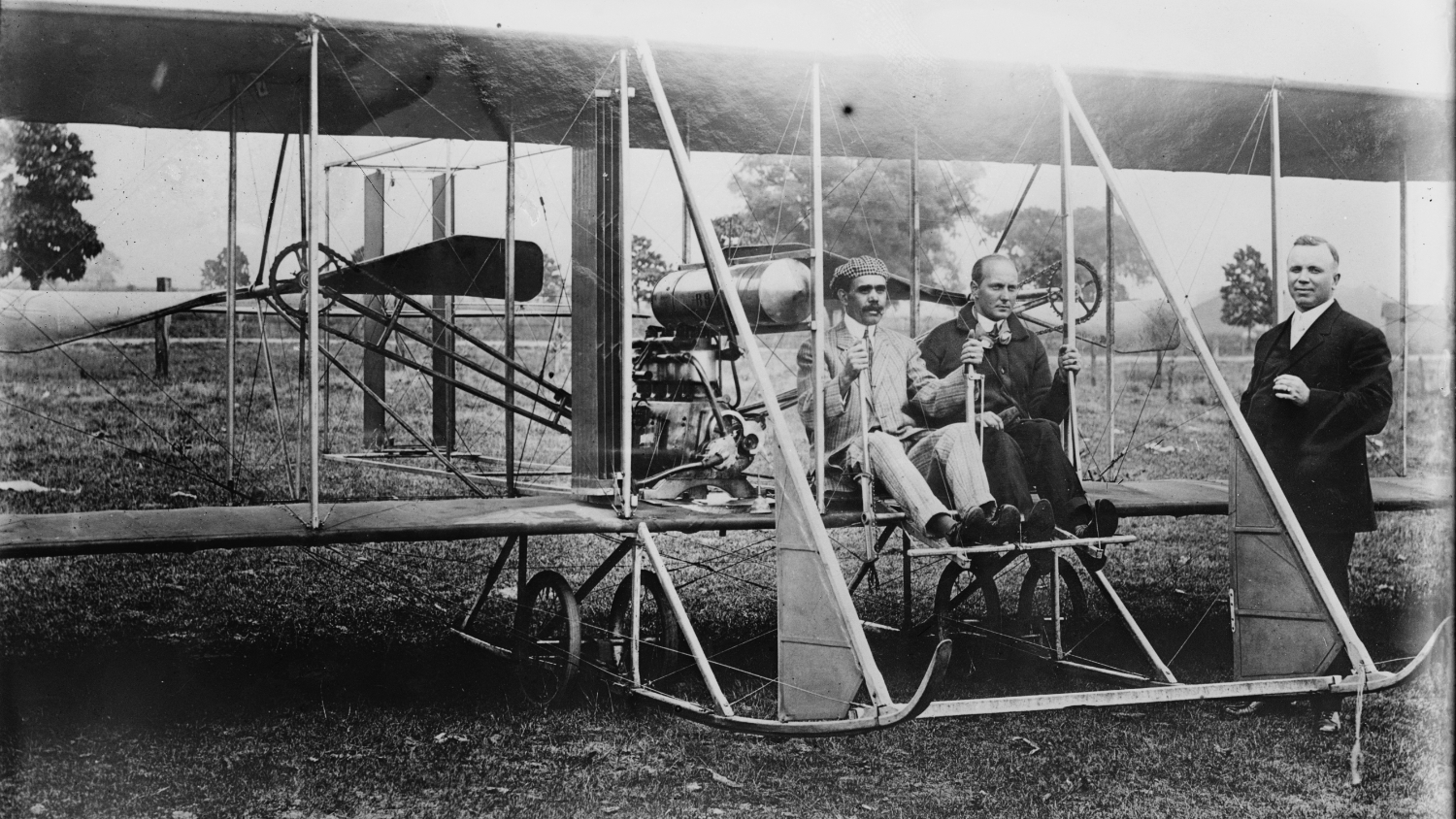
“Bob” Fowler was the first pilot who dared to compete for the Hearst Prize. On 11 September 1911, flying a Wright biplane equipped with a Cole Motor Car Company engine, he took off from San Francisco and headed towards the East Coast. Interestingly, Fowler decided to use the 30–40 hp automobile engine to power his aircraft, as he considered it more reliable than the original Wright powerplant.
However, the flight did not go as planned. Firstly, Fowler reached Auburn and was supposed to cross the Sierra Nevada mountain range the following day. Regrettably, a combination of mechanical issues and challenging weather conditions forced him to make a crash landing near Colfax.
It took ten days to repair the aircraft with the support of the local community. Unfortunately, heavy winds prevented Fowler from crossing the mountains, despite several attempts he made until the end of the month. Eventually, the aviation pioneer had to choose a southern route. On 18 October 1911, he started again, flying from San Diego and avoiding the high mountains.
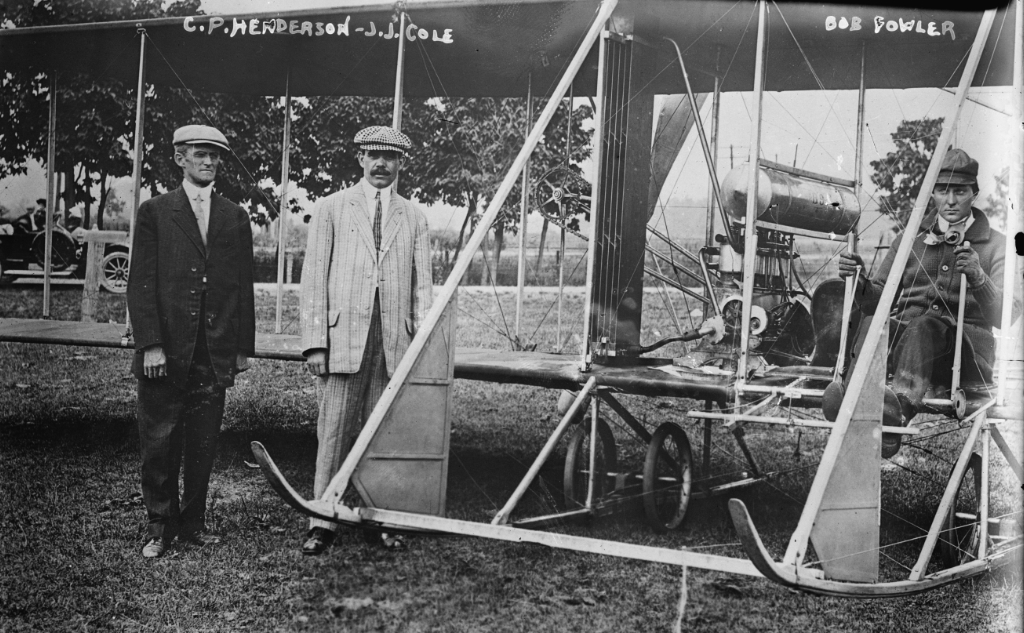
On 8 February 1912, Fowler arrived in Jacksonville, Florida. He became the first person to fly across the United States from west to east. However, the flight took more than four months, thus exceeding the limit by many days.
It should be noted here that, in the meantime, a few other American aviation pioneers also strove to win the Hearst Prize. Among them were James Ward and Calbraith Perry Rodgers, who began their journeys on the East Coast on 13 and 17 September 1911, respectively.
However, none of them managed to complete the flight within the stated time limit. Ward gave up after a week, without leaving New York State. Rodgers became the first person in aviation history to make a transcontinental flight across the United States, but also had no chance of winning the Hearst Prize. His flight to Pasadena, California, lasted 49 days and was marked by more than fifteen crashes, four engine explosions and the necessity to rebuild the aircraft during the flight.
Eventually, the Hearst Prize expired in November 1911 without a winner.
In the following years, Fowler continued his aviation career. In 1913, he became the first person to complete a non-stop, ocean-to-ocean transcontinental flight in Panama. Then, he was one of the co-founders of the Lowe, Willard & Fowler Engineering Company (LWF). In 1918, he established the Fowler Airplane Corporation and, under licence, manufactured Curtiss aircraft for the US Army Signal Corps.
Robert Grant Fowler died on 15 June 1966, aged 81.
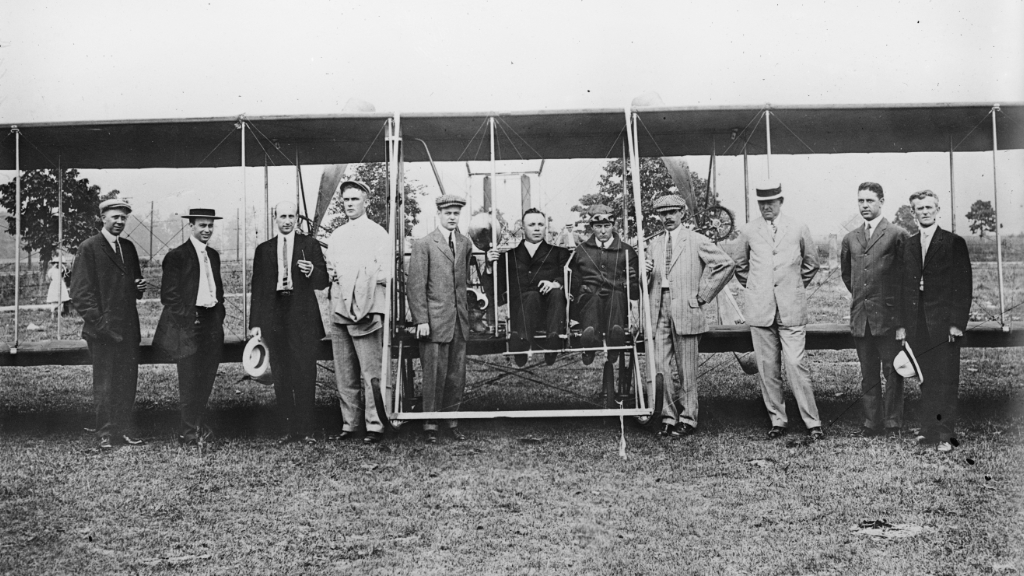
Cover photo: Joseph Jarret Cole (Cole Motor Car Company) and Robert Grant “Bob” Fowler who are sitting in a Wright Model B Flyer called the “Cole Flyer”, preparing for the Hearst Transcontinental Flight Derby, Dayton, Ohio (Library of Congress, LC-DIG-ggbain-09633)