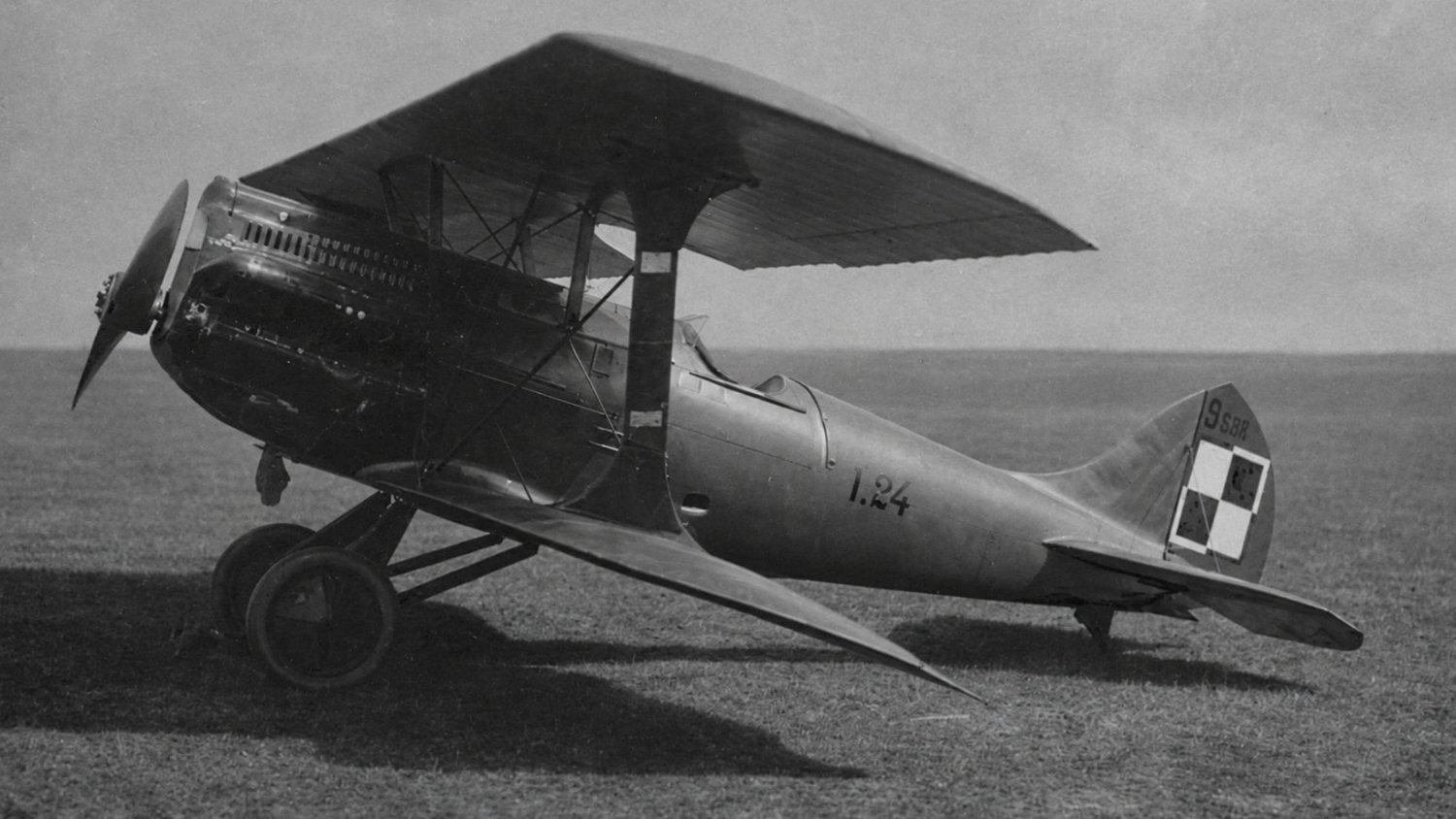
 On 6 November 1923, the Blériot-SPAD S.61, a French biplane fighter aircraft, performed its maiden flight.
In 1923, the French aviation company Blériot Aéronautique developed a new biplane fighter, intended to replace the obsolete Nieuport-Delage NiD.29. Designed in response to the French Air Force’s C1 fighter programme, the aircraft was created by André Herbemont, Blériot’s chief designer, and developed in two different configurations.
The first of them, known as the S.61, was powered by a 430 hp Lorraine-Dietrich 12E, twelve-cylinder W-type engine. The aircraft performed its maiden flight on 6 November 1923. It was subsequently followed by the S.51, powered by a 380 hp Gnome-Rhône Jupiter, nine-cylinder radial engine. The S.51 took to the skies for the first time on 16 June 1924.
Interestingly, both aircraft – although developed and manufactured by Blériot – continued to carry the SPAD designation. Originally, the acronym stood for Société pour les Appareils Deperdussin, a French aviation company founded in 1911 by Armand Deperdussin. During the pioneering years of aviation, the company became known for its Type B and Monocoque aircraft.
In 1913, Deperdussin was arrested for fraud and subsequently declared bankruptcy. His aviation company was taken over by a consortium led by Blériot and renamed Société Pour L’Aviation et ses Dérivés (literally, the Company for Aviation and its Derivatives). After the First World War, SPAD was fully absorbed by Blériot Aéronautique. Nevertheless, Louis Blériot decided to retain the acronym for his fighter and racing aircraft, recognising the strong reputation that SPAD fighters had earned during the war.
Both the S.51 and S.61 were evaluated by the French Air Force, but neither was approved for service. The new French fighters subsequently attracted interest in Poland, which urgently needed fighter aircraft for its newly established air force.
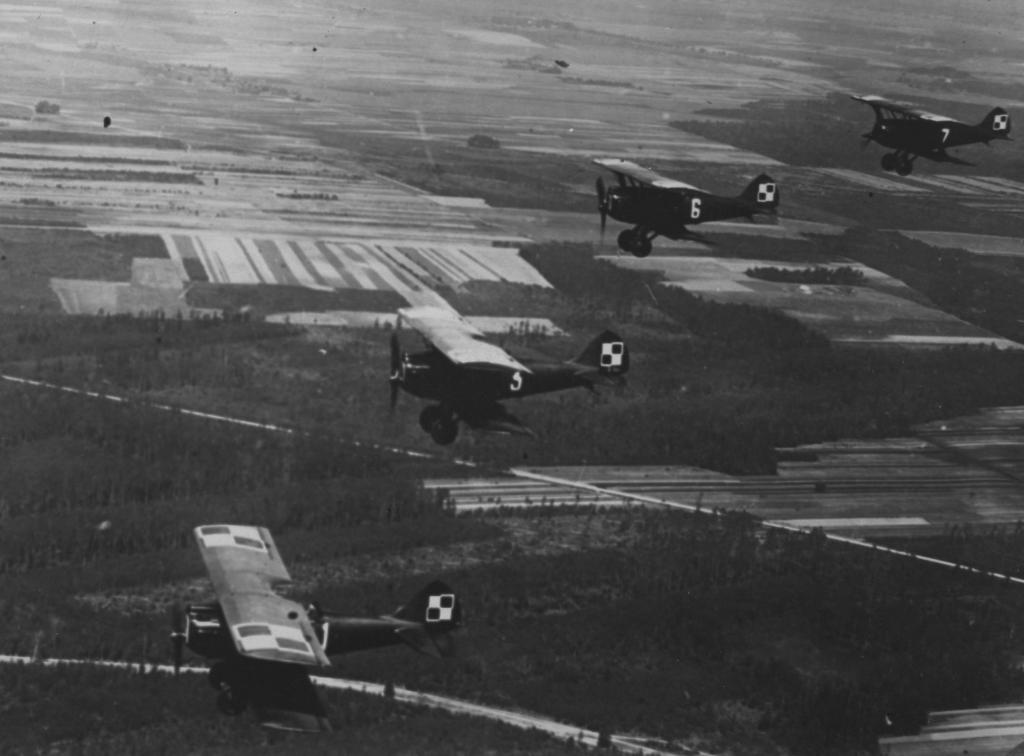
In 1925, Włodzimierz Zagórski, Head of the Air Force Department at the Ministry of Military Affairs, approved the purchase of 250 S.61 and 50 S.51 fighters, together with the licence rights to manufacture the S.61 in Poland. The procurement was carried out through Francopol, a company established specifically to purchase French-made military equipment for the Polish Air Force. This acquirement soon became part of the so-called Francopol Affair, one of the biggest political corruption scandals in interwar Poland.
The Polish acquisition of the S.51 and S.61 fighters was met with considerable criticism. It did not take long to discover why the design had been rejected by the French Air Force.
The S.61 proved to be an aircraft of extremely poor structural integrity. The biplane frequently suffered failures, had a tendency to enter a flat spin, and its wings were unable to withstand the loads, sometimes breaking off in flight. Neither introducing restrictions on the permitted aerobatic manoeuvres nor transferring the S.61 to training units helped to improve the situation.
A total of 31 Polish pilots lost their lives in accidents involving the French fighter, and the S.61 became notorious not only for having the worst reputation among the aircraft operated in interwar Poland, but also earned the nickname ‘flying coffin’.
Although Poland was the largest operator of the S.61, with 280 examples of the aircraft (250 purchased and 30 built under licence), the French biplane remained in service with combat units only until 1929. Over the following five years, the S.61 aircraft transferred to training units were gradually scrapped. The same fate befell the S.51, which was withdrawn from service in 1932.
Apart from the Polish Air Force, the S.61 was also acquired by Romania, which purchased 100 examples and officially operated the type until 1935. Poland was also the primary operator of the S.51, with individual examples acquired by the Soviet, Turkish and Republican Spanish air forces.
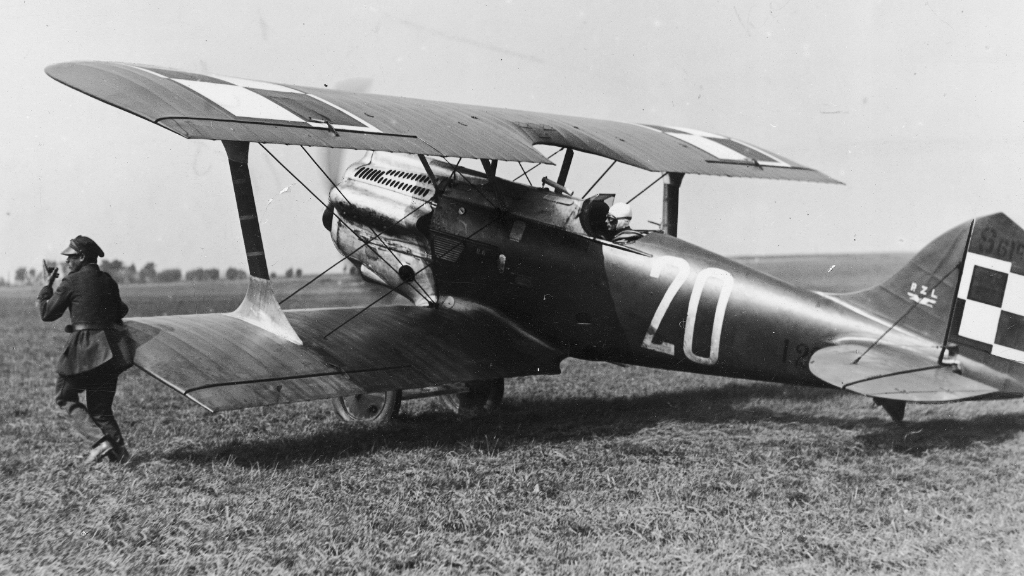
Cover photo: Blériot-SPAD S.61 of the Polish Air Force (Narodowe Archiwum Cyfrowe, 3/1/0/7/1550, Public Domain – digitally restored)