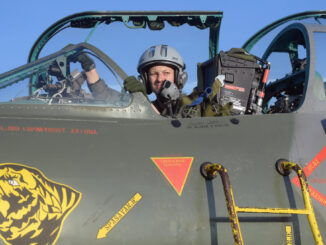
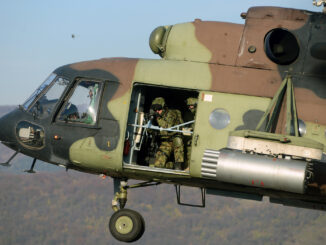
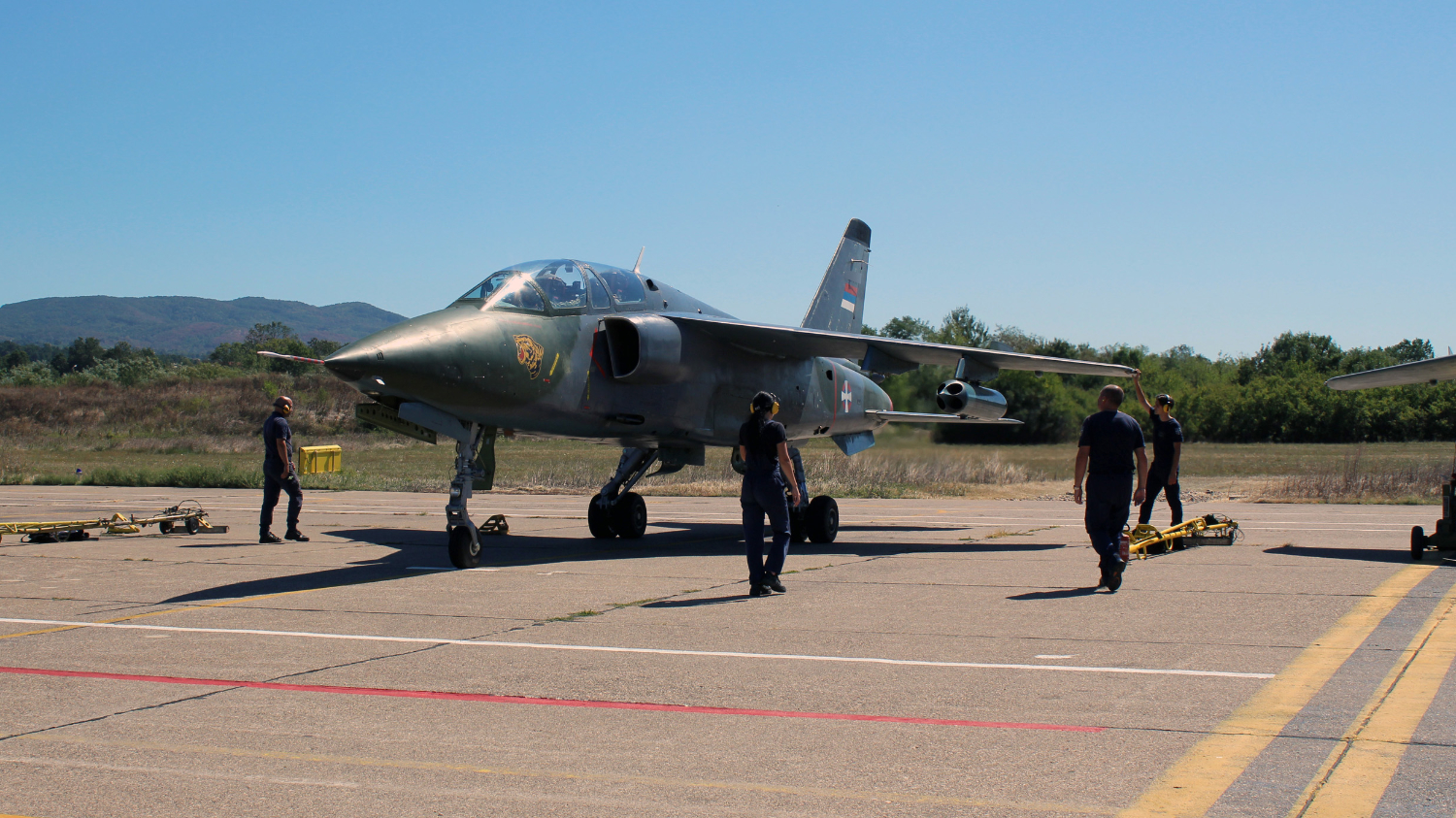
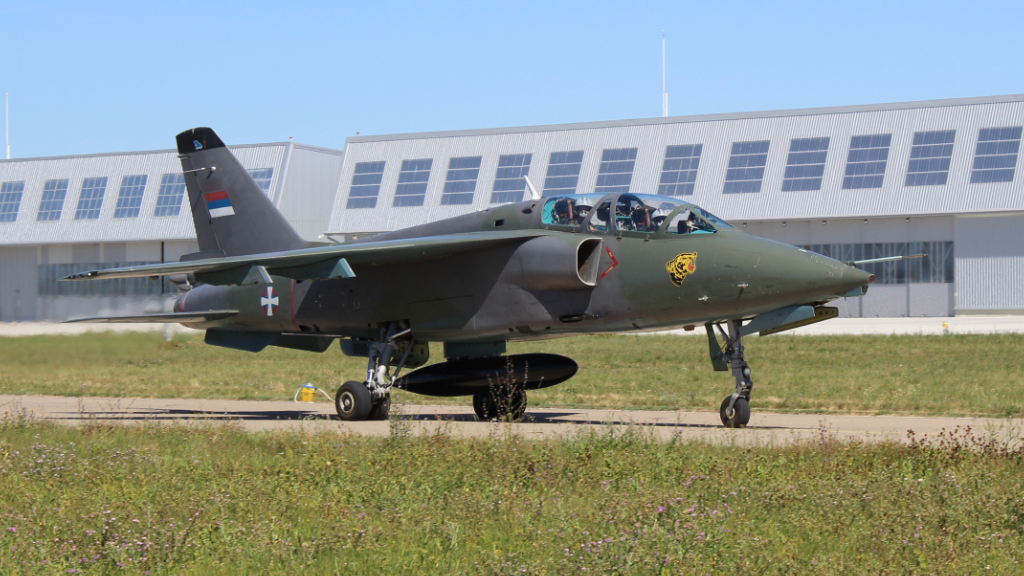
 The Serbian Ministry of Defence has recently released a new series of photographs showing intensive flying training conducted by the 98th Air Brigade of the Serbian Air Force and Air Defence (98. Bаздухопловна бригада, Ратно ваздухопловство и противваздухопловна одбрана Војске Србије). The training involves the Soko J-22 Orao attack aircraft and focuses on maintaining the operational readiness of both flight crews and ground personnel.
The activities take place at the Krajlevo-Lađevci airfield, commonly called the Morava Air Base, the home of the 98th Air Brigade. Pilots of its fighter-bomber squadron practise a range of flying techniques and tactical manoeuvres, gradually increasing the complexity of their training. Particular emphasis is placed on maintaining proficiency in different meteorological conditions, during both day and night.
The primary objective is to ensure that the squadron remains capable of carrying out its assigned missions, particularly providing close air support to ground forces during Serbian Army operations. Each training flight also offers pilots an opportunity to analyse their performance, improve their skills and identify any shortcomings that may require further attention. The training programme contributes to maintaining existing qualifications and achieving higher levels of combat proficiency.
In parallel with the flying activities, the squadron’s technical personnel conduct their own training. Specialists prepare the aircraft for flight and carry out post-flight inspections, including engines, electrical systems, instruments, armament and other equipment essential to safe and effective operations. Close cooperation between pilots and ground crews remains a fundamental part of maintaining the unit’s combat readiness.
The Eagle of the Balkans
The aircraft at the centre of these activities is the Soko J-22 Orao, a twin-engine attack and fighter-bomber aircraft developed jointly by Yugoslavia and Romania in the 1970s. Known in Romania as the IAR-93 Vultur, the aircraft was intended to provide both countries with a modern combat aircraft developed largely through their own industrial capabilities.
The prototype made its maiden flight in 1974, and serial production began in the early 1980s. The Yugoslav aircraft were manufactured by SOKO, while their Romanian counterparts were built by Avioane Craiova. The resulting aircraft family included single-seat combat versions and two-seat variants intended for training and other specialised tasks.
Following the retirement of Romania’s IAR-93 fleet, Serbia became the sole operator of the Orao. Despite its age, the aircraft remains part of the Serbian Air Force’s combat aviation capability, and efforts are being made to extend its operational usefulness through modernisation.
The future of the Orao has also been the subject of our previous coverage, including the proposed Eagle 2.0 modernisation programme. Further details about the proposed modernisation, as well as the brief history of the aircraft itself can be found in our articles 31 October 1974 – maiden flight of the IAR-93 Vultur / J-22 Orao and “Eagle 2.0” – the rebirth of J-22.
The latest photographs from the Serbian Ministry of Defence offer another glimpse into the ongoing efforts to keep these veteran combat aircraft and their crews ready for operational duties.
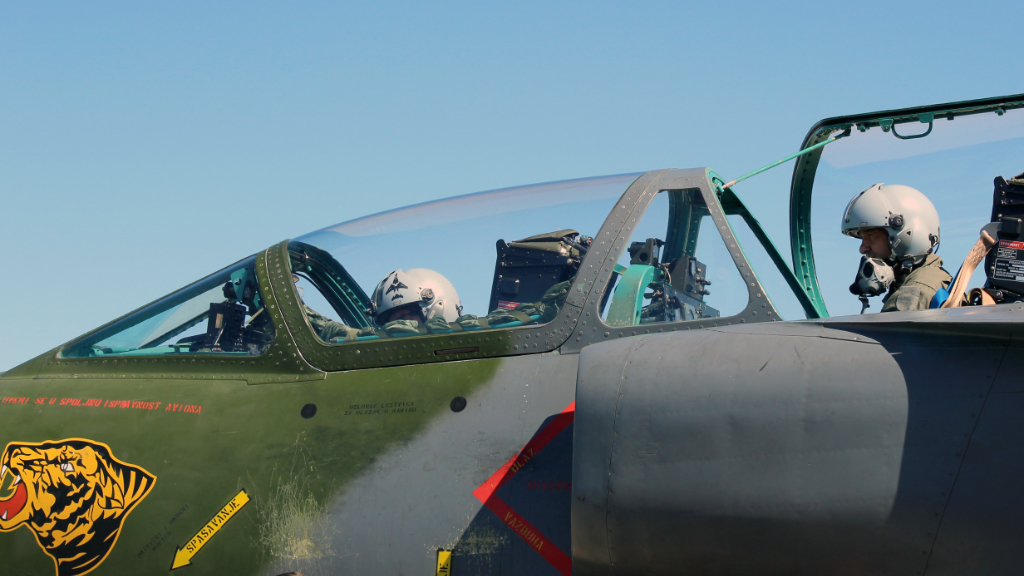
All photos © Министарство одбране Републике Србије / MoD Republic of Serbia. MoD press releases were used.