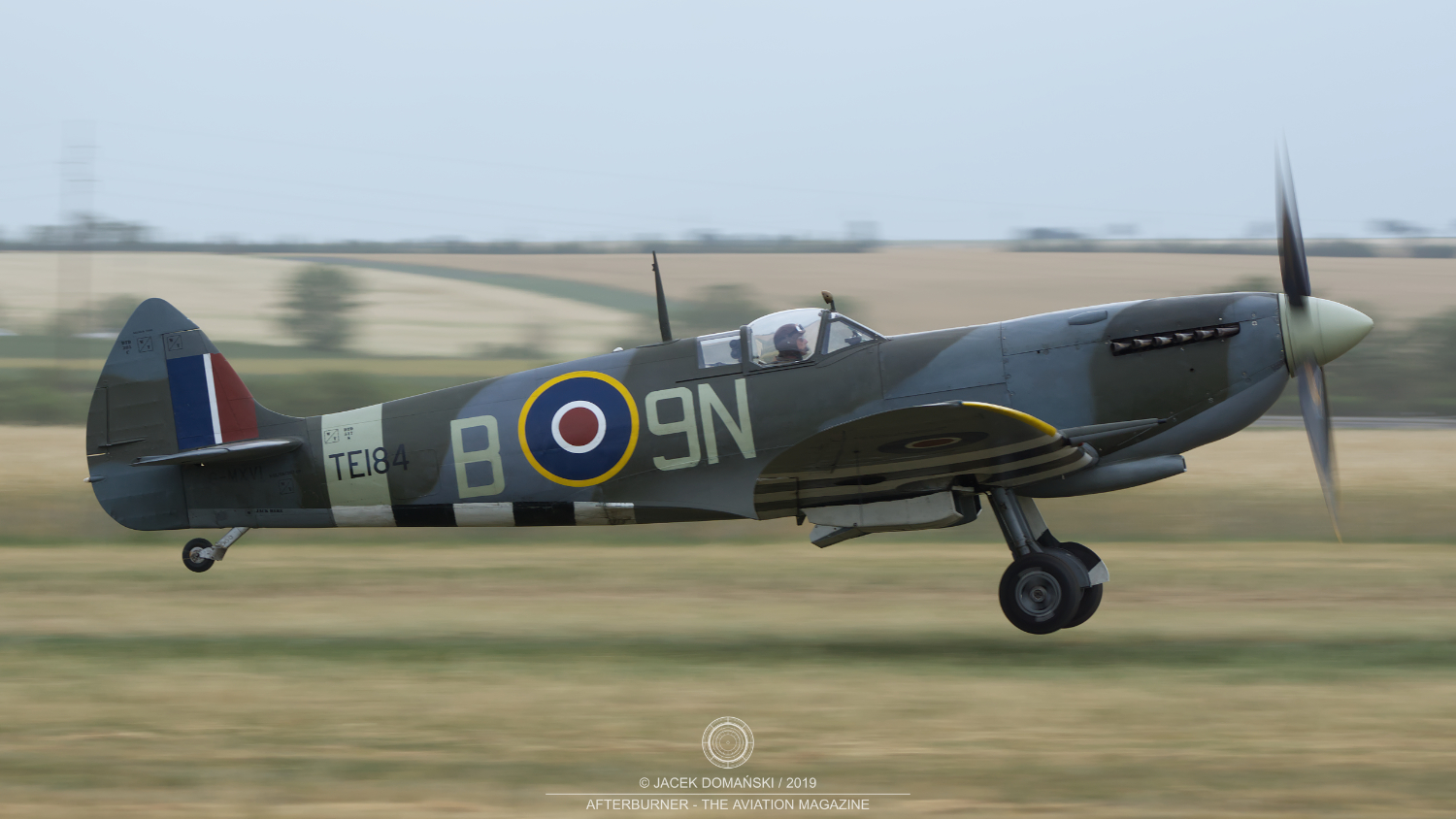
 The Supermarine Spitfire, one of the most iconic aircraft in aviation history, made its first flight on 5 March 1936.
Origins of that legendary fighter date back to 1931, when the Air Ministry issued a specification for a new, high-speed fighter for the Royal Air Force. Among the designers who responded to that need, was Reginald Joseph Mitchell of Supermarine, who was already renowned for designing the company’s Schneider Trophy-winning seaplanes, most notably the Supermarine S.6.
Mitchell’s first submission, the Type 224, flew in February 1934 but proved unsuccessful and the contract was awarded to the Gloster Gladiator instead. Undeterred, Mitchell’s team developed the far more advanced Type 300. This aircraft featured a retractable undercarriage and was powered by the new Rolls-Royce PV-XII engine, later known as the Merlin.
On 1 December 1934, the Air Ministry funded further development, and on 5 March 1936 the prototype K5054 made its maiden flight at Eastleigh, piloted by Captain Joseph “Mutt” Summers. Following successful trials, the Air Ministry placed an order for 310 aircraft on 3 June 1936. The aircraft, officially named the Spitfire, was presented to the public later that month.
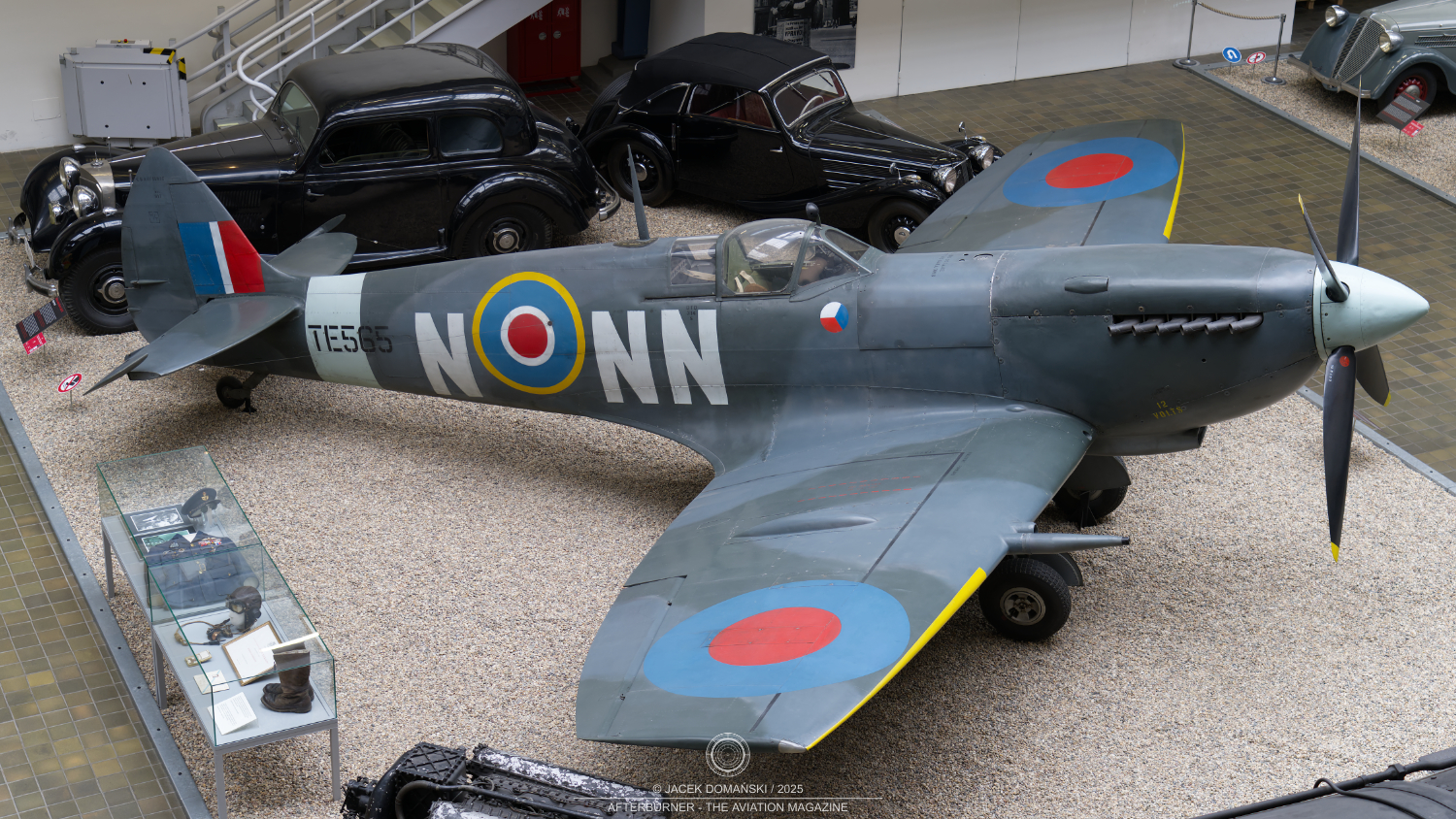
During the early years of the Second World War, especially the Battle of Britain, the Spitfire and the Hawker Hurricane formed the backbone of RAF Fighter Command. Unlike the Hurricane, which was later adapted to ground-attack roles, the exceptional development potential of the Spitfire kept the aircraft in front-line service throughout the war.
A total of 20,351 Spitfires were built by 1948 in 24 variants, including fighter, naval, reconnaissance and trainer versions. Due to its elegant elliptical wing and outstanding performance, the Spitfire is considered one of the most celebrated aircraft designs in history.
More information about the Spitfire can be found in our previous articles: 5 March 1936 – first flight of Supermarine Spitfire, 1 April 1954 – last operational sortie of the RAF Spitfire, The Spitfire is making history again! and Spitfire Butterflies.