 The UK Space Agency recently announced that, thanks to an agreement signed between the UK Government and the US commercial space company Vast, British astronaut John McFall has the opportunity to become the first person with a physical disability to live in orbit in the near future.
The signed Memorandum of Understanding (MoU) means that the UK Space Agency will help Vast secure sponsorships to fund spaceflight for John McFall. Last year, he became the first physically disabled person to be medically cleared for a long-duration space mission.
In 2022, the European Space Agency (ESA) selected John McFall — a National Health Service surgeon who lost his right leg in a motorcycle accident at the age of 19 — for its trailblazing Fly! Project, intended to pave the way for the participation of astronauts with physical disabilities in long-duration space missions.
John McFall could be sent to Vast’s Haven-1, which is planned to be the world’s first commercial space station and is scheduled for launch in 2027. During this mission, the astronaut would conduct pioneering research ranging from human physiology and musculoskeletal adaptation to the performance of prosthetics in microgravity and the way people move and balance in space.
The results of these experiments could have significant benefits for disabled people on Earth, such as the development of lighter and more adaptable prosthetics. The findings could also deepen our understanding of conditions such as osteoporosis and muscle atrophy, which affect many disabled people. The outcomes of that research could also provide new insights into rehabilitation techniques for amputees. For John McFall, a former Paralympic sprinter, this research is as personal as it is scientific.
The proposed mission is also part of ESA’s wider efforts to increase access to human spaceflight and support Europe’s involvement in the transition towards a commercially enabled low Earth orbit economy.
“Signing this agreement with Vast is incredibly exciting. If we can make this mission happen, it won’t just be a milestone for human space flight, it will send a powerful message about what people with disabilities are capable of, and that there should be no limit to what you can achieve – on Earth or in space,” said John McFall, a member of the ESA Astronaut Reserve.
If the mission goes ahead, John McFall will become the first British astronaut to fly into space in more than a decade, since Tim Peake’s Principia mission in 2015-16.
“John McFall is an inspiration – not just to the space community, but to everyone who has ever been told there are limits to what they can achieve. This agreement is a landmark moment for inclusive human space flight, and I hope it brings us one step closer to seeing John in space. Space has always pushed the boundaries of what’s possible, and John’s mission would do exactly that,” emphasized Tim Peake, the first UK astronaut to take part in a mission to the International Space Station.
Liz Lloyd, the UK’s Space Minister, also spoke about the potential mission of the first astronaut with a physical disability:
“John McFall’s story is one of extraordinary determination — as a Paralympian, a surgeon, and a pioneering astronaut. This agreement with Vast brings us one step closer to making history, and to showing the world that space is for everyone.
The UK is committed to being at the forefront of inclusive human spaceflight. This builds on the ground-breaking work John has already done and opens the door to a genuine flight opportunity. I look forward to seeing what we can achieve together.”
Vast is developing its Haven programme of commercial space stations, beginning with Haven-1. This state-of-the-art, human-centric space station is set to become an orbital innovation laboratory for private astronauts and government-led missions.
“We are honoured to collaborate with the UK government on advancing its leadership in space. The potential opportunity for John McFall to join a future Haven-1 mission is another example of how commercial space stations can expand access to space, support greater crew inclusivity, and enable meaningful medical research that benefits humanity,” said Max Haot, CEO of the Vast company.
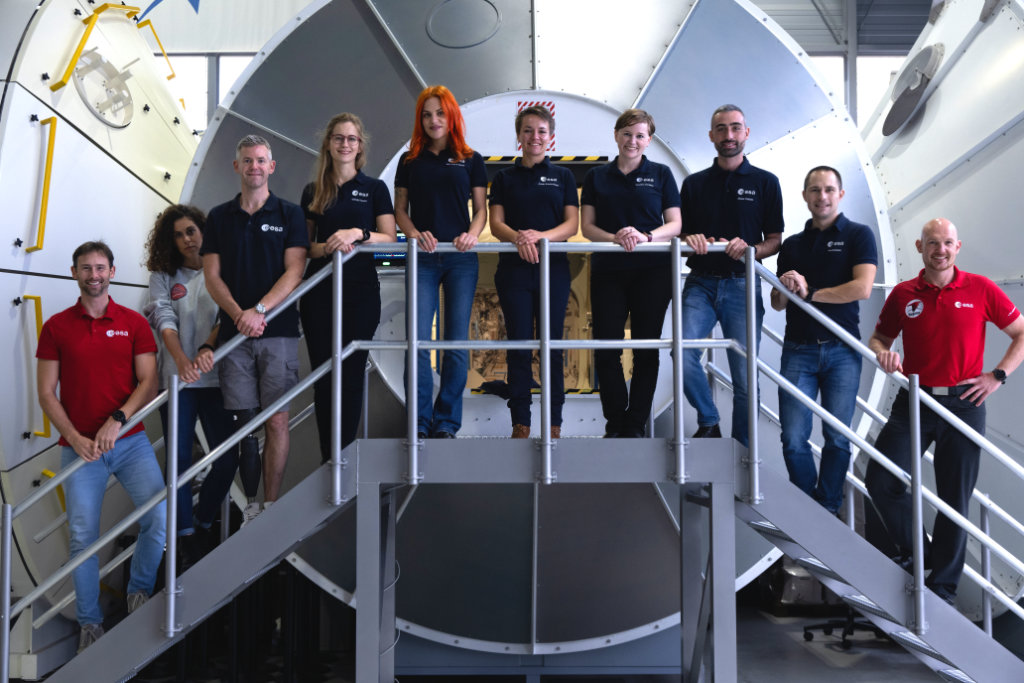
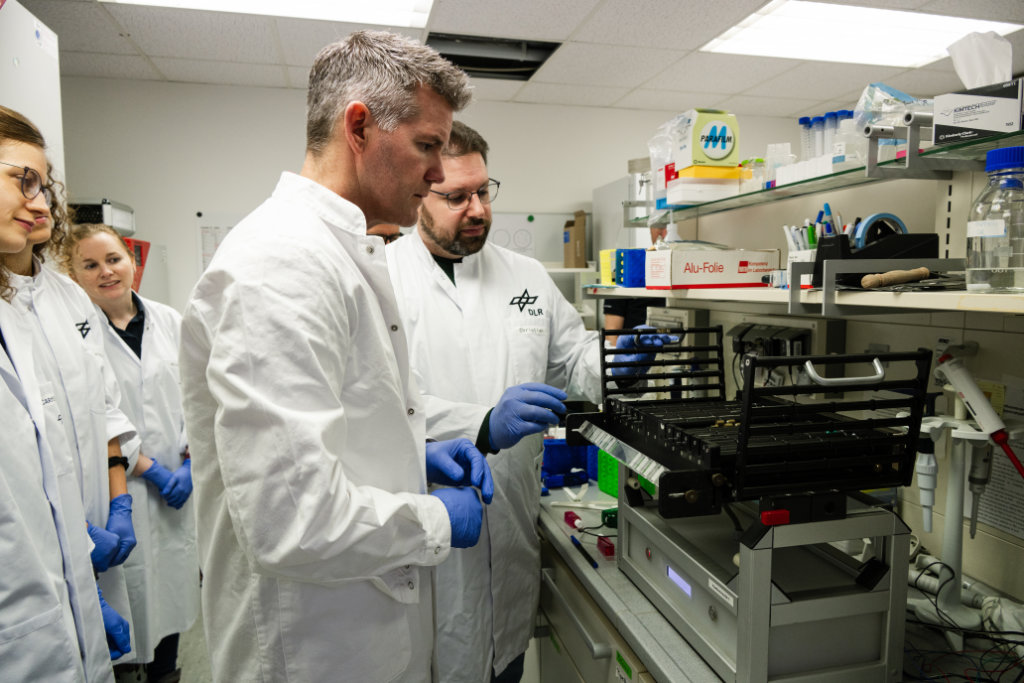
Since 2023, John McFall has been participating in training at the European Astronaut Centre in Cologne, Germany, as part of the ESA astronaut training and research programme. As a member of the ESA Astronaut Reserve and the subject of the Fly! Project, he has been preparing for future human spaceflight missions. His training activities have included practising microgravity tasks during zero-gravity parabolic flights, learning to survive in remote environments and undertaking light-aircraft flight training.
In addition to providing a space flight opportunity for the UK astronaut, the MoU establishes a broader framework for collaboration between the United Kingdom and the United States. This covers scientific research and technological development in low Earth orbit, educational initiatives and public engagement, and fostering stronger ties between Vast and the UK space sector. This will help position British industry at the forefront of future commercial space stations and the growing low Earth orbit economy.
“Seeing Vast’s work first-hand in Los Angeles made clear the scale of the commercial opportunity in low Earth orbit, and this agreement will connect UK businesses, researchers and investors to the next generation of space infrastructure.
By partnering with companies like Vast, we are backing British innovation, supporting high-growth sectors from life sciences to advanced manufacturing, and ensuring the UK is at the forefront of the emerging global space economy,” stated UK Minister for Economic Transformation Blair McDougall.
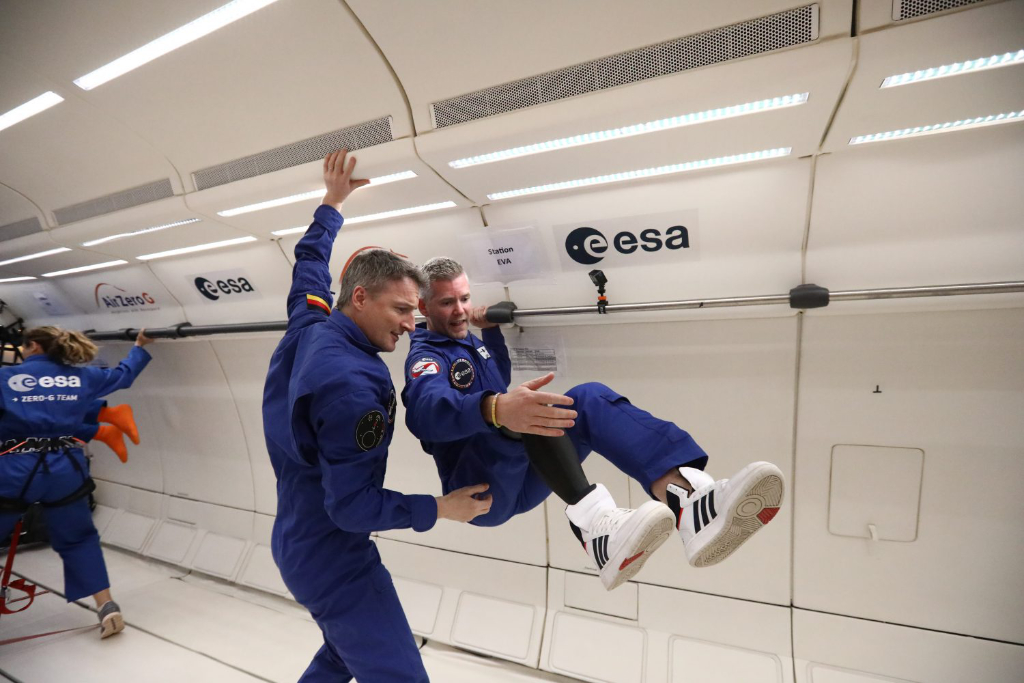
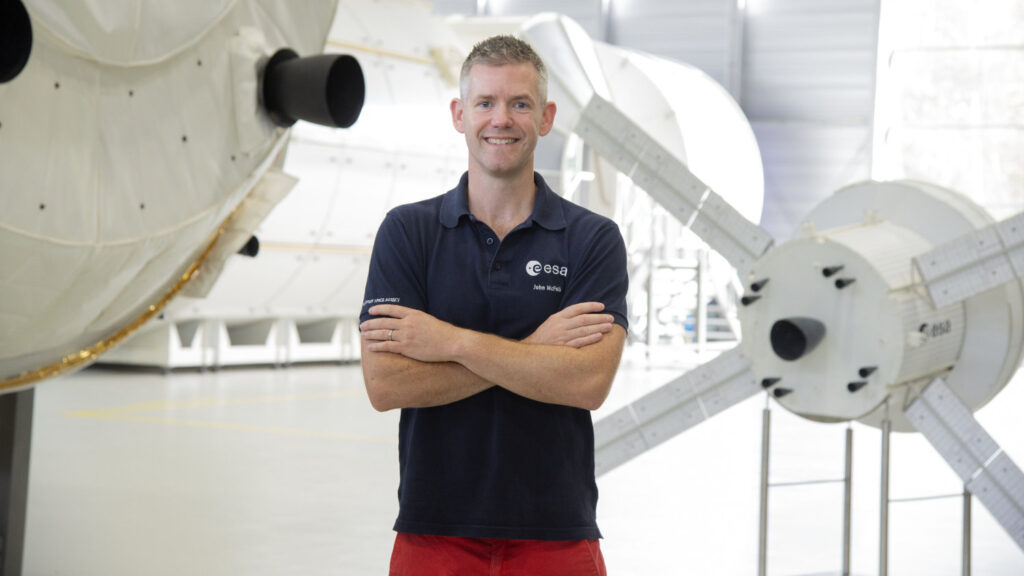
Cover photo: John McFall during astronaut training at EAC. ©ESA – P. Sebirot
UK Space Agency press materials were used.