 This year’s edition of Den ve vzduchu (Day in the Air), the biggest aviation event in the West Bohemia region, took place on 25–26 April 2026 at its regular venue, the Plasy airfield. The show attracted thousands of spectators who, taking advantage of the beautiful spring weather, were able to enjoy a three-hour flying display programme, as well as a static aviation exhibition, sightseeing flights and numerous additional attractions for the whole family.
The aviation event in Plasy already has a history spanning over twenty-five years and has become the traditional opening event of the new air show season in the region. As every year, the programme of Den ve vzduchu was designed in a comprehensive way to include a broad range of aircraft – from modern combat jets, through iconic warbirds and aerobatic specials, to gliders and aeroclub aviation. It is worth emphasising that, despite being a regional show, the event brings several premiere displays every year, not only on a national but also on a European scale.
As every year, the gates of the Plasy airfield opened at 09:00 hours, inviting visitors to enjoy a variety of side events and warm-up attractions. These, as aforementioned, included several attractions for children and families, promotional stands of partner companies and sponsors, as well as an exhibition by the Czech Armed Forces.
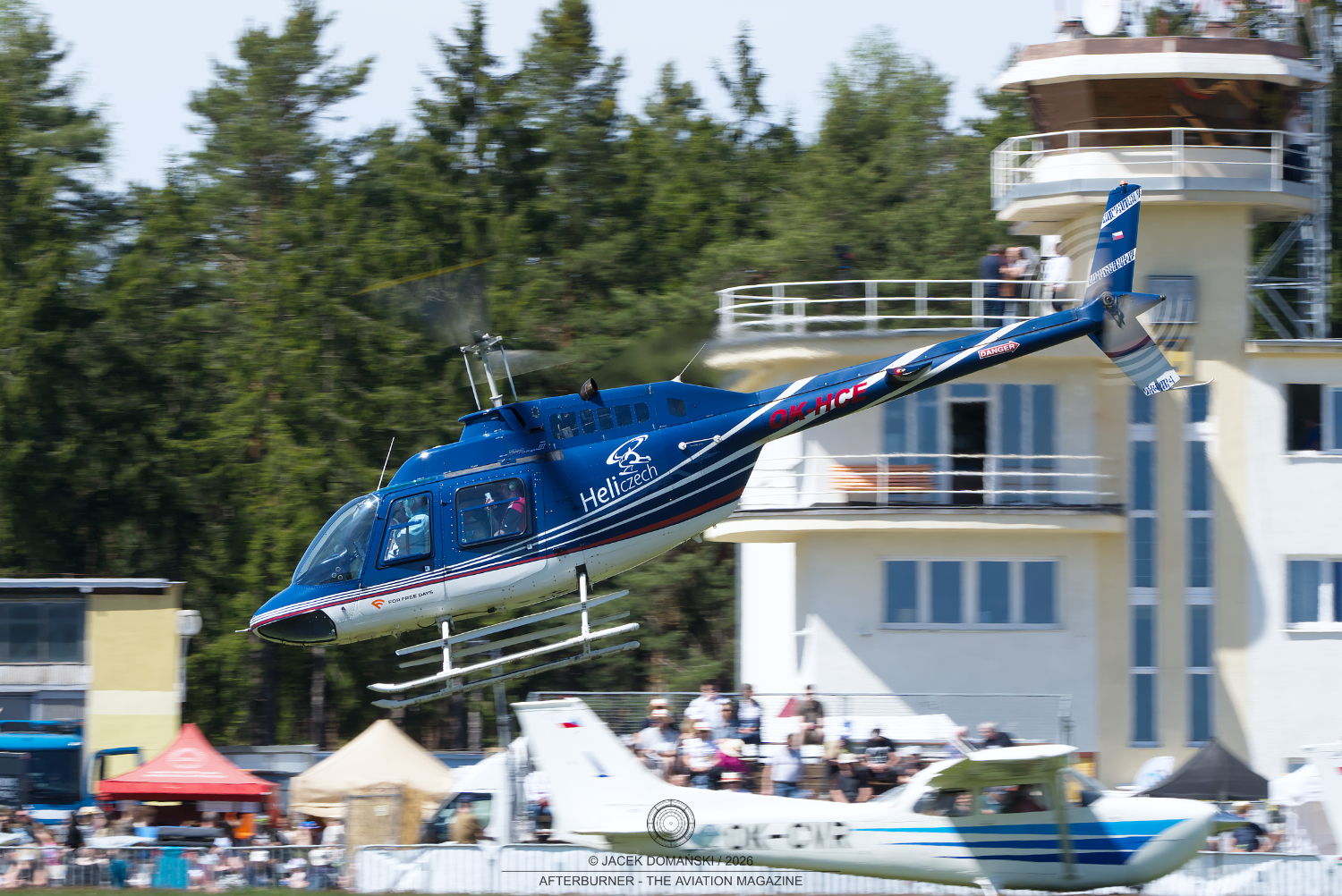
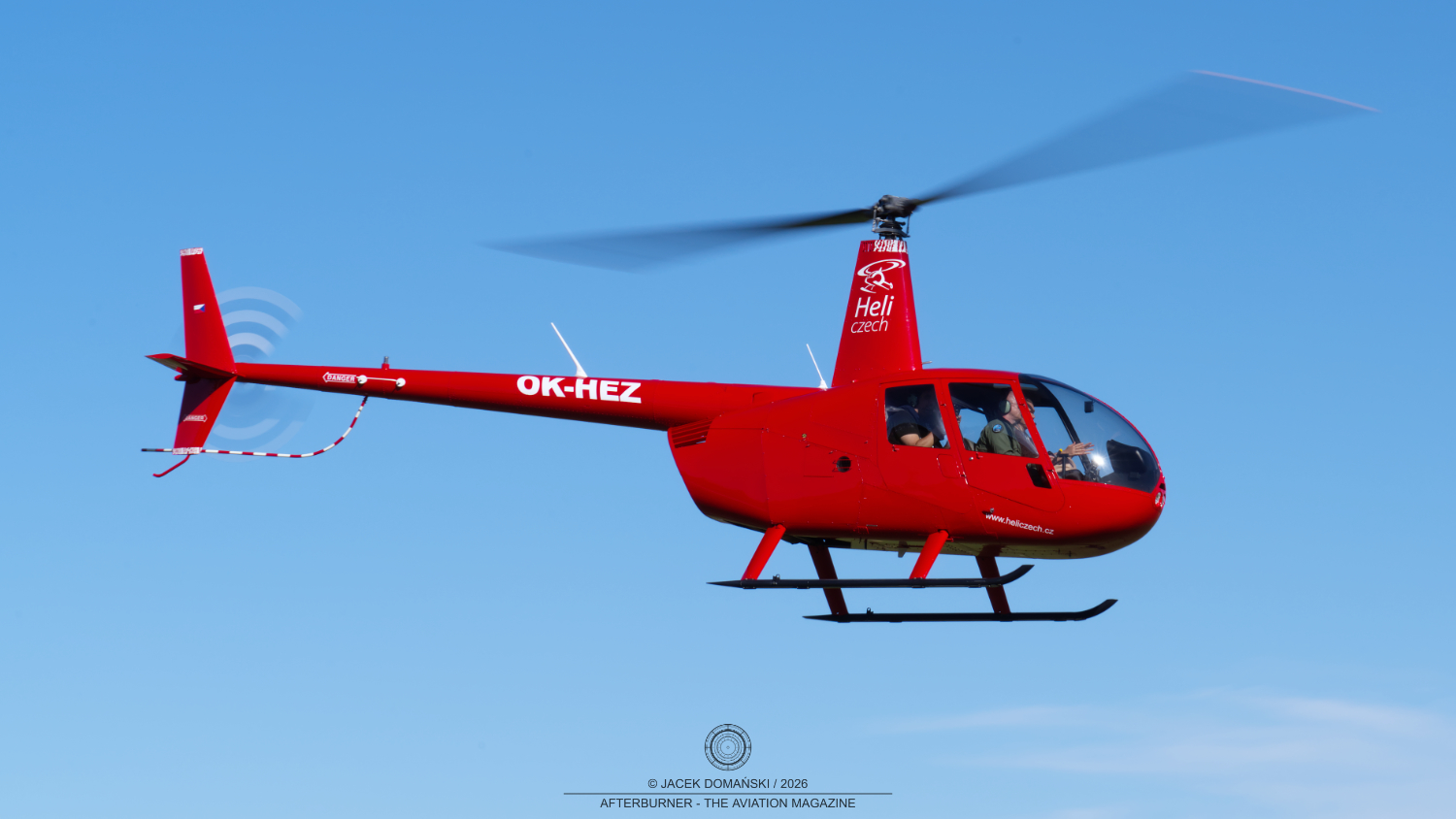
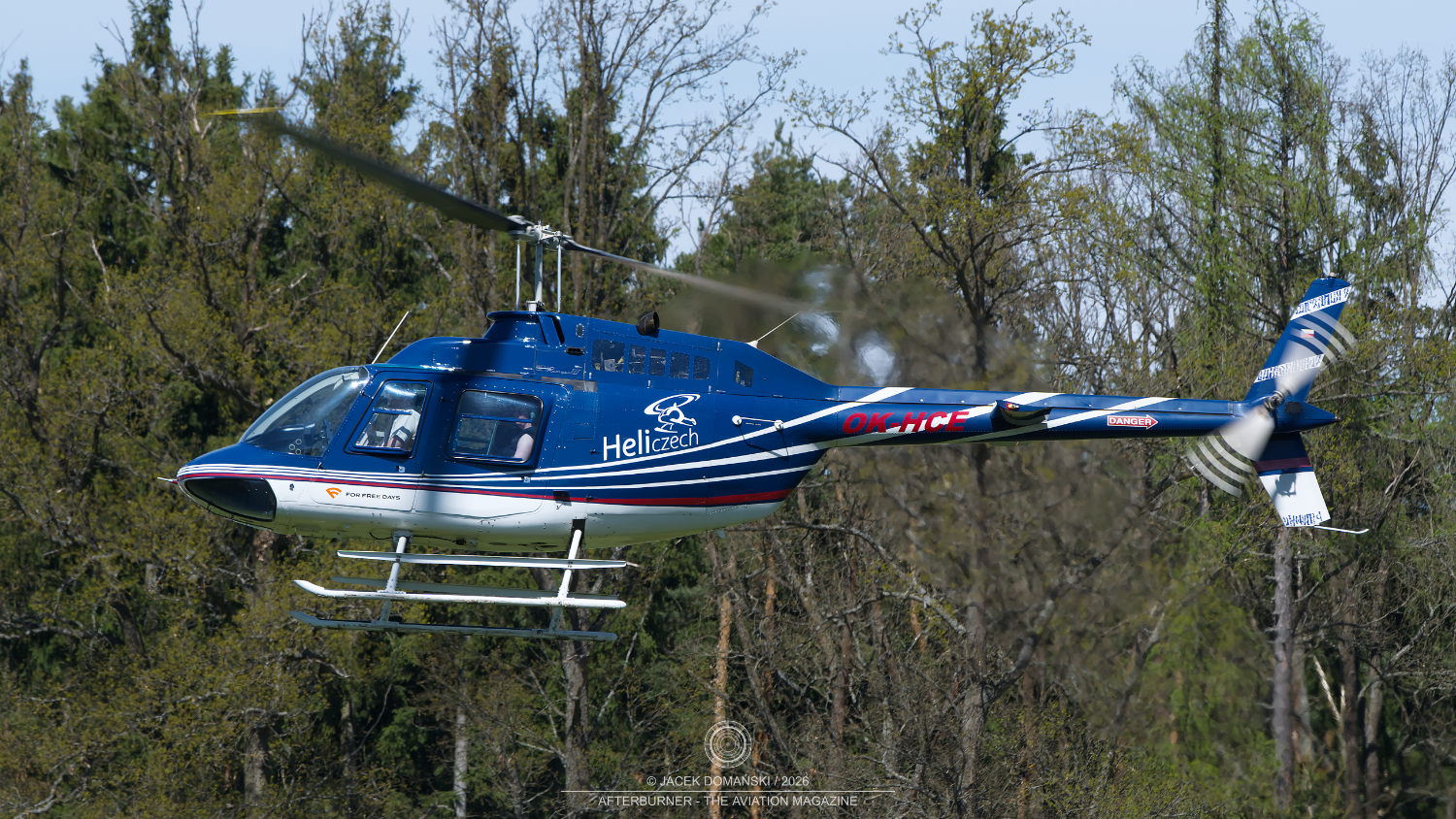
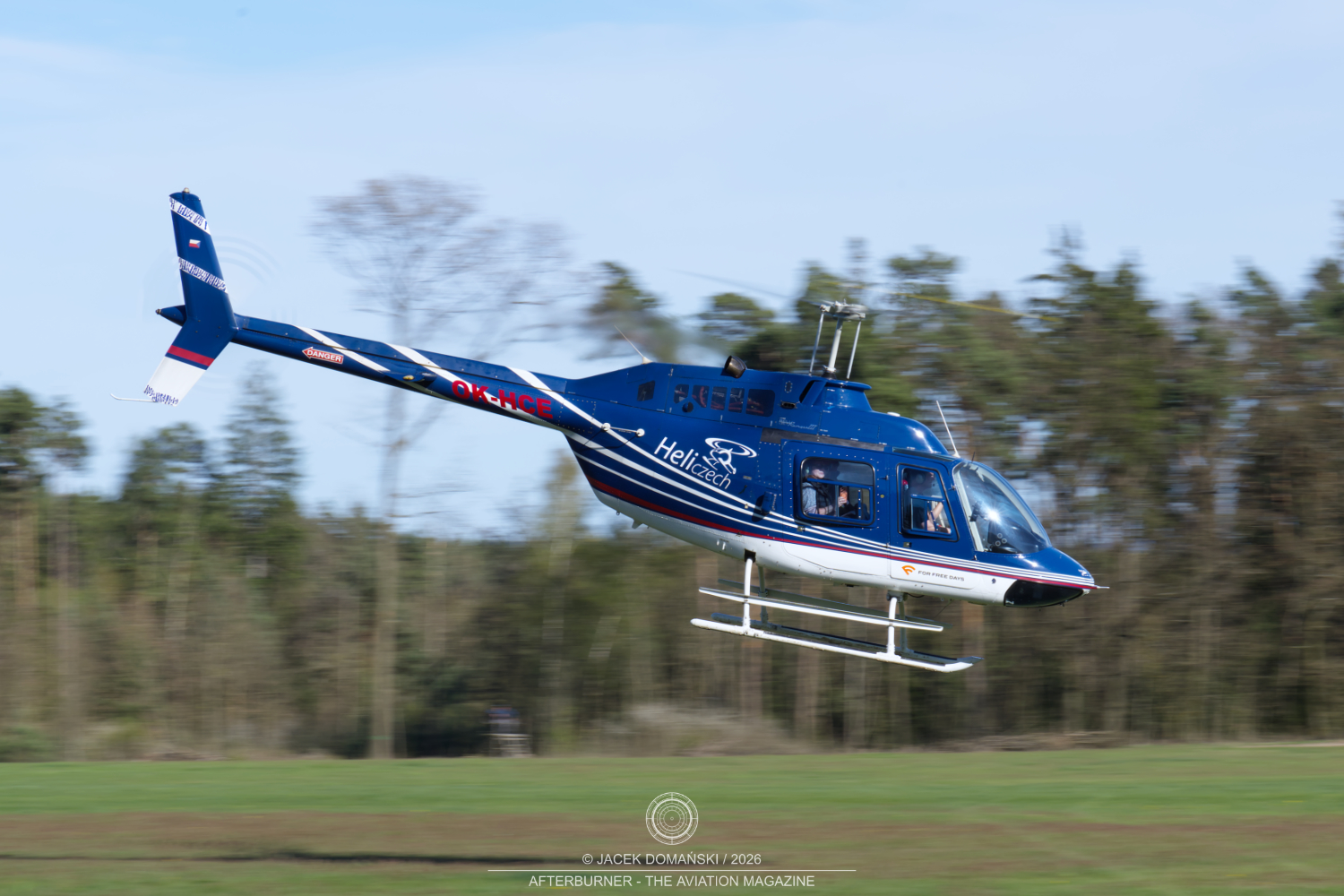
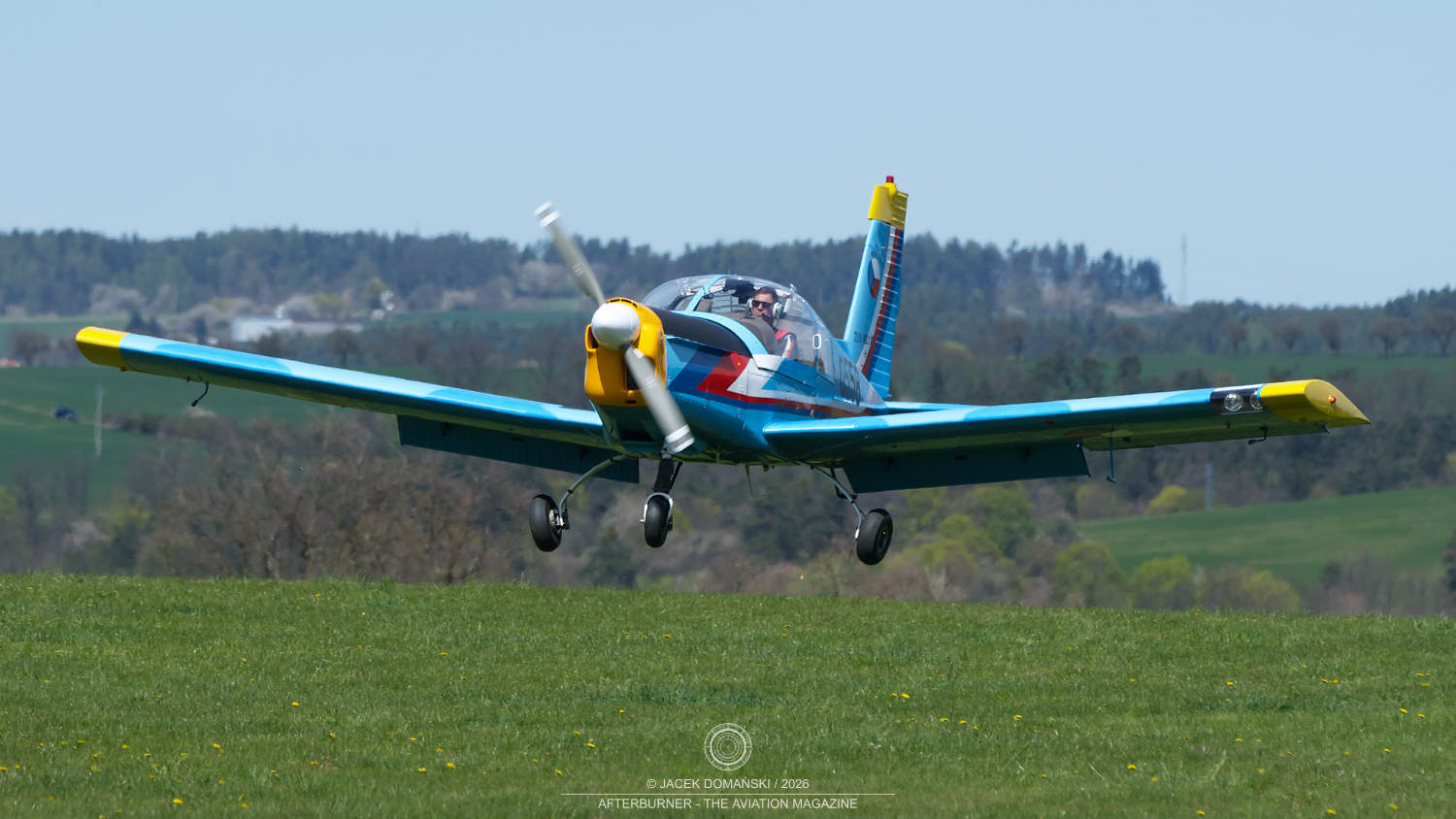
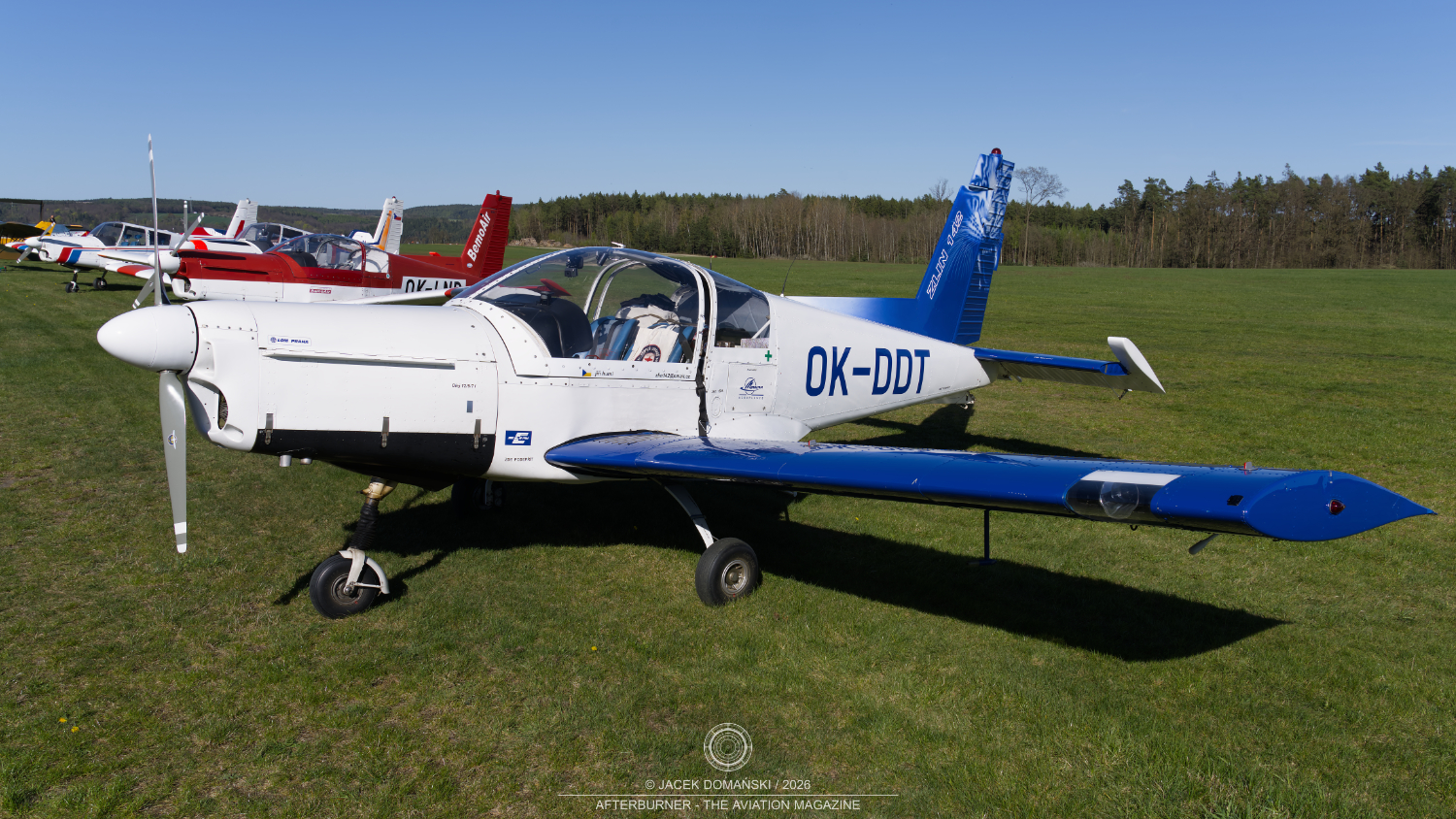
Among the activities that attracted special interest were the sightseeing flights. They were offered from the early morning hours and enjoyed unwavering popularity throughout the day. Those who wanted to see the picturesque town of Plasy and its surrounding countryside from the air could choose between aeroplane and rotorcraft flights. The aircraft available for these flights included the Cessna 172, the Zlín Z-43 and Z-142, and the Piper Cherokee, provided by local aeroclubs, while the Robinson R44, MD 500E and Bell 206B helicopters belonged to the well-known Heli Czech company from Hradec Králové.
Sightseeing flights at Plasy show seem to be growing in popularity, attracting more enthusiasts every year. This was evident not only from the number of aircraft involved but also from the fact that the flights continued long after the conclusion of the flying programme. Several people were also seen returning to the gate for another flight, as one flight was not enough for them.
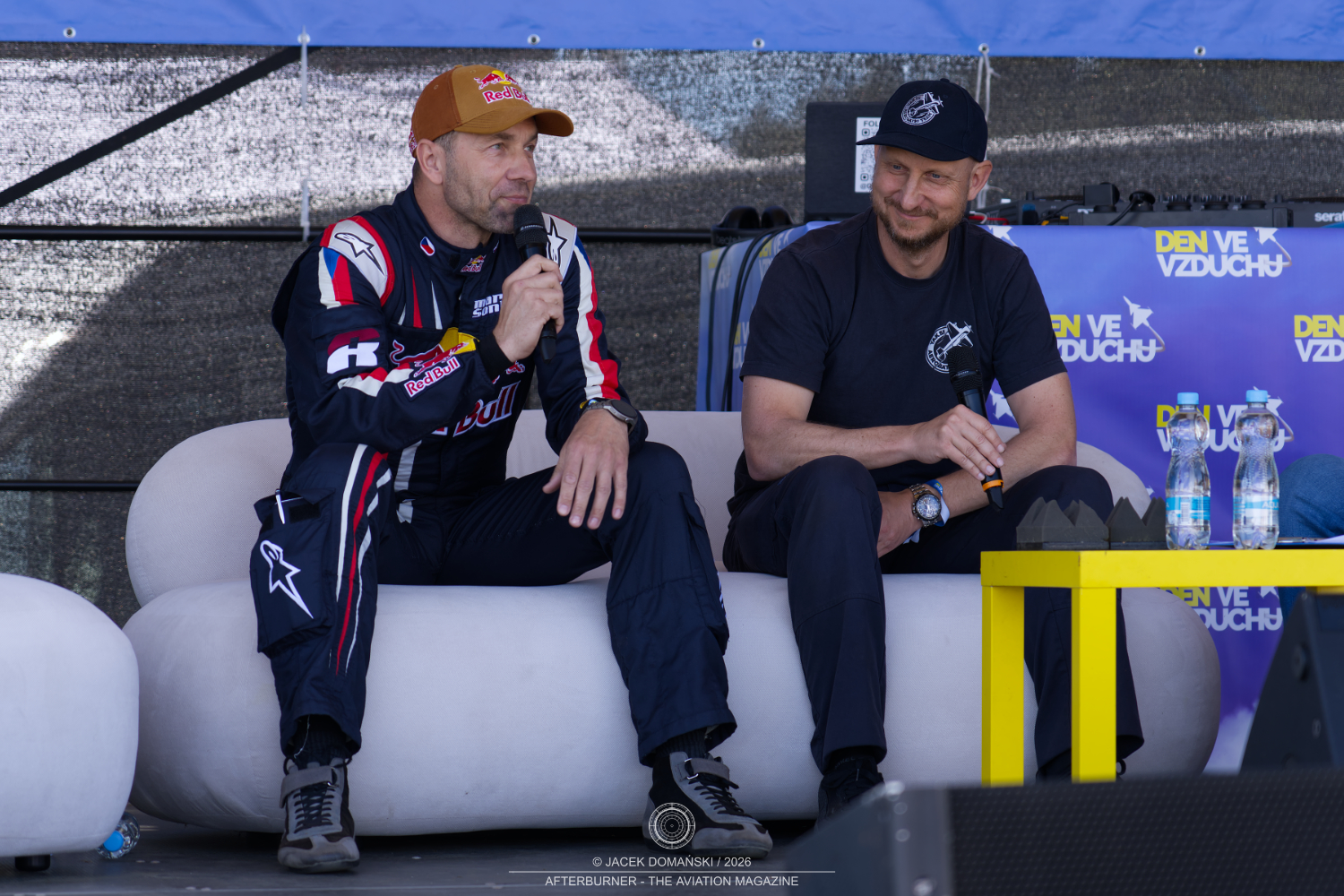
The morning programme also included several interviews with pilots participating in the show. Among them were Tony De Bruyn (Bronco Demo Team), Jiří Podolský (Heli Czech), Marcello “Ted” Tedeschi and Attilio “Attila” Tarabusi (TTake Aerobatic Team), as well as the Czech aerobatic pilots Martin Šonka and Petr Františ.
Visitors could also take part in the Kahoot Quiz, an aviation-related competition organised several times throughout the day, with the chance to win a familiarisation flight.
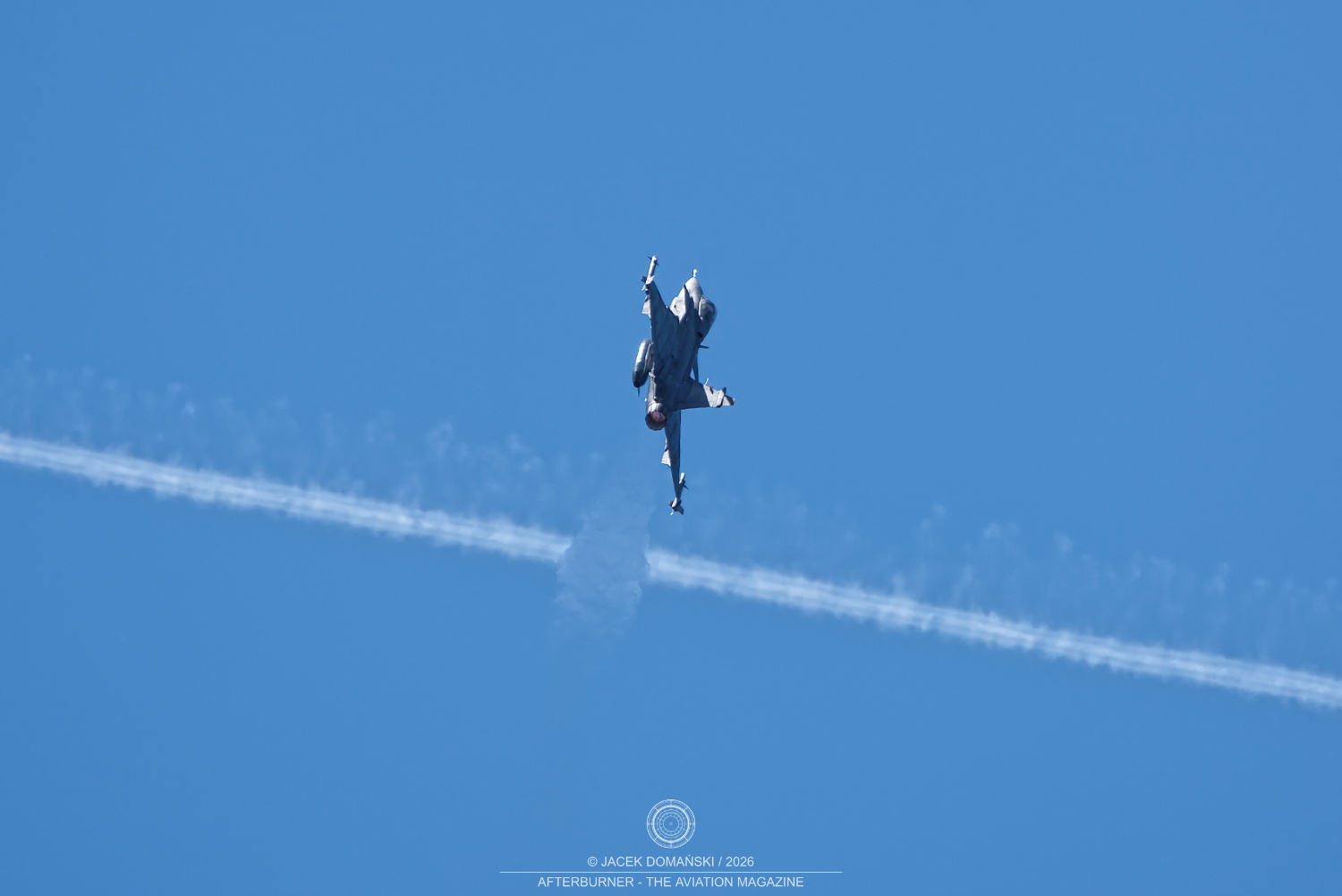
The flying programme commenced at 13:20 hours with a flypast by two Saab JAS 39C Gripen fighter aircraft of the Czech Air Force. Although the Gripen display always belongs among the most eagerly anticipated attractions at domestic air shows, this time the presentation of the Czech Air Force’s most advanced combat aircraft was very short and practically limited to two quick passes over the runway.
The Gripen display was definitely one of the show’s untapped opportunities; however, this was completely beyond the organisers’ control. The Czech Air Force recently decided to significantly reduce its display activity, including the cancellation of the JAS 39 solo display for the 2026 season. Consequently, the Gripen flypast was all the air force could offer domestic spectators gathered at the Plasy airfield.
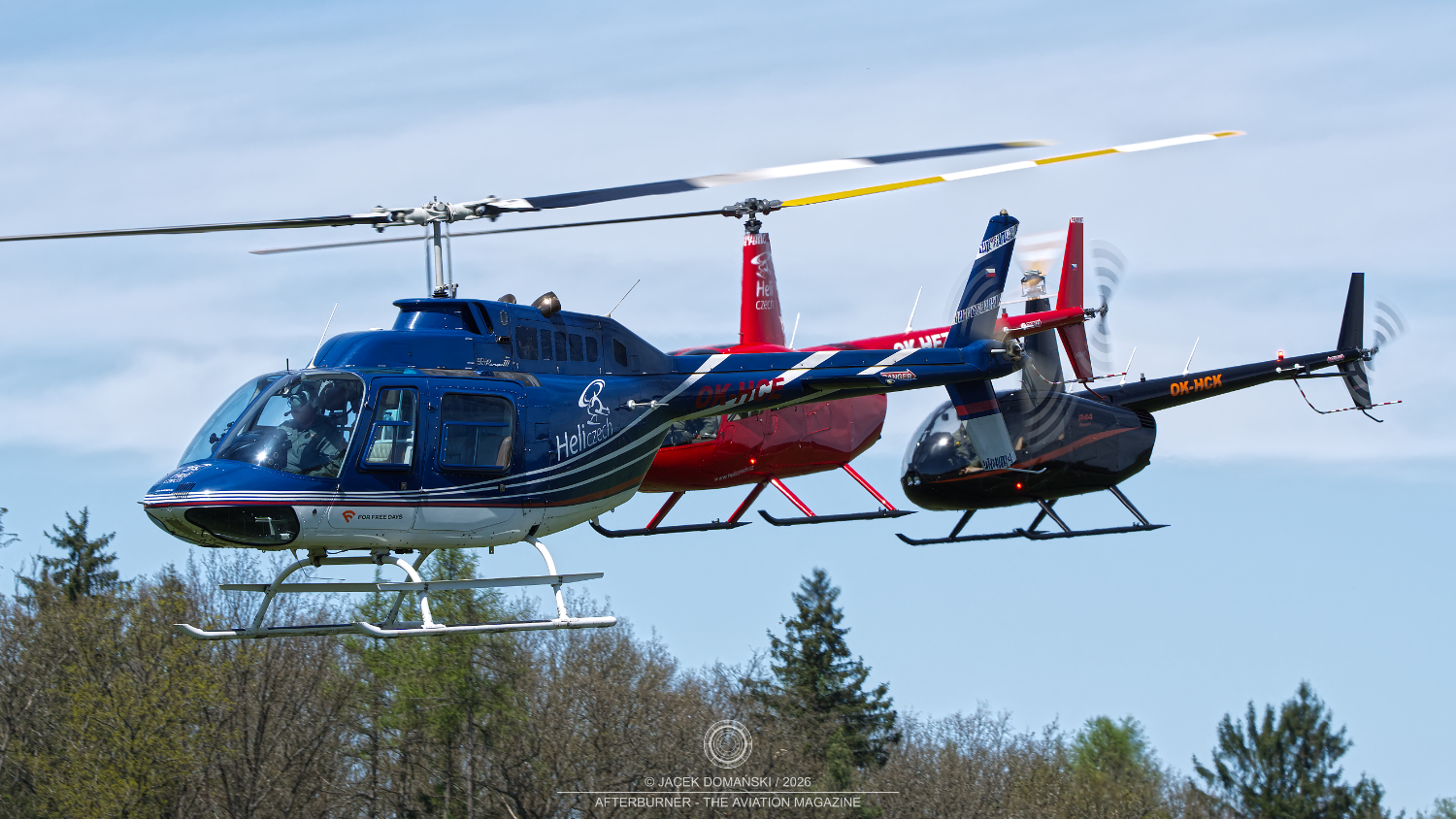
A group rotorcraft display, which came as the second show of the day, was without doubt one of the event’s highlights. The aforementioned Heli Czech company presented three of its helicopters – the Bell 206B JetRanger III, Robinson R44 Raven II and Robinson R44 Raven I – in an eye-catching and dynamic team display. That unique synchronised dance of three rotorcraft was not only an amazing spectacle but also further increased interest in sightseeing flights.
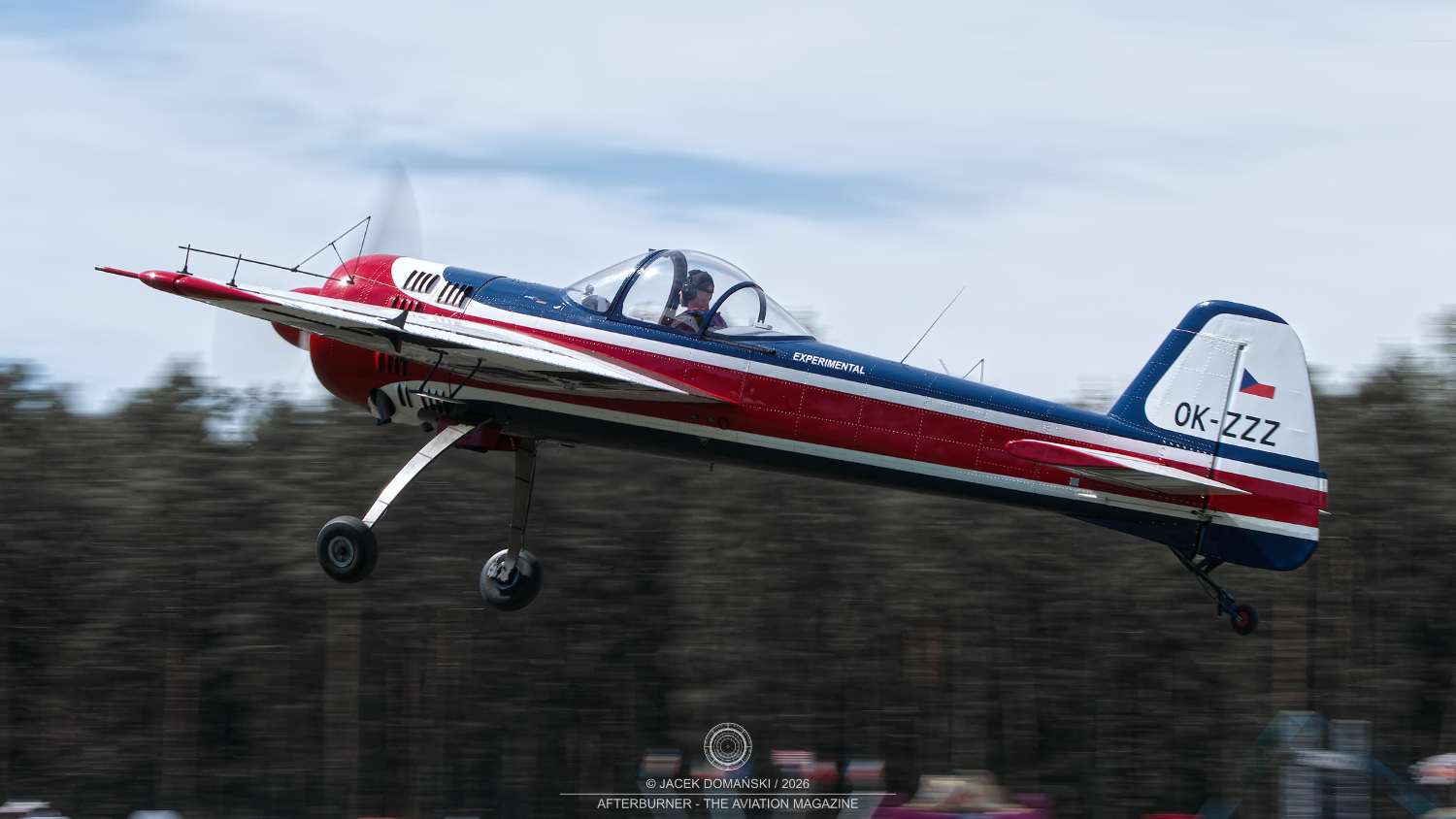
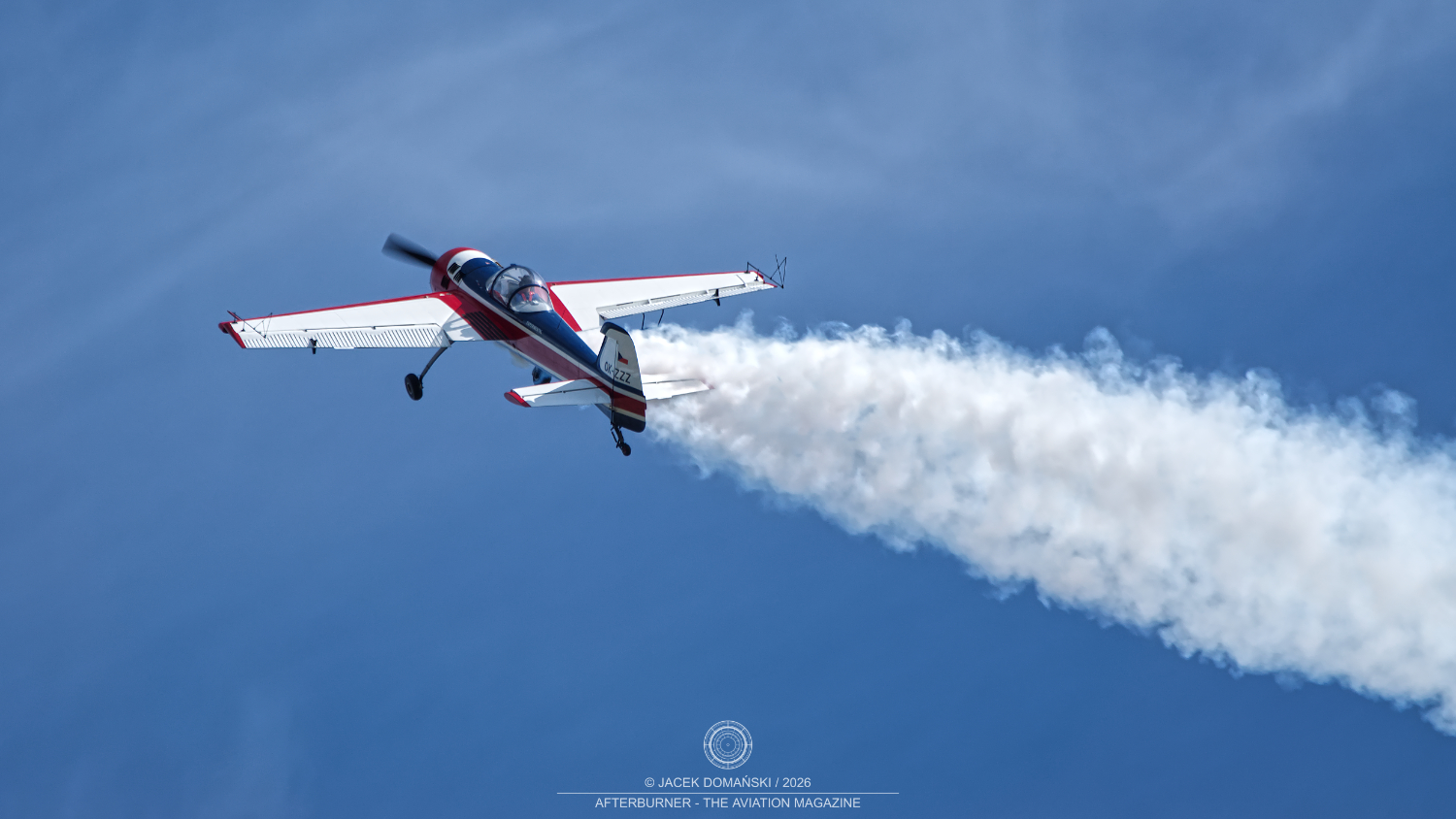
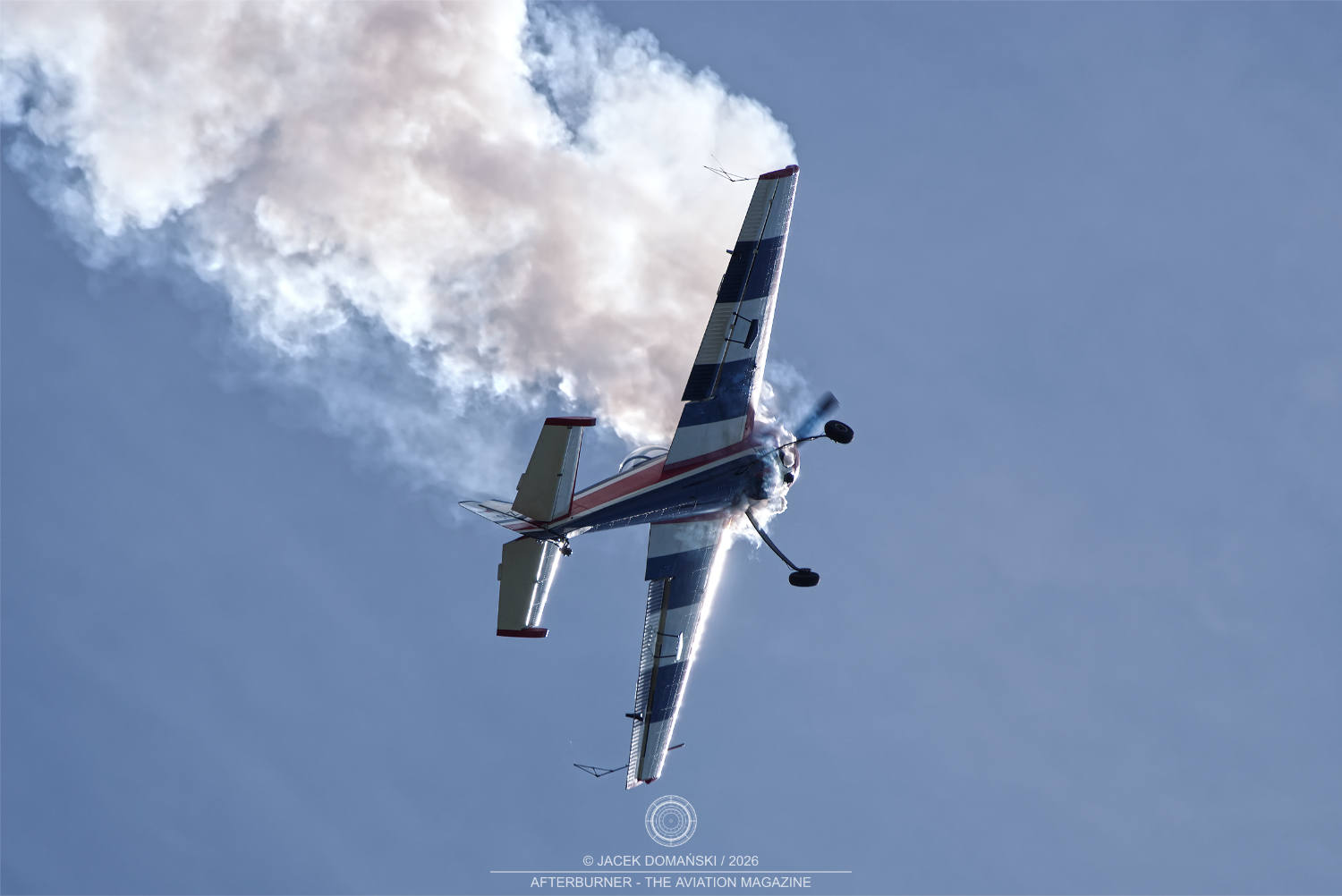
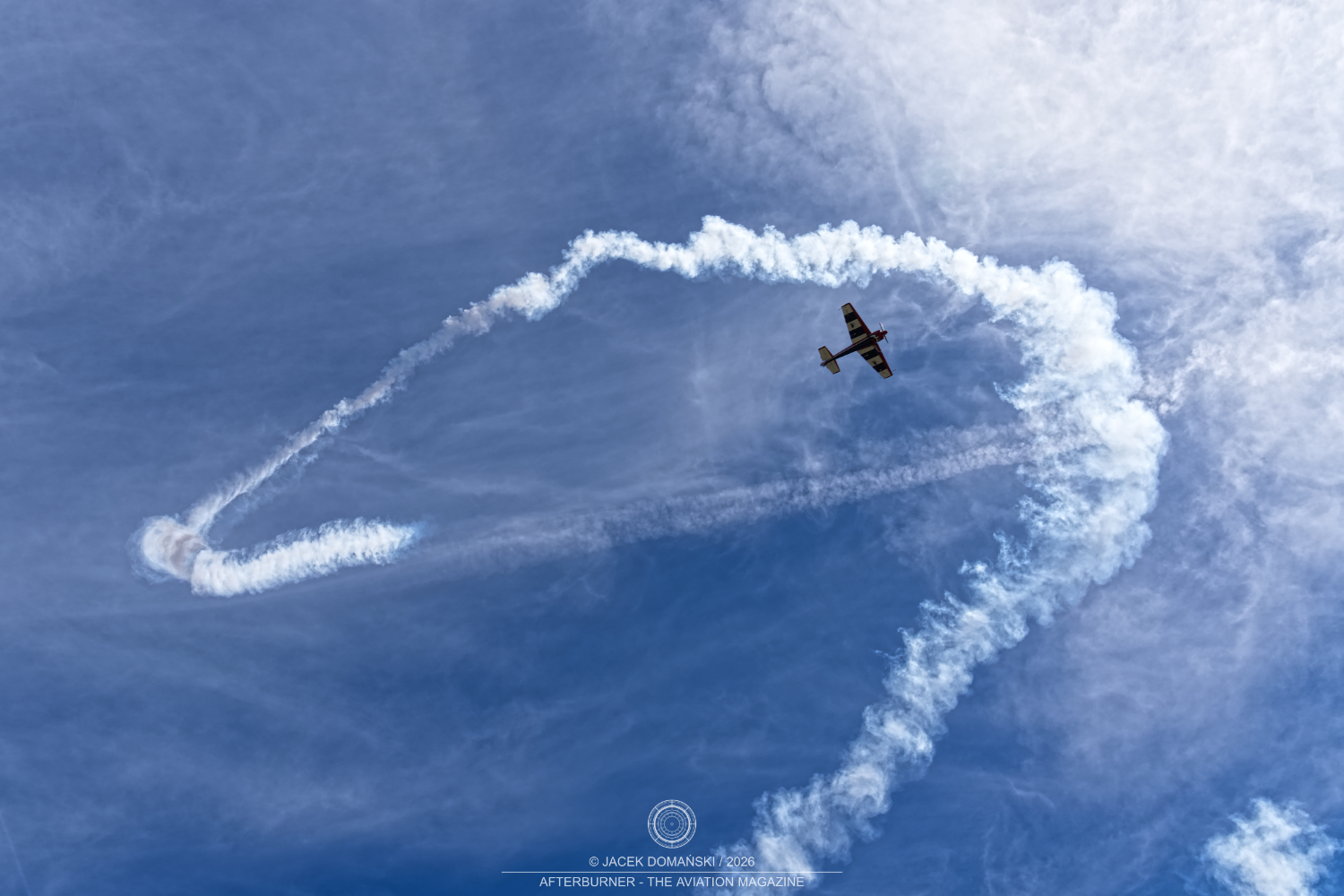
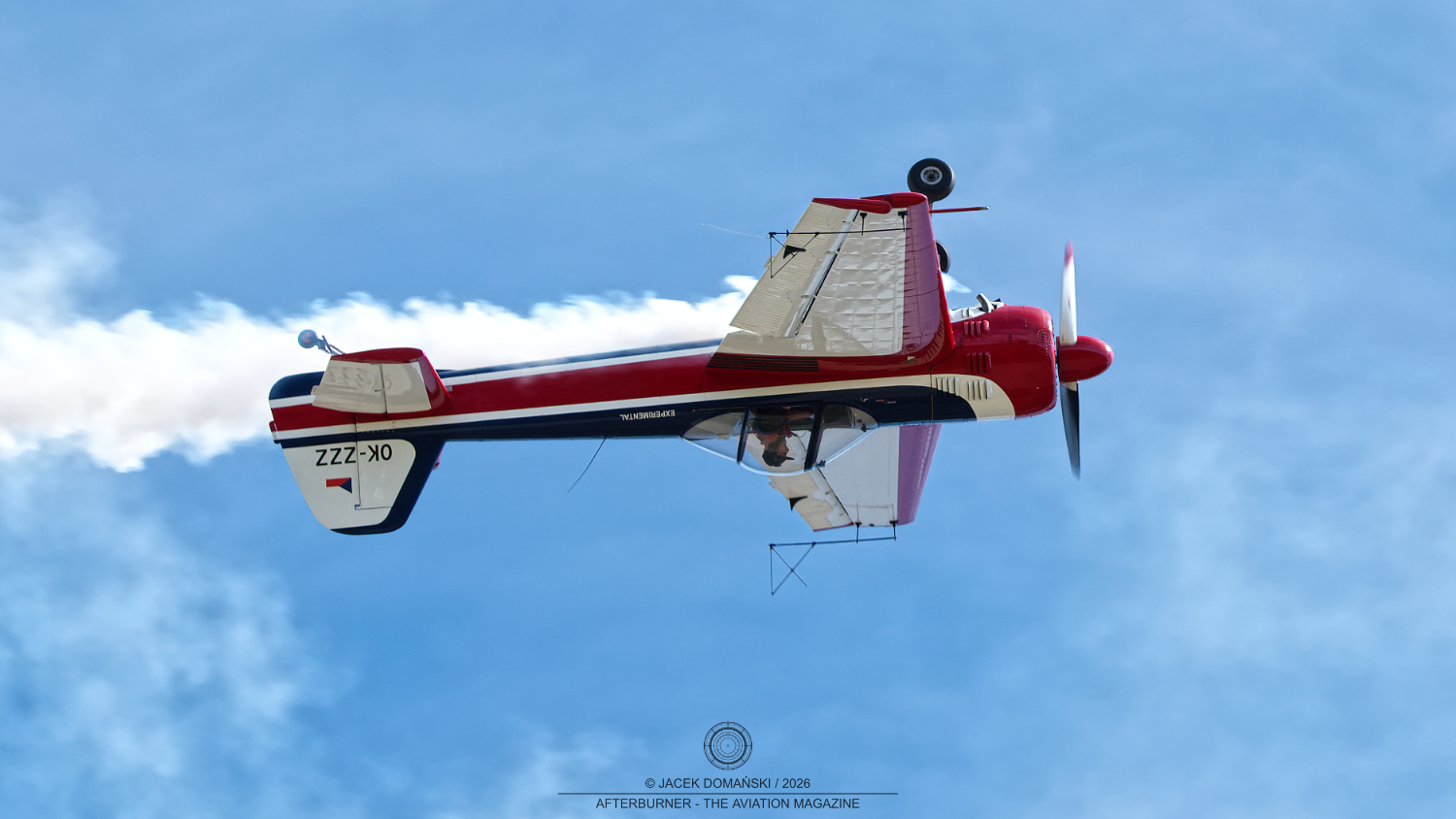
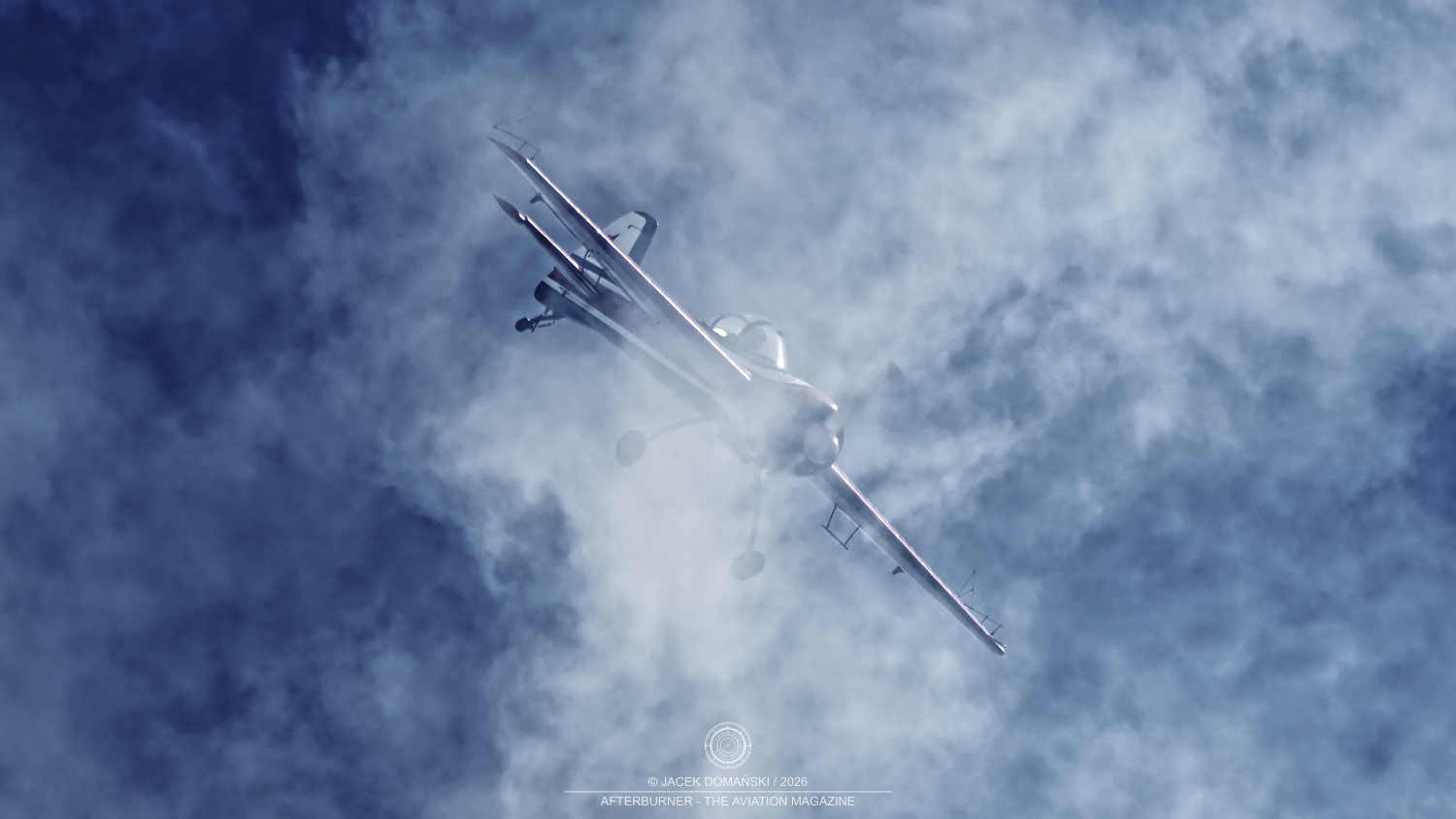
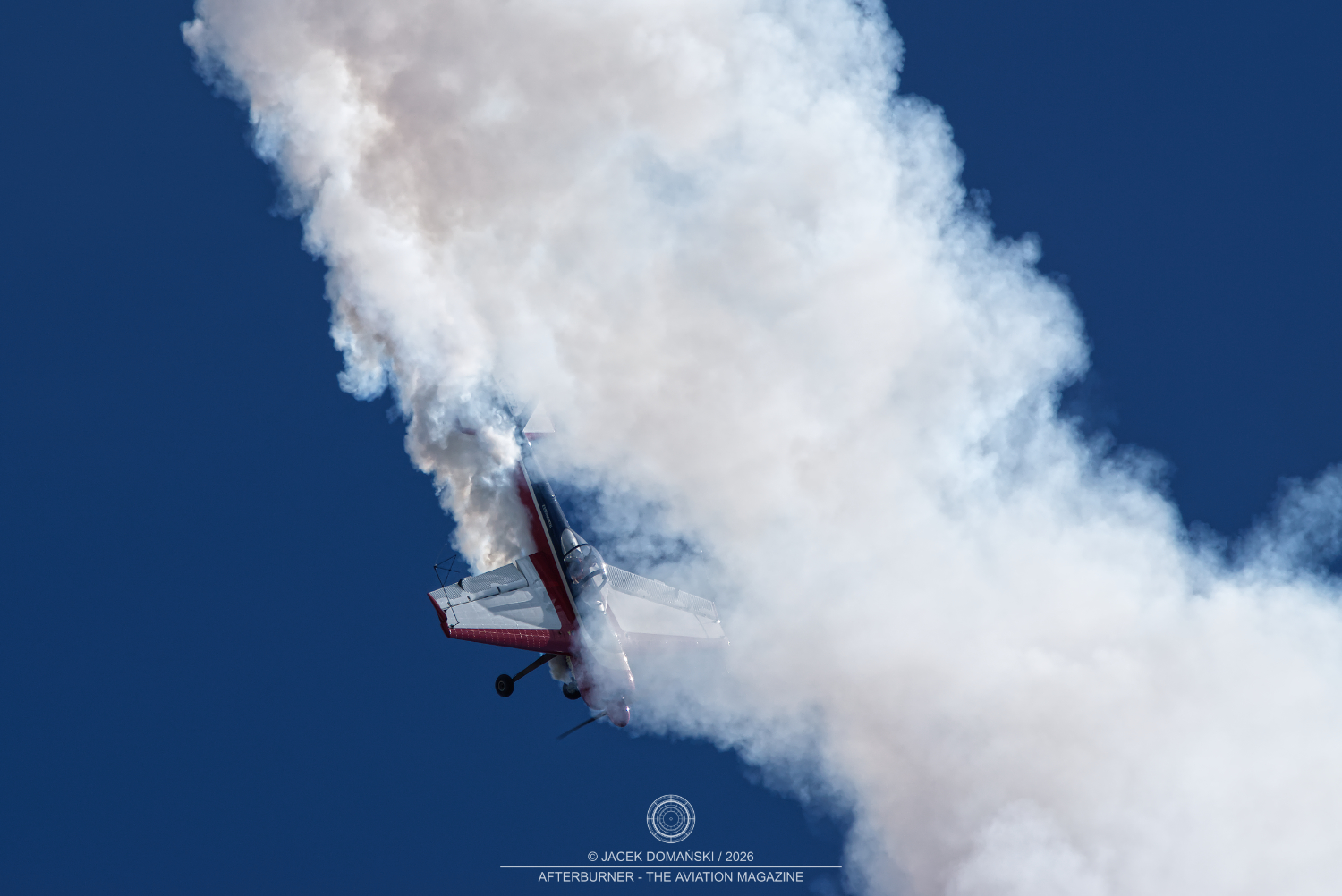
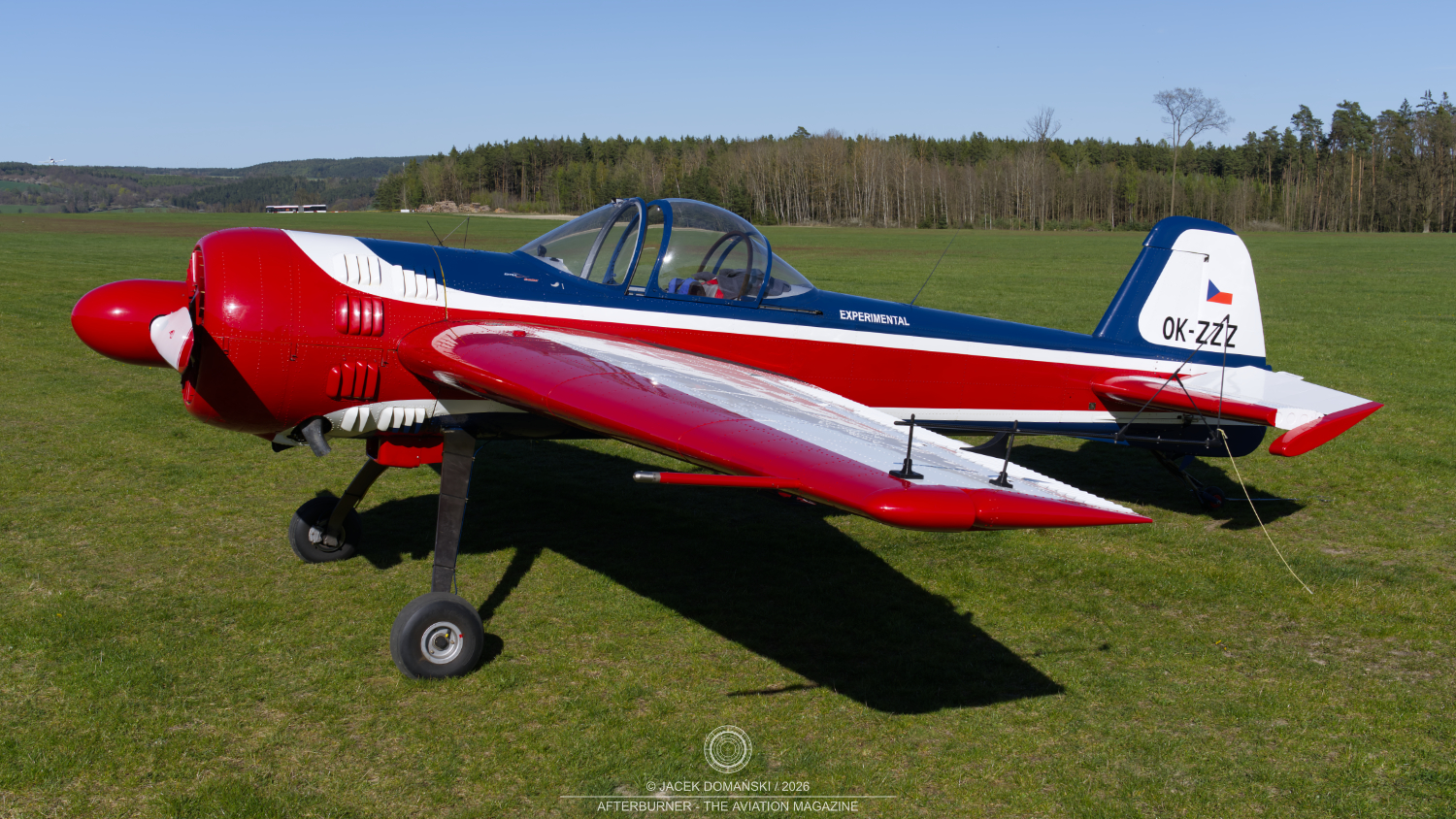
The sound of helicopter engines had barely faded when the first aerobatic special took off into the skies over Plasy – the Yakovlev Yak-55 with Petr Františ at the controls. Although the radial-engine-powered aircraft represents an older approach to aerobatic aircraft design, popular in the 1970s and 1980s, in the hands of an experienced pilot it can still perform a breathtaking display. And that was exactly the case in Plasy, where Petr Františ pushed the Soviet aeroplane to its limits in a spectacular performance.
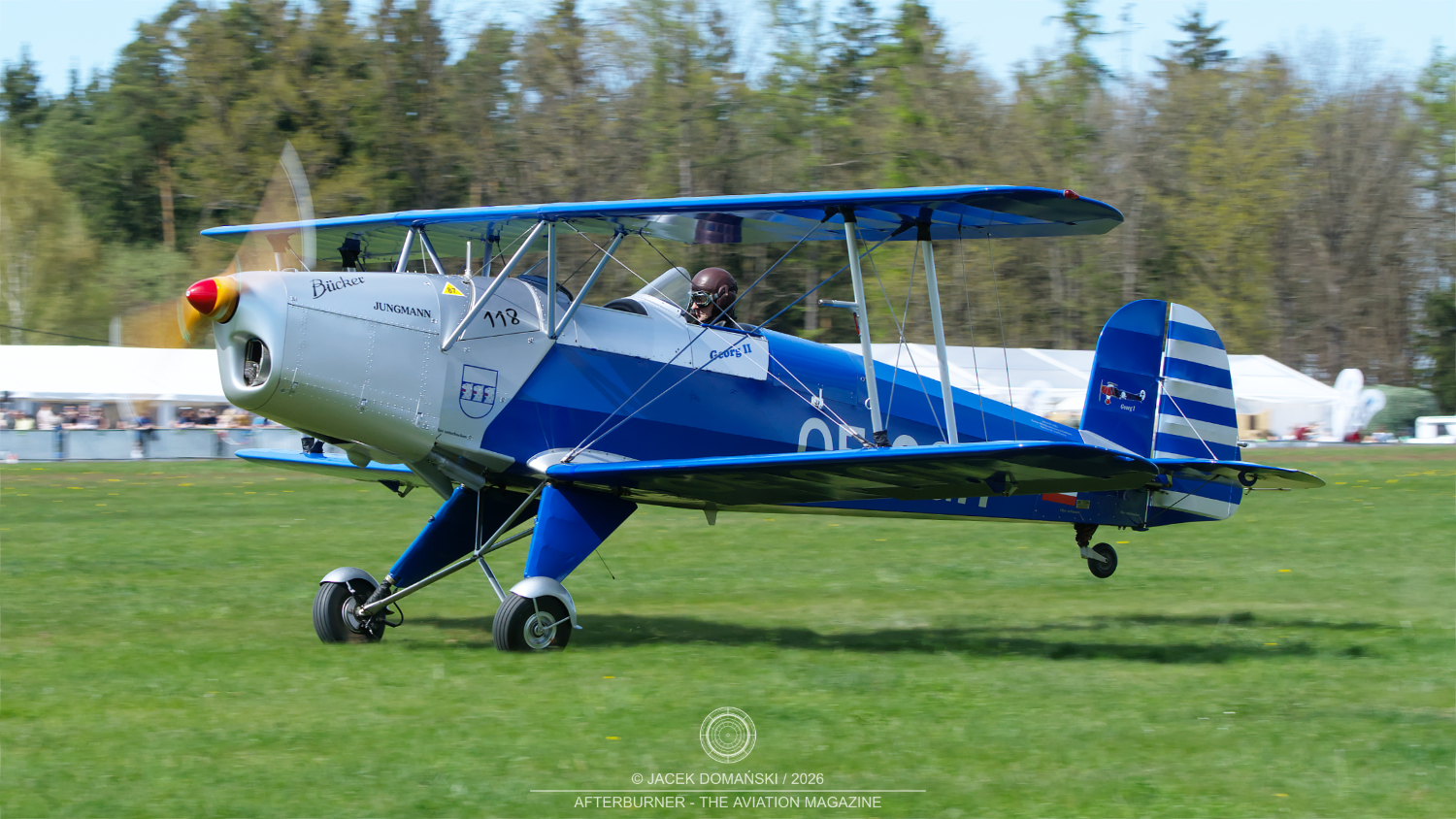
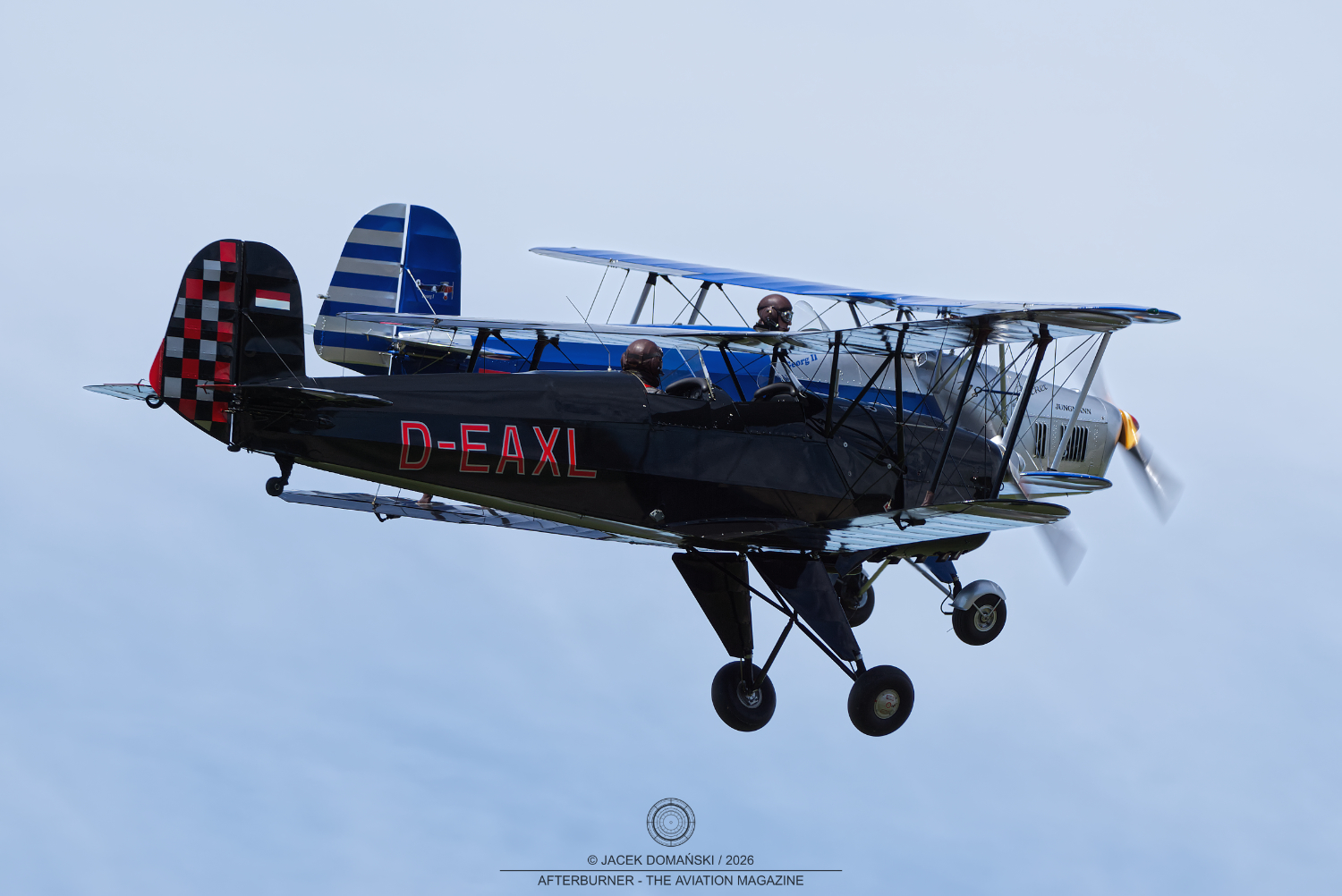
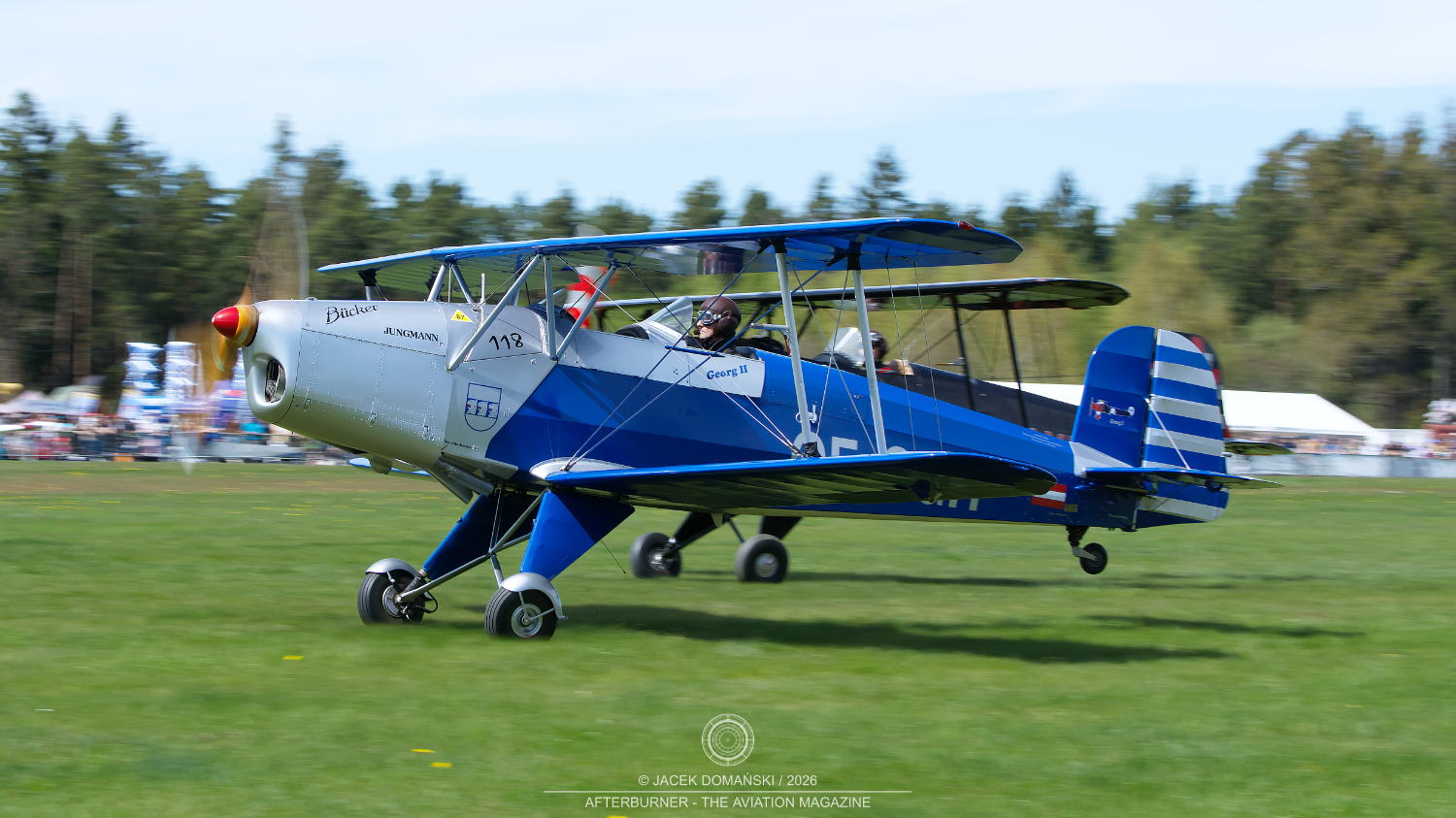
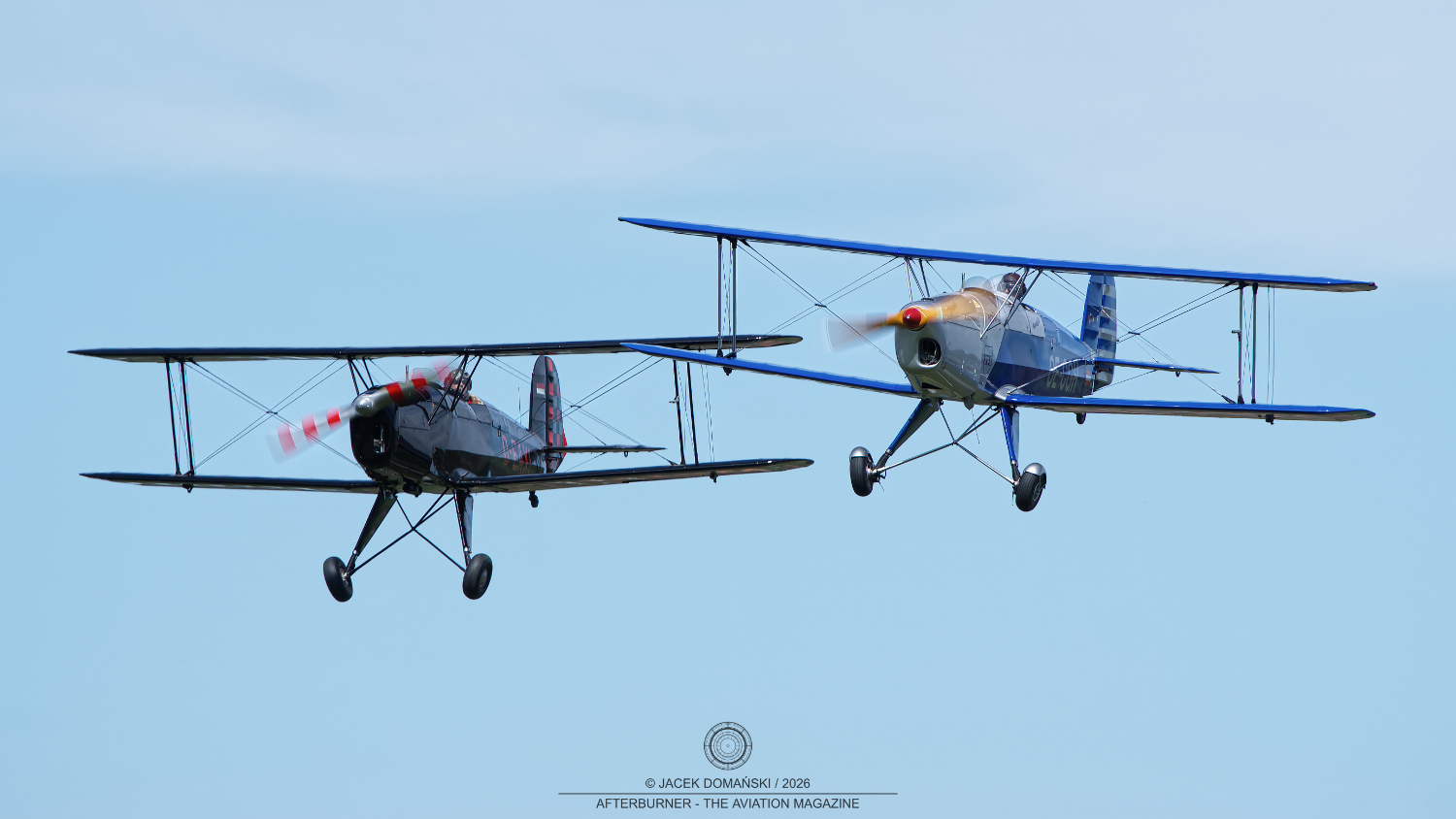
Then the skies over Plasy Airfield were taken over by two classic biplanes belonging to the Bücker Bü 131 Jungmann family, a popular German training aircraft from the 1930s and 1940s. The Bü 131 team previously participated in the 2024 edition of Den ve vzduchu, performing a display in a three-aircraft formation. This year, the formation was planned to be expanded to four biplanes; regrettably, due to technical reasons, only two of them made it to the show.
Nevertheless, the duo consisting of the Tatra T-131PA (a replica of the licensed Czechoslovak version of the Bü 131) and the CASA 1.131E (the Spanish-built variant of the biplane) performed another interesting display that showcased the exceptional agility and elegance of this highly successful training aircraft. The biplane display was then continued with a solo performance by the T-131PA.
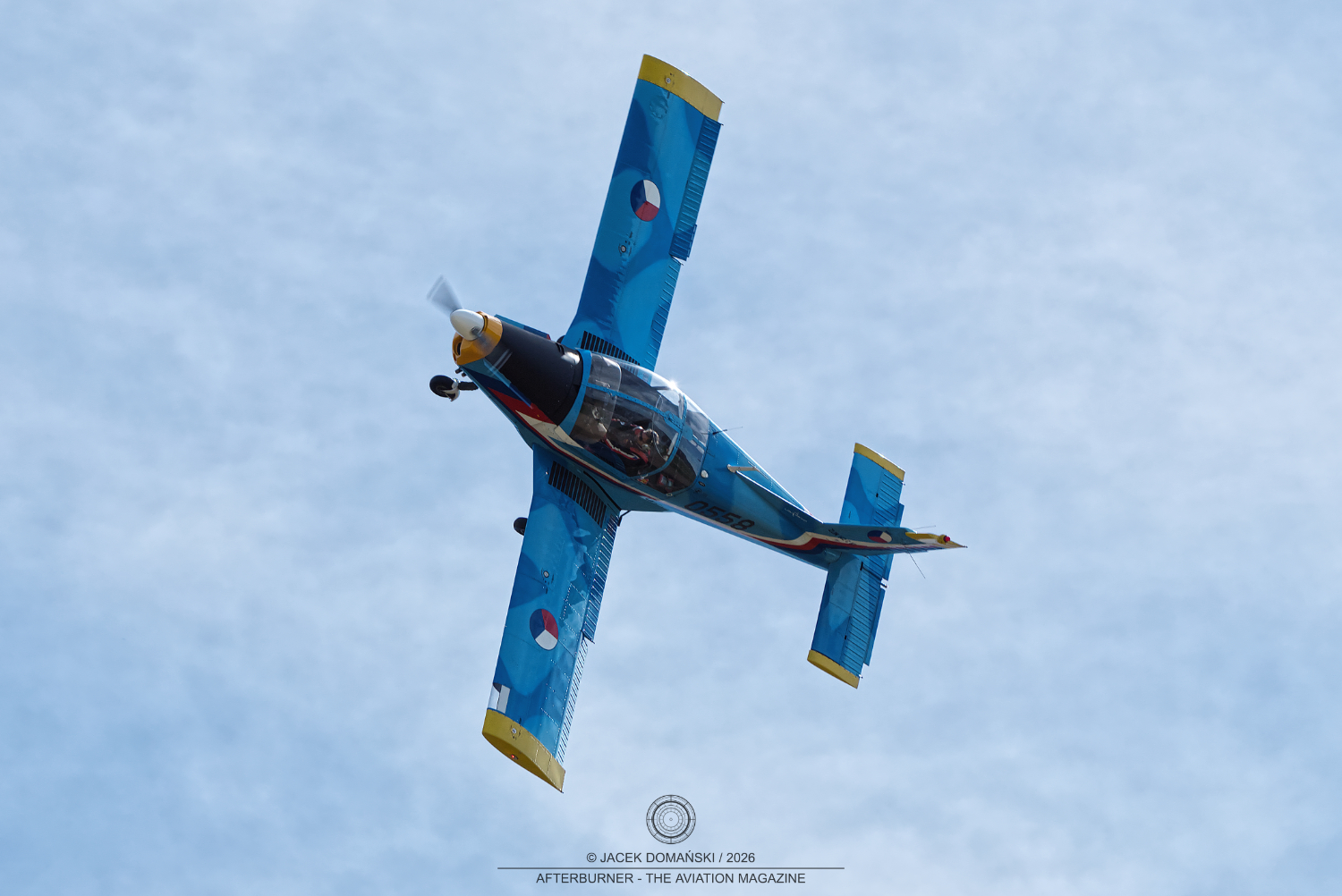
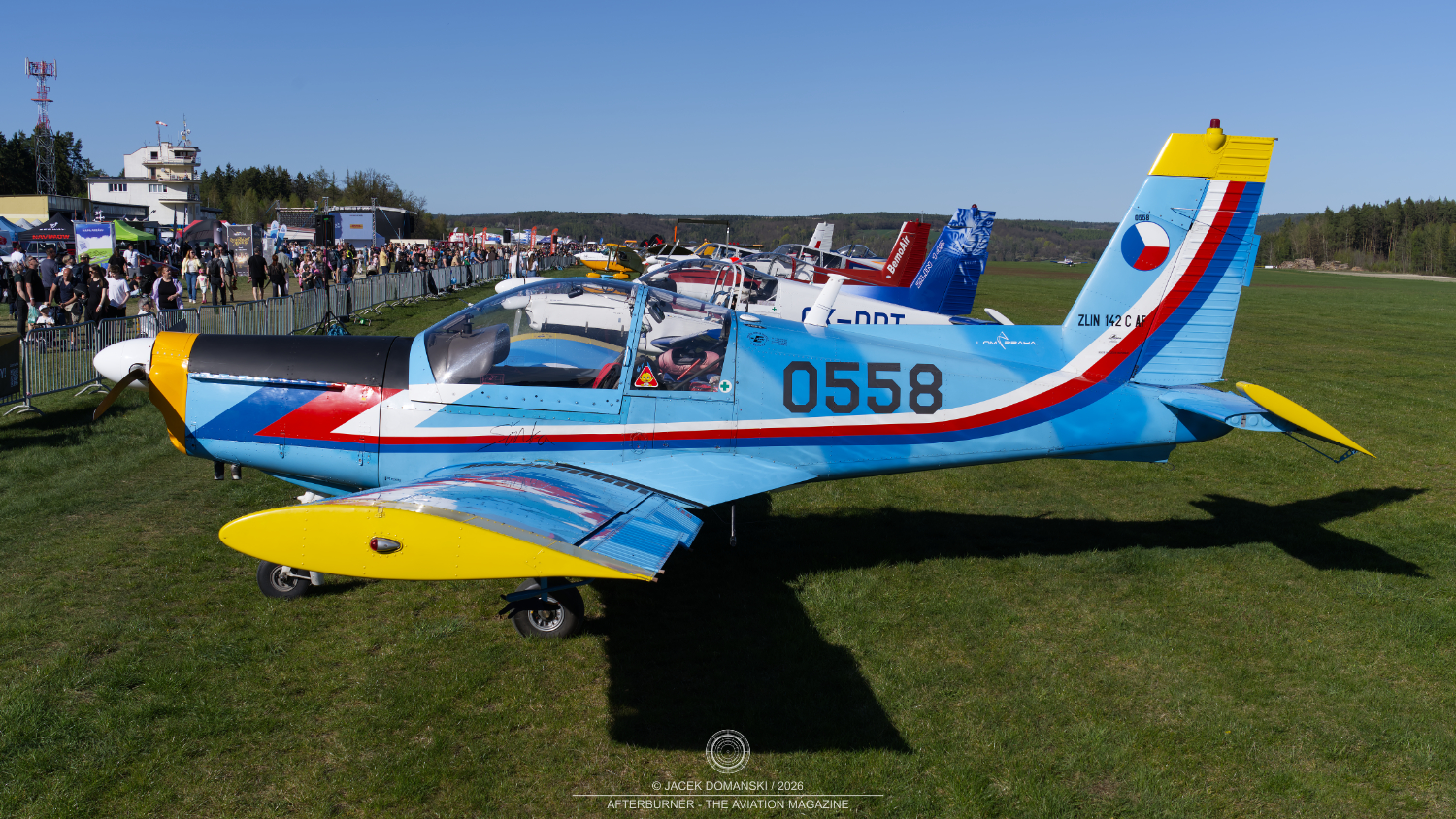
The flying display programme continued with the first solo performance by Martin Šonka, the renowned Czech aerobatic pilot. In 2020, the World Champion of the Red Bull Air Race series joined the flight instructor team of Centrum Leteckého Výcviku (Flight Training Centre – CLV) in Pardubice and therefore his first display in Plasy was performed with the Zlín Z-142CAF, an aircraft belonging to the CLV fleet.
Initially, it had been planned that Šonka would come to Plasy with one of CLV’s newest acquisitions, the Zlín Z-242 Zeus training aircraft. However, the Z-242 did not receive its display certificate in time. Consequently, visitors to Den ve vzduchu had the opportunity to see one of the final public performances of the Z-142CAF, as the aeroplane is due to be retired in the near future.
Šonka’s aerobatic show was followed by another CLV display, this time featuring the iconic piston-engine trainer from the Cold War era, the Let C-11 (a Czechoslovak-built, licensed version of the Yakovlev Yak-11). The aeroplane, piloted by Tomáš Bruštík, performed a short but exceptionally dynamic display that was well received by the spectators.
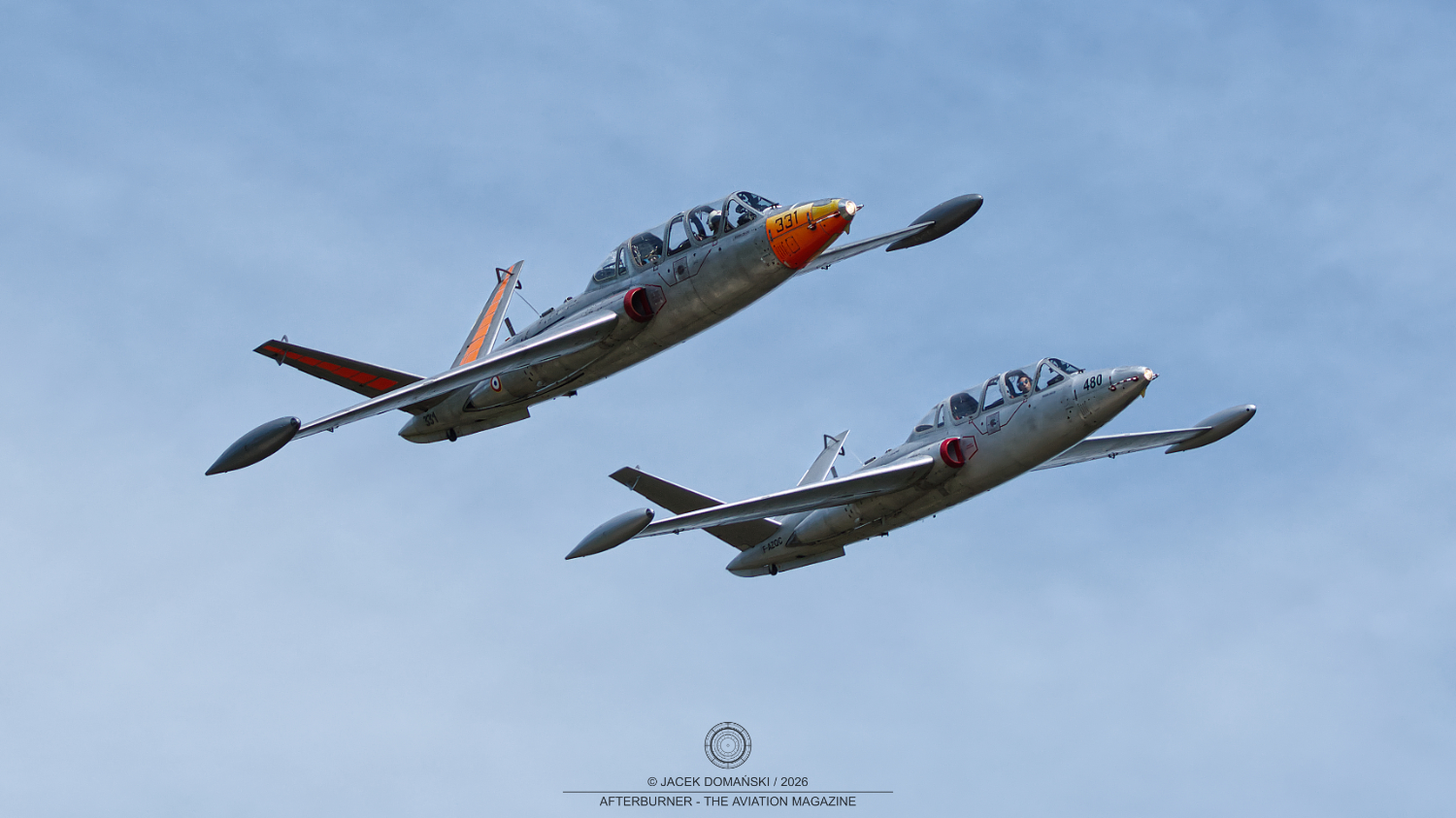
Then came another highlight of the day – the world premiere display performed by the Retro Fouga Team from France. The Fouga CM.170 Magister, owned and operated by Laurent Golay, had its Czech display premiere during the 2024 edition of Den ve vzduchu. This time, the French pilot returned to Plasy with yet another Magister, piloted by Julien Huyghues des Étages, and for the first time presented the newly established Retro Fouga Team to the public.
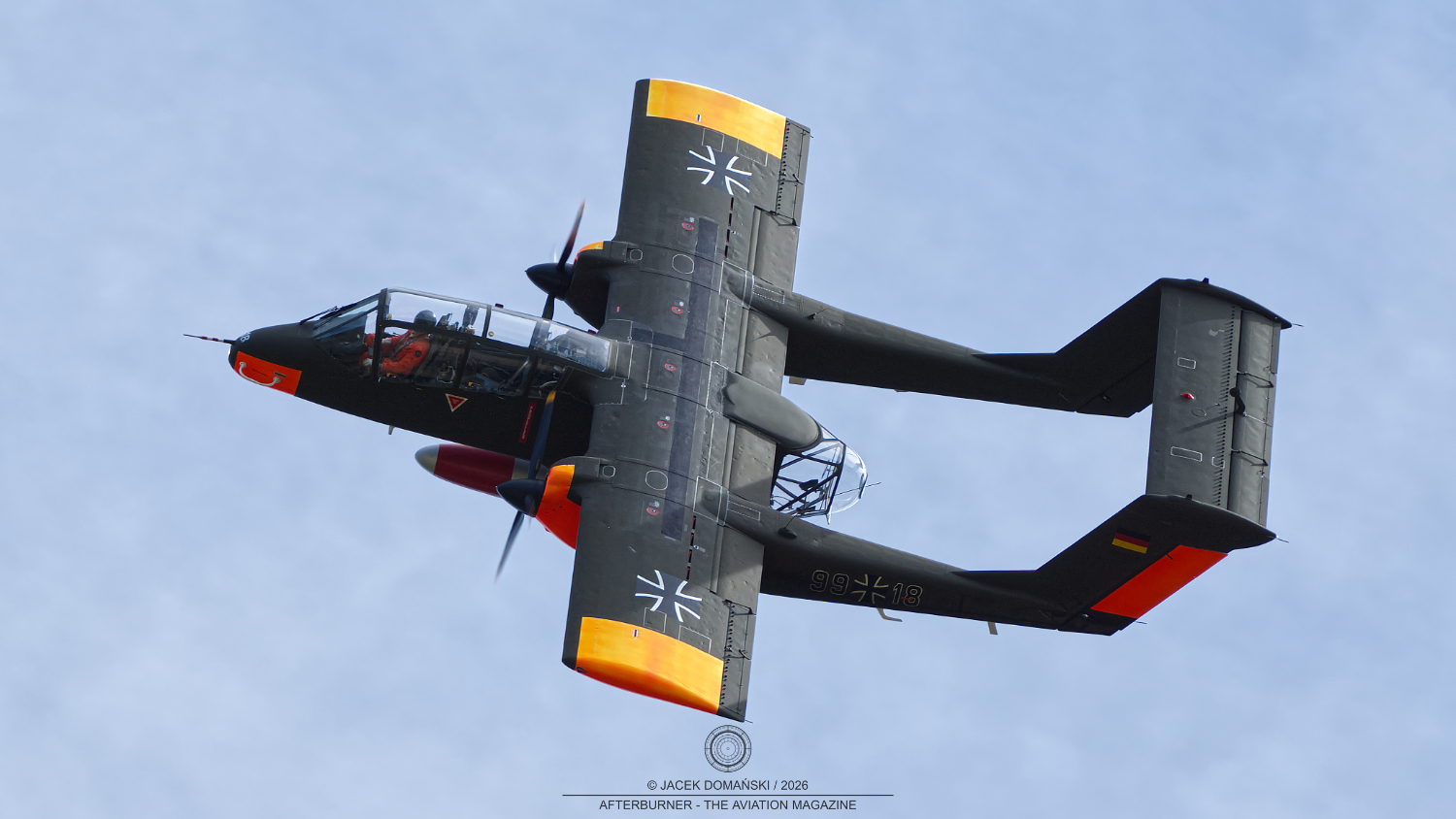
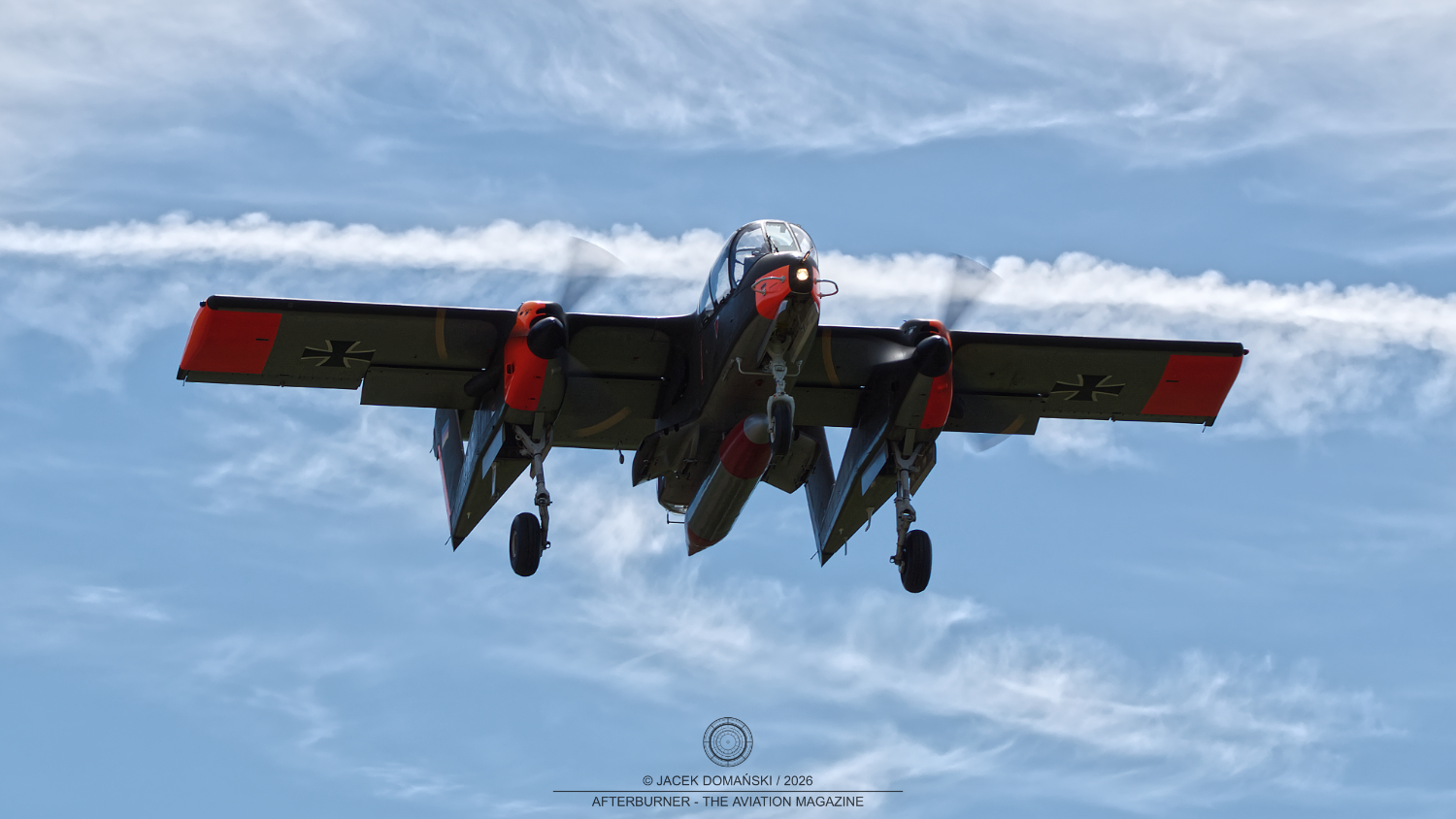
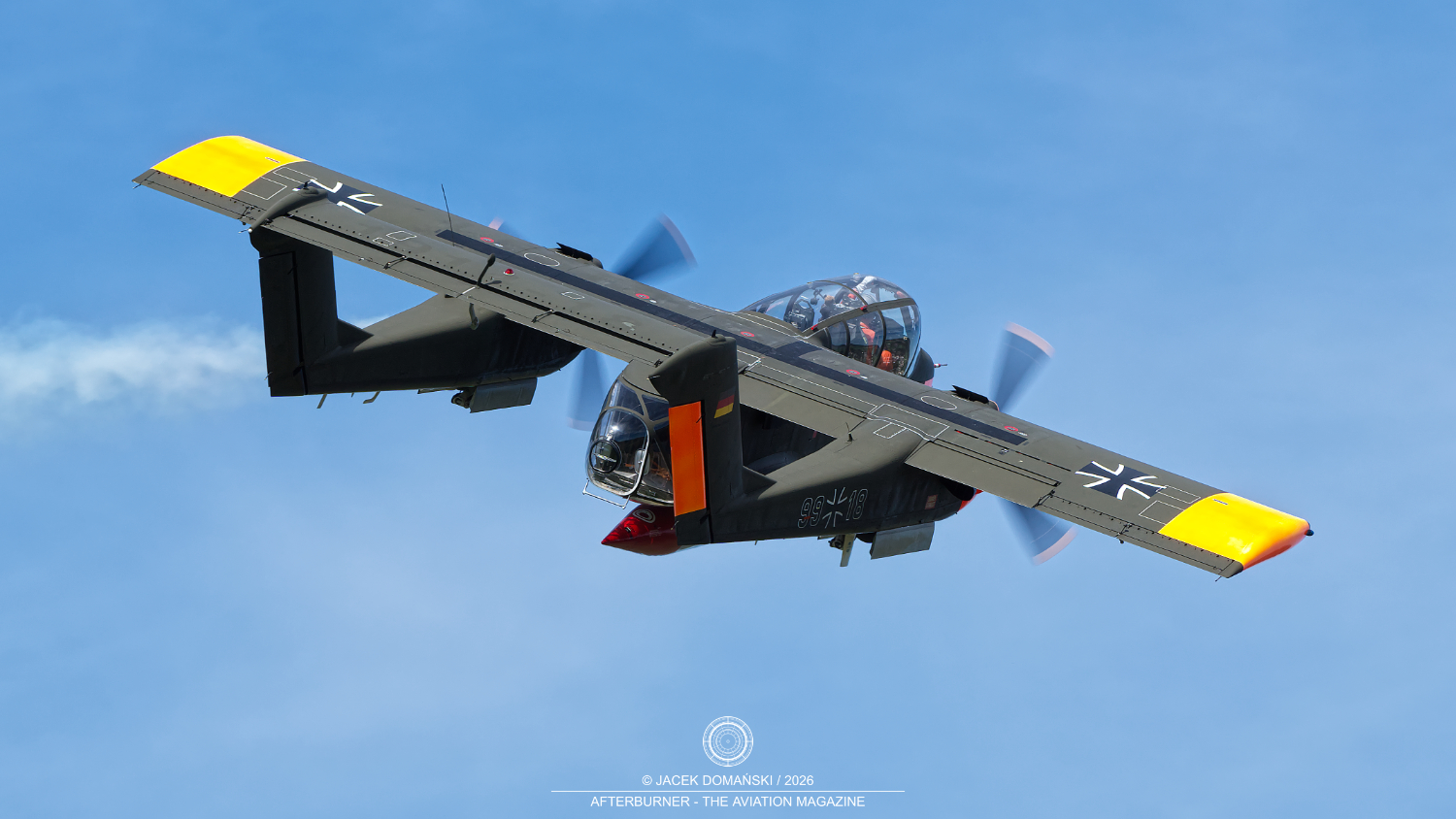
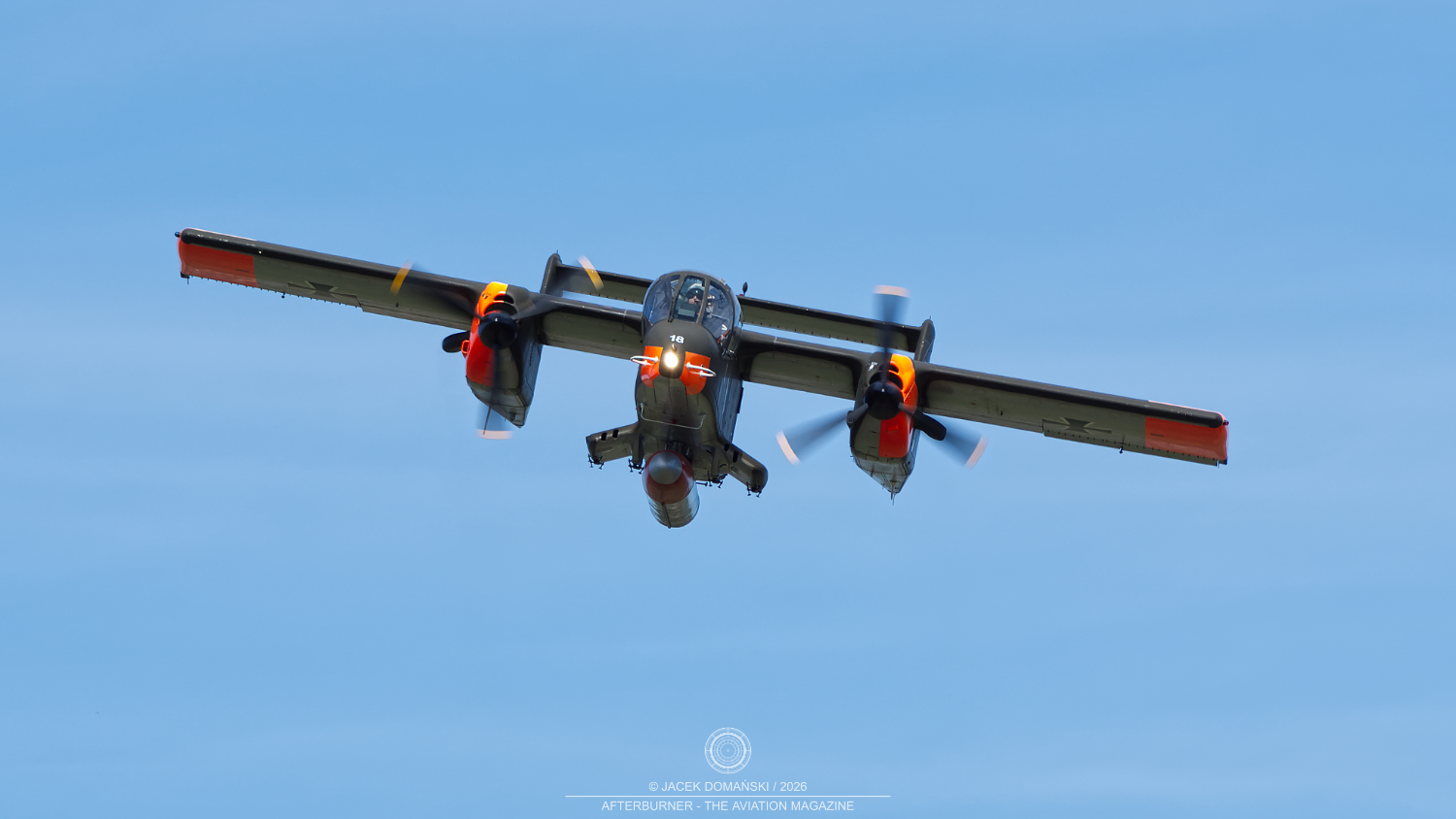
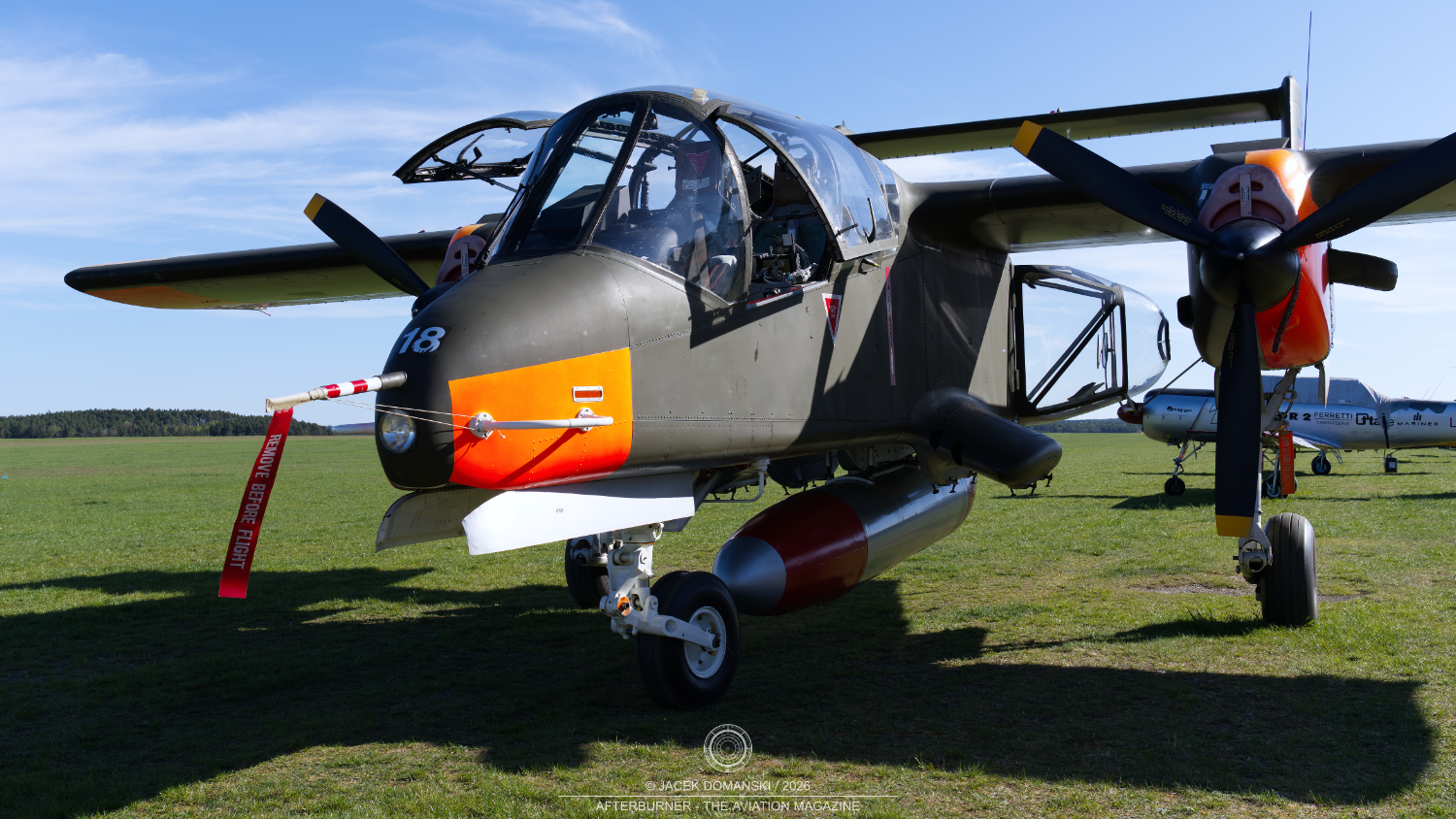
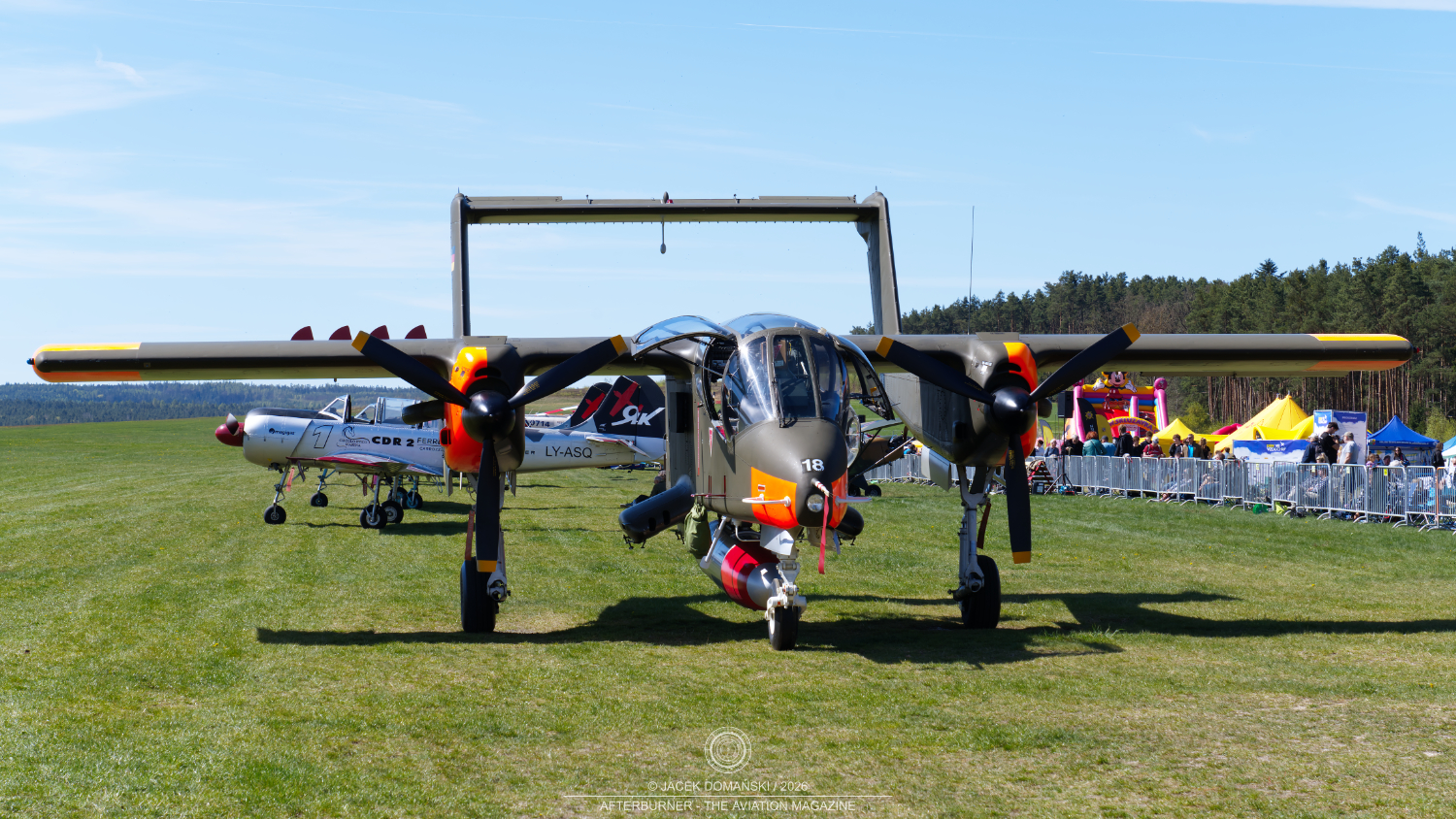
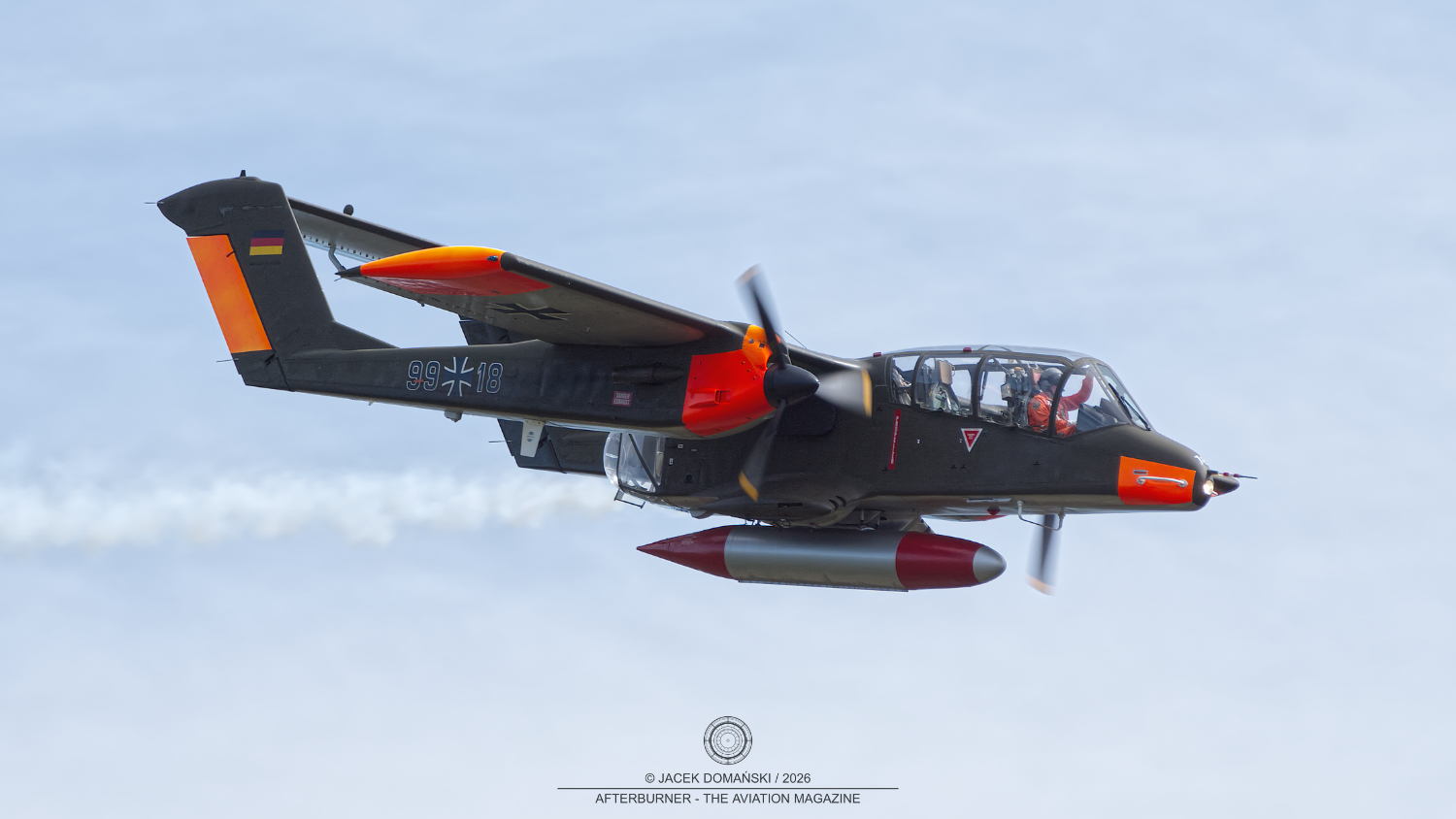
The French training jets were followed by yet another highlight – the solo performance of the iconic American aircraft from the Vietnam War, the North American Rockwell OV-10B Bronco. The aircraft, operated by the Bronco Demo Team and piloted by Tony De Bruyn, had already appeared at Czech aviation events in the past; however, it was the first time the OV-10B had arrived in Plasy.
The characteristic twin-boom, twin-engine turboprop attack and observation aircraft was showcased in an interesting display emphasising its specific advantages – short take-off and landing capabilities, exceptional low-speed handling and impressive agility.
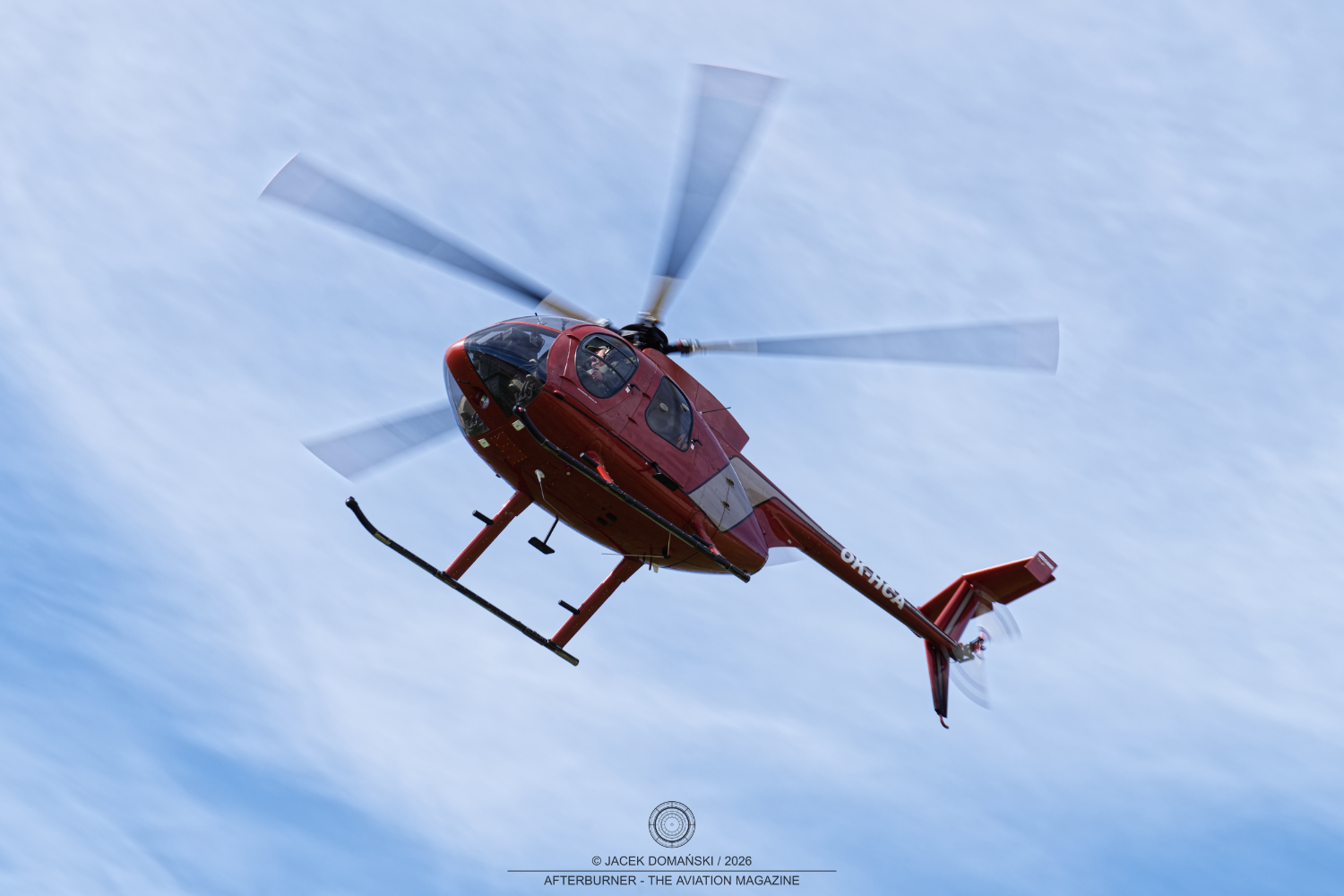
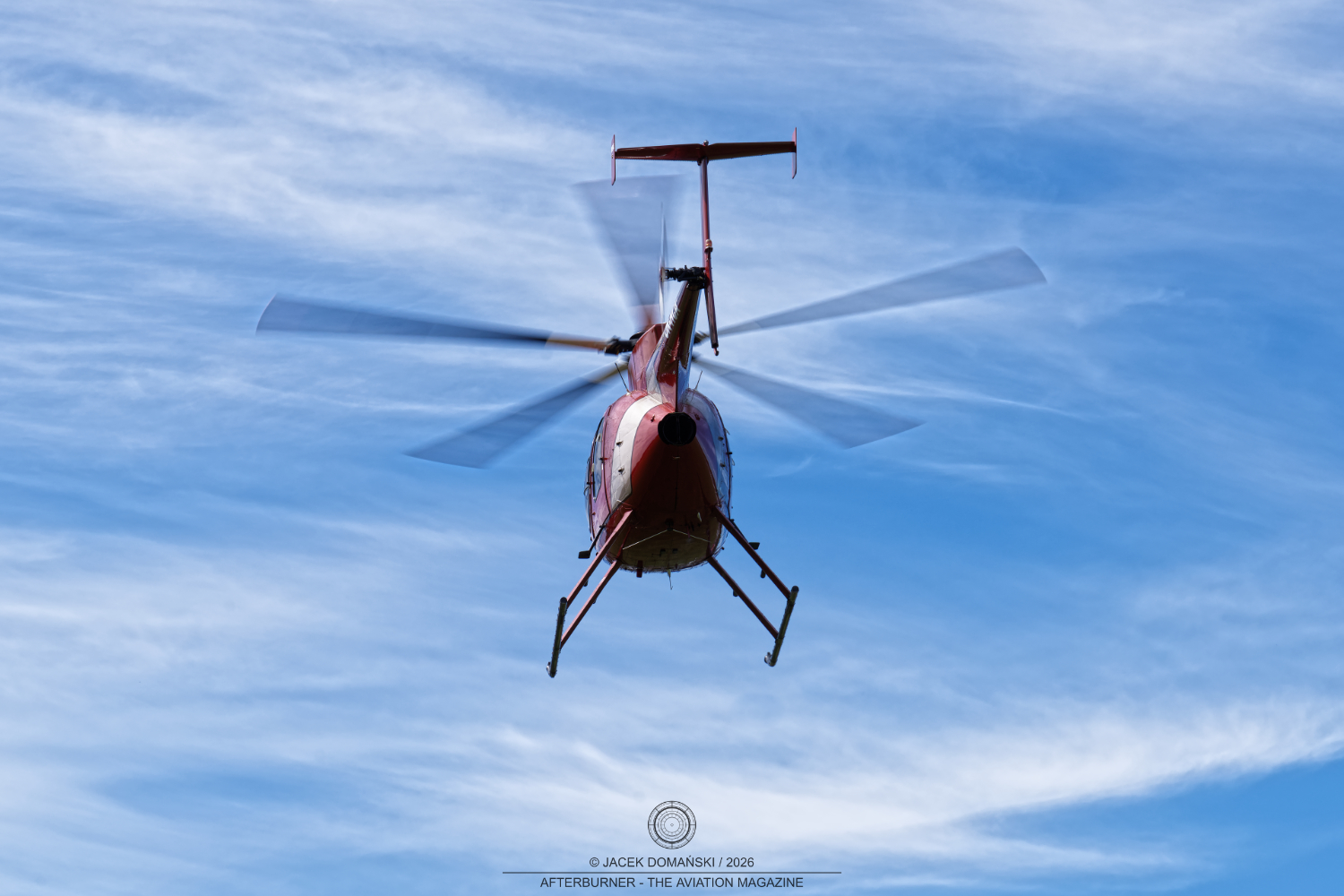
The Bronco display was followed by another exceptionally dynamic performance – a display by the McDonnell Douglas MD 500E rotorcraft from the Heli Czech fleet. It was a kind of surprise performance, arranged at short notice to replace the previously announced Bell AH-1S Cobra display. Regrettably, the iconic attack helicopter suffered a bird strike en route to Plasy, forcing the Cobra to return to its home airfield and making the display impossible.
However, the MD 500E proved to be a worthy replacement for the AH-1S. Developed in the late 1960s, this light rotorcraft was directly derived from the Hughes OH-6 Cayuse/Loach military helicopter. Nicknamed the “Flying Egg”, the OH-6 entered service during the Vietnam War and soon became one of the most recognisable utility rotorcraft in the world. Its civil variant, the Model 500, later became a popular choice for law enforcement agencies. In the mid-1980s, Hughes was acquired by McDonnell Douglas, which soon introduced the updated and modernised MD 500 series to the market.
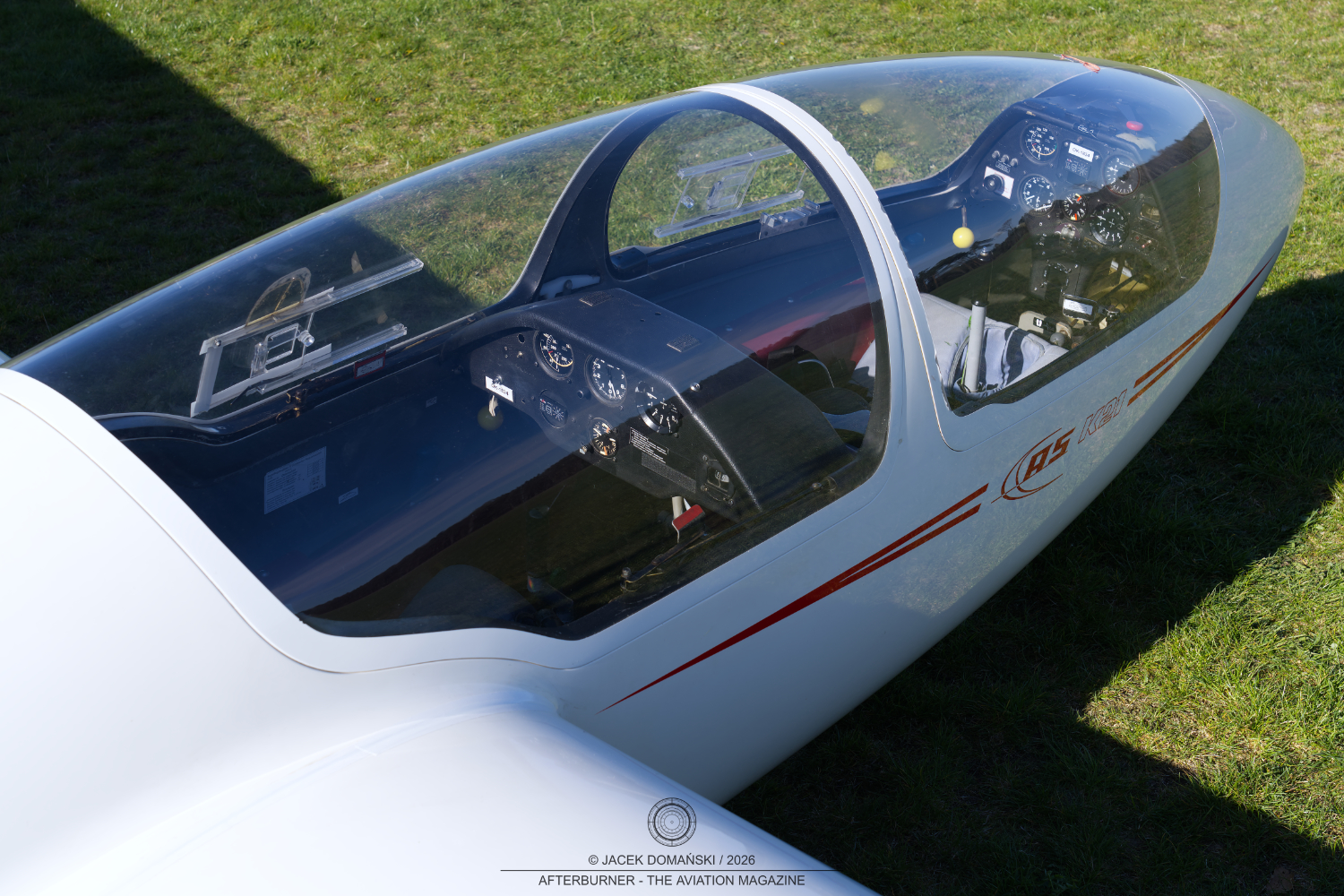
The display that followed was one of the Den ve vzduchu trademarks. It was a unique combination of artistic skills, in which an aerobatic display by a Schleicher ASK 21 glider was accompanied by a live music performance. That exclusive show had its premiere during the 2024 edition of the air show, when the glider aerobatics were flown alongside a live performance by the world-class Czech saxophonist Kateřina Janečková.
In 2026, the ASK 21 performance was enhanced by the Inflagranti string trio. As usual, the aerobatic glider was flown by Roman Šlapáček.
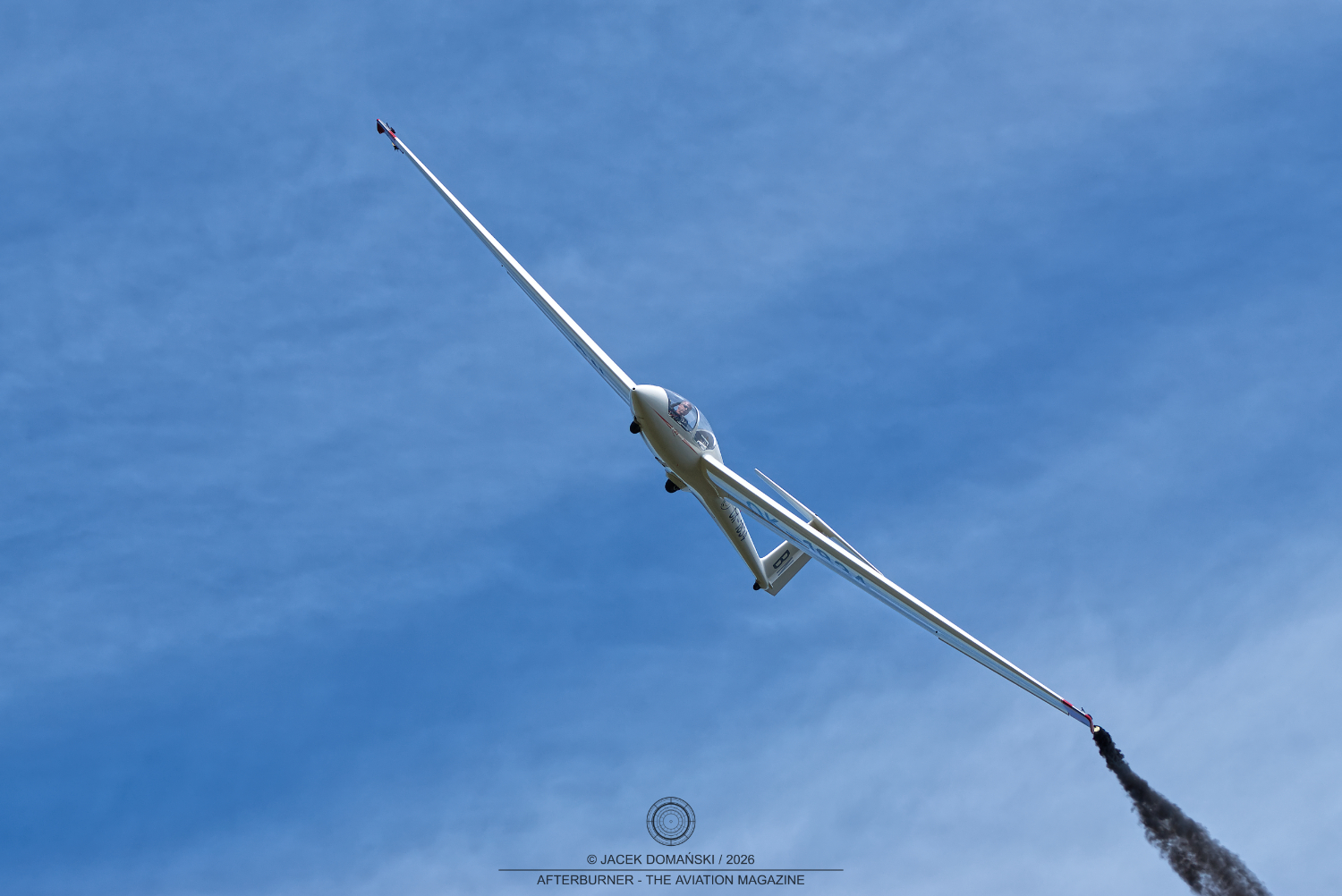
The gentle glider aerobatic display was only a short interlude between the roar of aircraft engines. Next came the sound of the twelve-cylinder Merlin engine of the iconic warbird, the North American P-51D Mustang “Little Rebel”.
The legendary Second World War fighter aircraft is associated with the Classic Trainers collection based at Plzeň-Líně Airfield. The Mustang display belongs among the most eagerly anticipated performances at any air show, so it was no surprise that it became one of the spectators’ favourites also at the Plasy event.
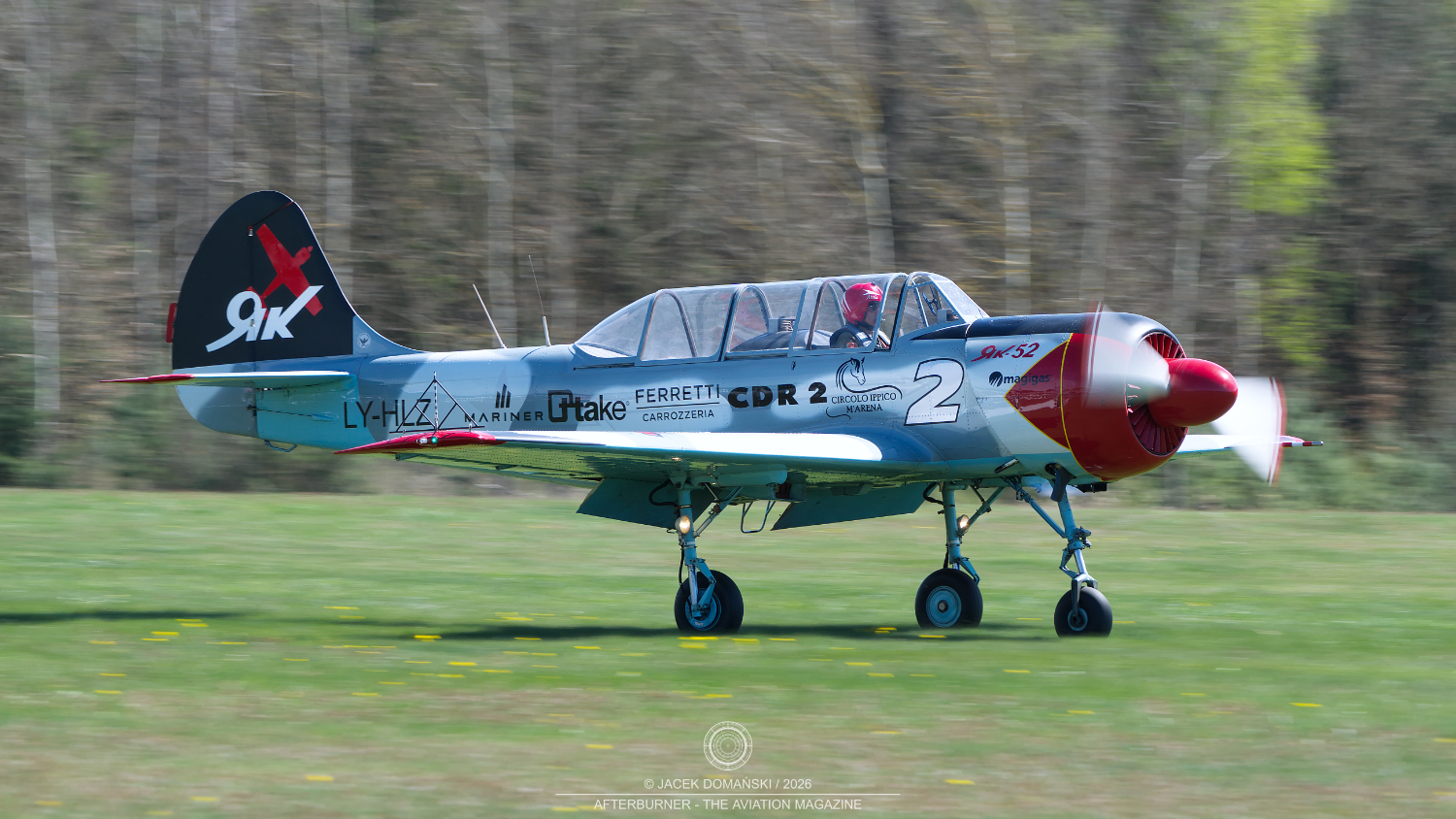
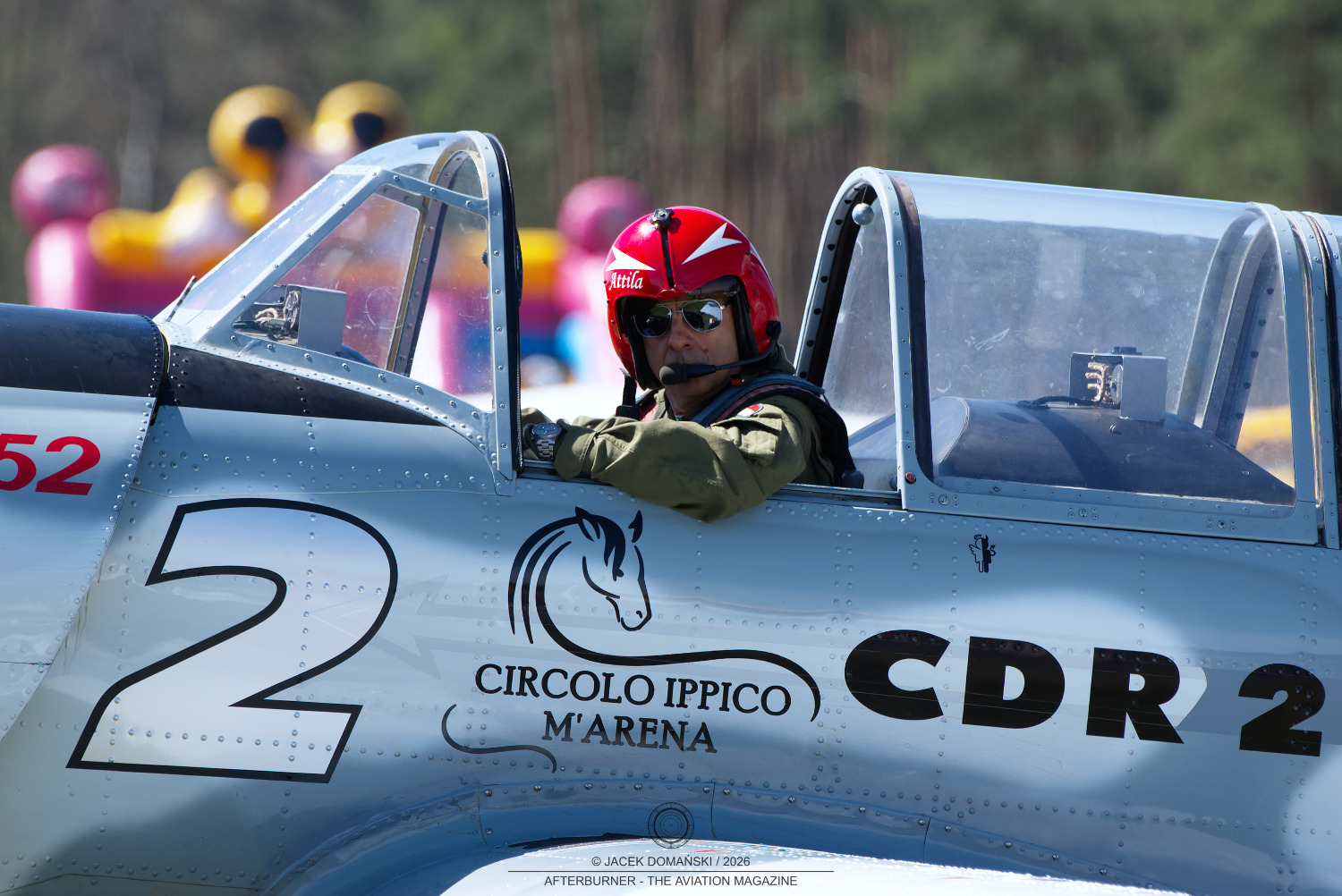
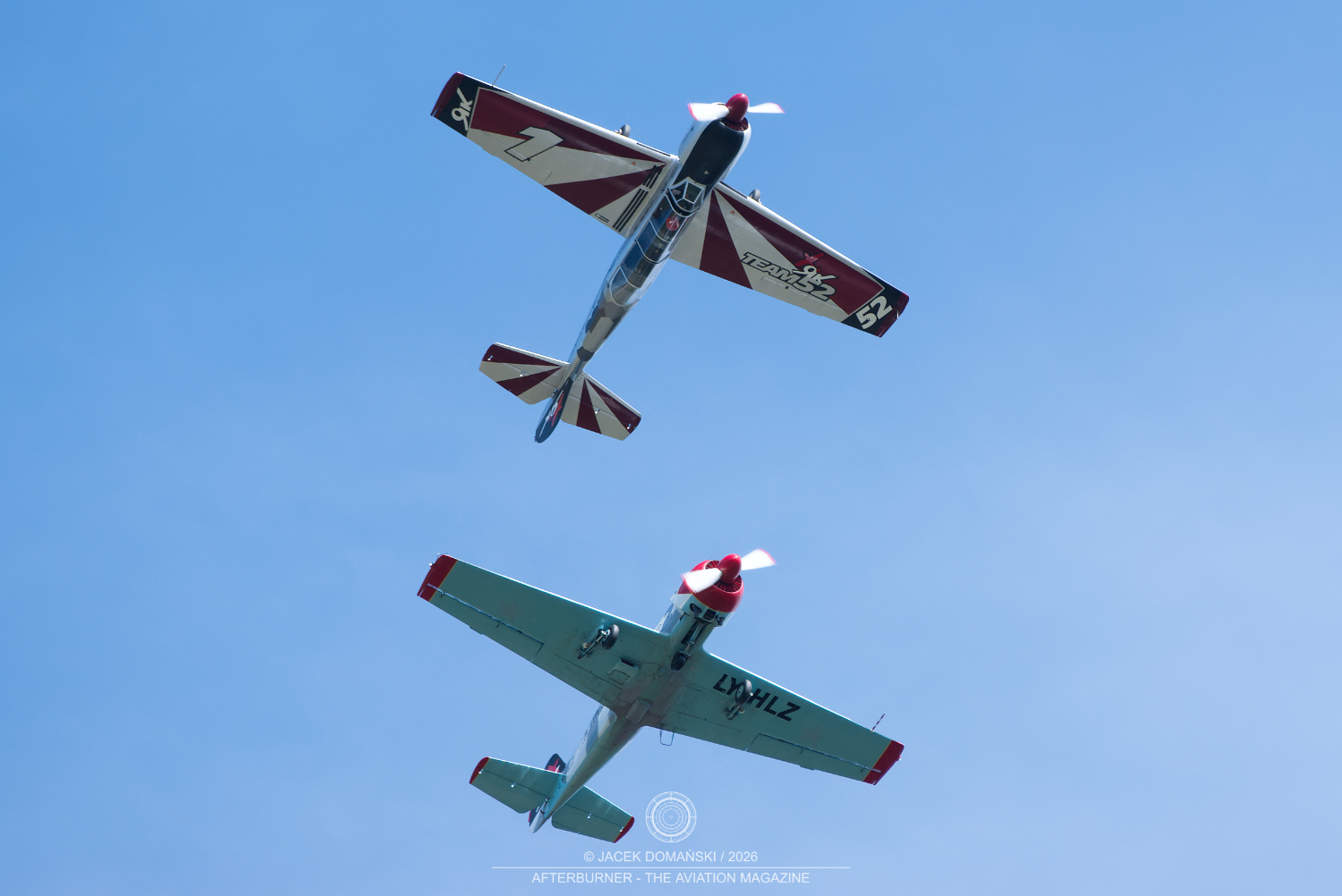
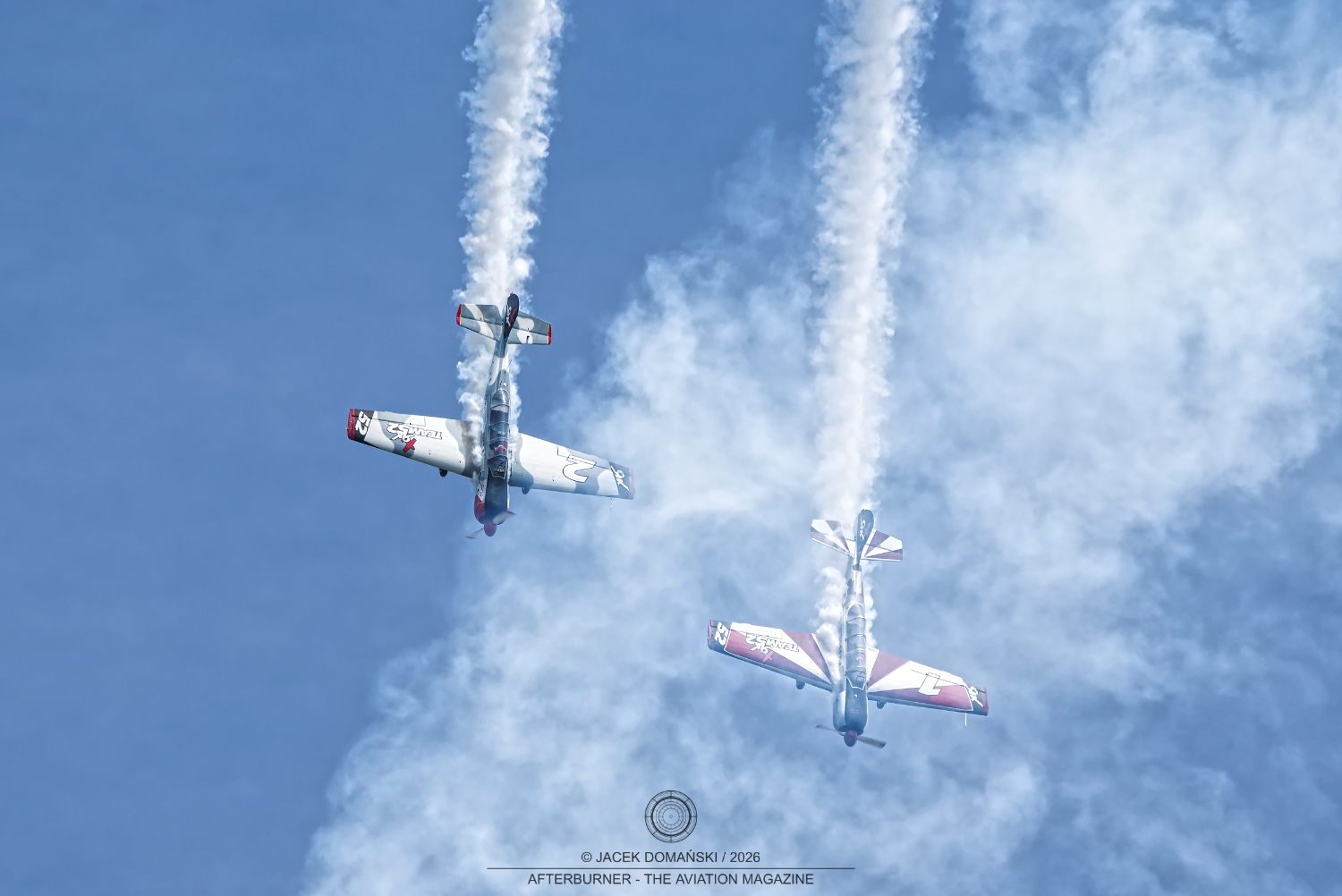
And then there came another Czech premiere – the display by the aforementioned TTake Aerobatic Team from Italy. Flying two Yakovlev Yak-52 aeroplanes, Marcello “Ted” Tedeschi and Attilio “Attila” Tarabusi performed an impressive and visually pleasing show. Their first performance in the Czech Republic was very well received by the public and rewarded with thunderous applause.
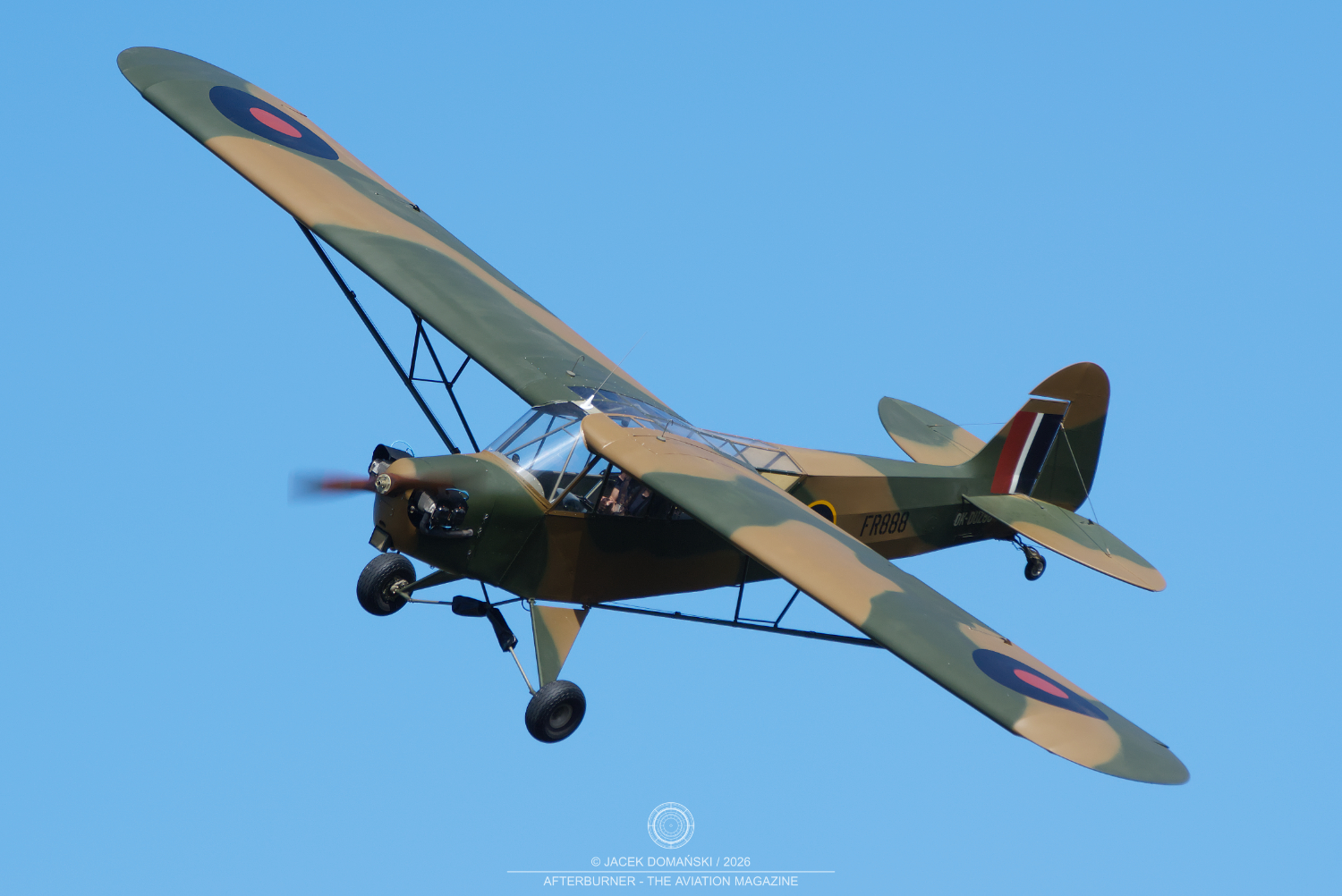
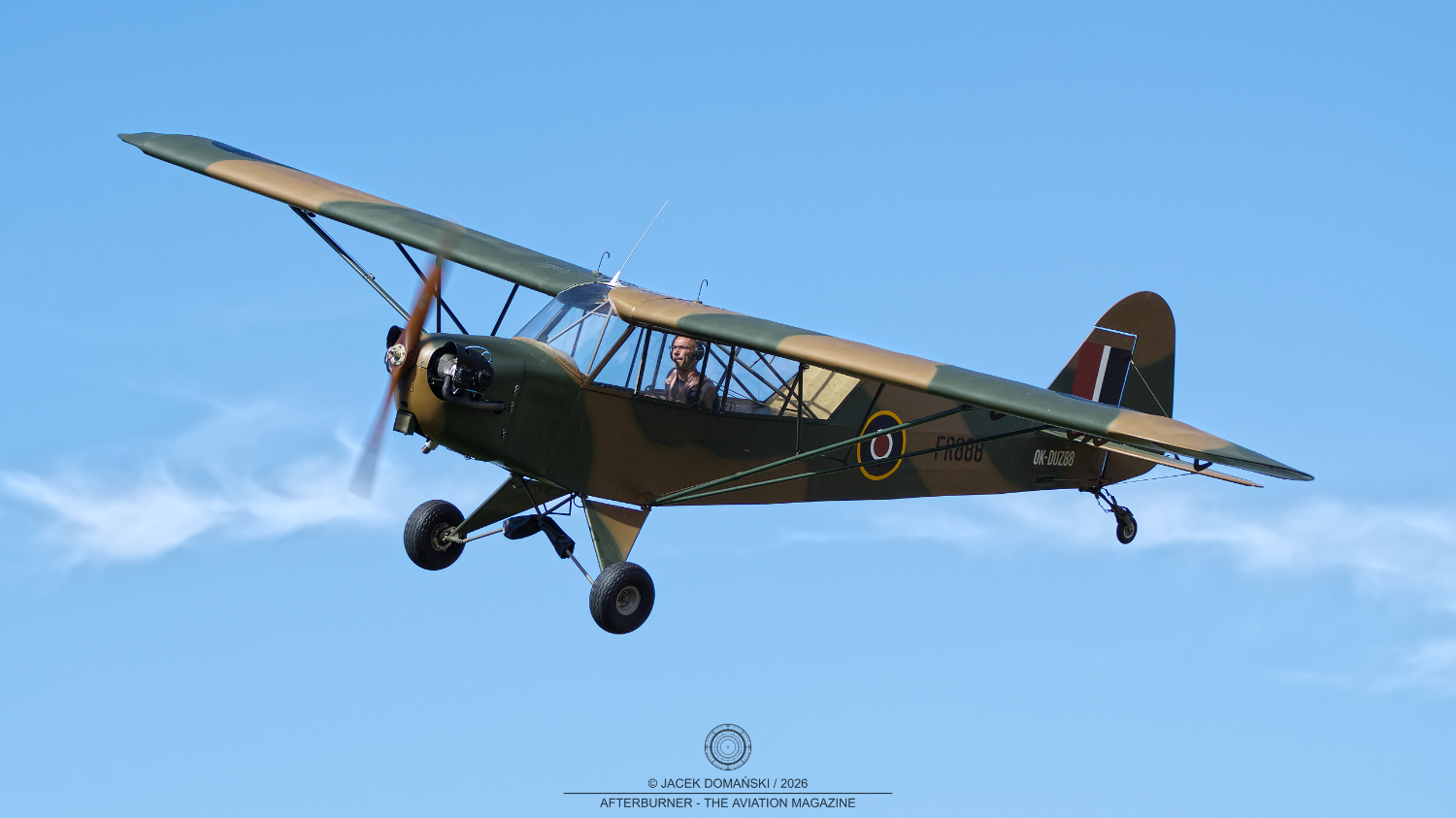
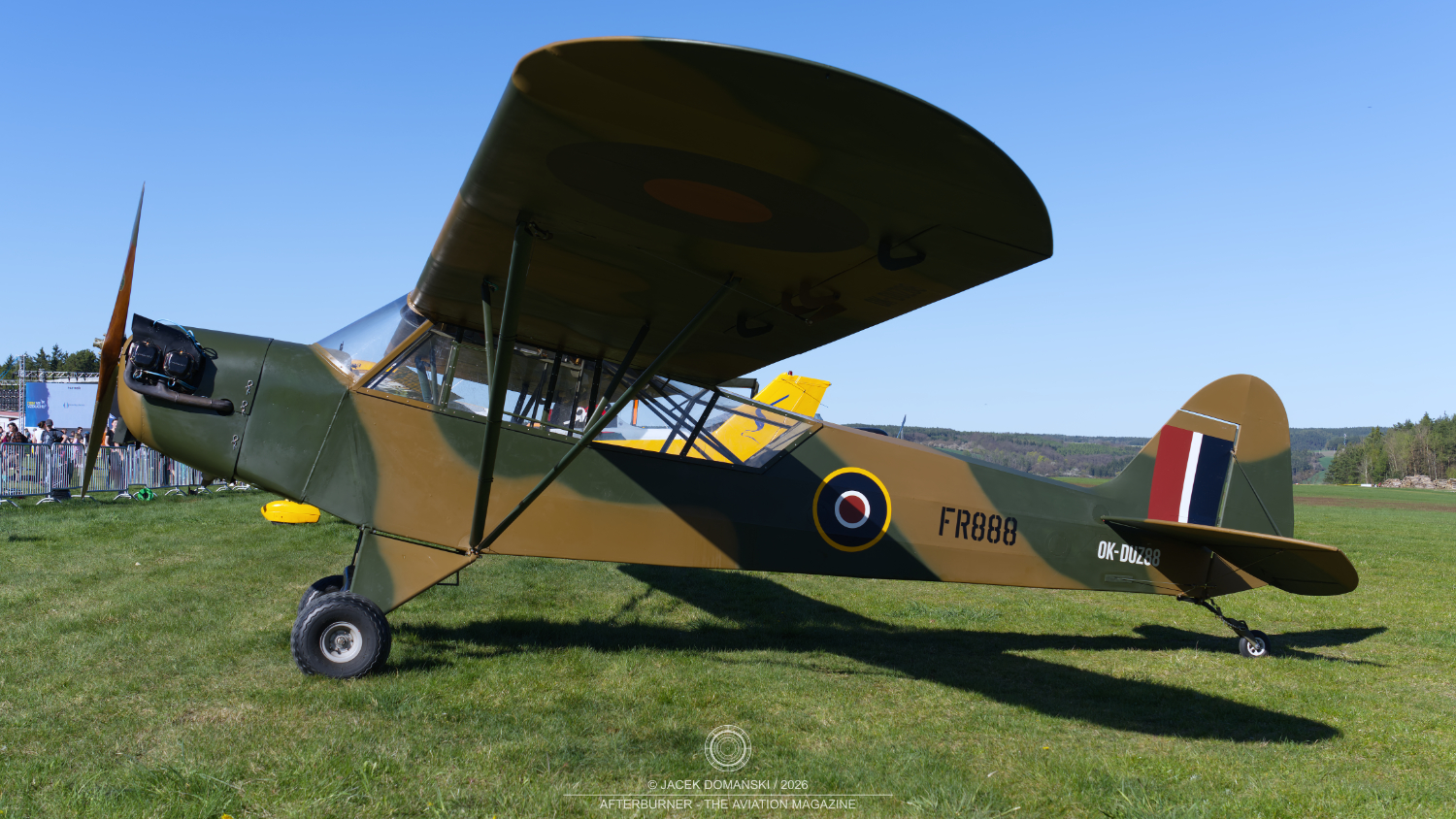
Next, spectators had an opportunity to see the performance of a Piper L-4 Grasshopper, often nicknamed the “flying eyes” due to its reconnaissance and artillery-spotting role. The aeroplane, built by the Czech Spitfire Club association, represented a full-scale replica of the L-4 and was powered by an original Continental A65 engine.
The Grasshopper was showcased at Plasy in the Royal Air Force markings and camouflage used by air observation post (AOP) aircraft. Its tail number, FR888, commemorated one of the Piper L-4 aeroplanes evaluated by the RAF during the Second World War.
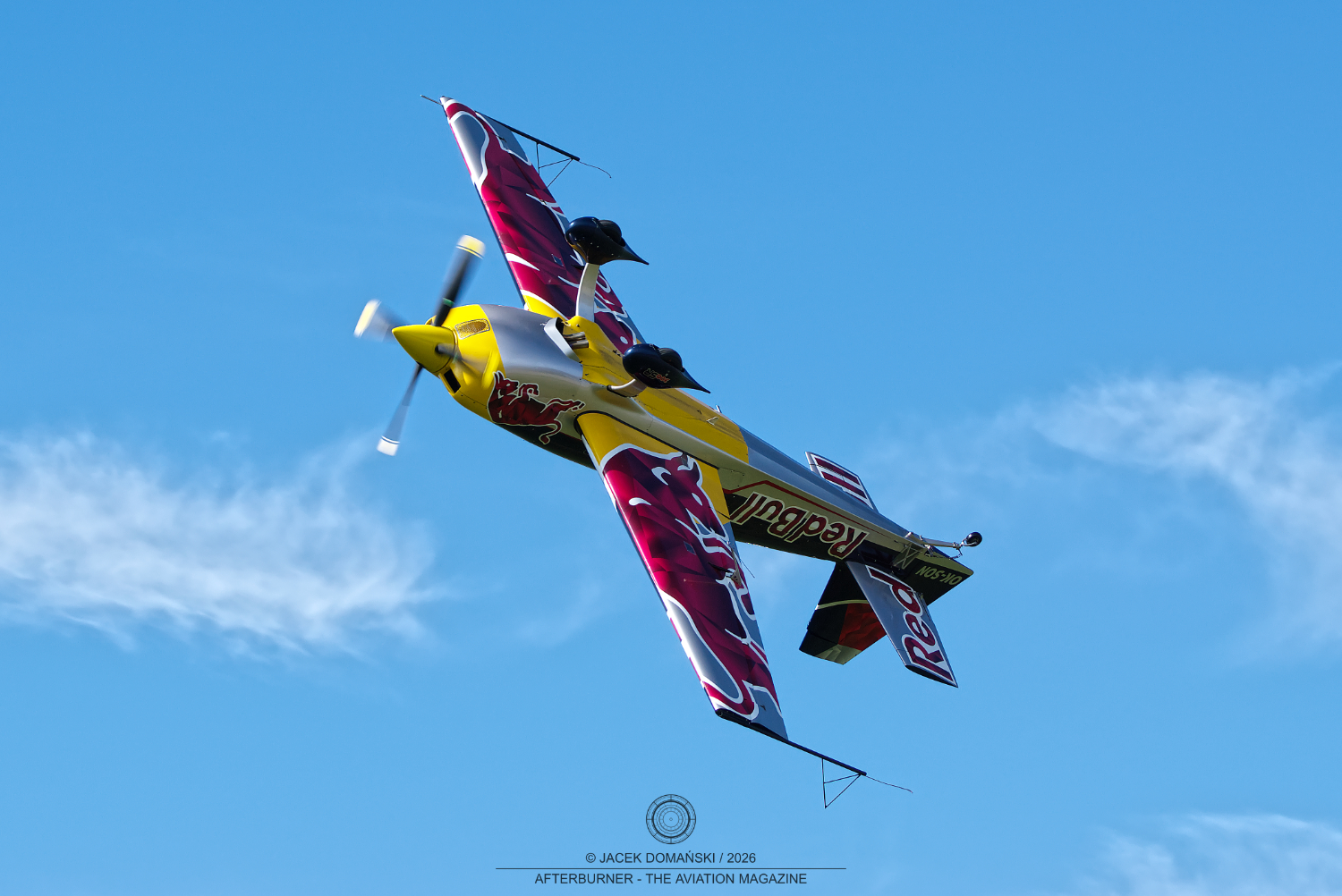
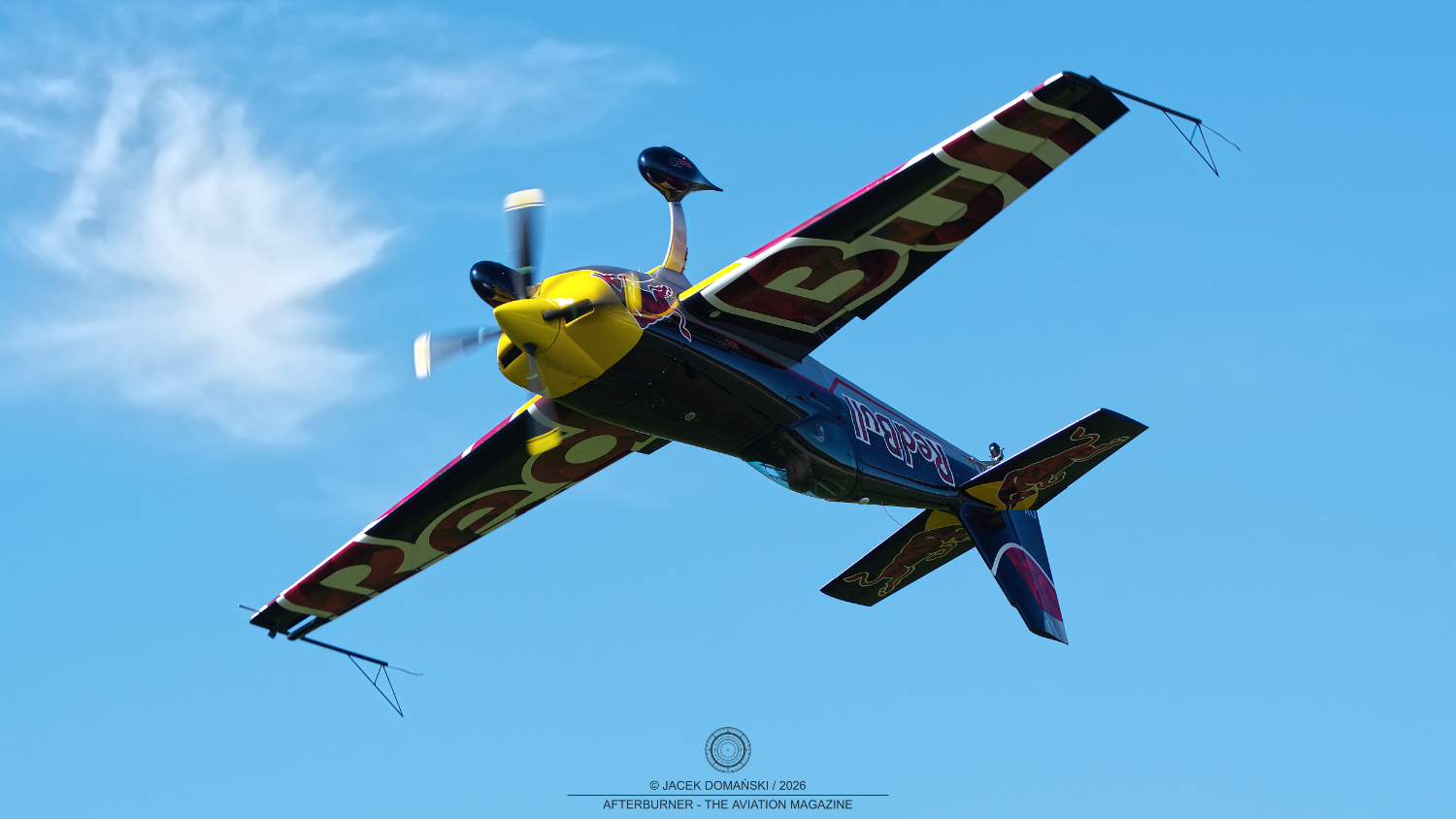
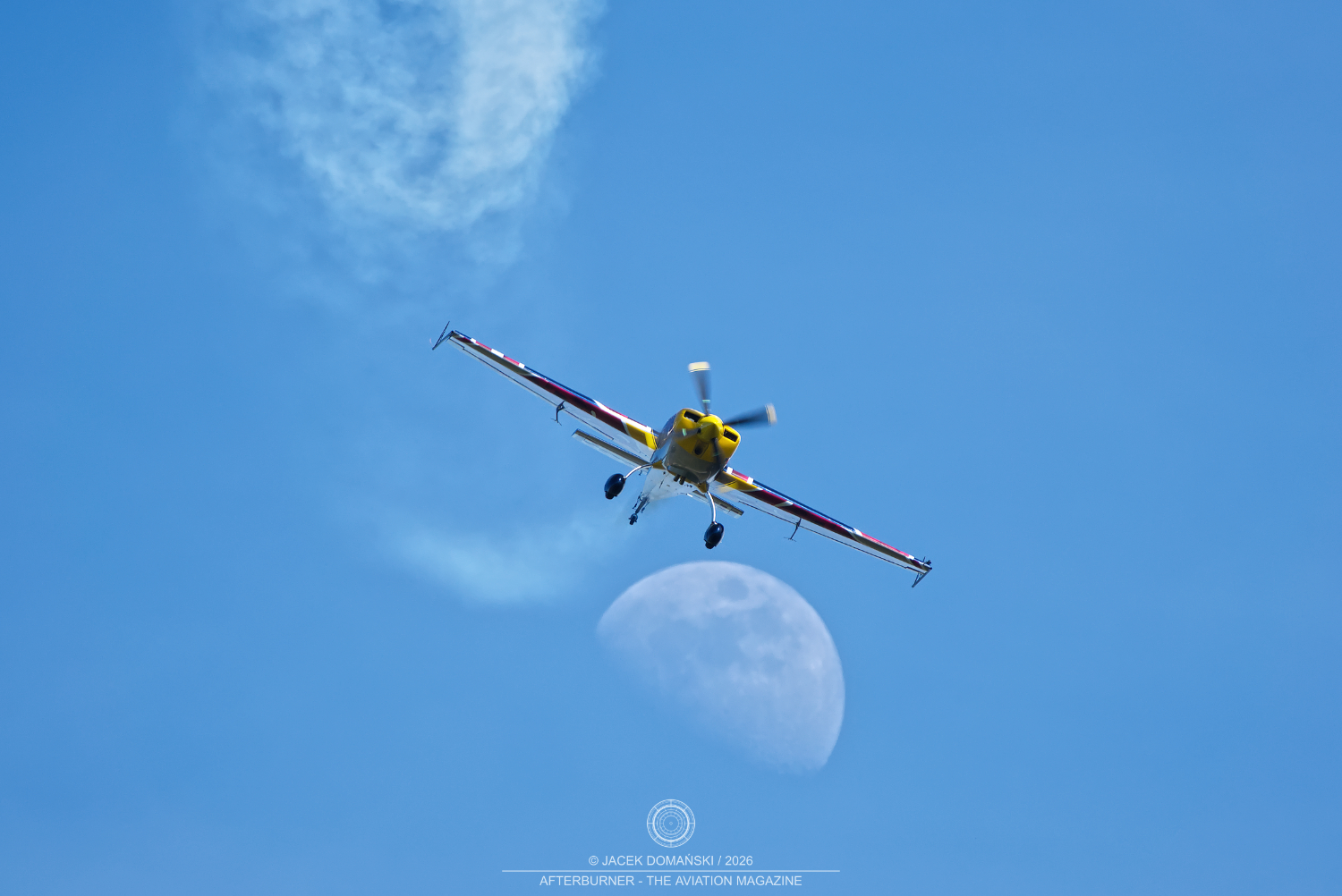
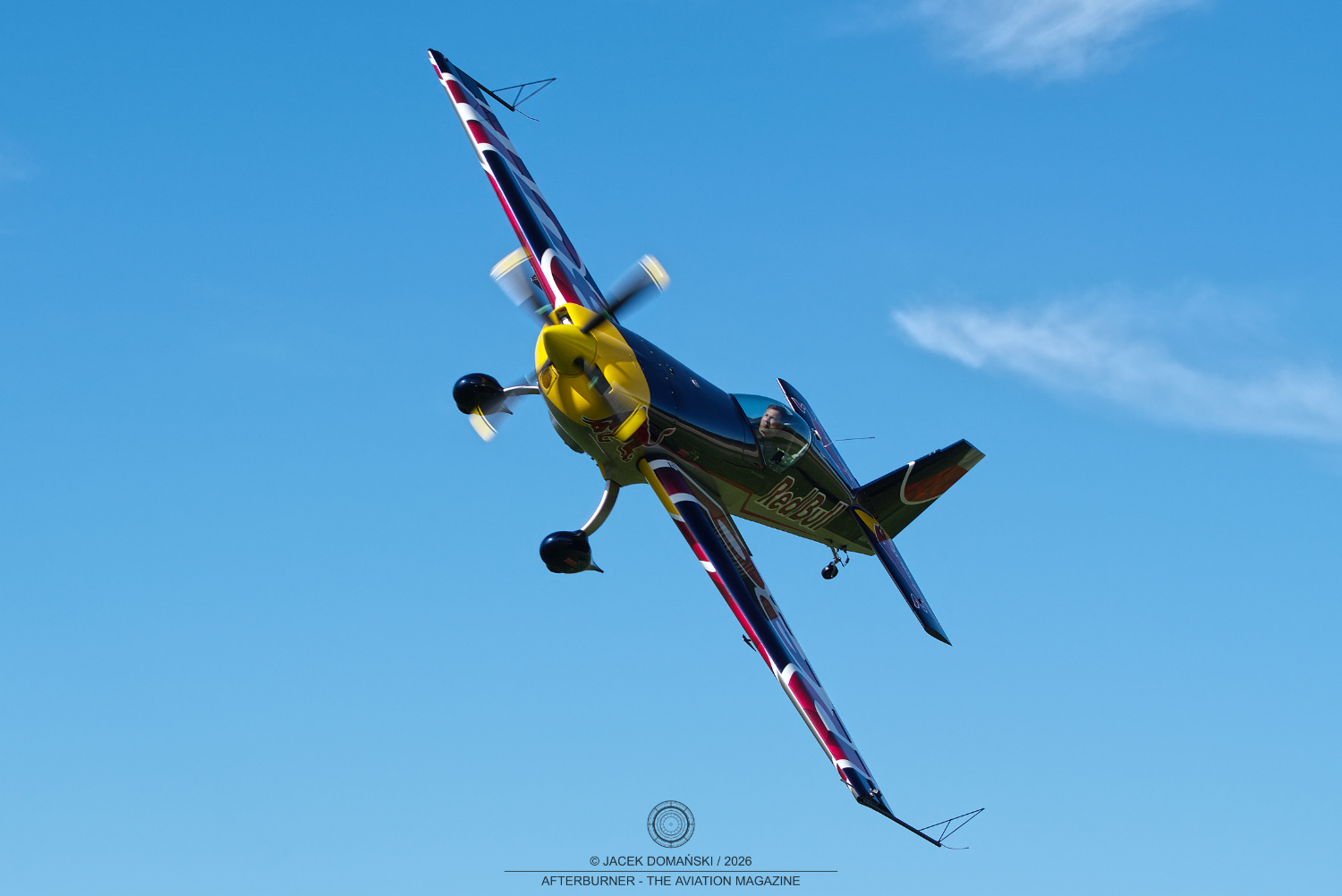
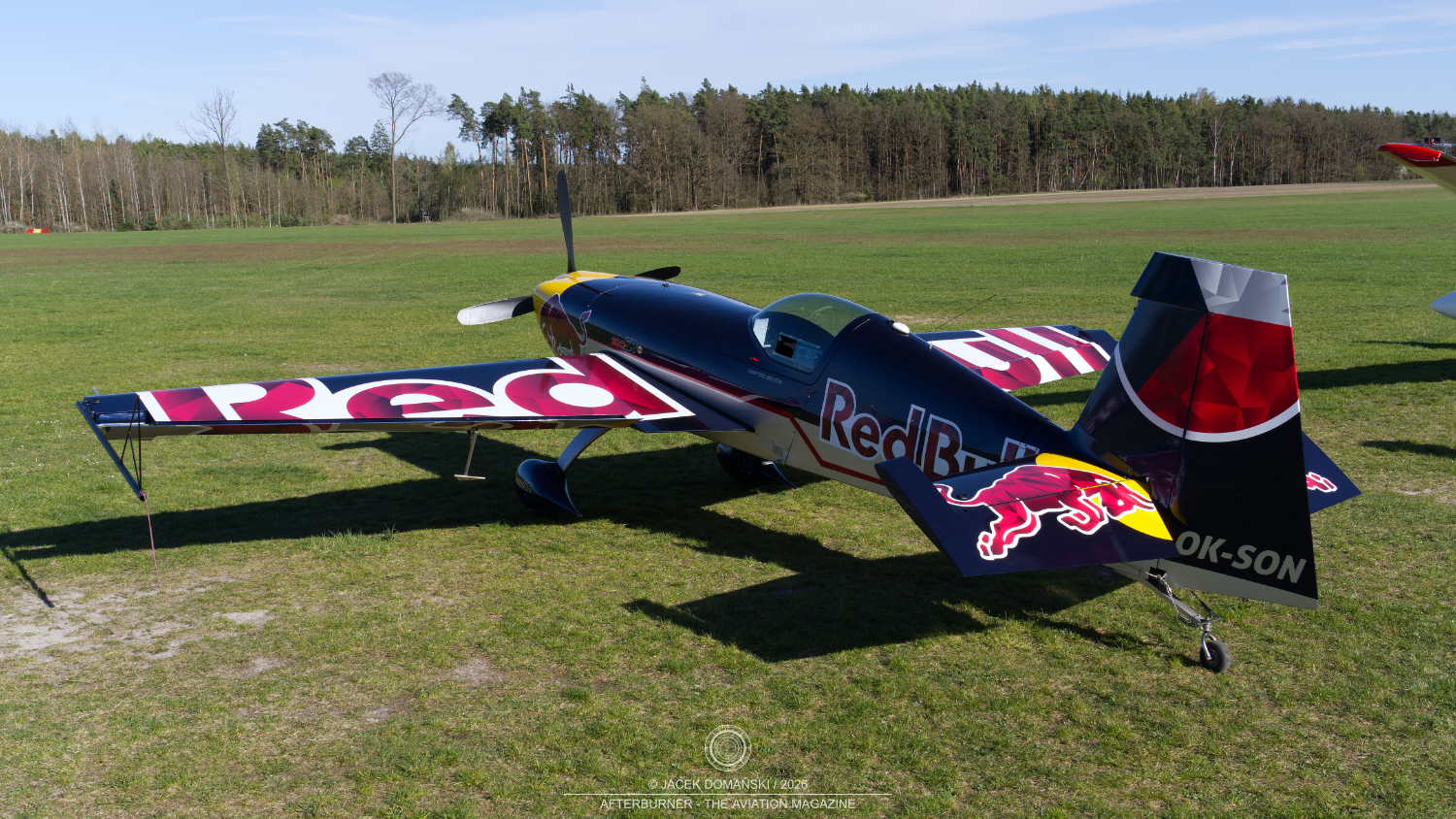
The roar of the Extra 300SR engine announced that the flying programme of the 2026 edition of Den ve vzduchu was slowly approaching its finale. Traditionally, one of the final shows of the day belonged to Martin Šonka and his second performance in Plasy – this time flown in his aerobatic special.
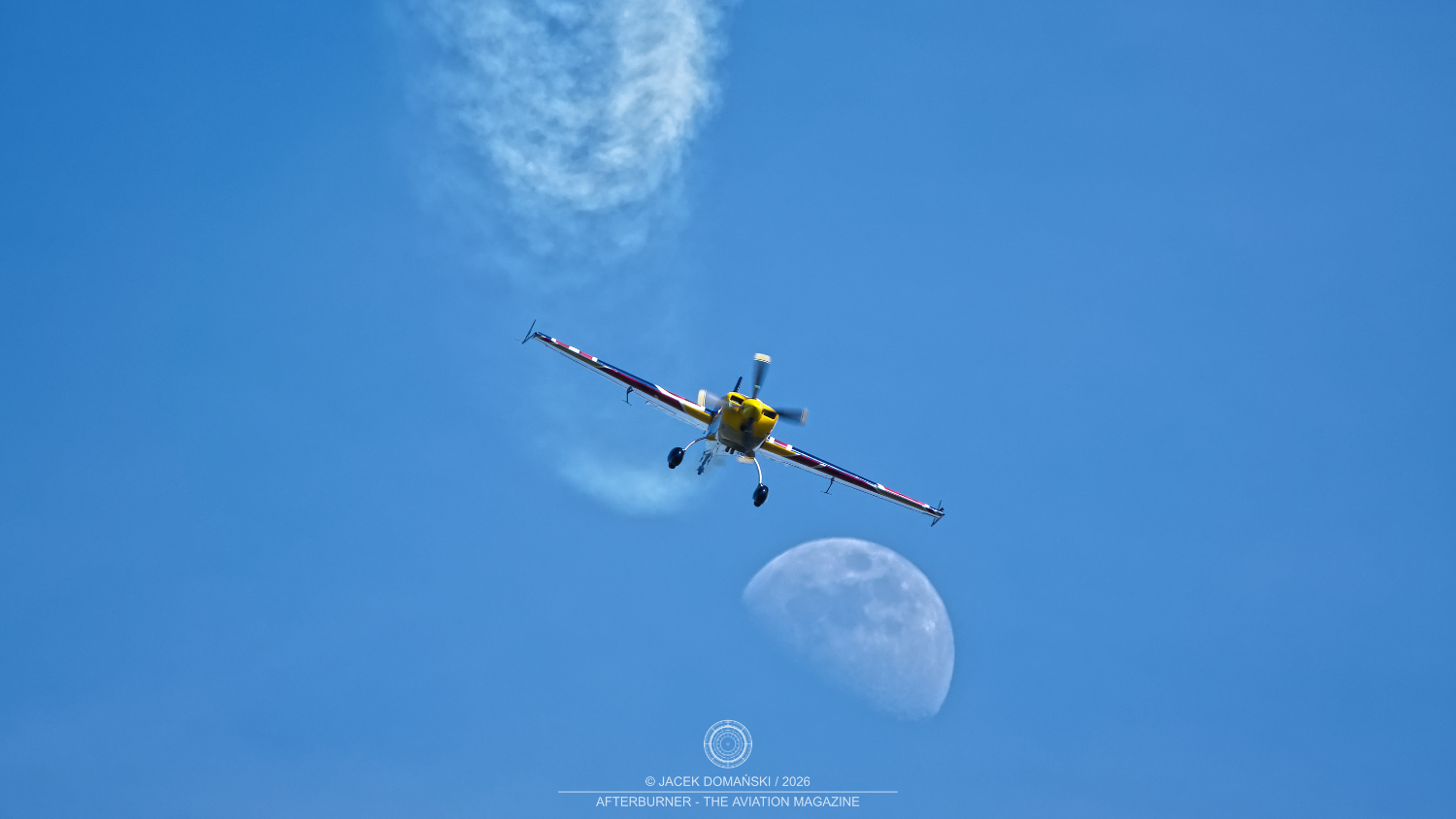
It is no exaggeration to say that Šonka’s display is one of the spectators’ favourites. The renowned Czech aerobatic pilot knows how to engage the public, not only with his breathtaking performance but also thanks to the live and witty commentary he broadcasts directly from the cockpit. His second performance in Plasy delivered exactly what the audience have come to expect – a spectacular, heart-stopping aerobatic show and a unique experience.
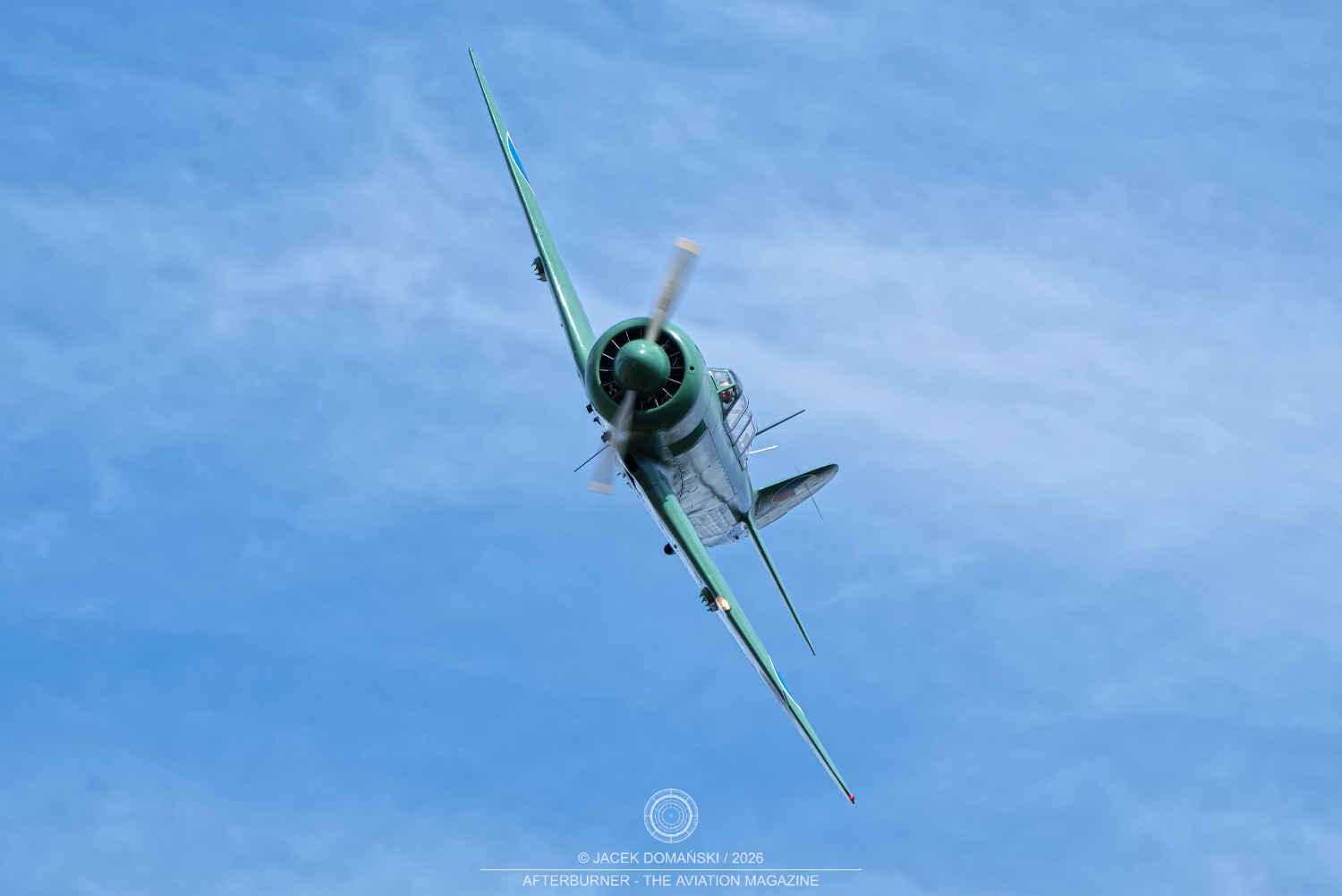
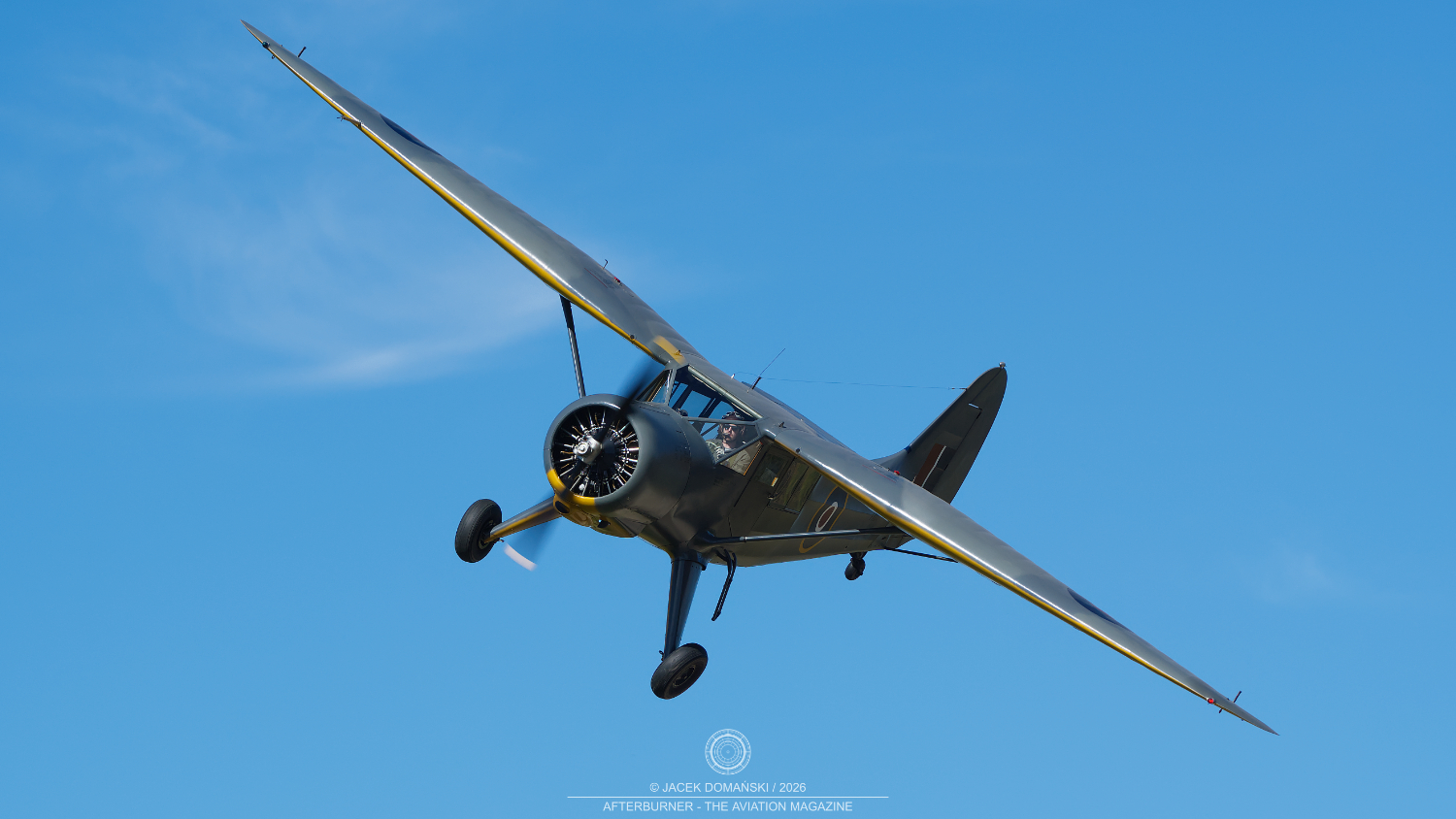
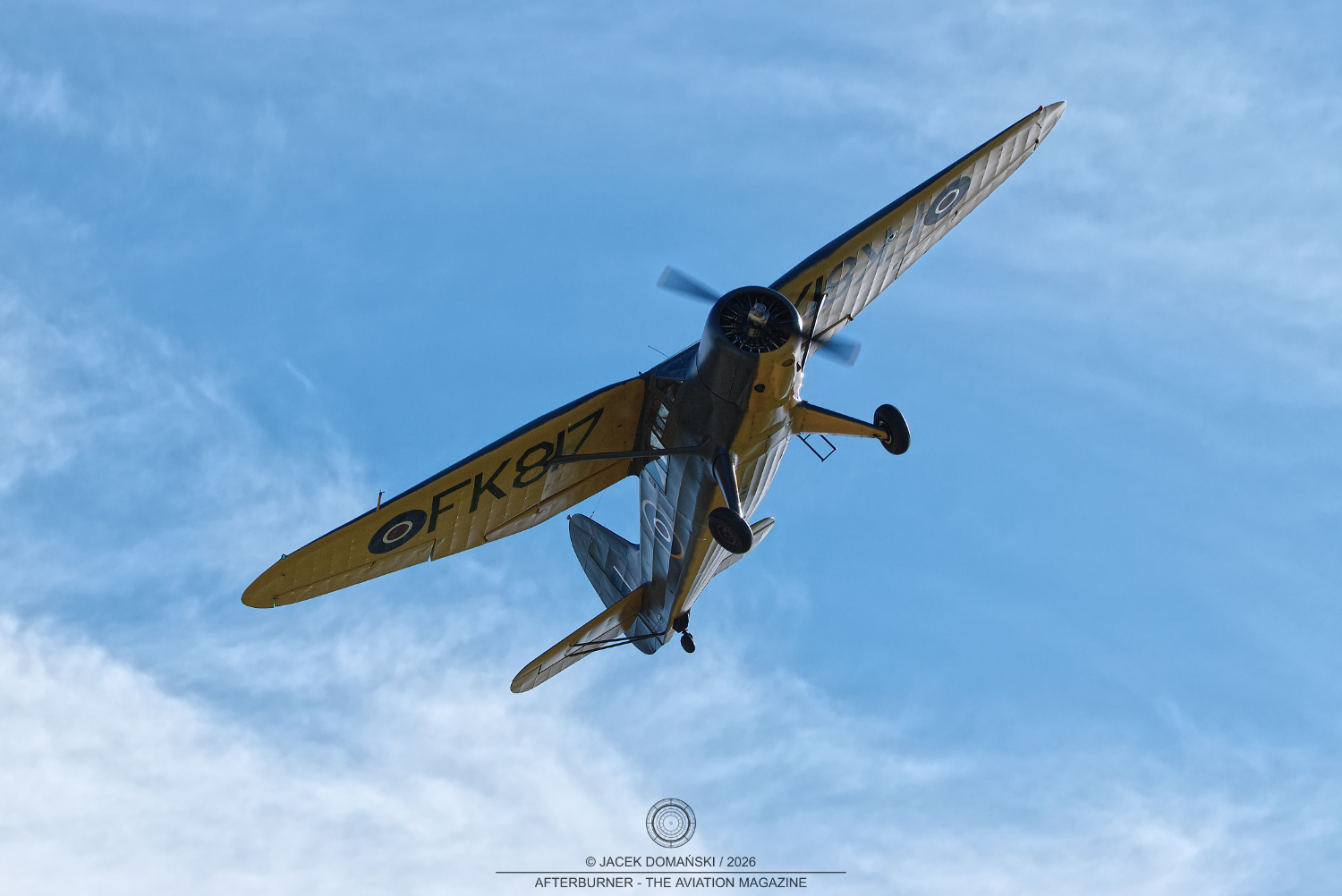
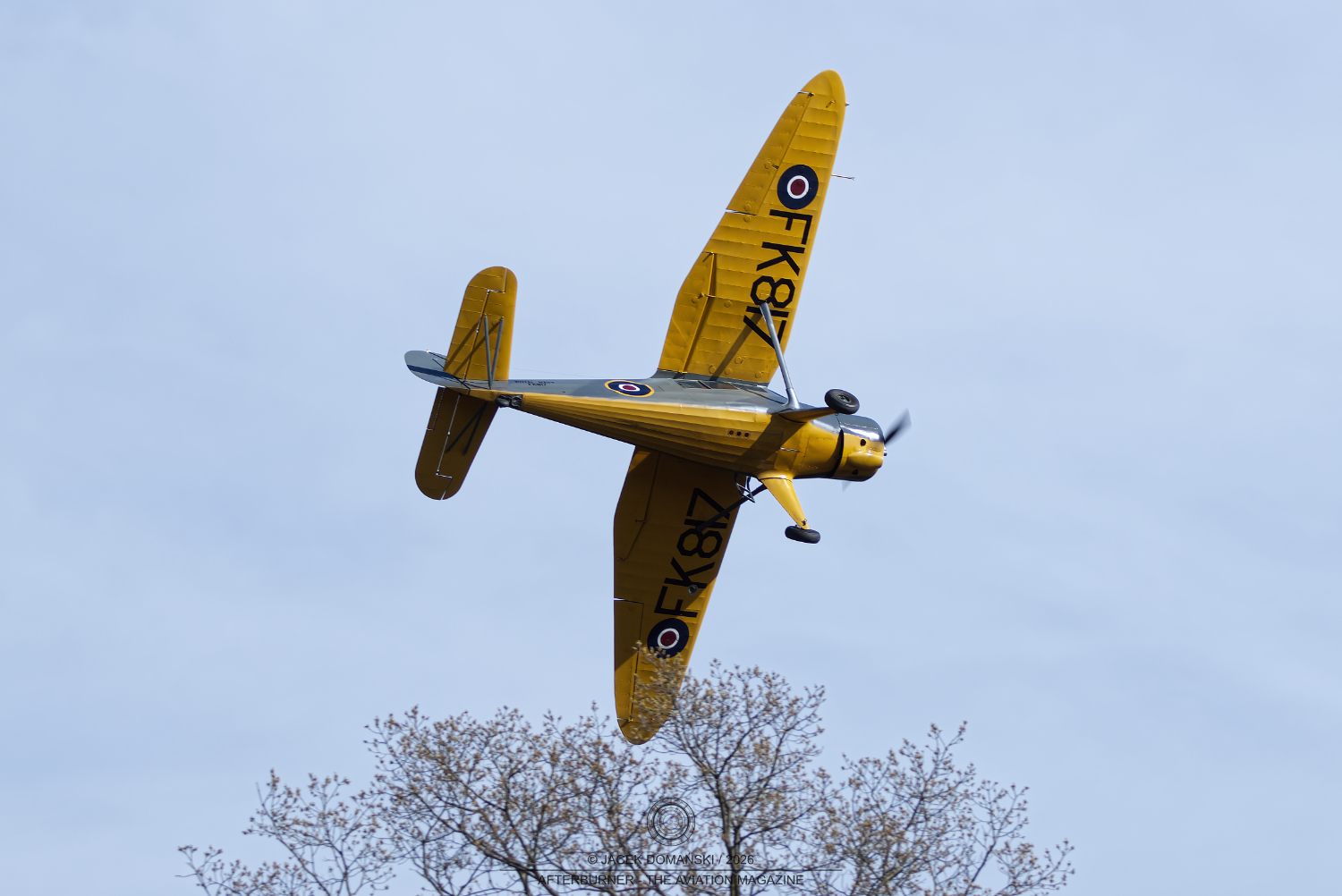
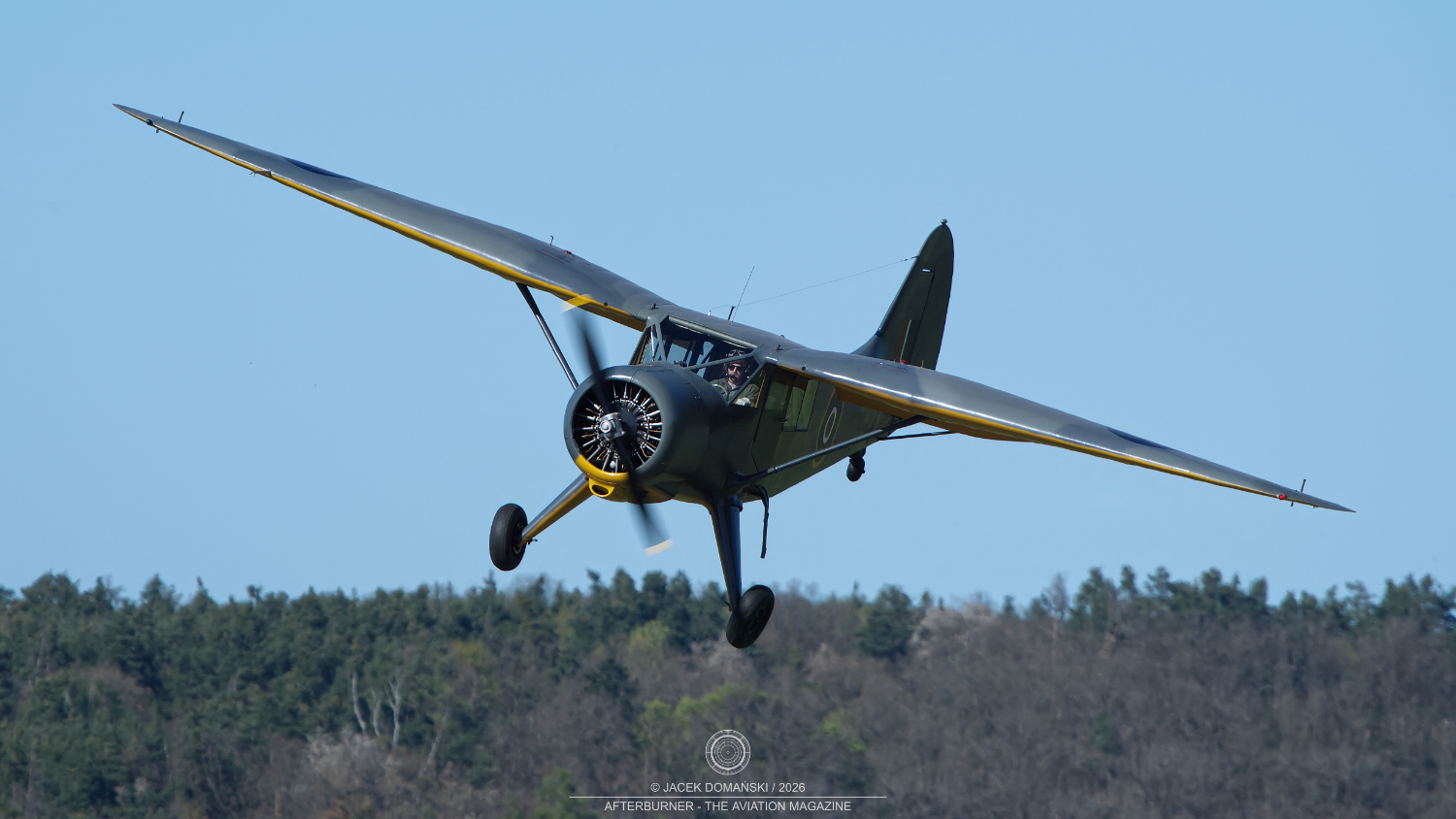
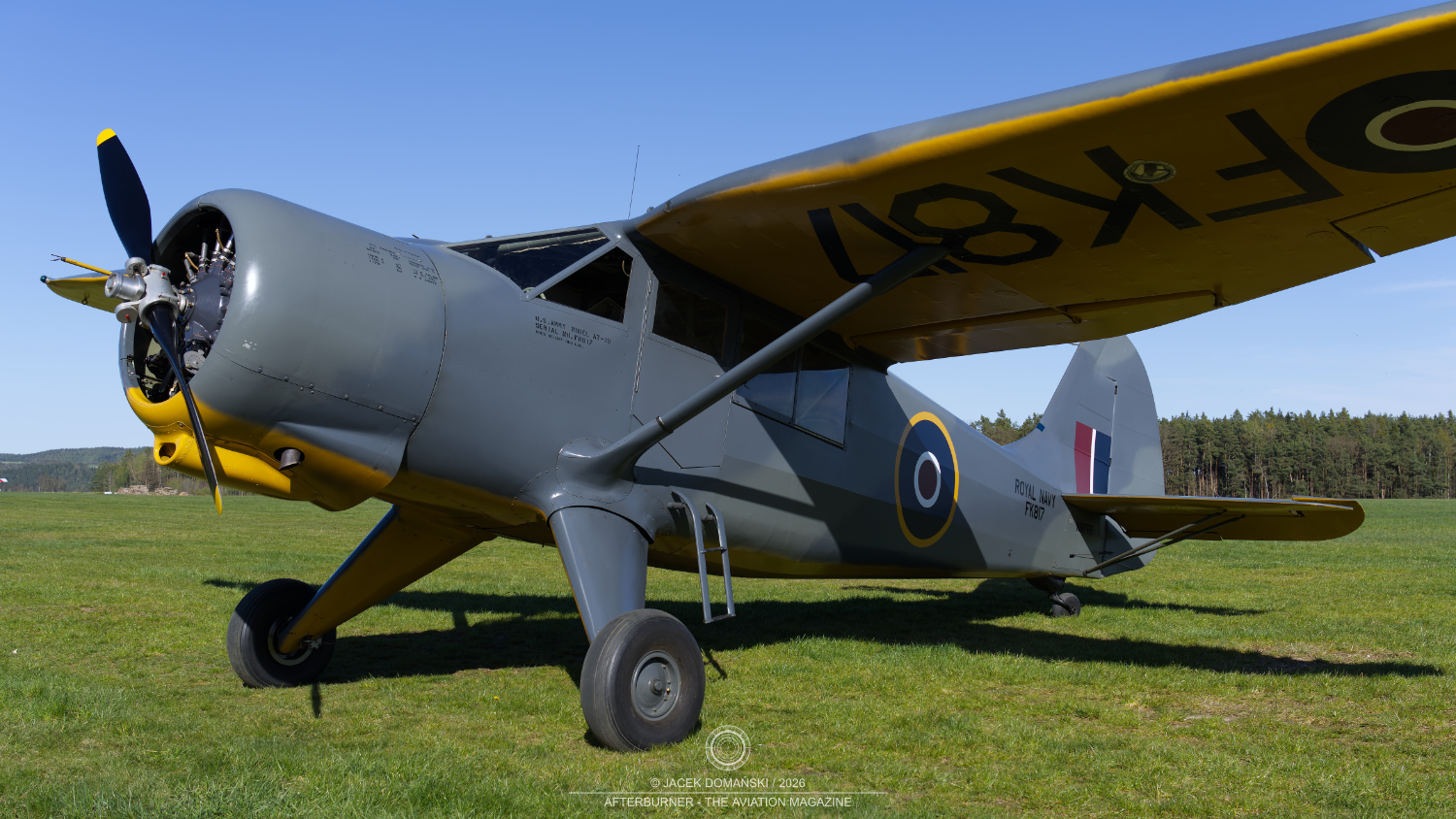
Šonka’s display was followed by another unique performance, this time flown by another aircraft associated with the Classic Trainers collection, the Stinson AT-19B (Reliant Mk III). Although this Second World War-era training aeroplane is occasionally seen at Czech aviation events, it usually participates only in static exhibitions. Flying displays by the AT-19B are rare; therefore, its performance at Plasy was a rewarding conclusion to the flying programme. It is worth emphasising that the Stinson, manufactured in 1942, is currently the oldest airworthy example of the AT-19 that has not been converted into a civil variant.
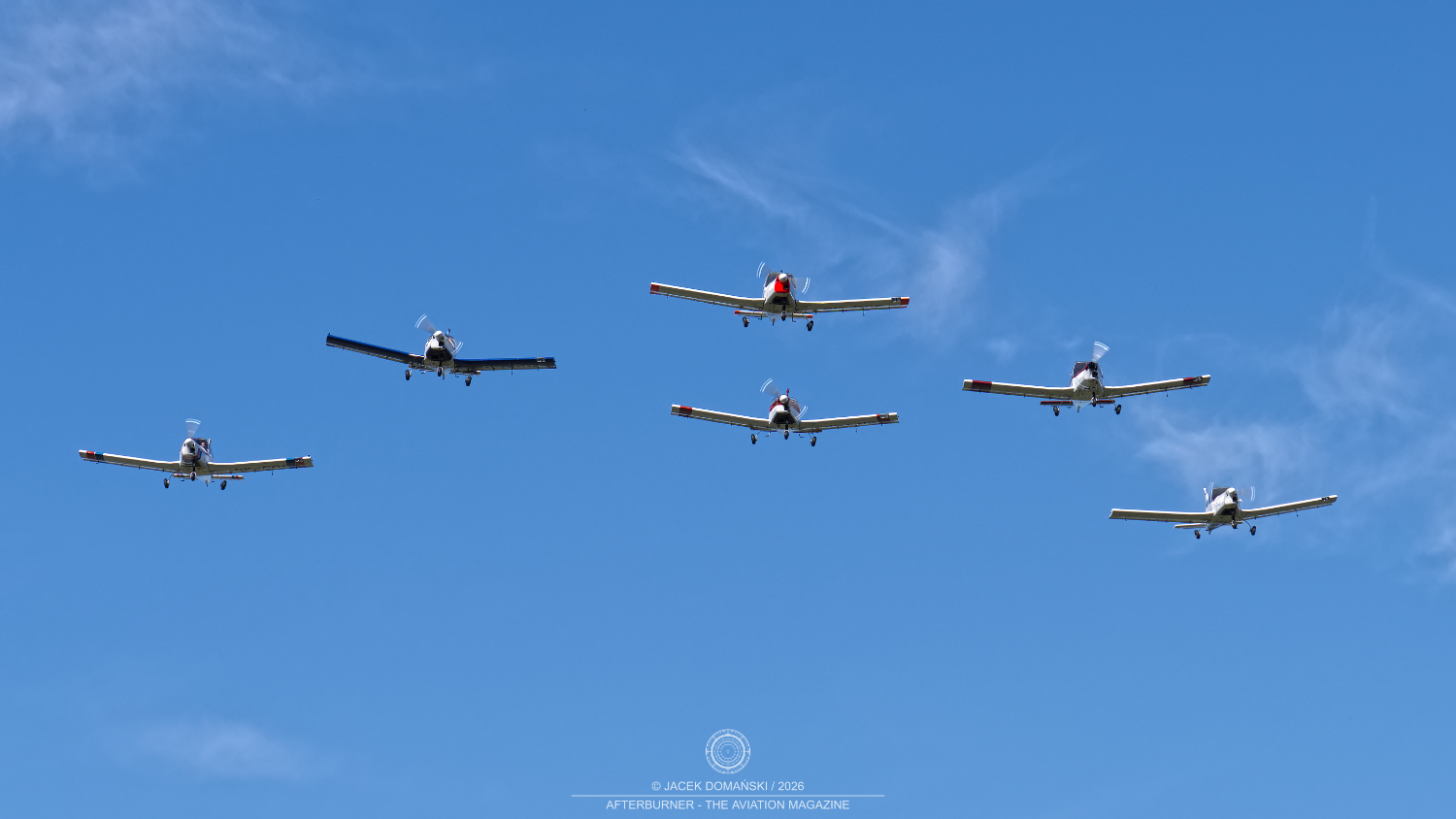
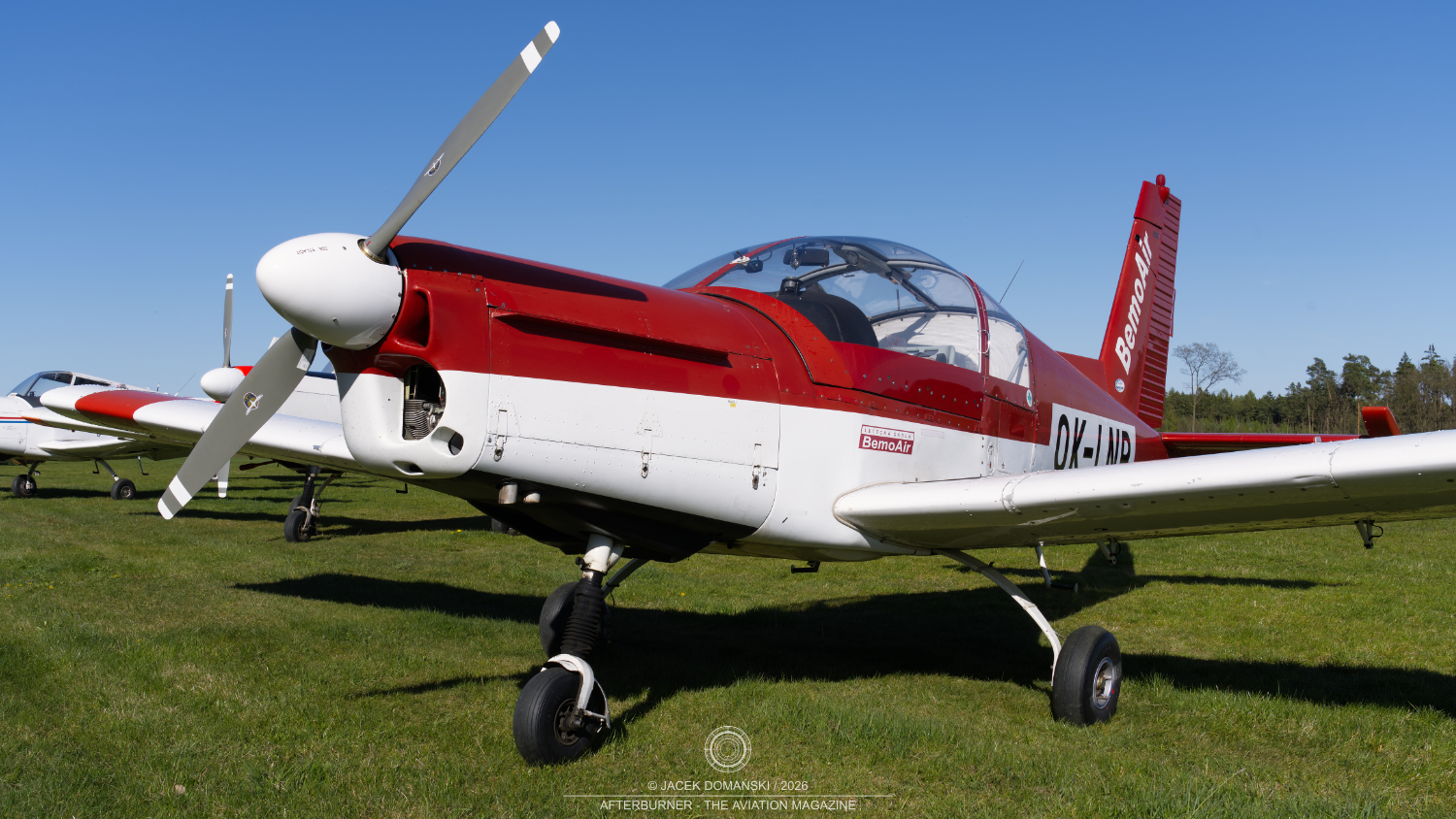
Last but not least there was the traditional Bemobox display. This year, the formation of Zlín aircraft included not only the four Z-43 and Z-142 aeroplanes belonging to the Bemoair company but, during the initial stage of the show, was expanded to as many as six aircraft. Then, in conclusion of the flying programme of the 2026 edition of Den ve vzduchu, the Bemobox team performed the traditional aviation stunt of cutting small balloons with an aircraft propeller.
In addition to the aforementioned flying programme, visitors to Plasy Airfield also had the opportunity to see several of the participating aircraft up close at the static exhibition. However, due to the technical limitations of the runway, not all aeroplanes taking part in the show were able to land in Plasy. This included the C-11 and the P-51D Mustang, which operated from their home airfields, as well as the Retro Fouga Team, which was based in Karlovy Vary.
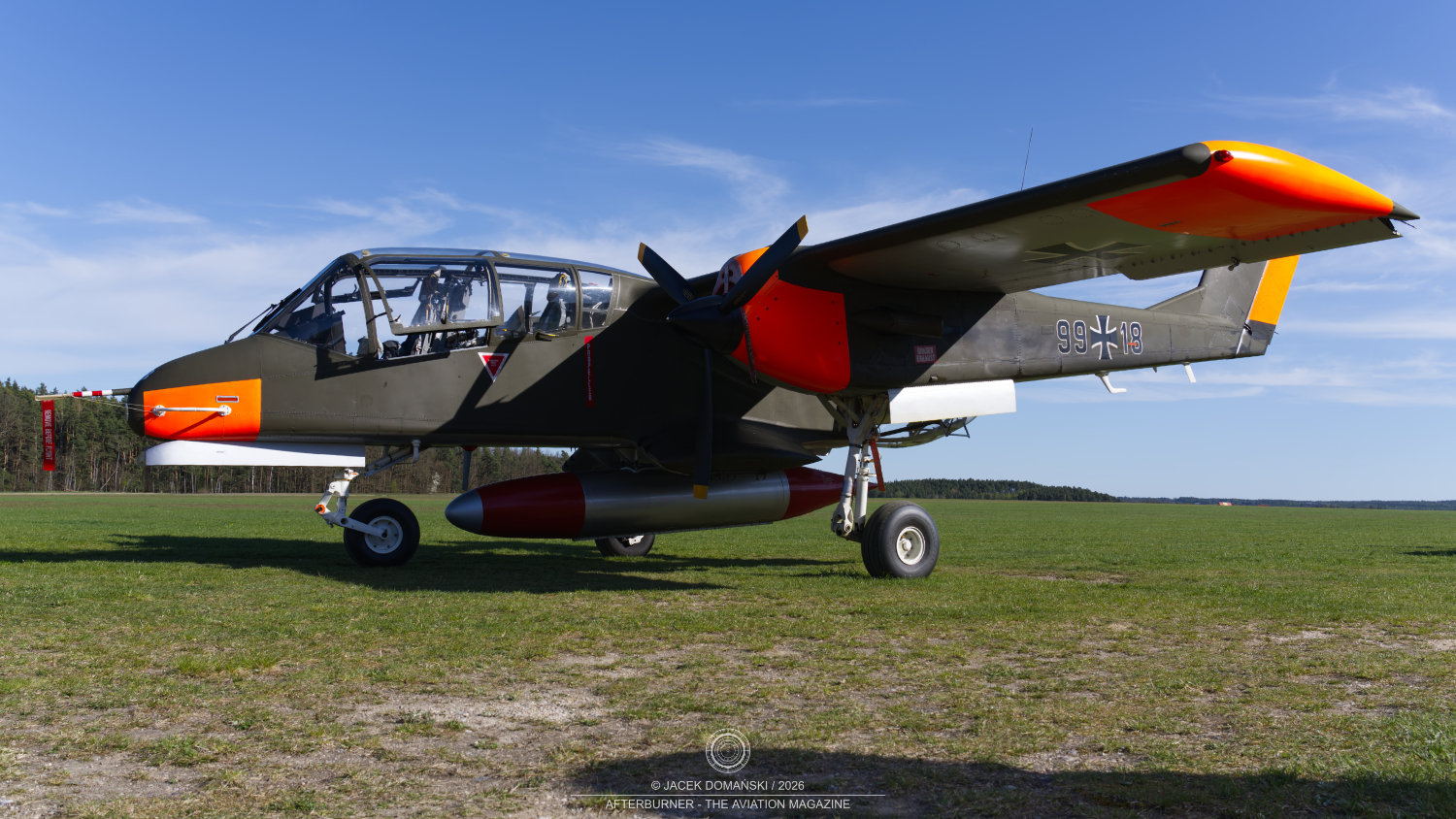
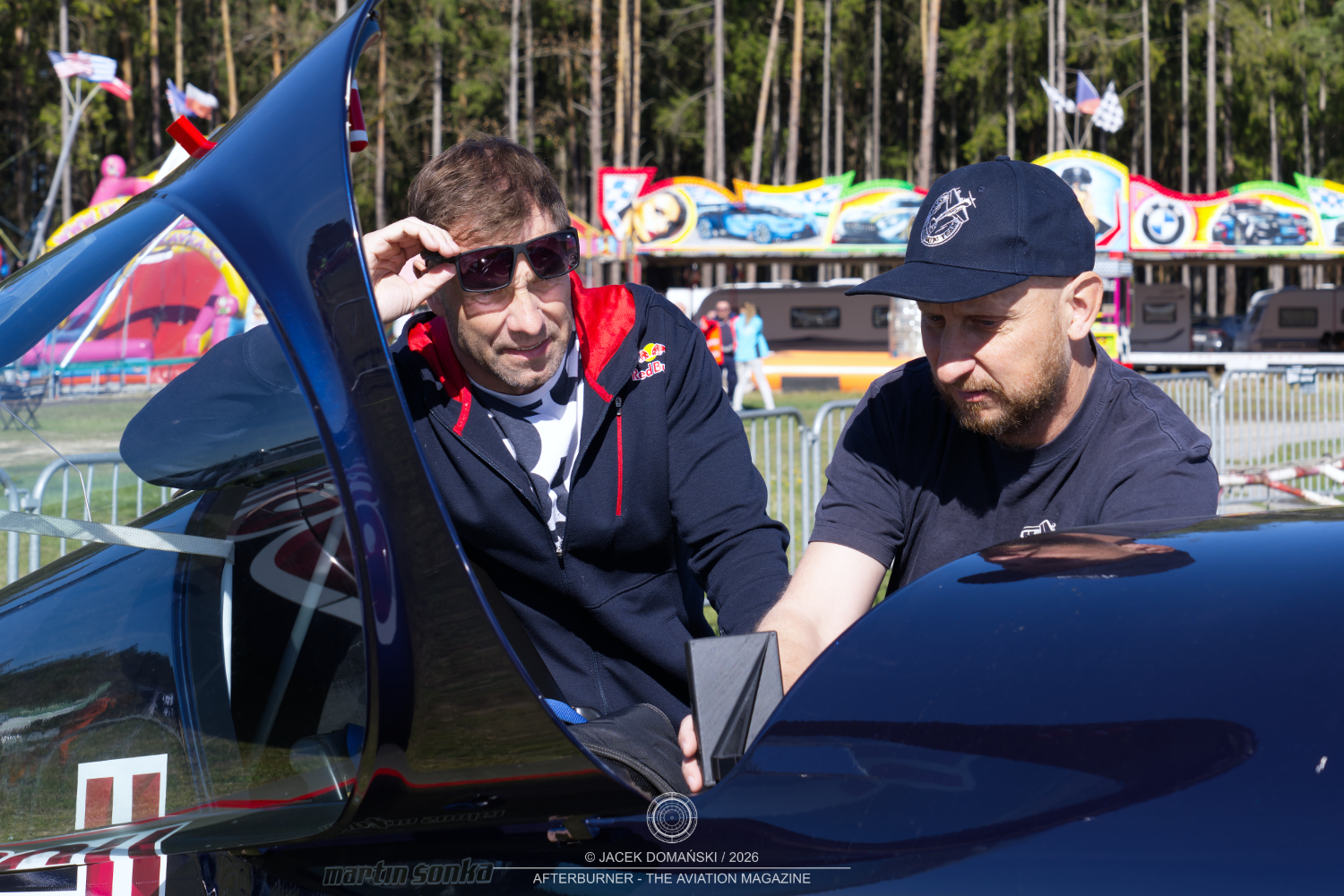
Undoubtedly, the star of this year’s static display was the OV-10B Bronco. Throughout the day, the aircraft and its crew attracted great interest from visitors. Other participants who were particularly admired included Martin Šonka and the TTake Aerobatic Team.
Nevertheless, special attention was paid to the PZL W-3A Sokół rotorcraft of the Czech Air Force. For many years, the W-3A search-and-rescue display had been one of the most admired performances at domestic aviation events, including Den ve vzduchu. Regrettably, the Czech Air Force plans to retire the helicopter from active service in the near future, and the Europe-famous SAR display team was disbanded at the end of 2025.
This year, the W-3A rotorcraft was presented only as part of the Plasy show static exhibition. Visitors had the opportunity to see the helicopter up close and speak with the crew, as well as bidding farewell to the aircraft, as this was one of its final public appearances.
According to the organisers, the cumulative number of visitors this year significantly exceeded last year’s attendance of 18,000 spectators. This demonstrates that the event not only has a loyal audience but is also able to attract new spectators each year, which bodes well for a regional air show and the opening aviation event of the season.
In 2026, Den ve vzduchu once again offered a fascinating array of flying displays, presented over the course of a three-hour programme. These included several regional debut performances, as well as national and world premieres.
More images from Den ve vzduchu 2026: