 The F-16 Fighting Falcon, one of the most widely used jet fighters in the world, emerged from the Lightweight Fighter (LWF) evaluation programme, launched by the United States Air Force (USAF) in the late 1960s.
Combat experience gained during the Vietnam War led the USAF to initiate two separate development programmes, which ultimately resulted in the creation of three iconic fighter aircraft.
The story of the F-16 began with the Energy–Manoeuvrability theory, developed by Colonel John Boyd and mathematician Thomas Christie. This theory concluded that a much smaller and lighter aircraft was necessary for modern air combat. The idea gained considerable support among USAF officers and civilian defence officials, who were commonly nicknamed the “Lightweight Fighter Mafia” (or simply the “Fighter Mafia”).
Their efforts led to the launch of a new programme, codenamed LWF, and aimed to develop a fighter that adhered to the principles of the Energy–Manoeuvrability theory. In May 1971, the LWF programme evolved into the Air Combat Fighter competition, intended to select a new multirole fighter for the USAF. An official Request for Proposals was issued on 6 January the following year and was soon answered by five companies: Boeing, General Dynamics, Lockheed, Northrop and Vought.
According to the official requirements, the new fighter was to have a maximum take-off weight not exceeding 20,000 pounds (9,100 kg), with particular emphasis placed on manoeuvrability, turn rate and acceleration. It was assumed that most combat missions would be conducted at altitudes between 9,000 and 12,000 metres, at speeds not exceeding Mach 1.6.
Eventually, the General Dynamics Model 401 and the Northrop P-600 were selected for further evaluation, receiving the official military designations of YF-16 and YF-17 respectively.
The YF-16 was developed by a team of engineers led by Robert H. Widmer. On 13 December 1973, the new aircraft was officially rolled out, and its maiden flight was scheduled for 2 February 1974.
However, on 20 January 1974, during a high-speed taxi test, test pilot Phil Oestricher decided to take off in order to avoid a potential crash. This first, although unofficial, flight of the YF-16 lasted six minutes and ended with a safe landing. Subsequently, on 2 February of the same year, the aircraft completed its official maiden flight, which lasted ninety minutes.
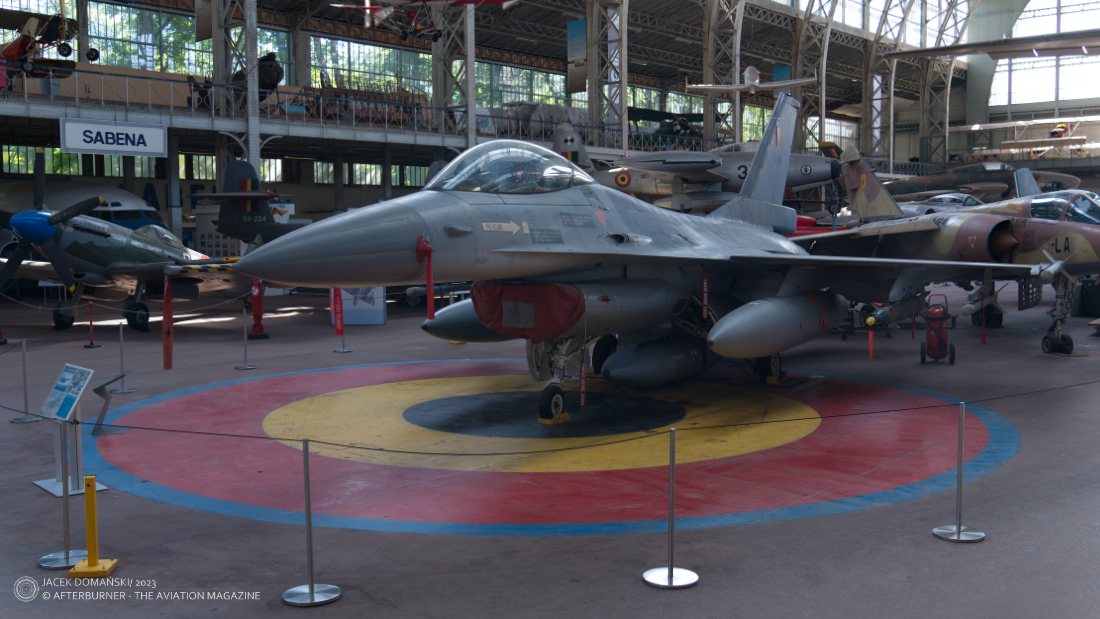
On 13 January 1975, it was announced that the YF-16 had won the competition. Shortly thereafter, the new fighter was adopted by the USAF as the F-16 Fighting Falcon, although it was commonly nicknamed the “Viper” by air force personnel. Today, the F-16 remains one of the most popular fighter aircraft in the world, with more than 4,600 examples built to date.
It is also worth noting that the YF-17 prototype led to the development of another successful fighter aircraft, the McDonnell Douglas F/A-18 Hornet.
Meanwhile, the second development initiative – officially known as the Fighter Experimental (F-X) programme – focused on building a twin-engine jet with a take-off weight of approximately 30,000 kg and a maximum speed exceeding Mach 2. Ultimately, the F-X initiative resulted in creation of the F-15 Eagle air superiority fighter.
Additional information about the F-16 Fighting Falcon development and operational history can be found in our previous articles, 20 January 1974 – the first, although unofficial, flight of F-16 Fighting Falcon, General Dynamics F-16BM Fighting Falcon and The first F-16 Block 70 evaluation flights at Edwards AFB.
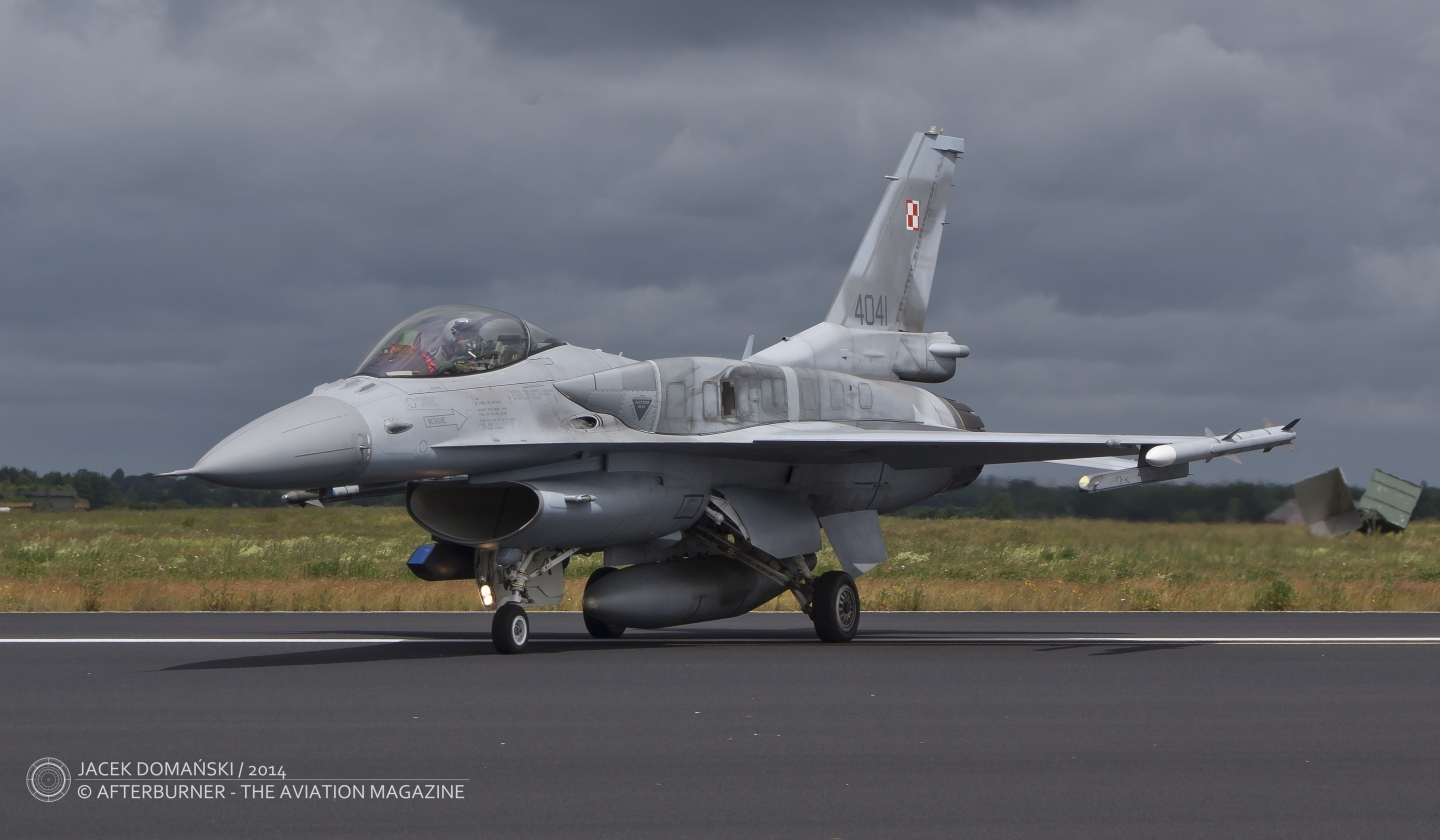
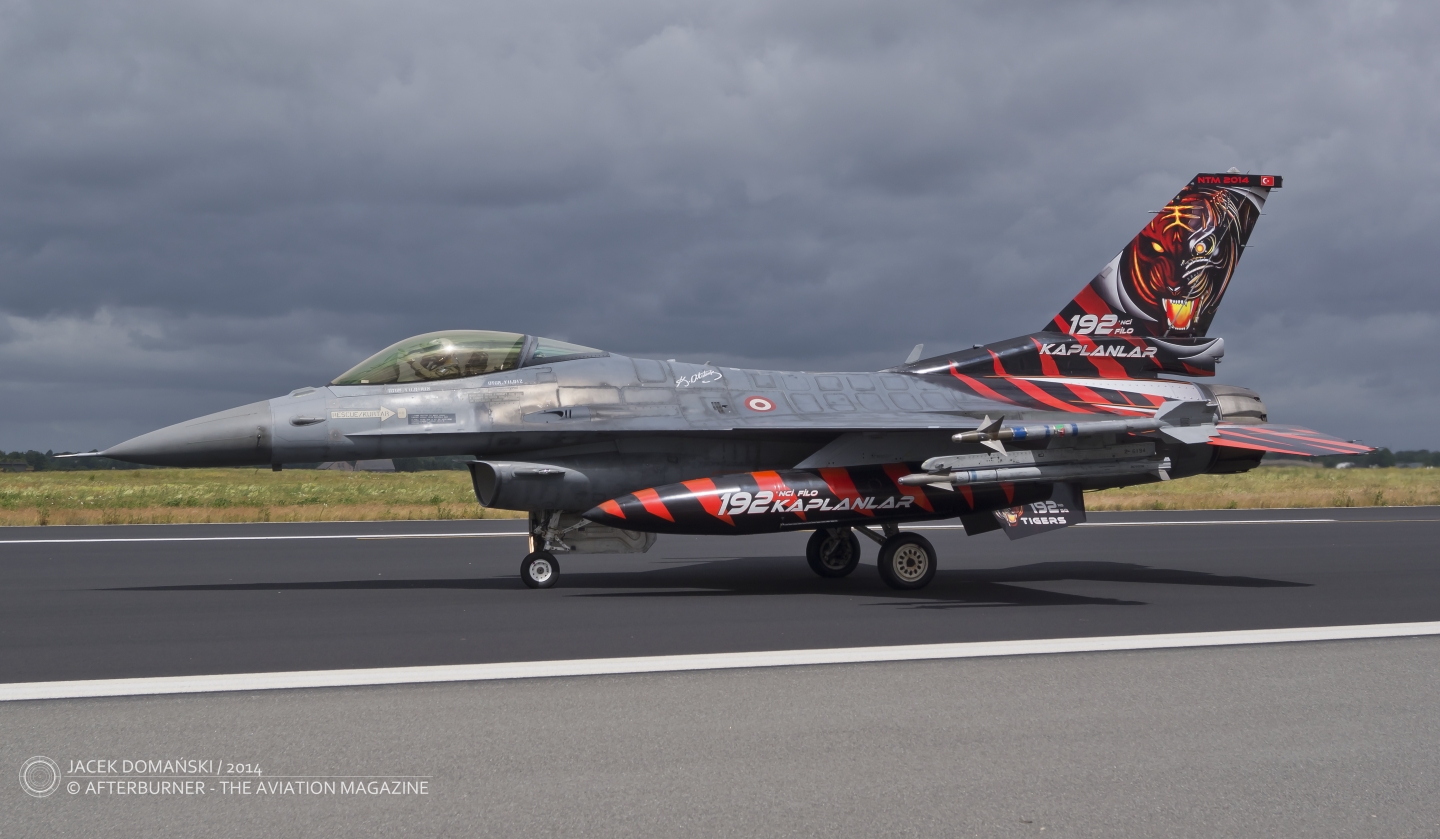
Cover photo: F-16C, Turkish Air Force, NTM 2014