 Global attention has been focused on Greenland for some time now, owing to the foreign policy of the United States. It is therefore unsurprising that recent developments have led to increased military activity by Forsvaret (the Danish Defence) on the island.
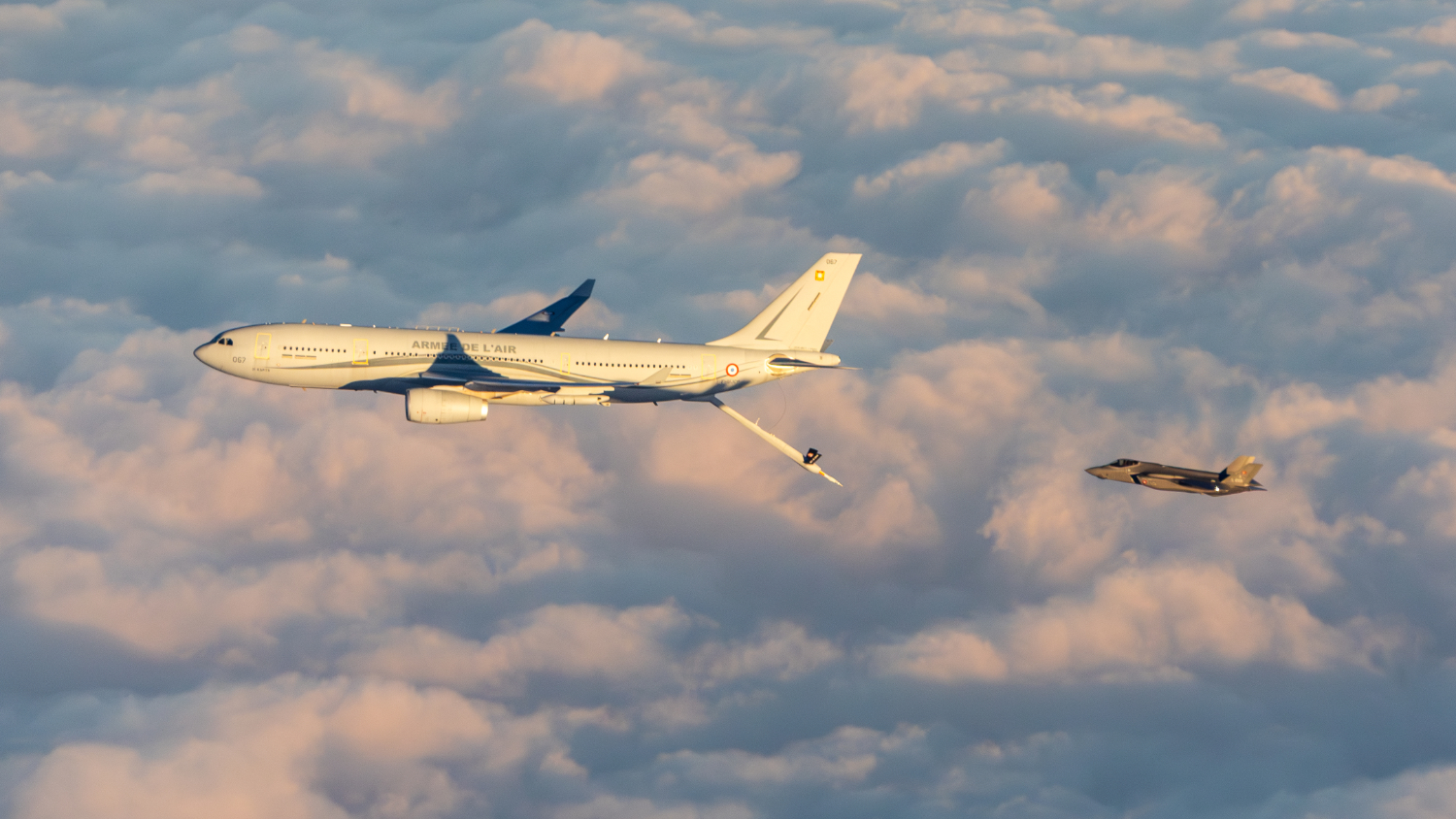
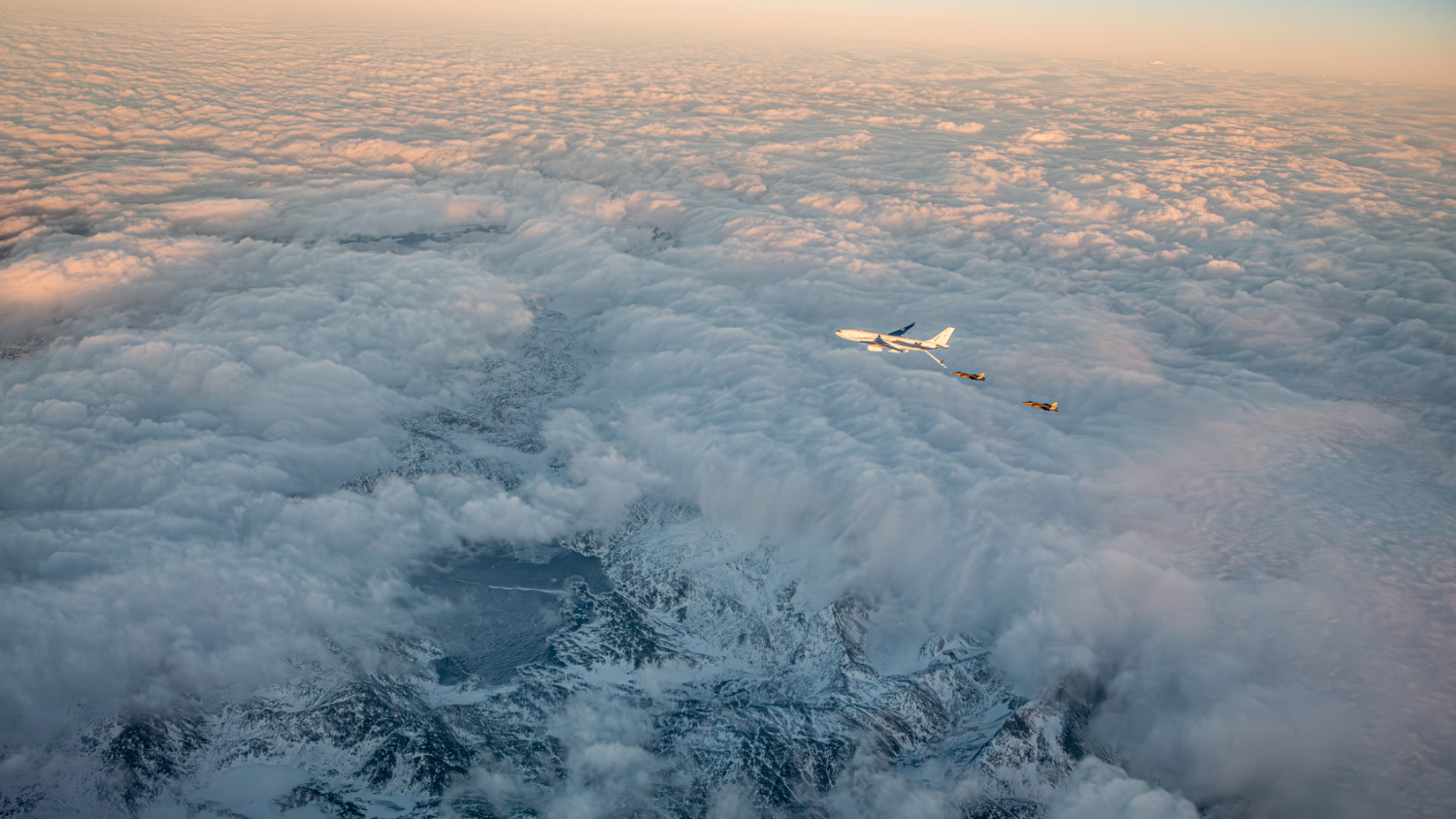
On 16 January 2026, two Danish F-35 Lightning II fighter jets carried out a long-range training mission over south-eastern Greenland. During the exercise, Flyvevåbnet (the Royal Danish Air Force – RDAF) was supported by an Airbus A330 Multi Role Tanker Transport – MRTT Phénix operated by Armée de l’air et de l’espace (the French Air and Space Force).
The two Danish F-35s took off from Skrydstrup Air Force Base on the Danish mainland and flew directly to the area around Kulusuk on the east coast of Greenland. En route, the fighters passed near the Faroe Islands, an autonomous territory of the Kingdom of Denmark in the North Atlantic Ocean.
Similar training missions had been conducted by the RDAF in the previous year, although yet with the F-16 Fighting Falcon fighter jets. However, Denmark officially bade farewell to its Viper fleet during a solemn ceremony held on 18 January at Skrydstrup (Denmark says farewell to F-16 Fighting Falcon jets).
The aforementioned long-range fighter mission attracted the greatest interest from international media. However, it was only one of several exercises carried out by the Danish military in Greenland at the beginning of 2026.
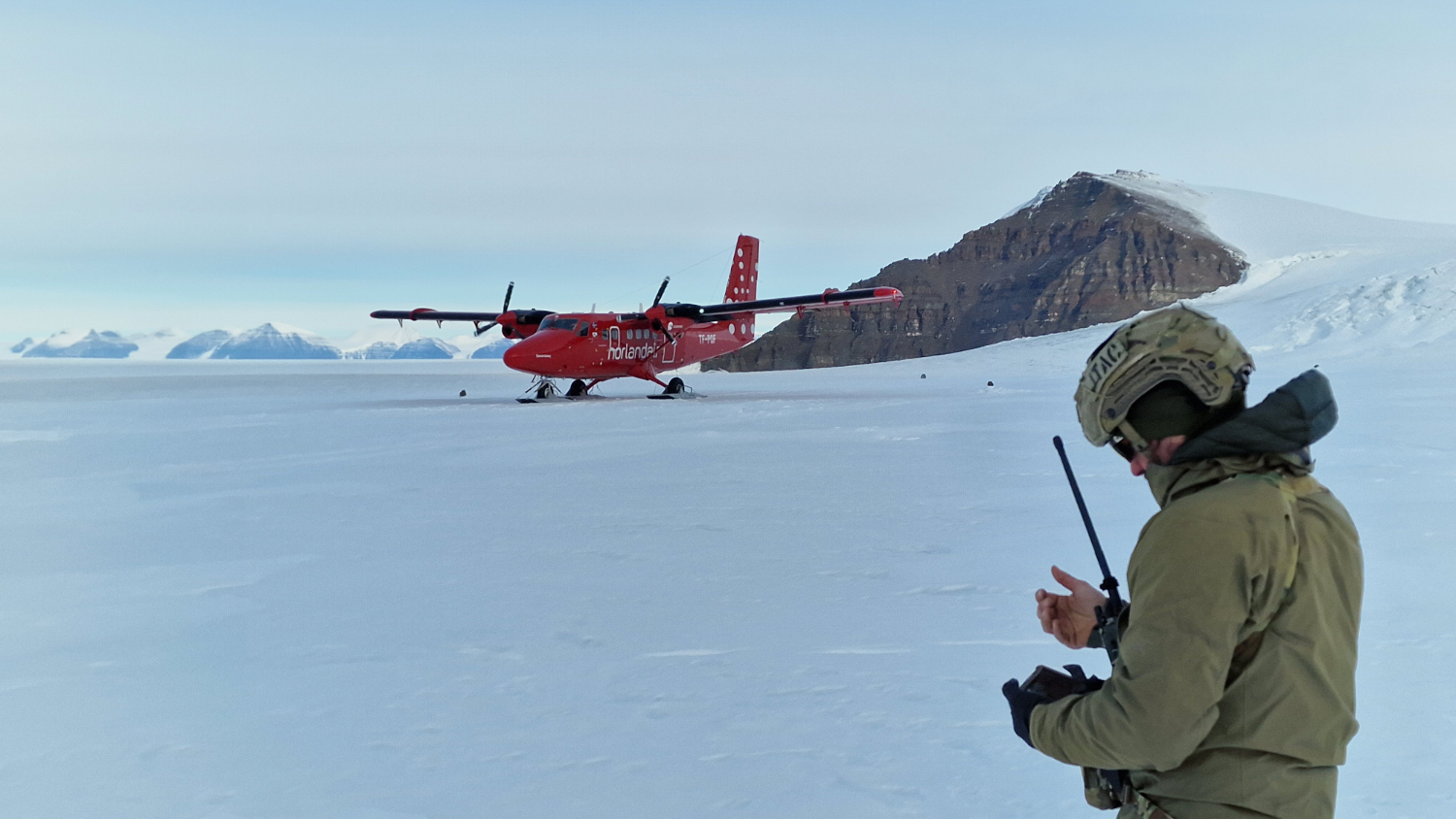
Equally noteworthy, though largely overlooked, was the training of the Jaeger Corps’ Arctic Specialists, who for the first time operated across the entire Greenlandic landscape, including high-alpine terrain. As part of this mission, Danish soldiers conducted operations along the Blosseville Coast, an area that had never previously been patrolled by the Danish Defence.
The operation began with an airlift to Iceland, followed by transport to Greenland aboard the inspection vessel Thetis. The Arctic Specialists – former patrol leaders from Siriuspatruljen (the Sirius Patrol) – were then deployed along the Greenland coast to identify a viable route from the coastline to Gunnbjørn Fjeld, the highest peak of the island.
The Sirius Patrol is a twenty-six-month elite training programme designed to prepare military personnel for operations in the Arctic wilderness. Upon completion, members of the unit have the opportunity to continue their training and become Arctic Specialists. Both formations are assigned to the Sirius Squadron of Jægerkorpset (the Jaeger Corps), the special operations force of Forsvaret.
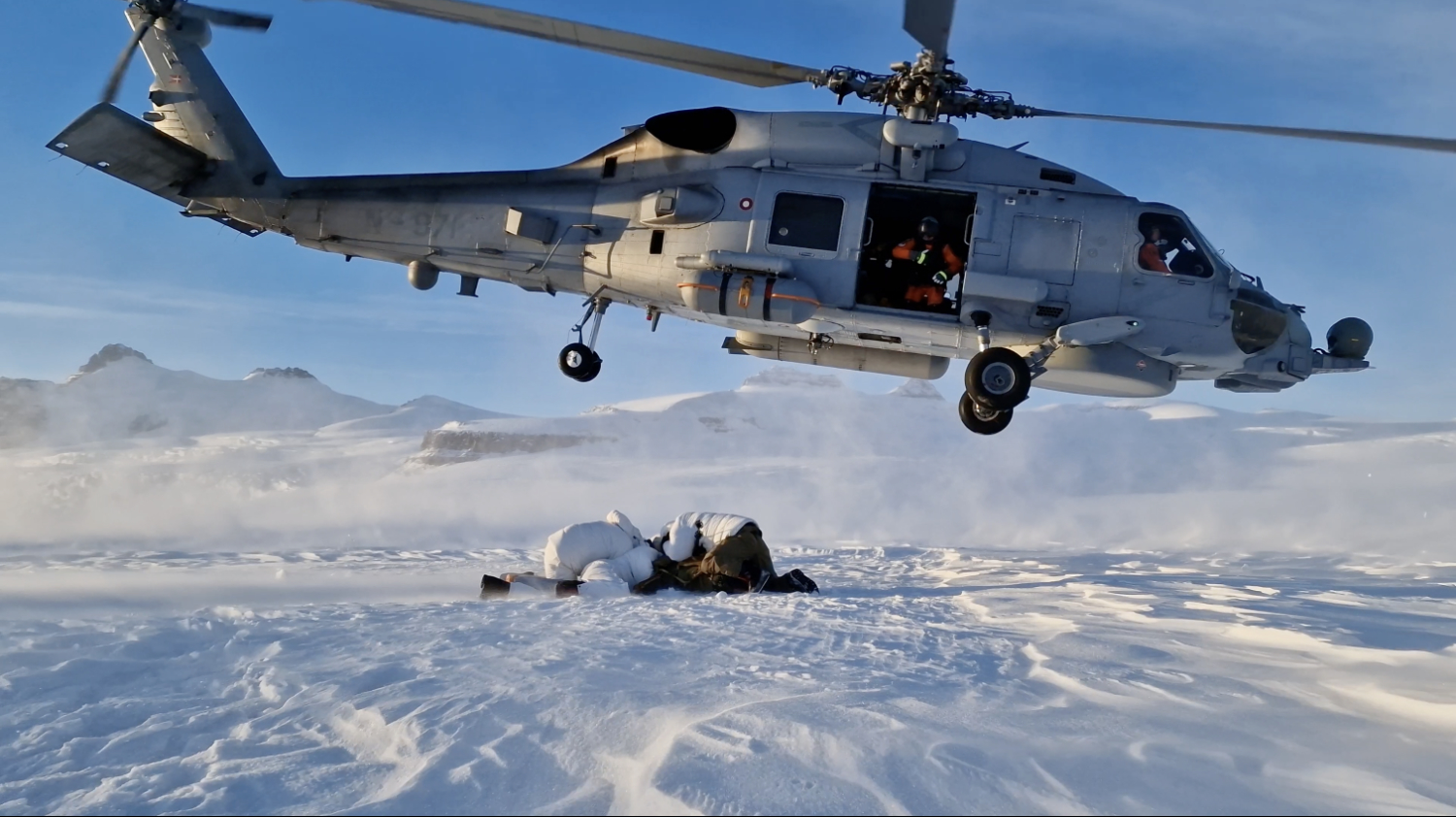
During the most recent operation in Greenland, the Arctic Specialists were supported by RDAF MH-60R Seahawk helicopters. They carried out a series of reconnaissance flights over known areas, former fuel depots, and old camps that had been set up for mineral exploration.
According to Christopher Sohl, Acting Commander of the Sirius Squadron, one of the most important outcomes of the Blosseville Coast operation was the creation of a detailed terrain map.
“All areas the team traversed – on foot, by snowmobile and by air – have been plotted on a map. These markings are supplemented with assessments of where it is possible to land, operate snowmobiles, conduct helicopter insertions or manoeuvre where specialised mountain training is required. If the Danish Armed Forces need to conduct an operation in the area in the future, concrete terrain knowledge now exists,” said Sohl.
Cover photo: A Danish F-35 and French MRTT tanker aircraft in training off the southeast Greenland (photo: Rune Dyrholm/Forsvaret, cropped)
Information from Forsvaret / the Danish Defence press releases were used. All photos and quotations © the Danish Defence.