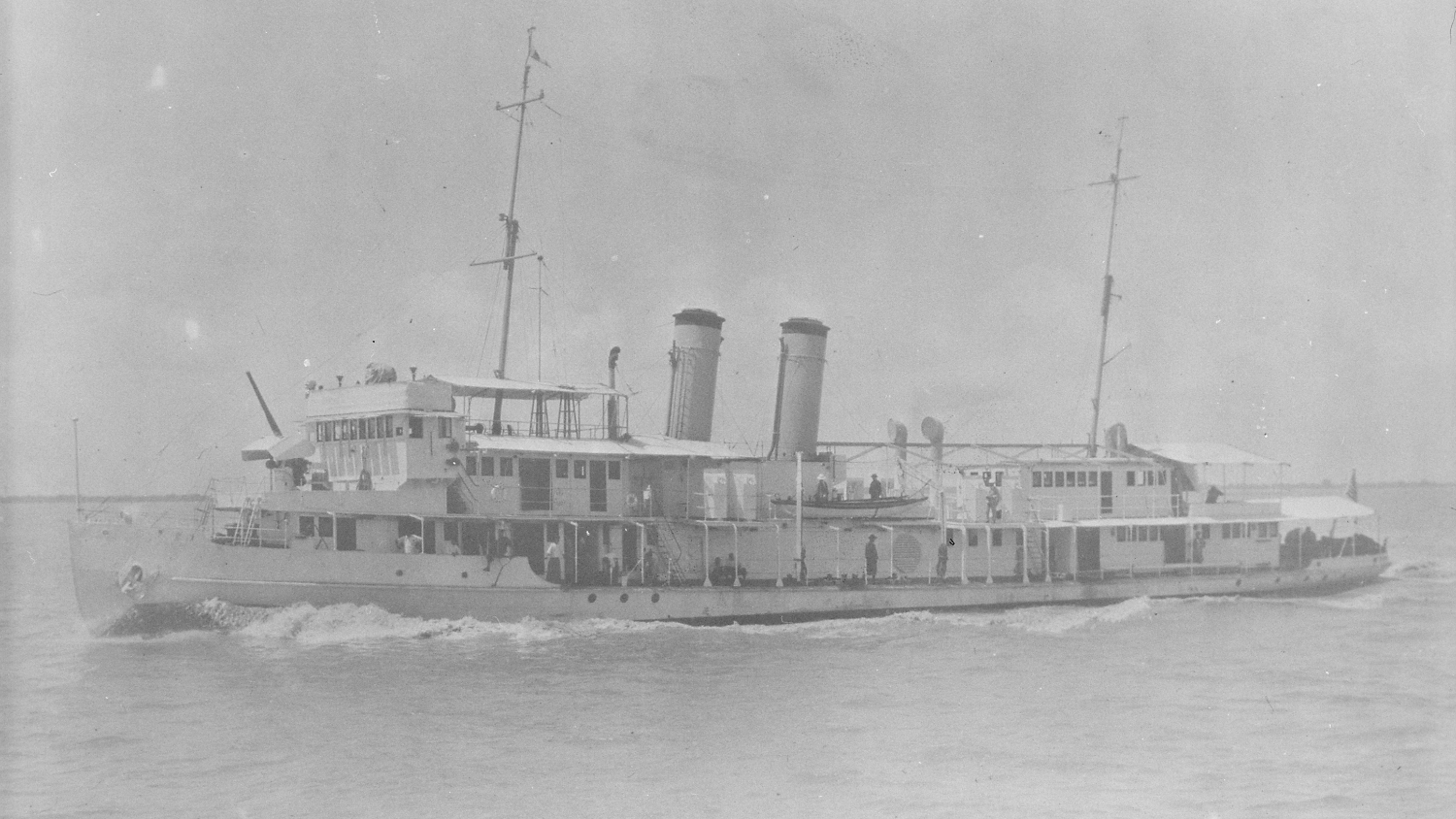
 On 12 December 1937, Japanese bomber aircraft sank the river gunboat USS Panay while she was patrolling on the Yangtze River in China.
USS Panay was launched on 10 November 1924. She was built as a river gunboat to serve with the US Asiatic Fleet, particularly on the Yangtze River.
Officially, USS Panay and her sister ships were tasked with protecting American interests, citizens and property during periods of unrest in China and throughout the Sino-Japanese War that followed. At that time, navigation on the Yangtze was threatened by armed gangs and outlaw soldiers who attacked any vessel on the river.
In the summer of 1937, Japanese forces invaded China. USS Panay took part in the evacuation of American embassy staff and civilians from Nanjing, and then continued her patrol duties as part of the Yangtze Patrol.
However, on 12 December 1937, following reports that several Chinese steamers were navigating the river, the Imperial Japanese Army ordered naval forces to attack “any and all ships” on the Yangtze above Nanjing.
At that time, USS Panay, together with three other vessels, was anchored on the river about 28 miles (45 kilometres) upstream from Nanjing. The American ship, as later reported, was clearly marked with large American flags painted on the cabin roof and additional flags flown on board.
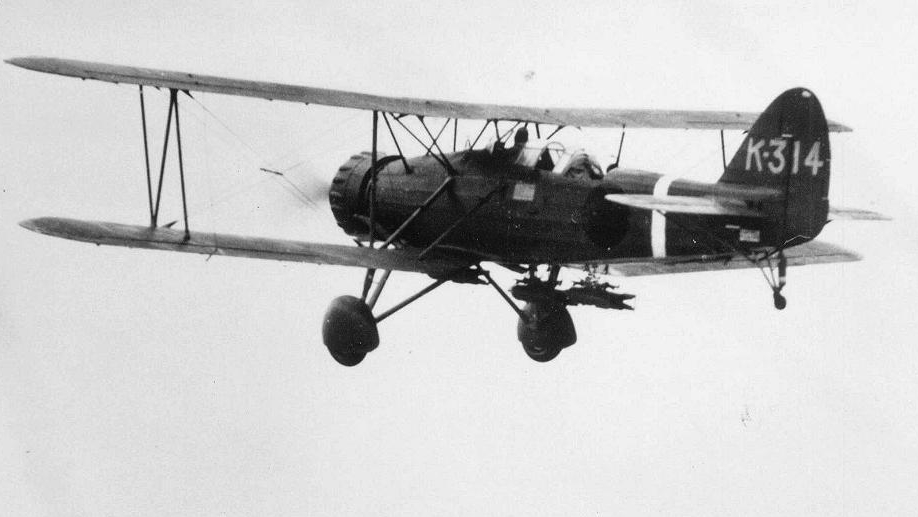
Despite of that, USS Panay was attacked by a formation of Japanese Yokosuka B4Y (Navy Type 96 Carrier Attack Bomber / Allied reporting name: Jean) bombers and Nakajima A4N (Navy Type 95 Carrier Fighter / Allied reporting name: none assigned) fighters.
The American gunboat was hit by two 60 kg bombs. One of them disabled her forward gun and then USS Panay suffered further damage while other bombs exploded near the vessel. Shrapnel, as well as the machine gun fire from the aircraft, damaged the hull and injured crewmen on deck. The Japanese attack continued until USS Panay sank at 15:54 hours. Four people were killed and forty-three sailors and civilians were injured in the attack.
The Imperial Japanese Navy aircraft were led by Lieutenants Okumiya Masatake and Shigeharu Murata. Four years later, the latter would lead torpedo bombers in the attack on Pearl Harbor.
Later that day, Japanese aircraft attacked and sank the British vessel SS Wantung.
This event, commonly known as the Panay Incident, caused an uproar in the United States. Criticised by American diplomats, the Japanese government accepted full responsibility for the attack.
However, Japanese officials denied that USS Panay had been marked with American flags. They also claimed that the naval aircraft had been targeting nearby Chinese vessels and that any damage to the gunboat was unintentional.
Finally, in April 1938, Japan paid an indemnity of more than 2.2 million USD (an equivalent to about 51 million USD today) which officially settled the incident.
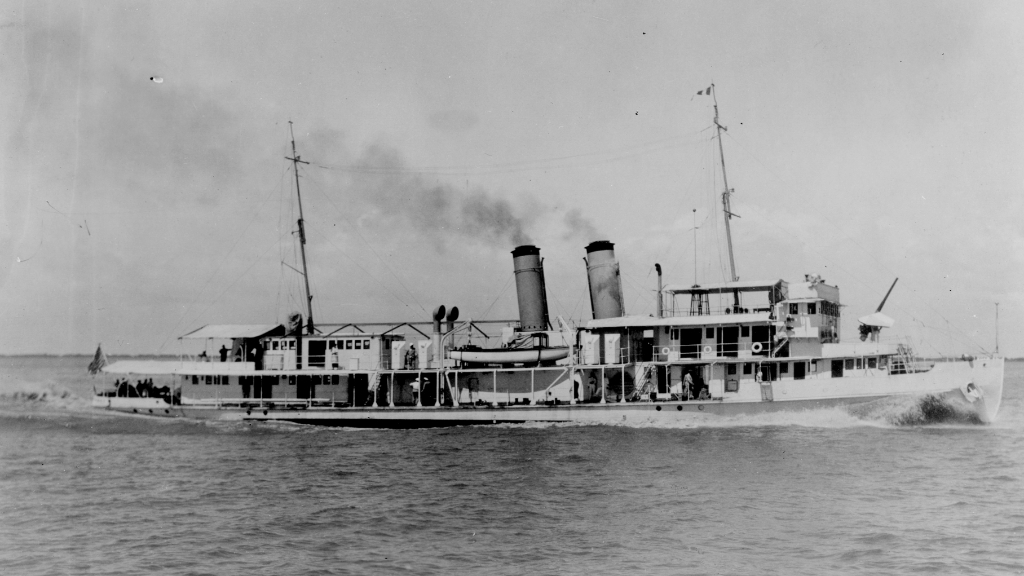
Cover photo: USS Panay, 30 August 1928 (National Archives, 512989)