 On 7 August 1913, Samuel Cody died in an aviation accident when his floatplane crashed near Farnborough, England.
Samuel Franklin Cowdery (later known as Samuel Franklin Cody and nicknamed the “Flying Cowboy”) was born on 6 March 1867 in Davenport, Iowa. Not much is known about his early life, as he later used to tell several stories about his youth that were difficult to prove either true or false.
However, it can be said without any doubt that Cody’s early years were those of an adventurous cowboy. He became a skilled horseman, knew how to train horses, shoot and use a lasso, as well as gained some experience as a gold prospector.
In 1888, Cody joined Forepaugh’s Circus and its famous Wild West show. Together with the circus, he toured the United States, and it was during this period that he became known as Samuel Franklin Cody. The following year, he got married and then travelled to Europe, where he claimed to be the son of the well-known hunter and showman Buffalo Bill (whose real name was William Frederick Cody).
Cody’s wife returned to the United States at the end of 1891 due to poor health. The showman then began a relationship with Elizabeth Mary King, who adopted the stage name Lela Marie Cody. Together with his new partner and her children, Cody toured Europe and became famous for his Wild West performances and cowboy stunts.
It is not clear when Samuel Cody became interested in aviation. It is known, however, that at first he focused on kites and developed several designs, including large models capable of carrying a passenger gondola or reaching altitudes of several thousand feet. In 1901, he patented one of these designs, now known as the Cody kite.
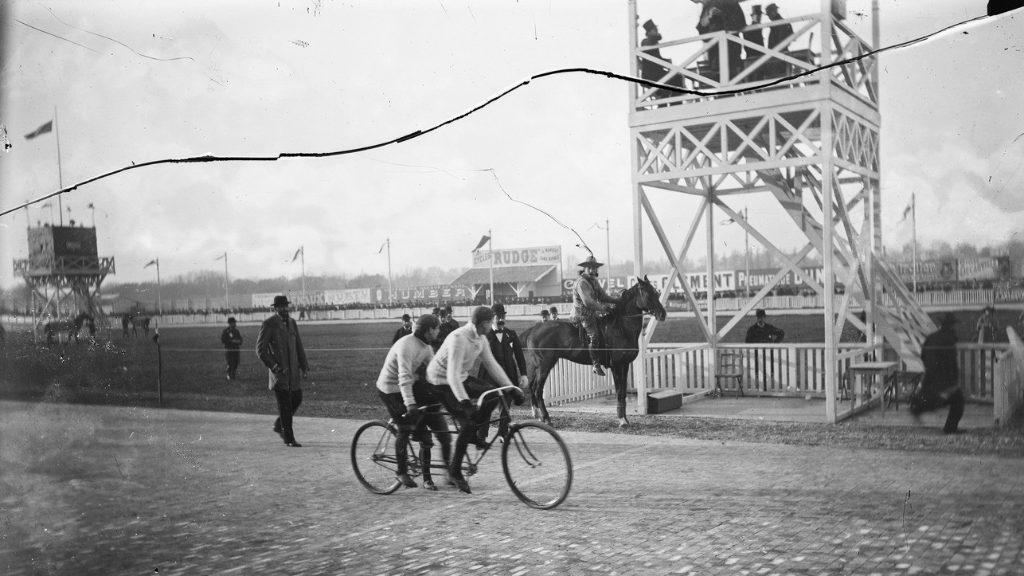
At the beginning of the 1900s, Cody successfully continued developing his kites. His designs were used for meteorological purposes, and he became a Fellow of the Royal Meteorological Society. Later, the Wild West showman worked on kite designs for the British military, some of which were eventually purchased by the Admiralty and the British Army.
In 1907, Cody developed an unmanned powered kite. Equipped with wings and a twin-fin tailplane, it was powered by a 15 hp Buchet engine. However, the “power kite” was only tested indoors, inside the Farnborough Balloon Shed.
In the same year, the American inventor developed his first airship. Officially known as British Army Dirigible No. 1, but christened Nulli Secundus (“Second to none”), this semi-rigid airship became the first British powered military aircraft.
Nulli Secundus made its maiden flight on 10 September 1907 at Farnborough. On 5 October of the same year, the airship was flown from Farnborough to London, with Cody and two senior British Army officers on board.
After flying over the capital, the crew planned to return to Farnborough, but a strong headwind made this impossible. Nulli Secundus was moored at Crystal Palace, where it was damaged by high winds on 10 October.
The remains of the airship were taken back to the workshop and used to create a modernised version named Nulli Secundus II. The airship made only two flights in 1908 before being scrapped. However, Cody used its engine to power his new development, the first British powered aeroplane.
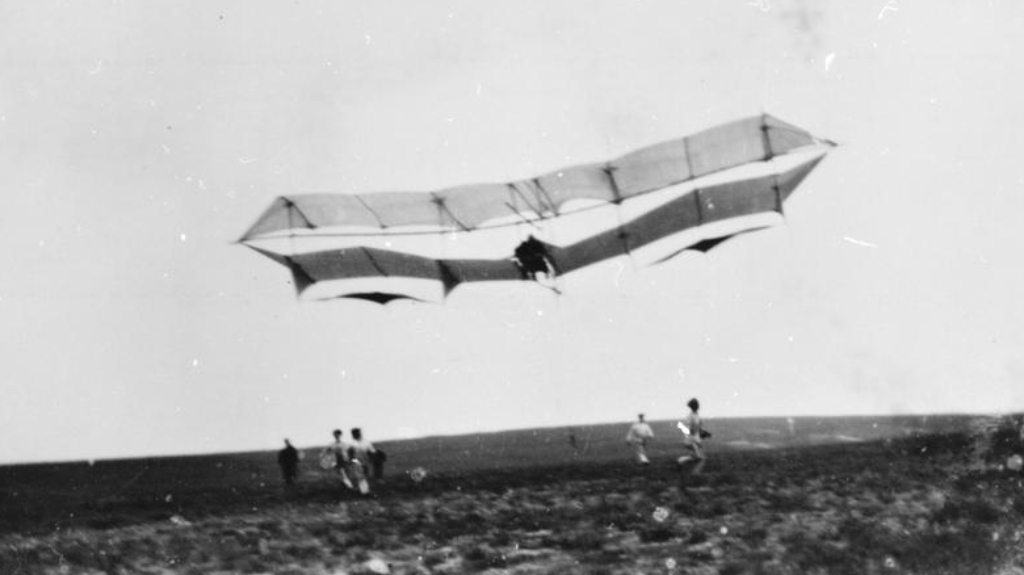
The aircraft, officially known as British Army Aeroplane No. 1 but commonly referred to as the Cody No. 1, was a three-bay canard biplane. It was initially powered by a 50 hp Panhard-Levassor engine; however, this proved unreliable. Cody therefore decided to install the 50 hp Antoinette engine from Nulli Secundus II.
On 16 October 1908, the British Army Aeroplane No. 1 successfully performed its maiden flight, marking British aviation history with the country’s first officially recognised powered and sustained flight.
Over the following months, works on Cody’s aeroplane continued. In May 1909, it completed a flight of more than one mile. Then, in September of the same year, the Cody No. 1 remained airborne for more than an hour, covering a distance of 40 miles.
In the 1910s, Cody’s second aeroplane design won the Michelin Cup by performing the longest flight in England to date, lasting 4 hours and 47 minutes. The following year, his third aircraft finished fourth in the Daily Mail’s Circuit of Britain air race, becoming the only British aeroplane to complete the competition. Finally, the Cody V biplane won first prize in the British Military Aeroplane Competition in 1912.
Interestingly, the former Wild West showman was also a pioneer of aerial stunts. He was, for example, the originator of the daredevil performance later known as “wing walking”. On 14 January 1911, Cody flew his biplane while his two stepsons stood on its lower wings.
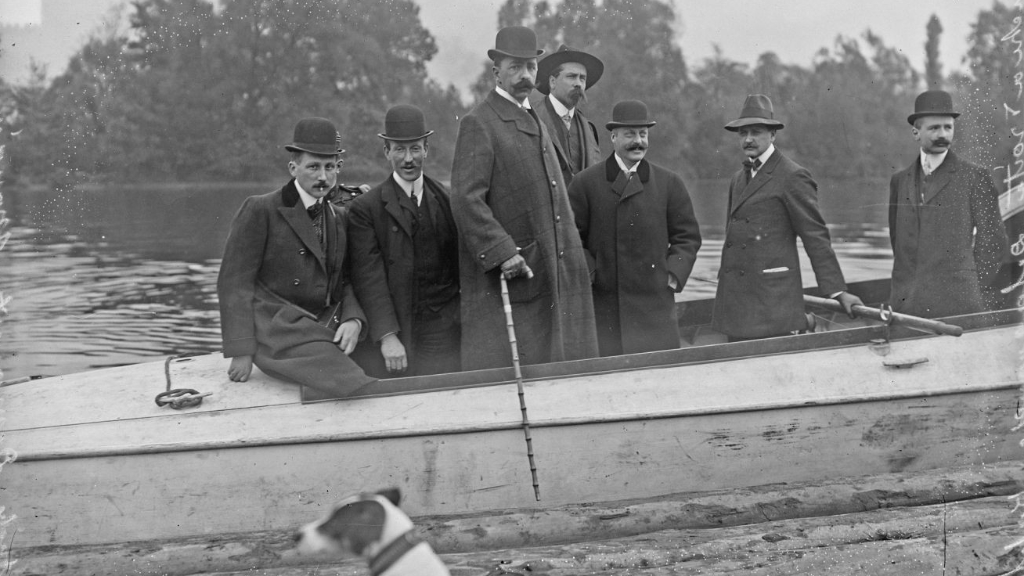
In 1913, Samuel Cody began developing a floatplane. Designated the Cody Floatplane (also known as the Cody Hydro-biplane), the aircraft was intended to compete in the Daily Mail Circuit of Britain race that year.
On 14 July 1913, the floatplane made its maiden flight. At this early stage, however, the aircraft was configured as a landplane for flight testing. The first flights from water were planned for 7 August but, on the morning of that day, Cody decided to make an additional flight with a passenger, the cricketer William Evans.
During the flight, the aircraft suffered a structural failure and broke up in mid-air. Cody and Evans were thrown from the aeroplane and were killed instantly.
This tragic and untimely death prevented the aviation pioneer from completing work on the Cody VI, his first monoplane design.
The Wild West adventurer, showman and aviation pioneer is officially commemorated in Farnborough, where the Cody Technology Park and the Cody Cricket Club were named in his honour. A full-size replica of British Army Aeroplane No. 1 was built to mark the 100th anniversary of its maiden flight and is now exhibited at the Farnborough Air Sciences Trust Museum.
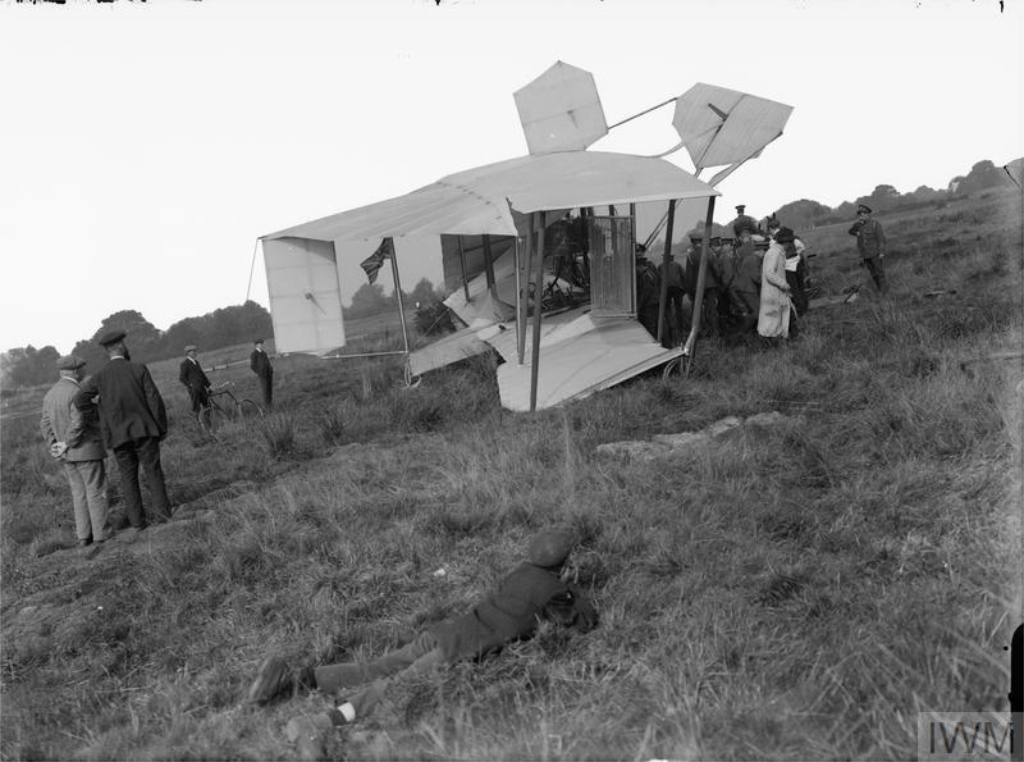
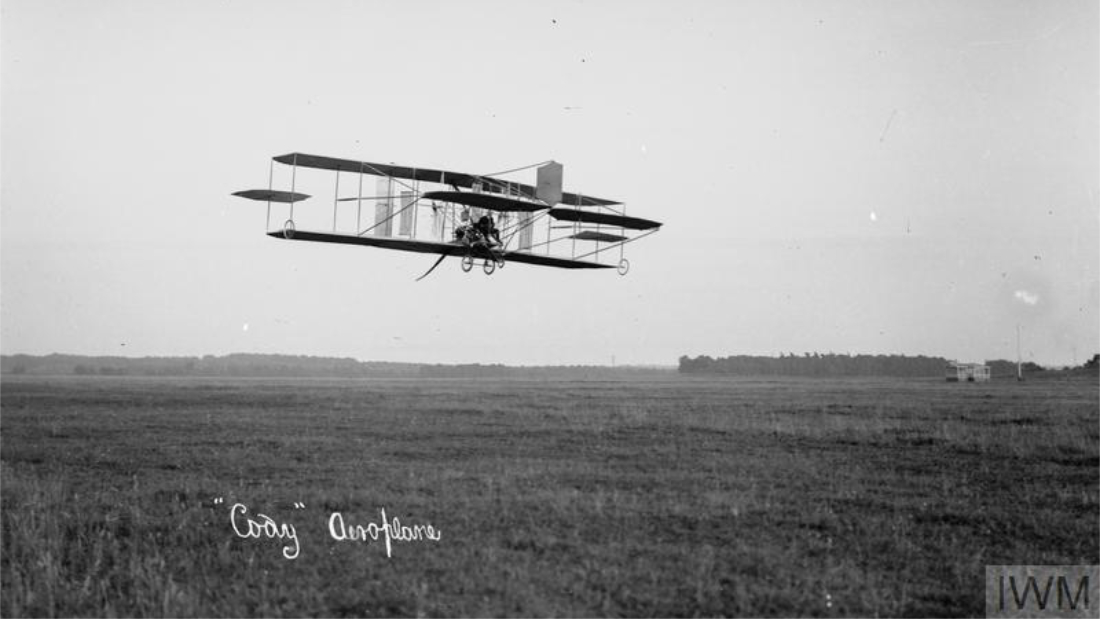
Cover photo: Cody Aircraft Mark IC (nicknamed Cathedral) in flight over Laffan’s Plain near Aldershot with S F Cody at the controls / original caption. Photo: © IWM (RAE-O 161).
All Imperial War Museums´ photos used under IWM Non-Commercial licence.