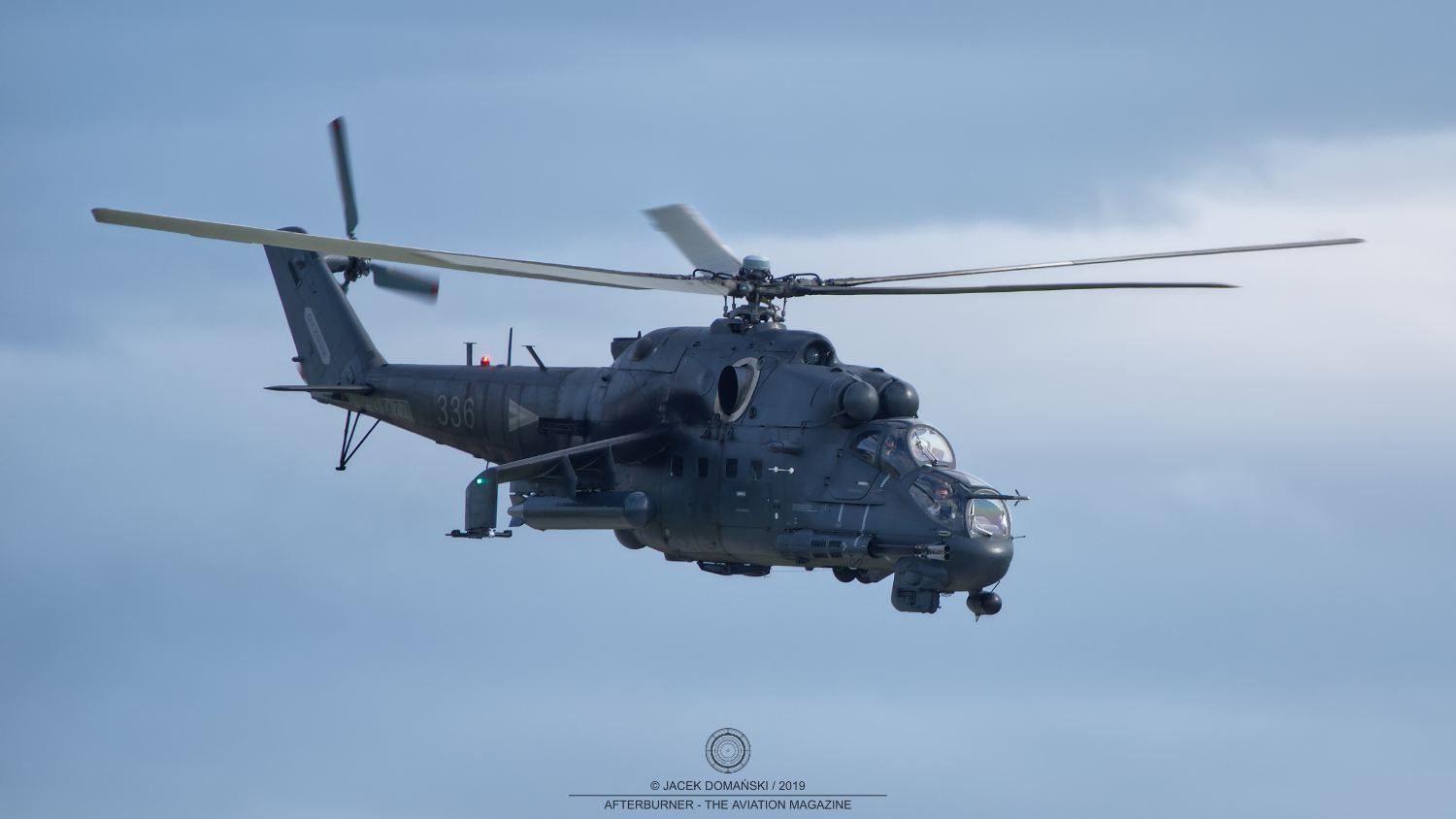
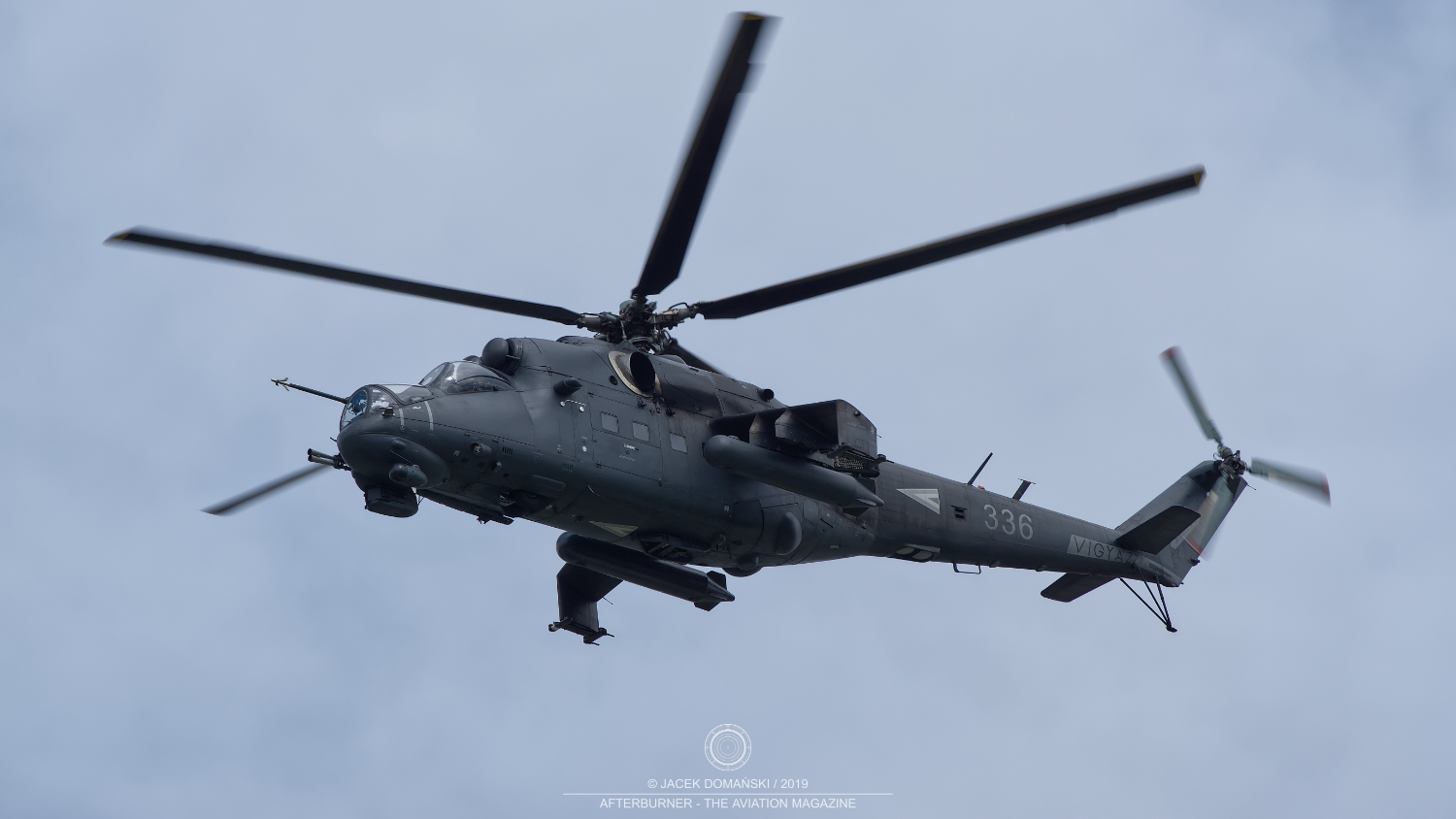
 According to Hungarian aviation media, the country’s armed forces have just retired their fleet of Mil Mi-24 (NATO reporting name: Hind) attack helicopters, effective in the first week of February 2026.
As reported by several Hungarian aviation websites1,2,3 , the farewell event – including the final flight – was closed to both the media and the public, and took place on 4 February at Szolnok Air Base. The retirement was reportedly caused by the expiry of the helicopter service life, which was due to lapse on 5 February. However, this information has not yet been officially confirmed by the Hungarian defence authorities.
The Mi-24 attack helicopters entered service with the then Hungarian People’s Army in 1978, after the initial delivery of four Mi-24D rotorcraft. The initial order for twenty helicopters was subsequently followed by additional acquisitions in 1980 and 1985.
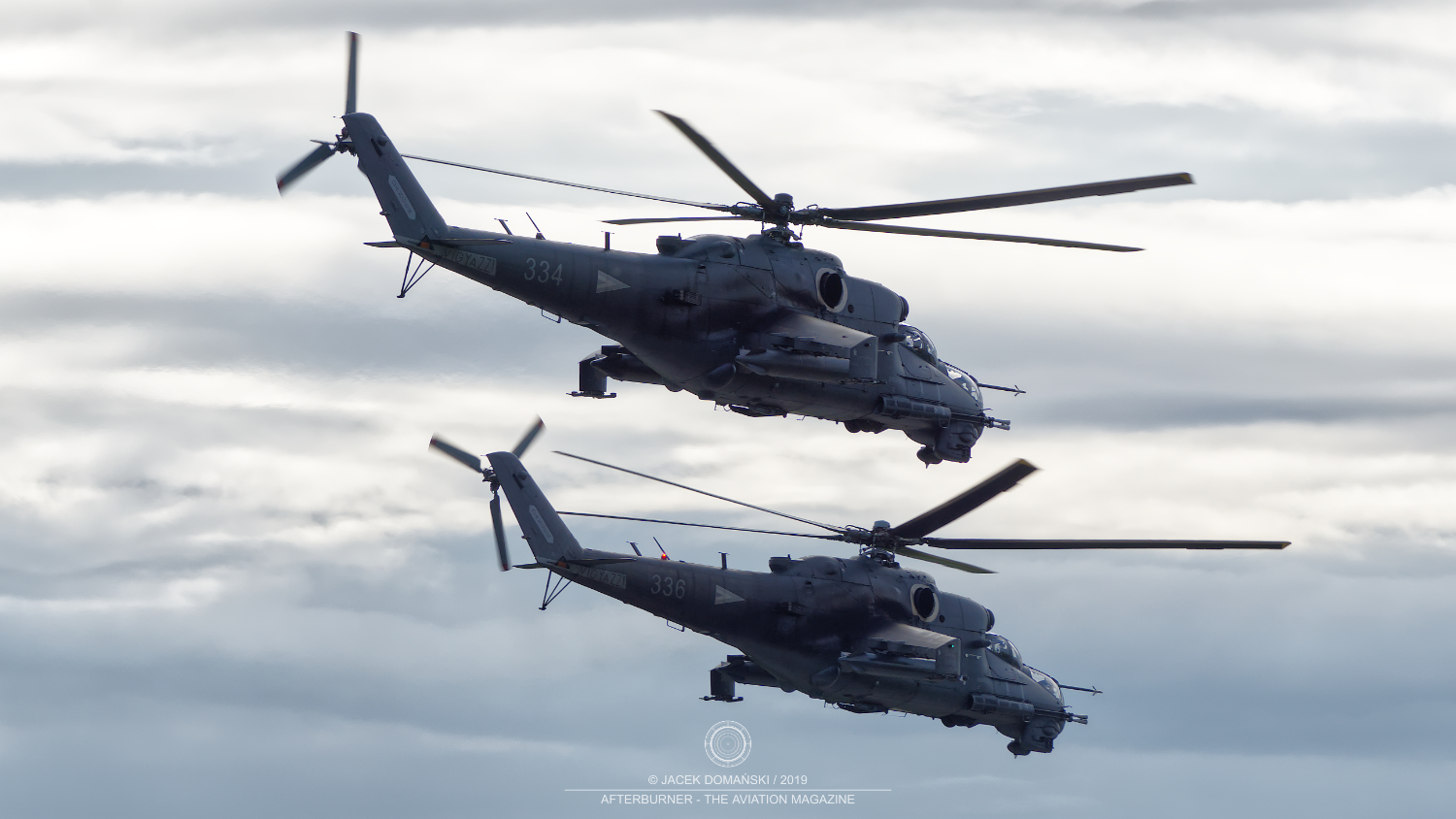
From the 2010s onwards, Magyar Légierő (the Hungarian Air Force) operated eight examples of the iconic attack helicopter: six Mi-24Ps and two Mi-24Vs. In 2017, all of the aircraft underwent overhaul and modernisation in Russia, receiving upgraded avionics and weapons systems.
In 2016, the Hungarian Air Force launched a comprehensive modernisation programme that also included the procurement of two new helicopter types. Two years later, twenty Airbus H145M and sixteen Airbus H225M helicopters were ordered.
The former type was intended to serve in light utility, search and rescue, and light attack roles, while the latter was assigned cargo transport and special operations missions.
According to the terms of the contract, the H145Ms were due to be delivered by the end of 2021, and the H225Ms by the end of 2024. All the new helicopters were assigned to 86. Helikopterdandár (the 86th Helicopter Brigade) in Szolnok.
Once the new Airbus helicopters had been delivered, it became evident that the days of the Hungarian Mi-24s were numbered. Nevertheless, it is regrettable that the retirement of the country’s “flying tanks” was not marked by any official public farewell, bringing to a quiet close nearly five decades of Mi-24 service in Hungary.
At present, the future of the retired aircraft remains uncertain. Given the current political circumstances, it seems unlikely that they could be sold or donated to Ukraine, as happened with the Czech Mi-24s almost exactly two years ago (It´s all over now – a short summary of the Czech Mi-24s retirement).
Currently, Mi-24 attack helicopters remain in active service in six European countries: Belarus, Bulgaria, Poland, Russia, Serbia, and Ukraine.
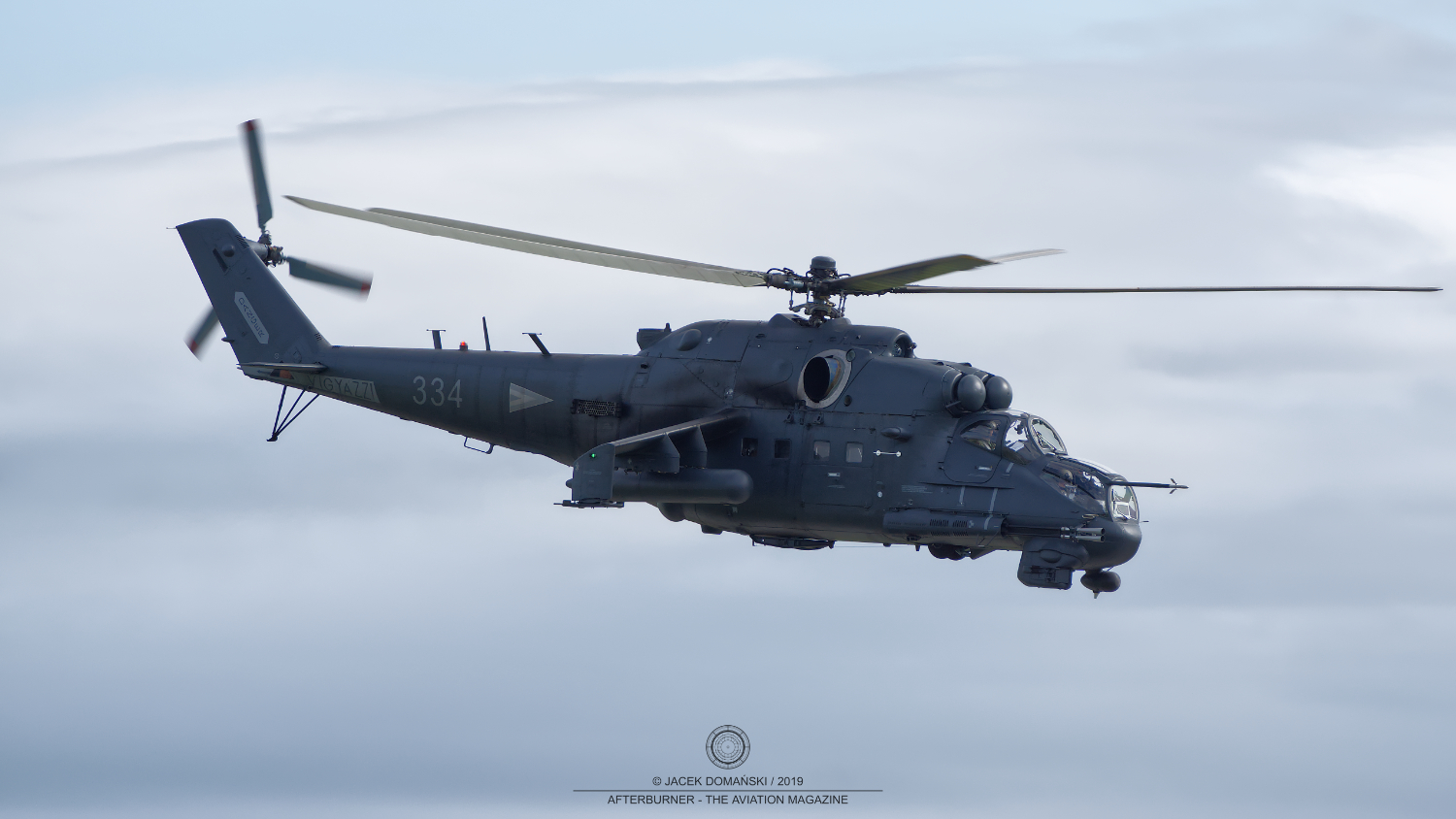
Poland operates some of the oldest examples still in service, specifically the D and W variants. However, they are due to be withdrawn as the Polish Armed Forces await the delivery of 96 AH-64E Apache helicopters (96 Apaches for Poland – the $4.7 billion contract officially awarded to Boeing). Consequently, the retirement of Poland’s Mi-24 fleet is scheduled for 2027.
Bulgaria, the other NATO member on this list, operates the Mi-24V variant. These helicopters were overhauled in the late 2010s and are now also approaching the end of their service life. In addition, Bulgaria previously retained several Mi-24Ds in storage, originally delivered in the 1980s. According to some reports, at least part of this stored fleet has already been transferred to Ukraine.
Serbia currently operates both the Mi-35M and the Mi-35P helicopters. These are modern export derivatives of the original Soviet-designed helicopter and were acquired in the 2020s – either newly purchased from Russia (Modernization of the Serbian Air Force) or obtained from the Cypriot National Guard (Eleven Mi-35 attack helicopters for Serbia).
Belarus, Russia, and Ukraine continue to operate a wide range of Mi-24 variants, ranging from the Mi-24D – which entered production in 1973 – to the latest Mi-24V/Mi-35 versions.