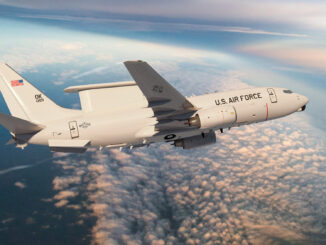
 Between 9 and 19 March 2026, approximately 32,500 soldiers from fourteen NATO countries took part in this year’s edition of the Norwegian-led Arctic military exercise Cold Response 2026.
Since 2006, a series of NATO multidomain training operations, codenamed Cold Response, has been held in Norway and neighbouring countries every two years. The overall aim of the exercise is to enhance Norwegian and allied defence capabilities, as well as to demonstrate NATO’s and Norway’s ability to defend northern flank of the Alliance. It is also the largest military exercise organised in Norway and led by the country’s armed forces.
Two years ago, the Norwegian-led exercise was conducted as a joint Nordic training event together with Finland and Sweden. Accordingly, the 2024 edition was named Nordic Response to underline the shared military effort of the aforementioned countries.
The 2026 edition of the multinational training was led by a Norwegian–US headquarters established at Reitan, near Bodø. The head of the Armed Forces’ Operational Headquarters, Vice Admiral Rune Andersen, was appointed Chief of the Exercise.
Approximately 32,500 participants from fourteen NATO nations took part in Cold Response 2026. The majority of the personnel trained in Norway: 11,800 on land, 13,200 at sea and in the air. A further 7,500 participants exercised in Finland. According to the Norwegian Armed Forces, 150 aircraft, 30 warships and thousands of ground vehicles were involved in the exercise.
The personnel participating in this year’s edition came from Canada, Belgium, Denmark, Finland, France, Germany, Italy, the Netherlands, Norway, Spain, Sweden, Türkiye, the United Kingdom and the United States.
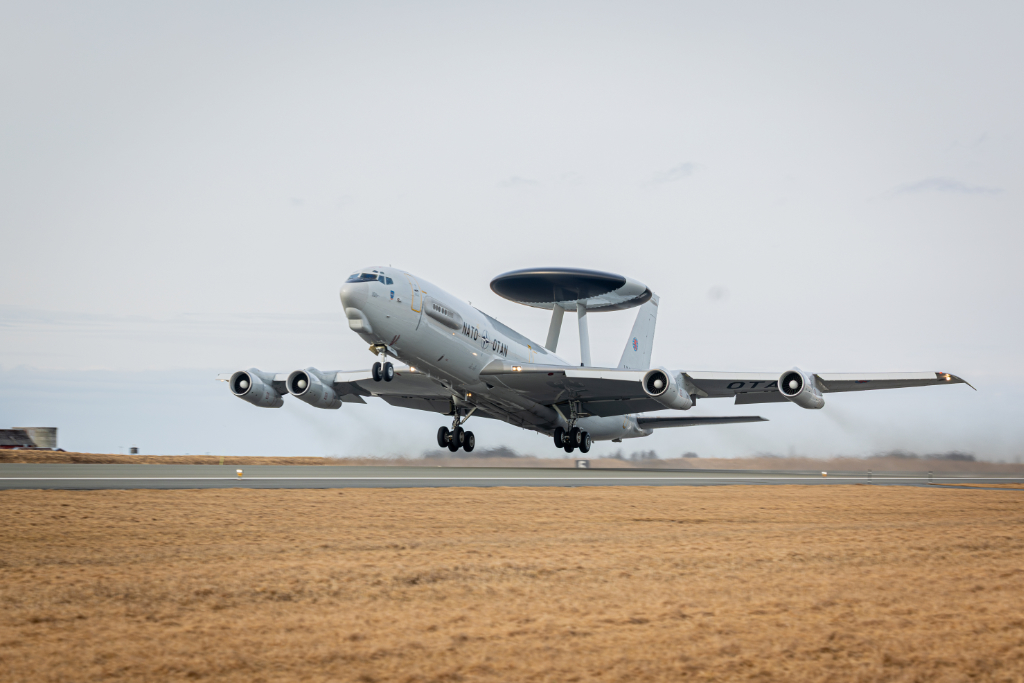
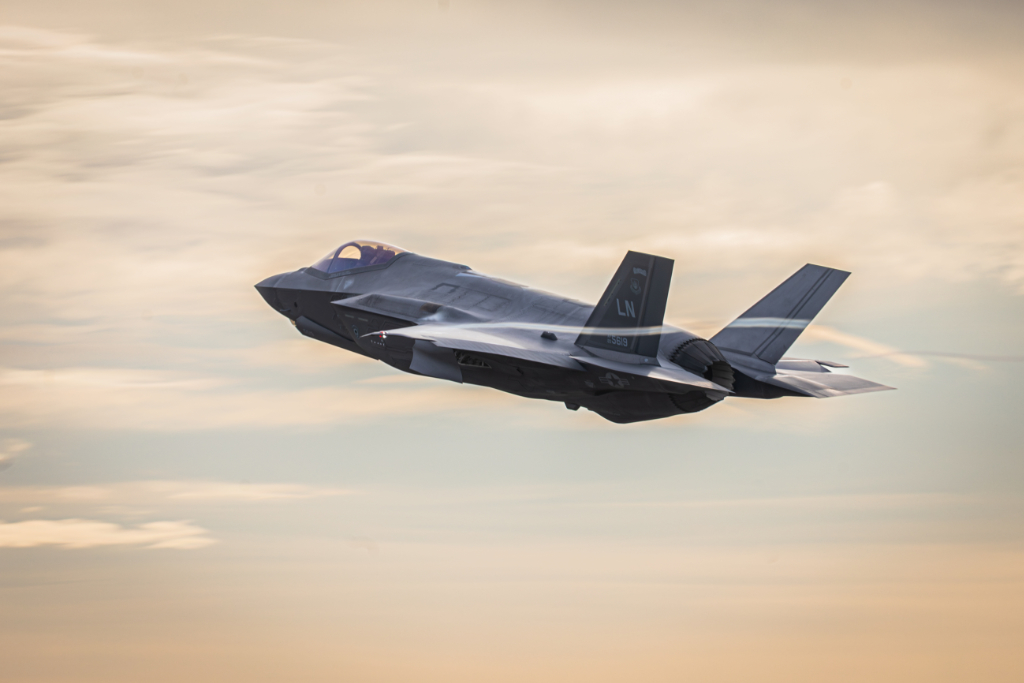
Cold Response 2026 was held in northern Norway and Finland, as well as in the waters off the Norwegian coast and across the airspace of the Nordic countries. Participating units were required to coordinate their efforts across land, sea, air, space and cyber domains. In addition, there was a significant civilian contribution, which was coordinated through Totalforsvarsåret 2026 programme – the year 2026 having been officially designated the Total Defence Year in Norway with a focus on crisis and war preparedness. The programme involved not only government agencies, but also civil authorities, businesses and volunteers.
Notably, the Norwegian part of the exercise largely took place on privately owned civilian land, often in close proximity to local communities. This is an established practice in Norway, allowing the armed forces to train in a realistic environment while ensuring that any resulting damage is compensated in accordance with applicable regulations.
The Cold Response series is widely known for the harsh and demanding Arctic conditions of northern Norway, providing participants with valuable experience essential for operational capability in the High North.
This year, the main exercise scenario was based on an enemy incursion, including the occupation of parts of northern Finland and Troms county in Norway.
“On the maritime side, the exercise began by opening supply lines into Norway and ensuring control over hostile submarines and other threats in the maritime domain. This enabled us to receive allied forces,” said Vice Admiral Andersen.
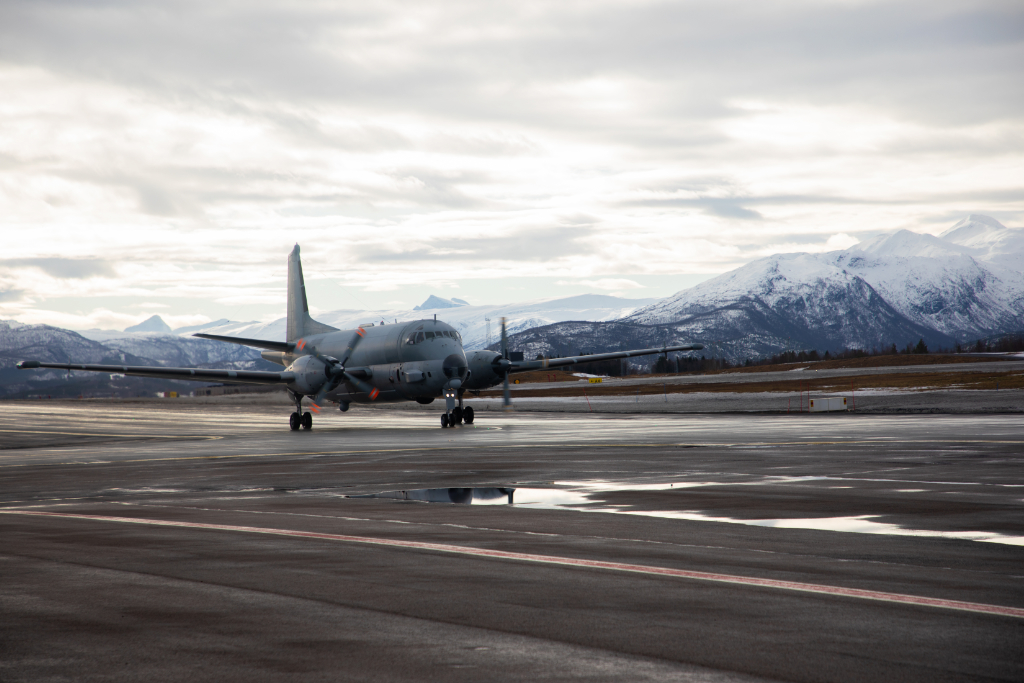
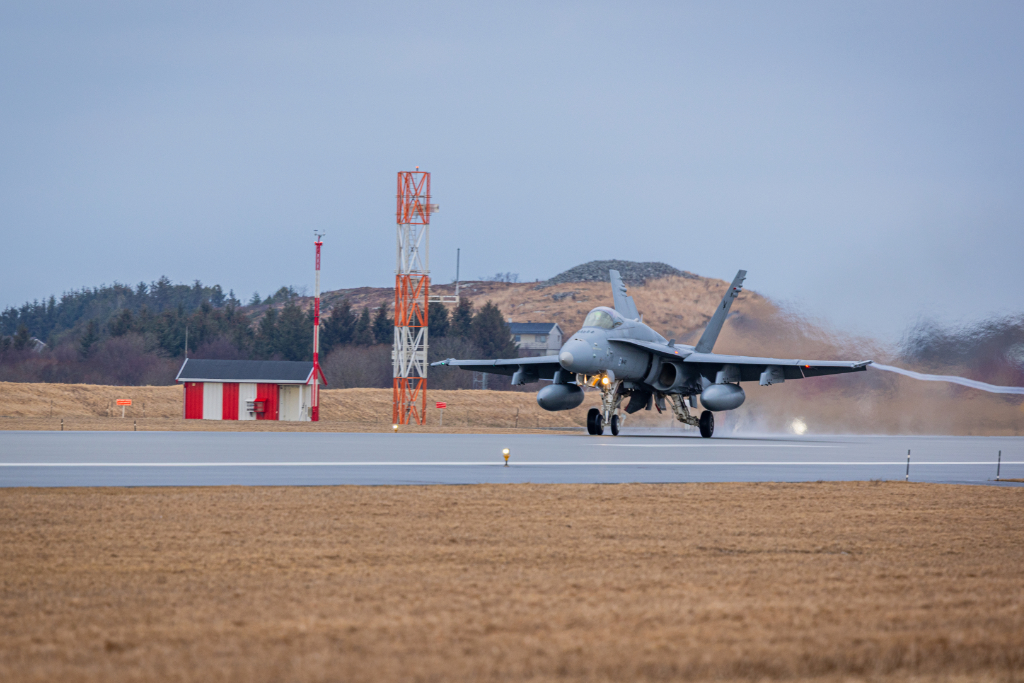
At the same time, a comprehensive air campaign was launched and led by the recently established Combined Air Operations Centre in Bodø.
“The purpose here is to ensure that we have freedom of movement and can target the enemy’s air defences and offensive capabilities in depth, so that we can begin to regain the initiative,” Andersen explained. “This is an operation that requires close coordination between air and ground forces, as well as with special forces that play an important role deep inside enemy territory.”
The Cold Response 2026 scenario was developed by the training and exercises department of Forsvarets operative hovedkvarter (the Armed Forces Operational Headquarters). The planning team was led by Colonel Øyvind Ravndal.
Although around 32,500 soldiers participated in the live exercise, Ravndal and his team simulated a force of 200,000 personnel in the virtual domain, on both the “red” and “blue” sides. This meant that commanders had to make decisions based on events generated by larger formations in a high-intensity simulated conflict.
“It unfolds somewhat like a game of Risk, actually. We use advanced digital tools to simulate a much larger conflict,” Ravndal said. “It is no secret that what we are training to defend ourselves against is a potential attack on NATO from Russia.”
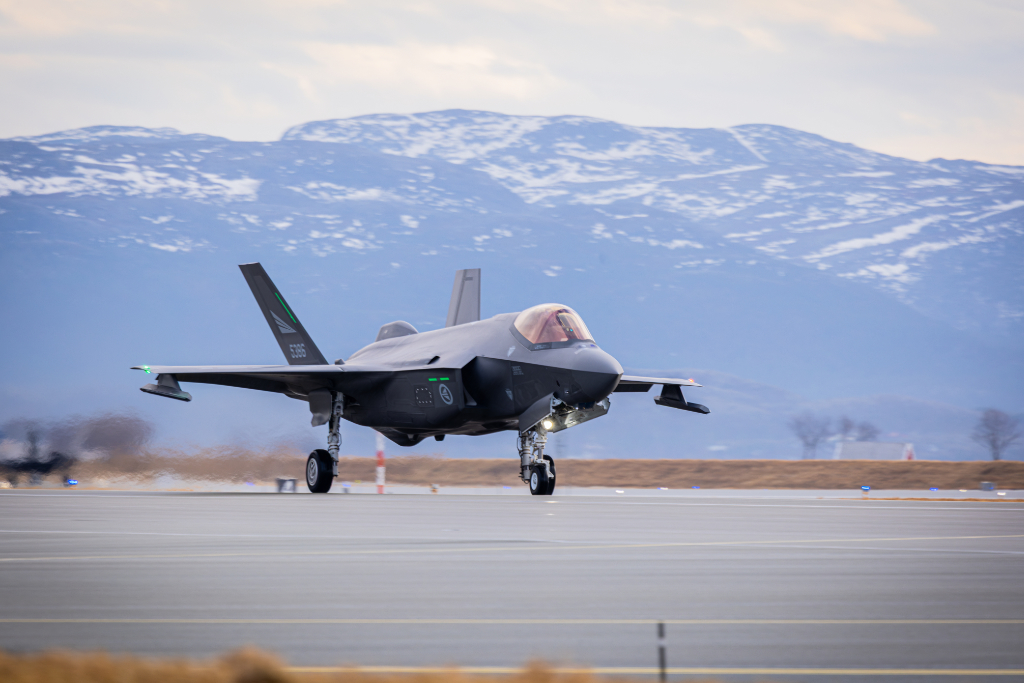
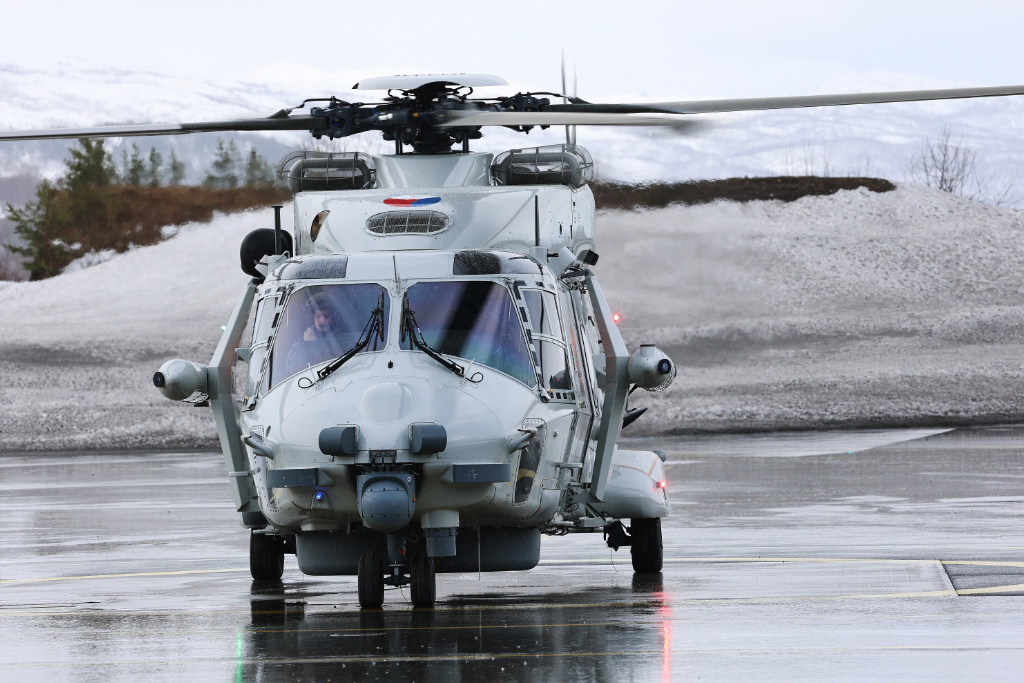
In addition, the exercise scenario was not limited to combat operations. It required close cooperation between the armed forces, the police, port authorities, the Public Roads Administration, customs and the civilian transport sector. Although the live phase of the exercise began on 9 March, the scenario had already been ongoing for several months prior to this date.
“There may be the evacuation of civilians, large numbers of wounded requiring transport, or dilemmas over who should receive supplies first,” Ravndal explained.
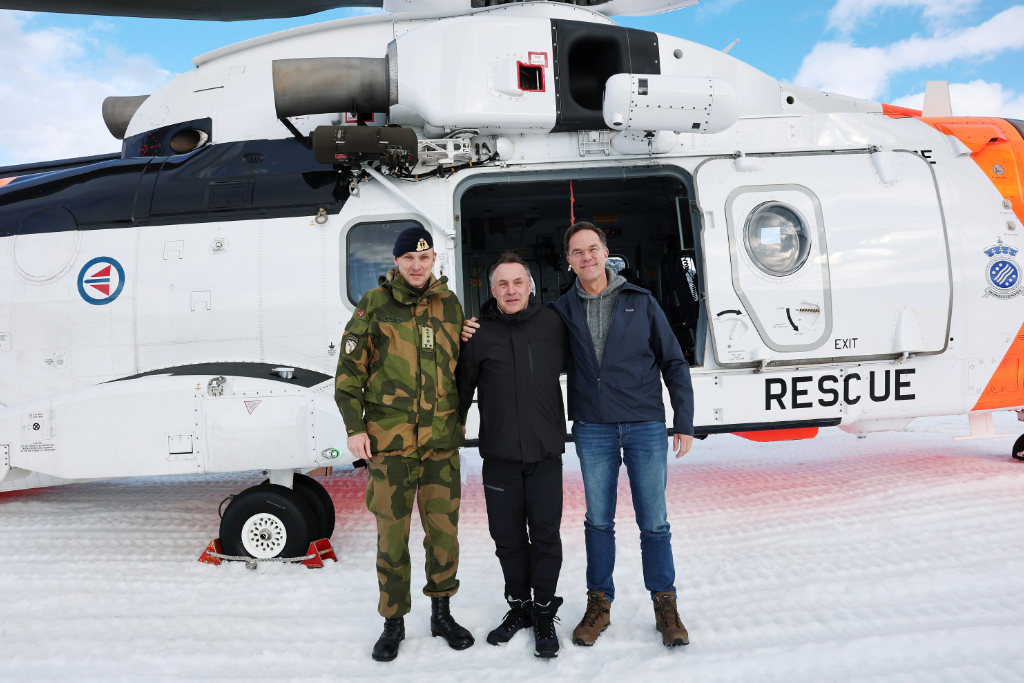
On Wednesday, 18 March, the Cold Response 2026 exercise was visited by NATO Secretary General Mark Rutte. He was accompanied by Foreign Minister Espen Barth Eide, Minister of Defence Tore O. Sandvik, Norway’s NATO Ambassador Anita Nergaard and representatives of the defence leadership.
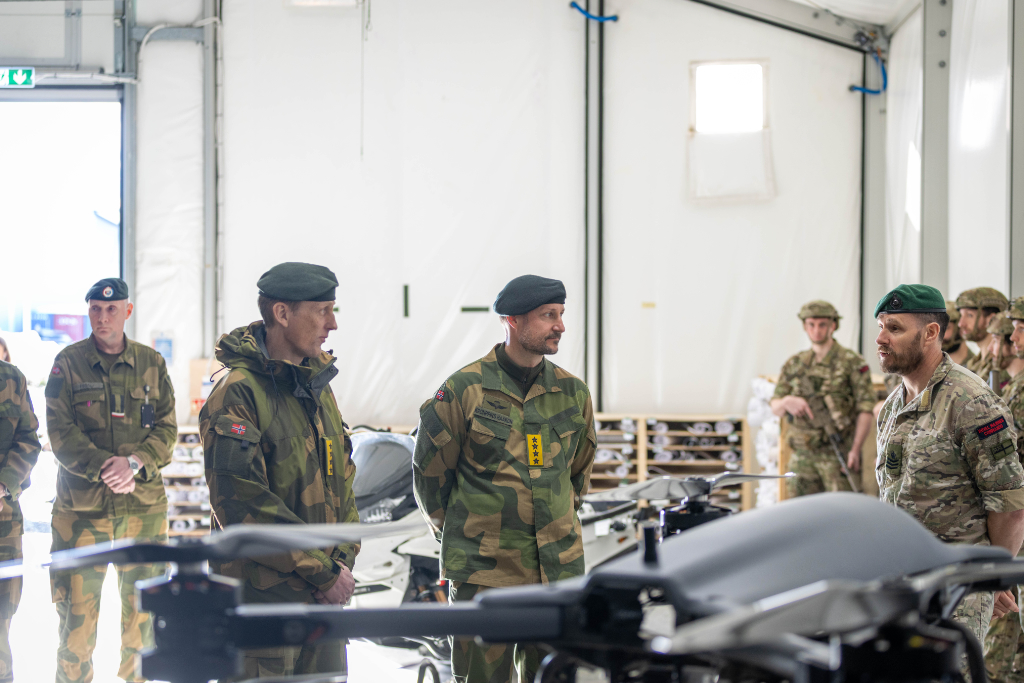
Earlier in the week, on Monday and Tuesday, Crown Prince Haakon of Norway visited the exercise, accompanied by the Chief of the Norwegian Armed Forces, General Eirik Kristoffersen.
The royal visit began in Narvik, after which the Crown Prince Haakon spent a night in the field with soldiers from the Telemark Battalion. The following day, he visited a British logistics regiment at Camp Viking in Skjold.
More information about previous editions of the exercise Cold Response can be found in our articles from 2022: Cold Response 2022 is coming! and Due North – exercise Cold Response 2022.
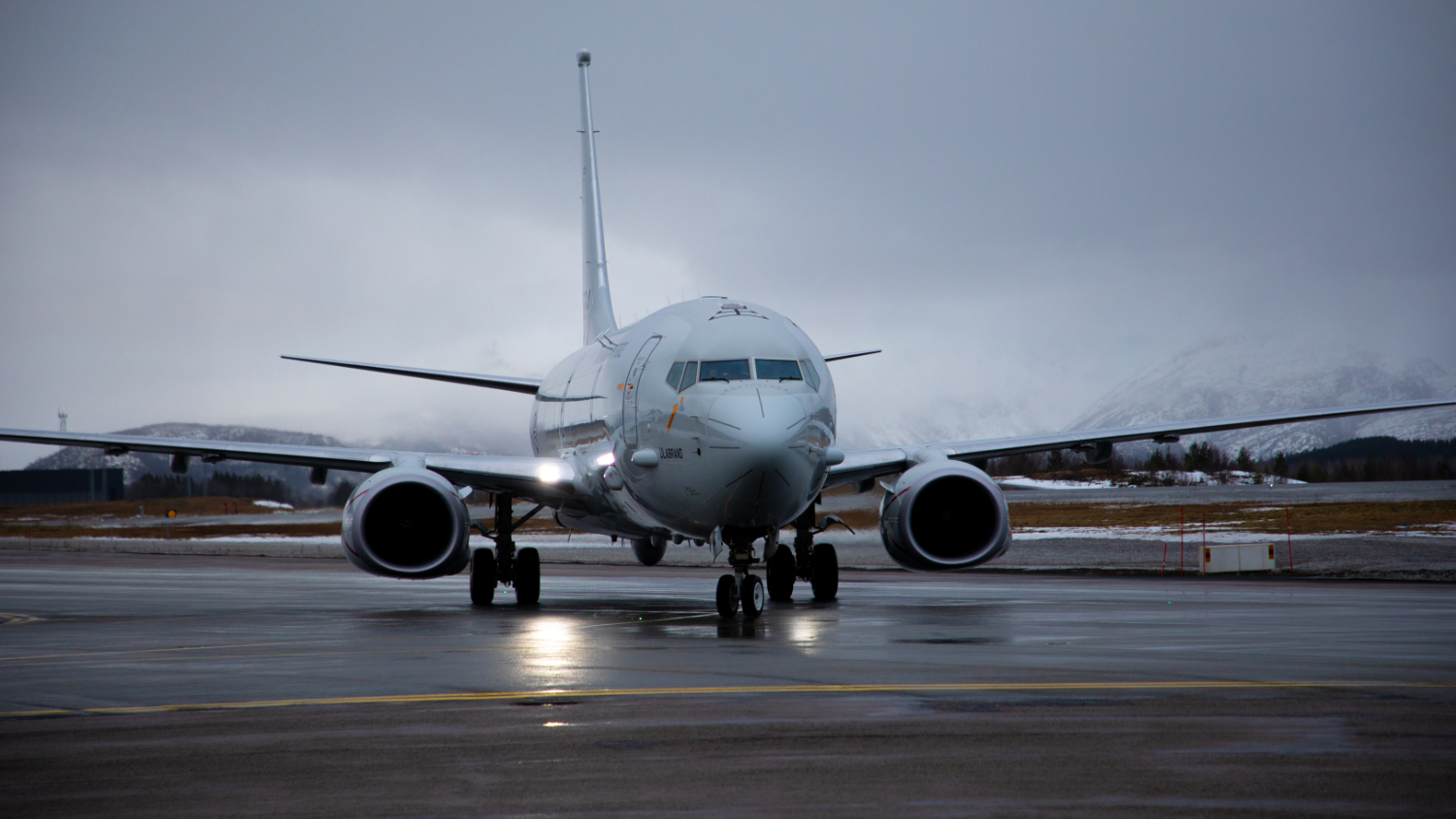
Cover photo: A Royal Norwegian Air Force P8 Poseidon taxis at Evenes air station after flight (Johannes Bærhaugen / Forsvaret, cropped).
All photos © Royal Norwegian Armed Forces / Forsvaret. Information from the NATO and Royal Norwegian Armed Forces press materials were used.