 On 30 August 1914, only a month after the outbreak of the Great War, a single German Taube aircraft carried out an air raid on the French capital, dropping a few bombs and a bag of leaflets. The German crew consisted of Lieutenant Ferdinand von Hiddessen and an observer, whose name remains unknown. They took off from the St. Quentin area and reached Paris around noon.
There is some uncertainty regarding the exact course and effects of the raid. According to some accounts, the Taube circled over Paris for approximately thirty minutes before dropping its bombs. However, such a long stay over the city would have been a considerable risk, as the aircraft’s endurance did not exceed four hours and the flight from St. Quentin to Paris and back already required more than two and a half hours.
The number of bombs carried by the Taube is also disputed, with sources giving figures ranging from two to five. Quai de Valmy is the only confirmed location where bombs were dropped. It is highly probable that at least one building there was damaged and one person killed, although other accounts give different casualty figures. The crew also attempted to drop propaganda leaflets, but the bag was apparently not untied and was found in the street by the French authorities.
The raid immediately became a useful tool for French war propaganda. The press claimed that German aircraft had attacked a peaceful city and even bombed hospitals. In reality, the damaged building at Quai de Valmy was an elderly shelter, while claims of deliberate precision bombing were clearly exaggerated given the capabilities of aircraft in 1914. French newspapers also reported that the German aircraft had been intercepted and destroyed by numerous French aircraft. However, this was entirely untrue – in August 1914, neither fighter aircraft nor an organised air defence system existed, and von Hiddessen’s Taube completed its mission without interference.
Although the raid had limited physical effects, it was highly significant in the history of military aviation. It was the first aerial operation against a civilian target and the first attempt to drop propaganda material over an enemy city from a heavier-than-air aircraft. The flight also provided German forces with valuable aerial reconnaissance of Paris and helped identify potential targets for future operations. The first follow-up raid came only six weeks later, on 13 October 1914, when two German Taubes attacked the French capital again.
Although the raid of 30 August 1914 caused relatively little physical damage, it marked an important turning point. For the first time, an aircraft had deliberately taken the war directly to the heart of an enemy capital, demonstrating that the skies could become a new battlefield and that civilian centres could be potential targets of aerial warfare.
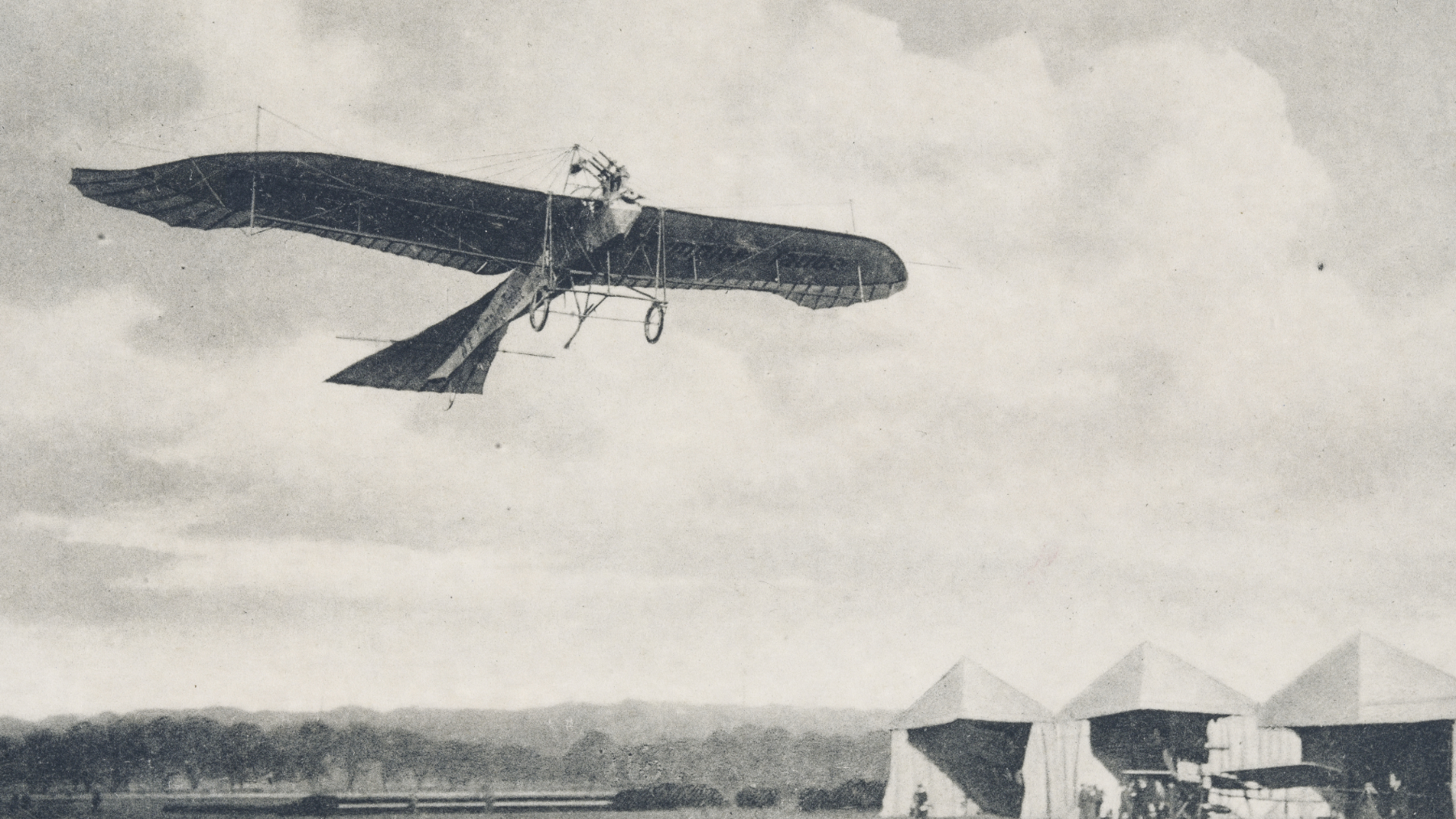
Cover photo: Rumpler Taube (German licensed variant of Taube II) aircraft in flight, German postcard, cropped, illustrative photo (ETH-Bibliothek Zürich, PK_008631 / Public Domain)