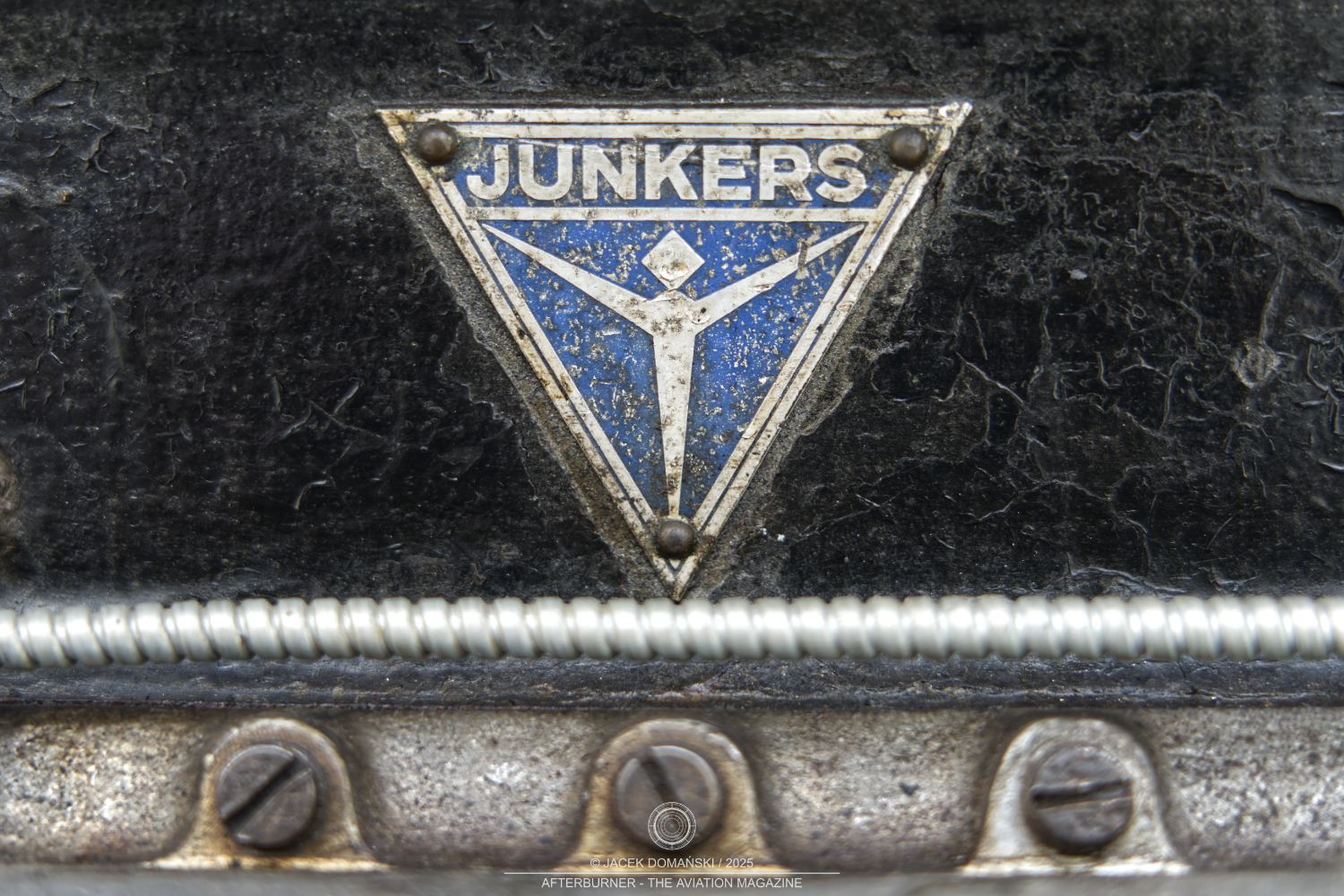
 In 1892, Hugo Junkers, a young German engineer, founded his first company, simply named Hugo Junkers, Civil-Ingenieur (Hugo Junkers, Civil Engineer). Within two decades, Junkers had transformed his small workshop into a technological empire and became renowned for his visionary developments in water-heating solutions, gas appliances, construction, engineering and aviation.
Most of the Junkers companies were established in Dessau, a city in the Anhalt region (now a district of Dessau-Roßlau in Saxony-Anhalt, Germany), where the German mechanical engineering tycoon had moved in 1888. Over the years, several factories and administrative buildings belonging to the Junkers industrial empire were built in the western part of the city. In 1925, a grass-runway airfield was also established there. Within two years, a concrete runway had been added, and the airfield and its associated buildings continued to be expanded until 1944.
Although Hugo Junkers achieved great success and became a key figure in aviation history, his career was repeatedly affected by struggles against the odds. Several times, Junkers had to abandon his ideas and suspend some of his activities due to political and economic pressures.
The outbreak of the Great War brought to a halt his early visionary aviation development. The German authorities not only forced the talented engineer to focus on developing military aircraft, but also compelled Junkers to merge his aviation-focused company with Fokker into the newly established Junkers-Fokker-Werke AG. In 1926, he was forced to close his own airline, Junkers Luftverkehr AG, which was merged with Deutsche Aero Lloyd to form Deutsche Luft Hansa AG.
In 1932, the economic situation of the Junkers holding company became critical. Several ambitious yet costly developments, coupled with the global economic crisis, compelled Junkers to sell most of his companies. Even Junkers & Co. – the original base of the consortium – together with all its patents, was sold to Robert Bosch AG. Ultimately, Hugo Junkers managed to retain only Junkers Flugzeugbau AG and Junkers Motorenbau AG.
When the Nazis took power in Germany in 1933, it marked the near end of all Junkers business activities. Only three days since Hitler had taken control of the country, the Dessau industrialist was ordered to transfer all his remaining patent rights and both companies to the German state. After his refusal to do so, Junkers was accused of espionage and placed under house arrest. Both of his companies became targets of criminal investigations and state-organised repression.
In December 1933, Junkers was finally forced to assign his remaining patents and transfer the fifty-one per cent of stake in his companies to the German state. However, this did not mean the harassment was over. Hermann Göring and Erhard Milch – the highest authorities in German aviation at that time – sought to take over the remaining forty-nine per cent, and the repression continued. Junkers remained under house arrest, forbidden both to leave his home and to receive visitors.
On 3 February 1935, the day of his seventy-sixth birthday, Hugo Junkers died. Shortly thereafter, his wife was successfully forced by the Nazi authorities to sell the remaining shares in the Junkers companies for a fraction of their true value.
After Junkers’ death, his company became one of the largest German aviation and armament manufacturers. Aircraft such as the Junkers Ju 87 and Ju 88, along with their derivatives, became symbols of Nazi aggression and German militarism. Nevertheless, despite still bearing the “Junkers” name, these aeroplanes had no connection with Hugo Junkers or his pioneering aviation works.
During the final stage of the Second World War, the former Junkers facilities, along with much of Dessau, were almost completely destroyed by Allied air raids. In 1945, the aviation plant was taken over by the Soviets, and the following year hundreds of German personnel were transferred to Подберезье (Podberesie) in Russia, where a new aviation development centre was established. This marked the end of Junkers-related aviation activities in Dessau.
After the war, the newly established East German state rebuilt the city and turned it into one of the country’s major industrial centres. However, this industrial base collapsed after German reunification, resulting in high unemployment and significant emigration from Dessau.
In August 1992, an association was founded to preserve the industrial and technological heritage of Dessau and to promote the life and work of Hugo Junkers. In 2001, Förderverein Technikmuseum „Hugo Junkers“ Dessau e.V. opened a technical museum located within the former Junkers Flugzeugbau AG and Junkers Motorenbau AG factory area, near the historical airfield. As stated on its website, the Association aims to present “a portrait of this city’s technology, economy, society and culture over time”, and the technical museum bears the name of Hugo Junkers to acknowledge that he “shaped the industrial, technological, economic, social and cultural history of Dessau”.
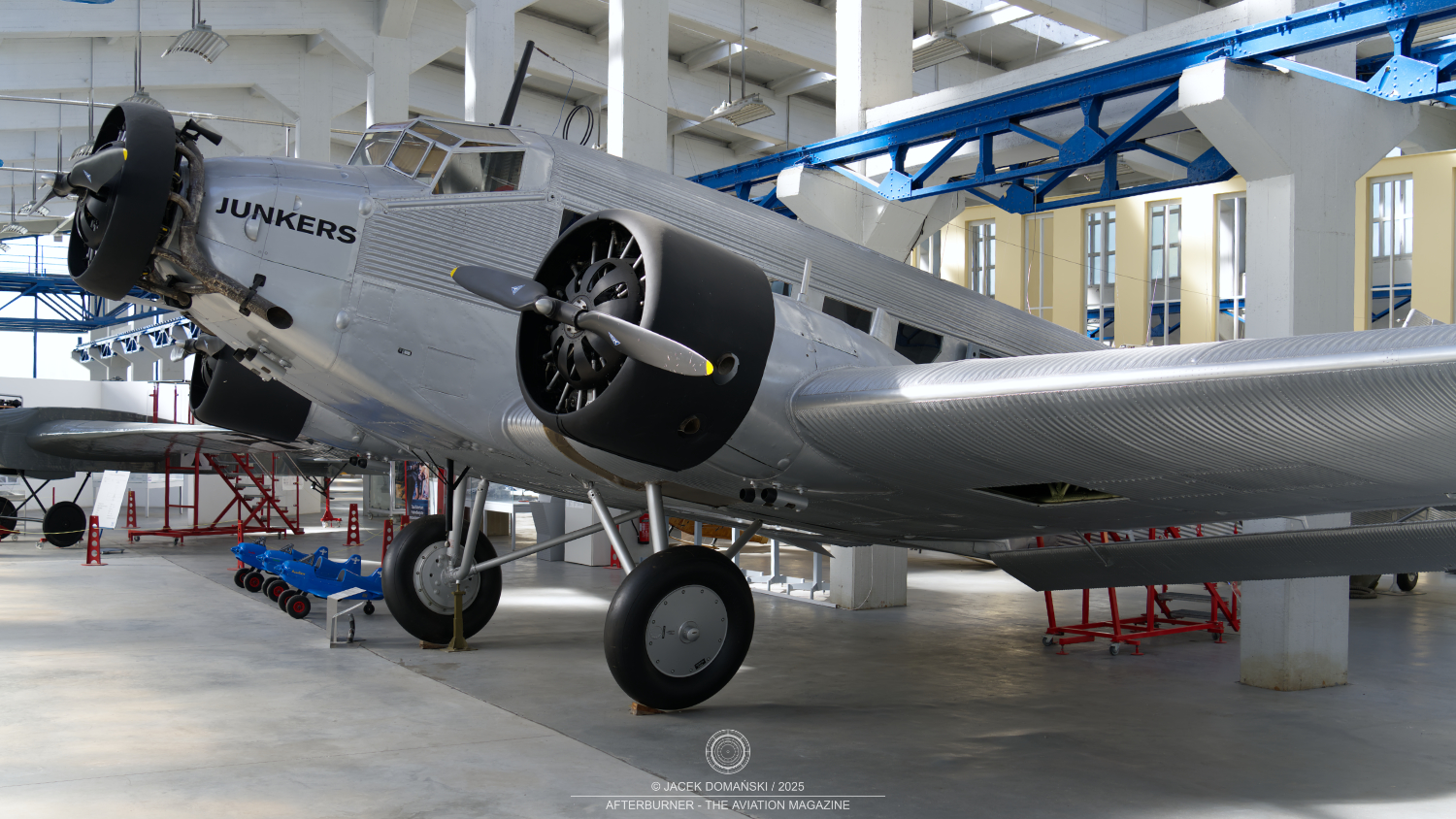
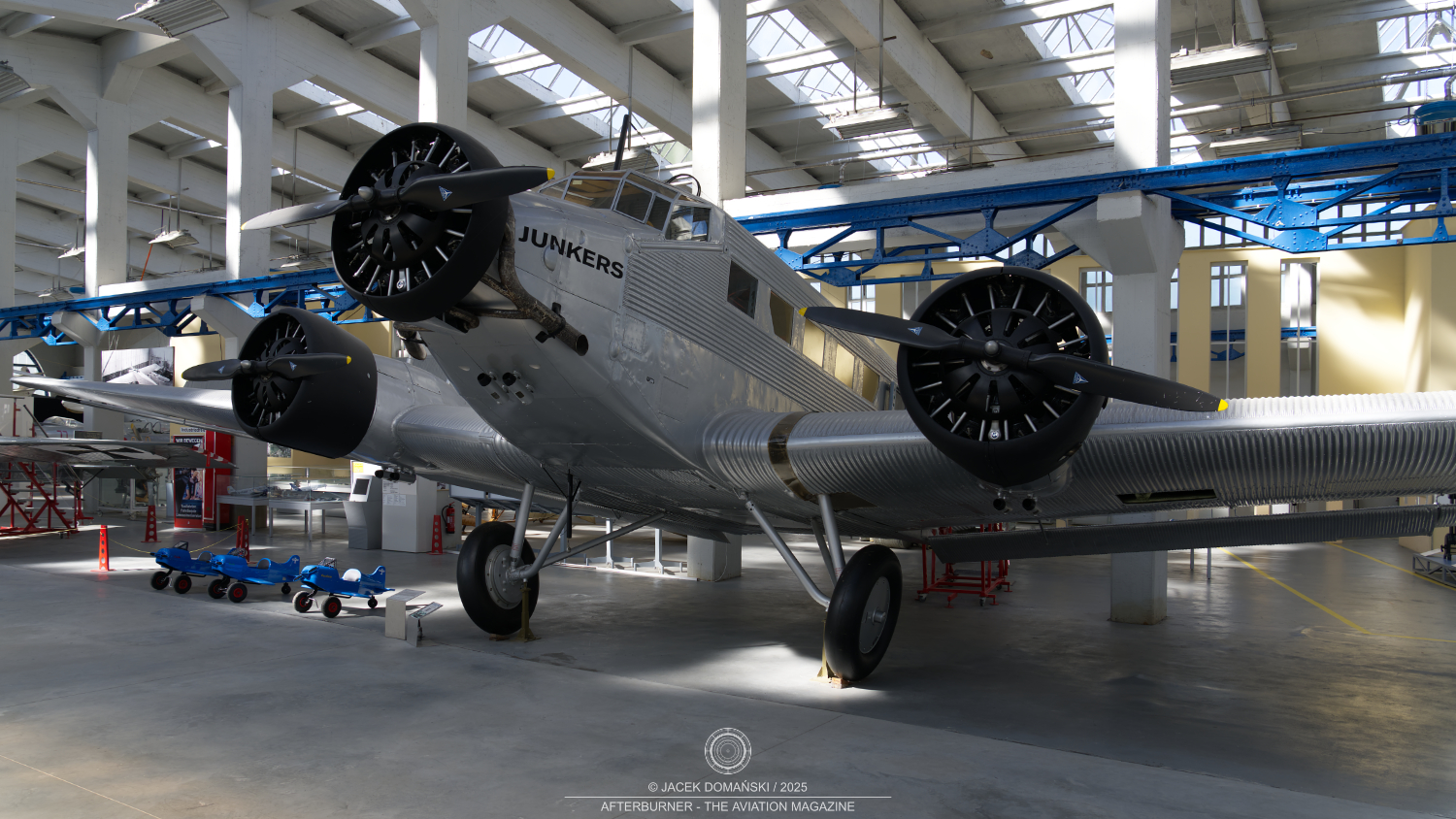
The museum, located in one of the former Junkers factory halls, is divided into five main sections. The aviation exhibition, situated near the entrance, is marked by three iconic Junkers aircraft: the J 1, F 13 and Ju 52.
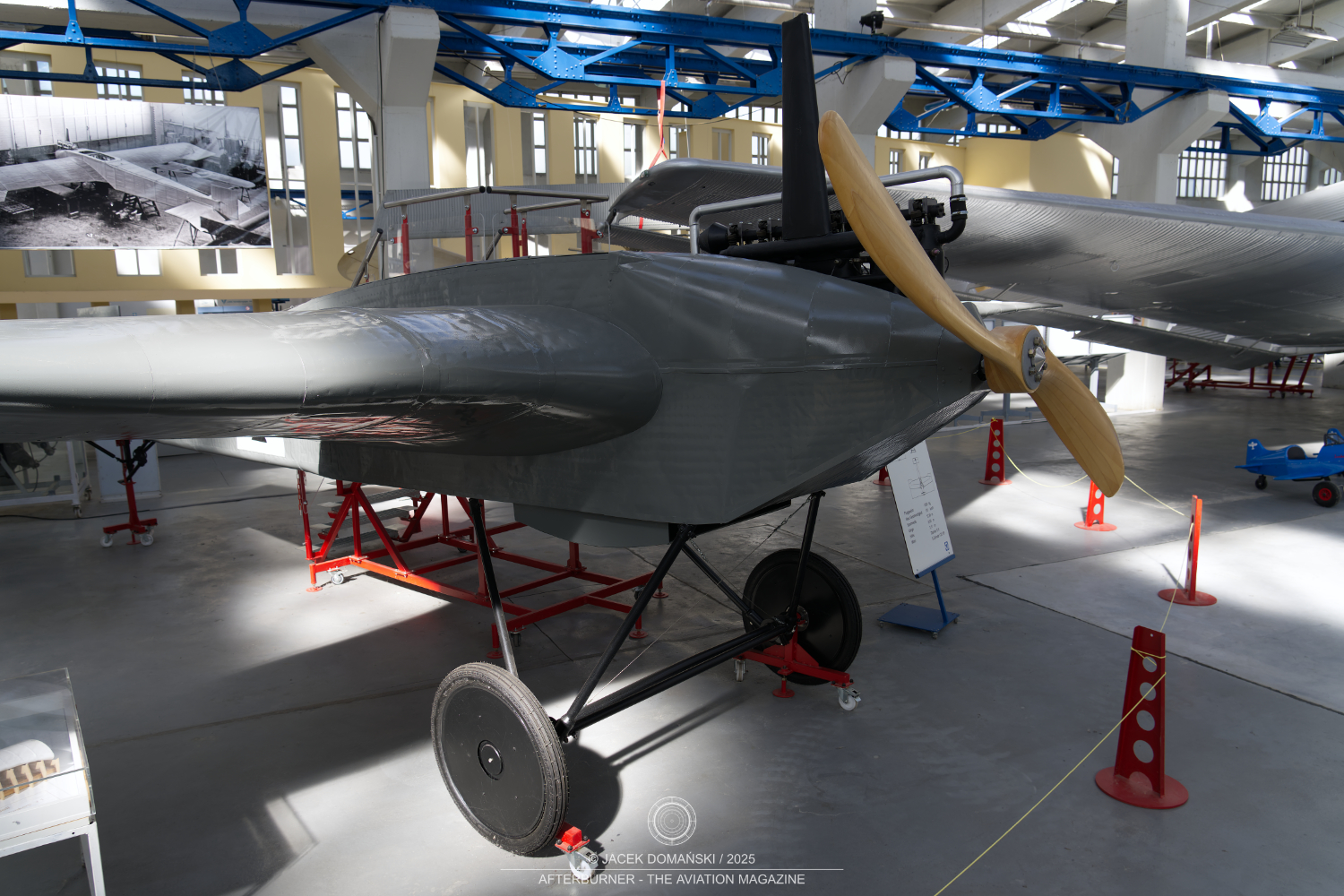
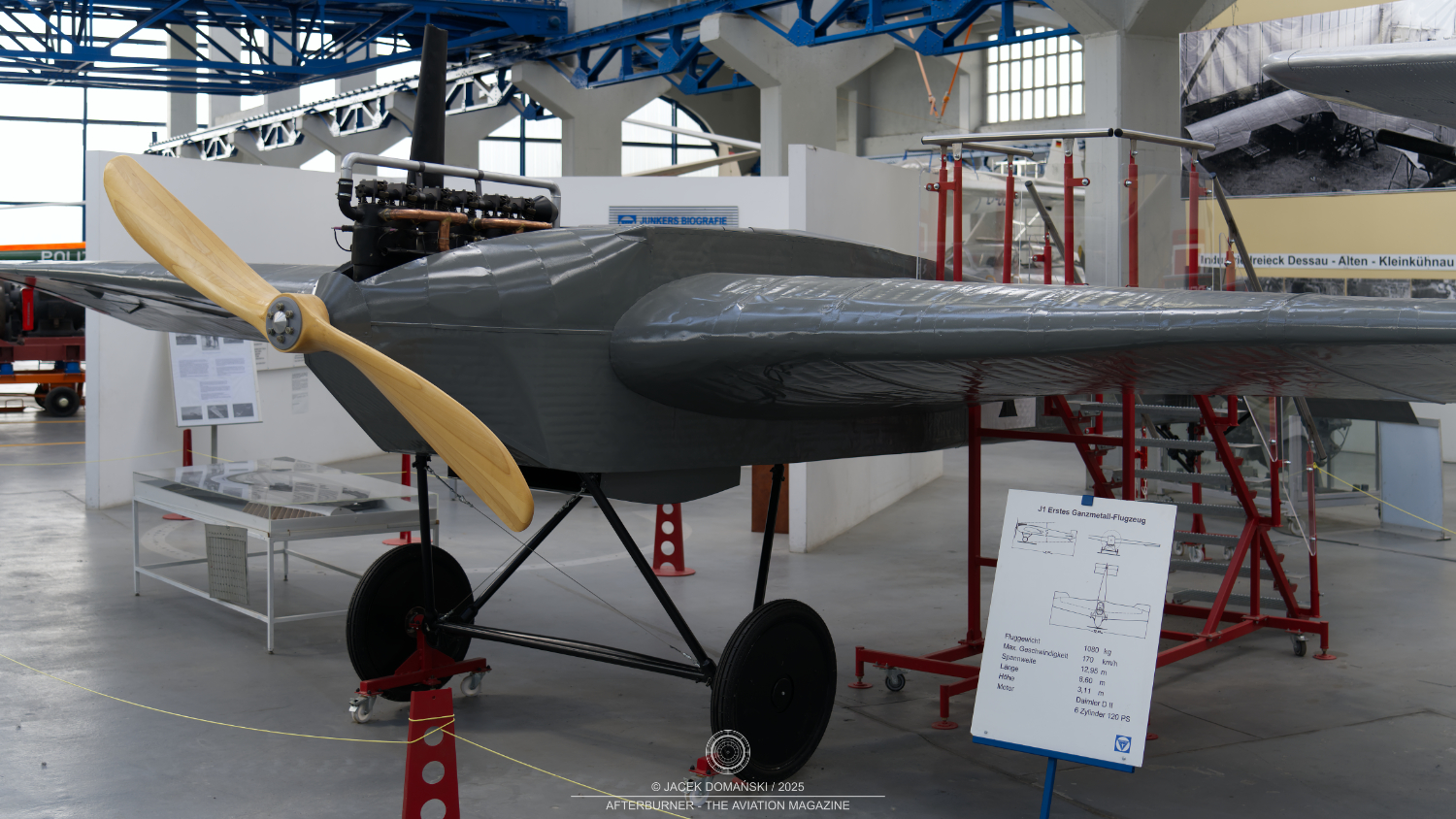
The Junkers J 1 is a full-scale replica of the original aircraft. Built between 2015 and 2020, it demonstrates one of Junkers’ visionary developments – the full-metal, low-wing monoplane he created in 1916.
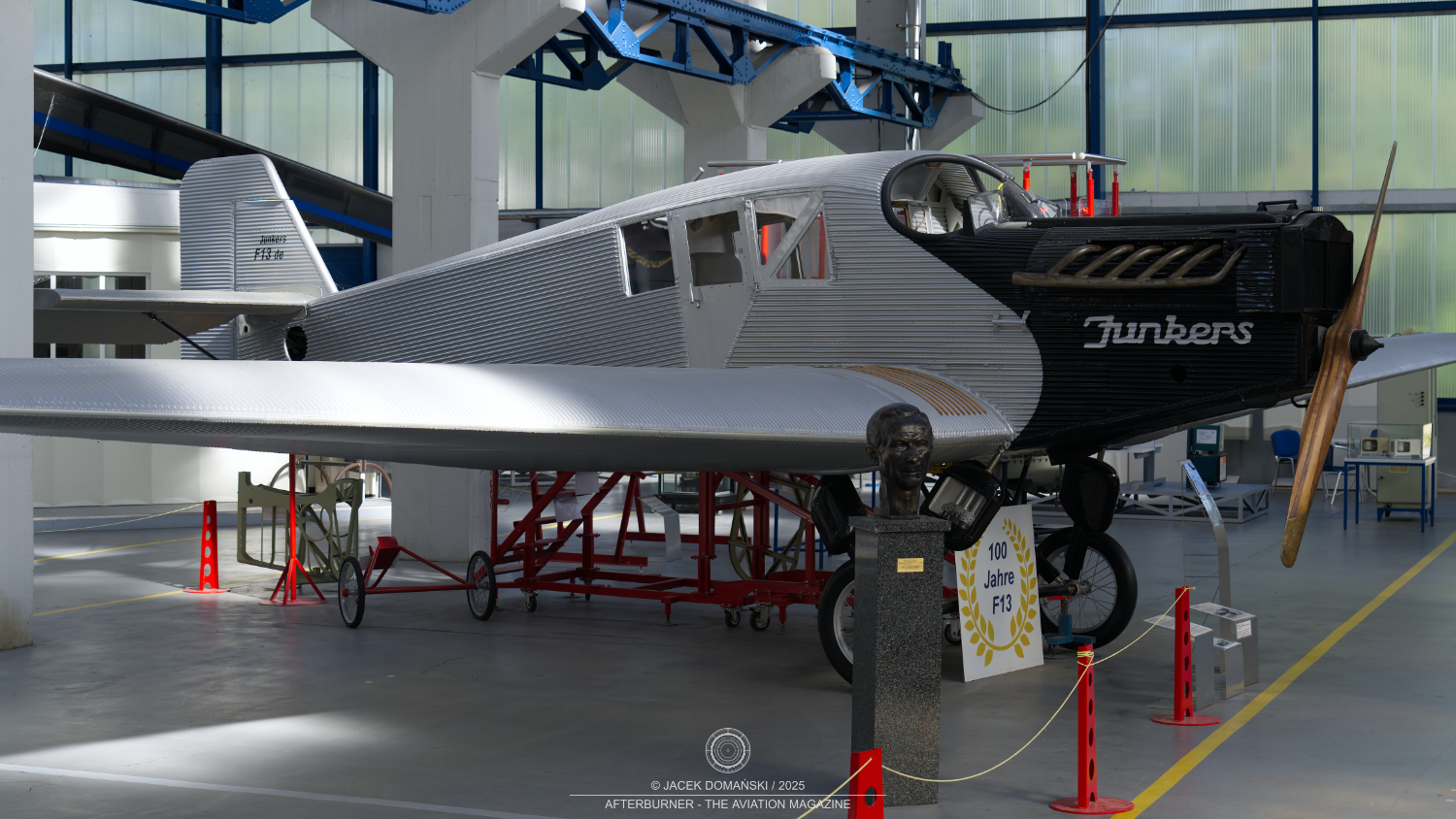
Then, there is the no less revolutionary Junkers F 13. This cantilever low-wing monoplane was the world’s first all-metal transport aircraft and featured a two-seat open cockpit for the crew and an enclosed cabin for four passengers. A finely crafted full-scale replica of the Junkers airliner is now on display in the museum and was built between 2004 and 2015.
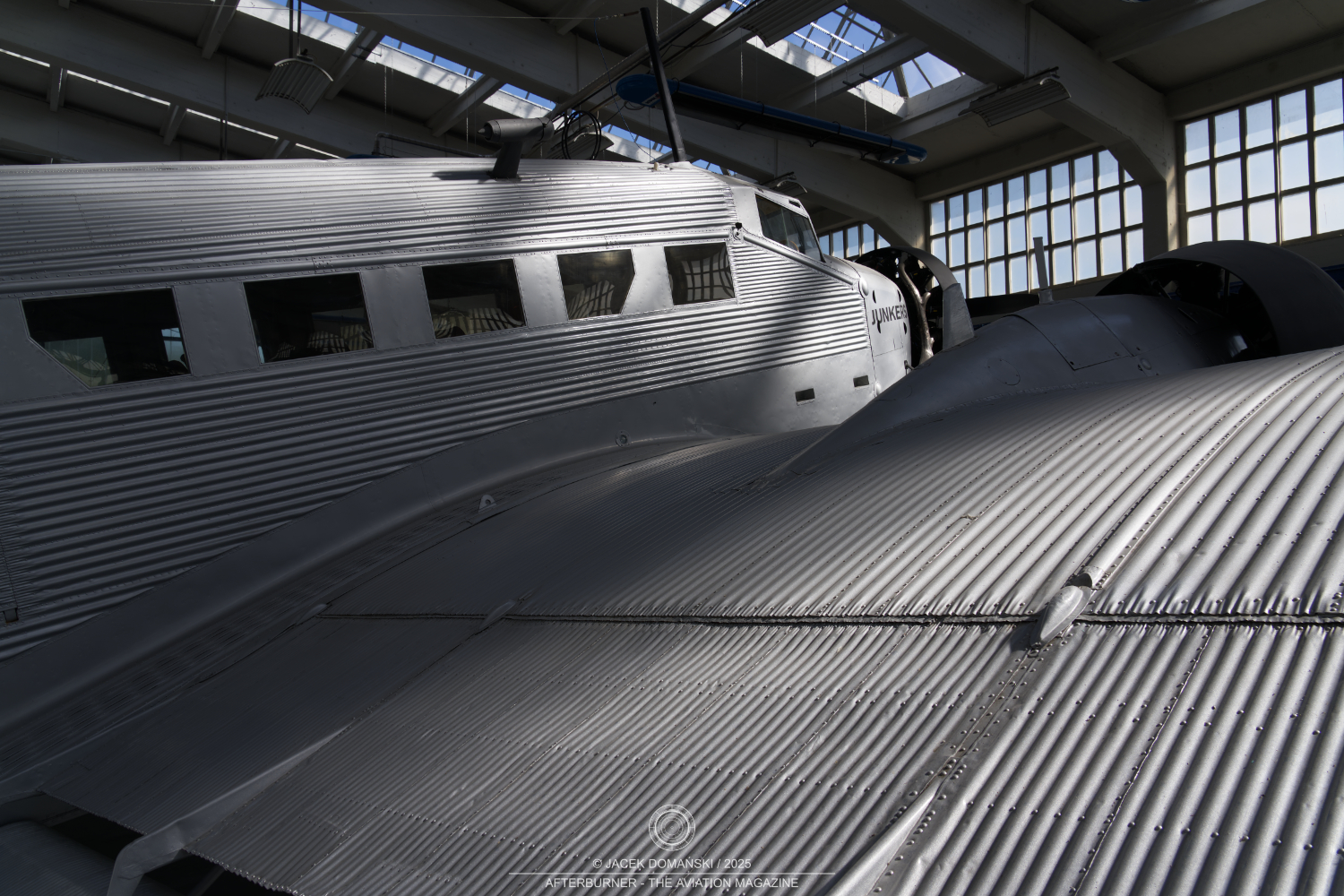
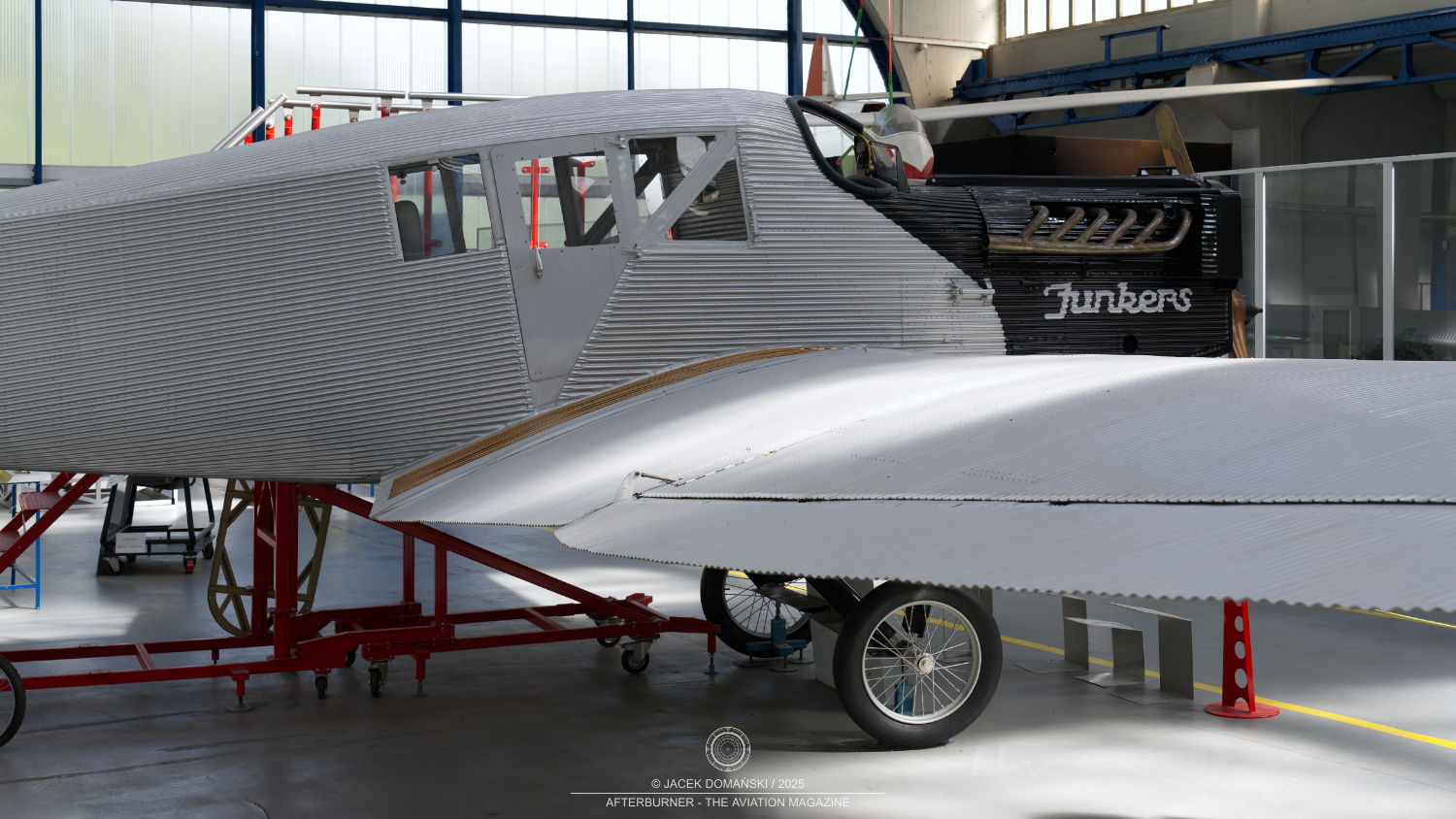
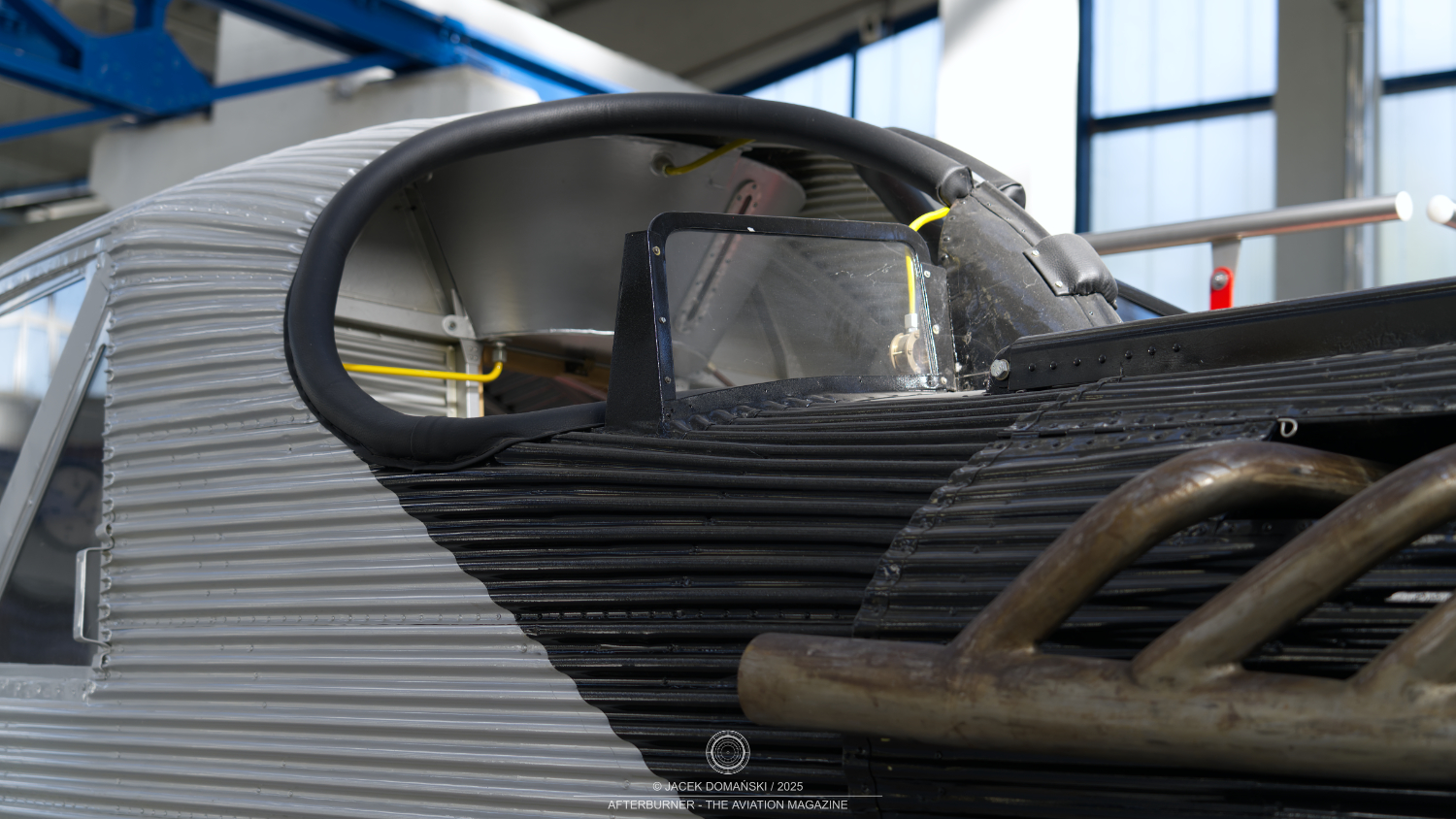
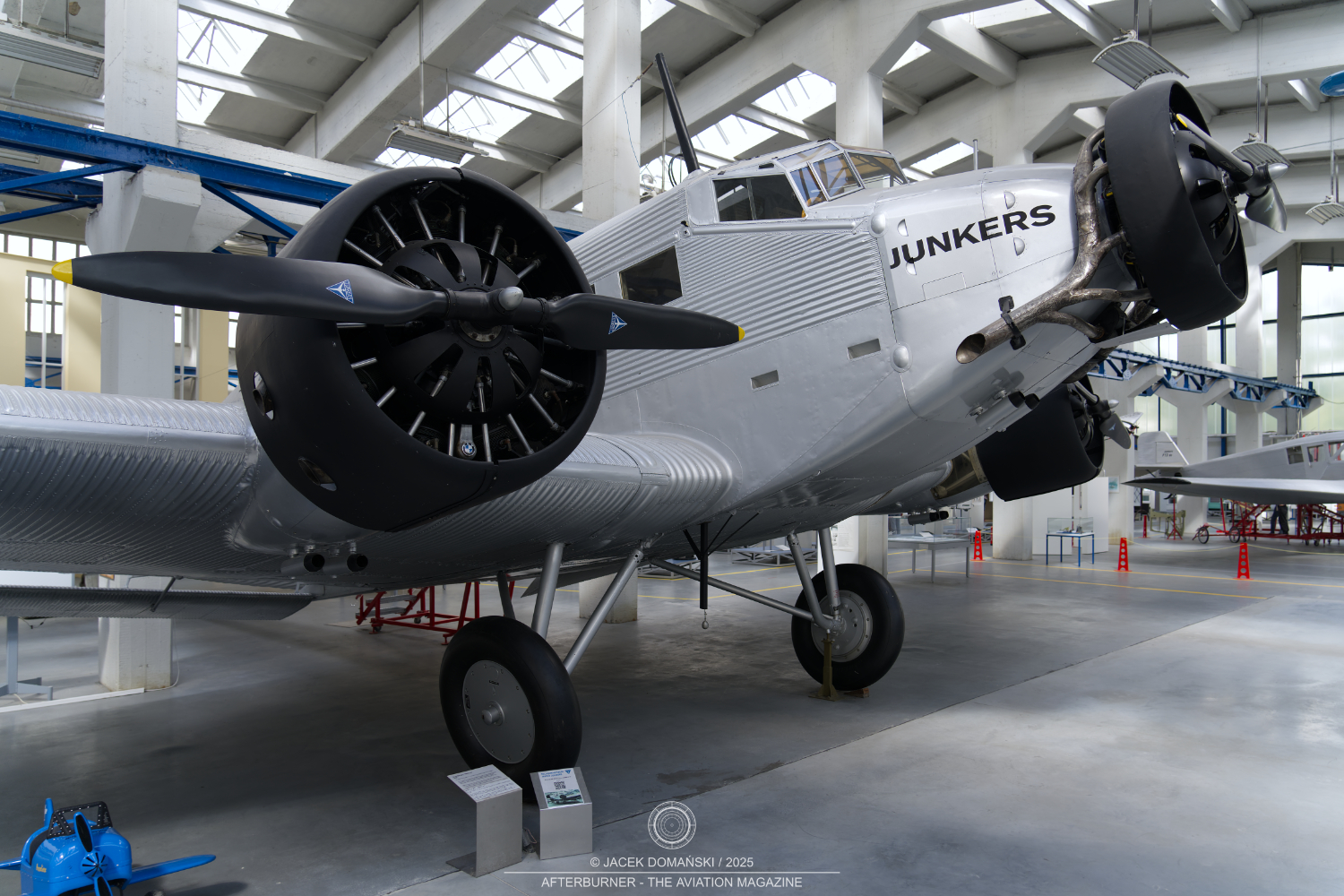
The third, and largest, Junkers aircraft showcased in the Dessau museum is the Ju 52/3m g4e. This legendary aeroplane, commonly nicknamed Tante Ju (“Aunt Ju”), was reconstructed from two original airframes – c/n 6134 (1Z+BY) and c/n 6791 (CO+EI) – recovered in 1986 from Lake Hartvikvatnet in Norway.
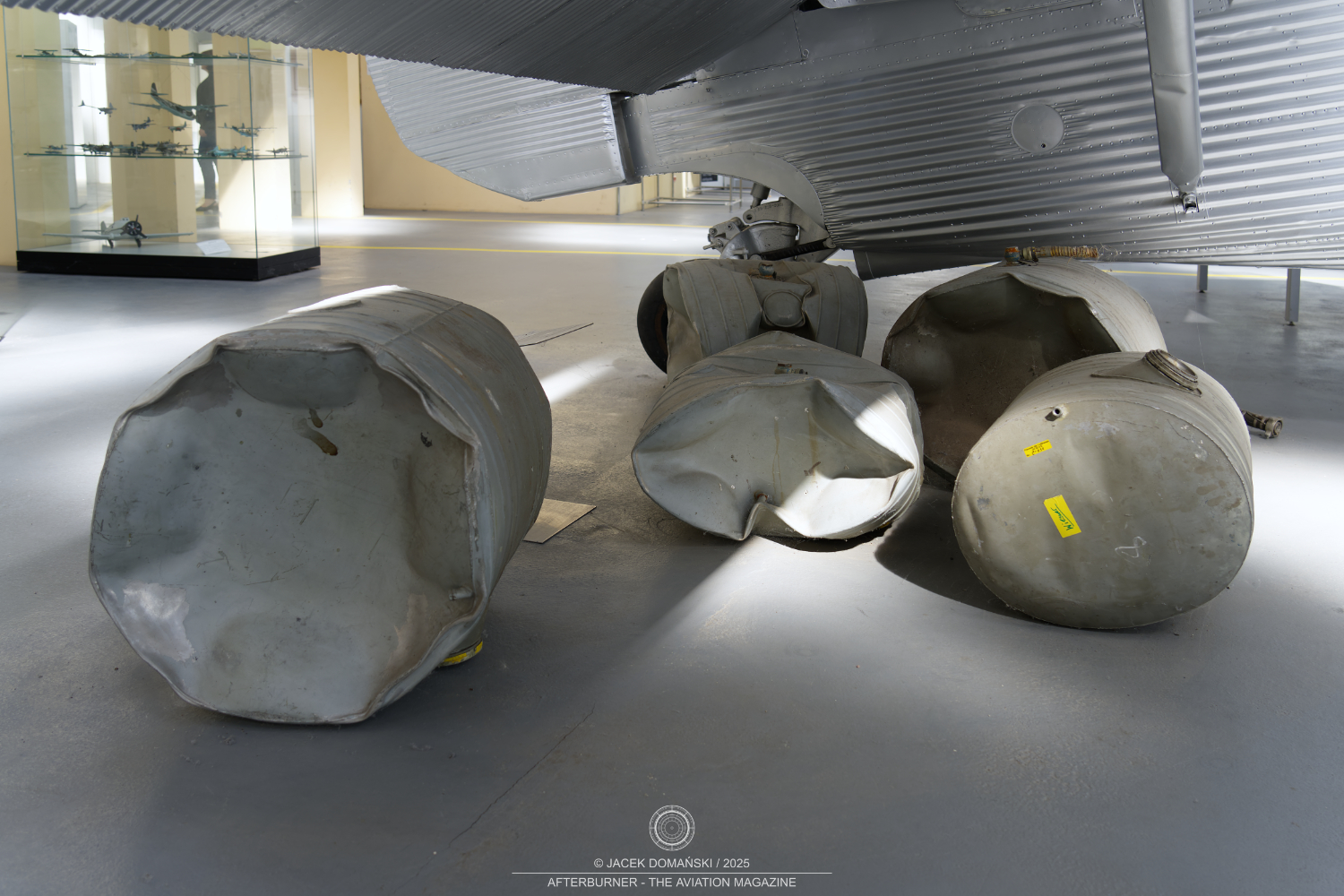
In 1940, a group of Ju 52 aircraft carried out an airlift from Berlin to Narvik and used the frozen Hartvikvatnet lake as an emergency airfield. Several were damaged during landing and subsequently destroyed by Allied air raids. It is estimated that more than ten Ju 52s sank into the lake. In 1986, several wrecks were recovered, including the two airframes that were used to rebuild the Tante Ju which is now on display in Dessau.
Additional information about all three aircraft types, including the history of their development and operational use, can be found in our previous articles: Junkers J 1, Junkers F 13 and 7 March 1932 – Maiden Flight of the Junkers Ju 52/3m.
The aviation section of the museum also contains an exhibition devoted to Hugo Junkers, covering both his personal life and his aviation achievements, with particular emphasis put on his pioneering work.
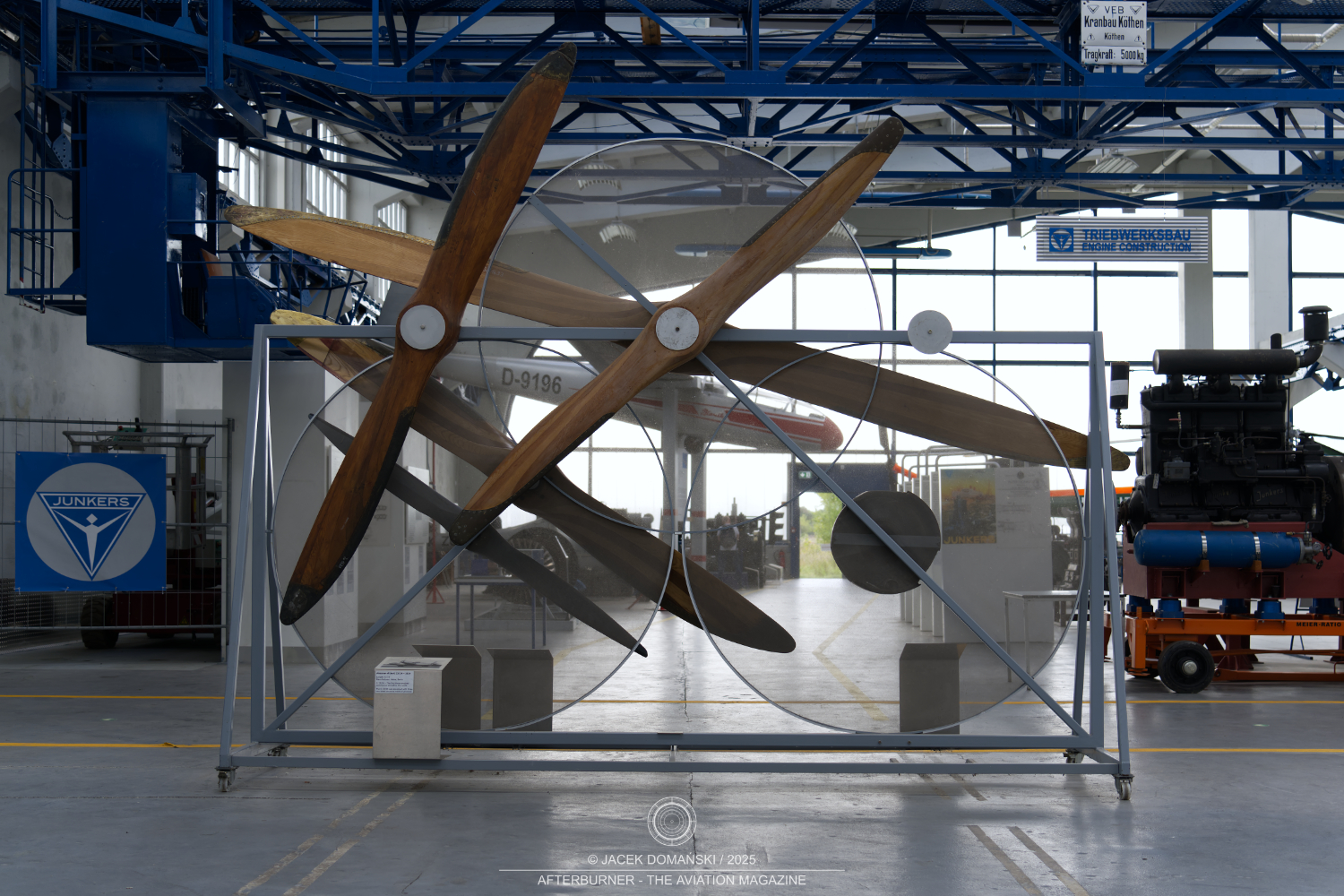
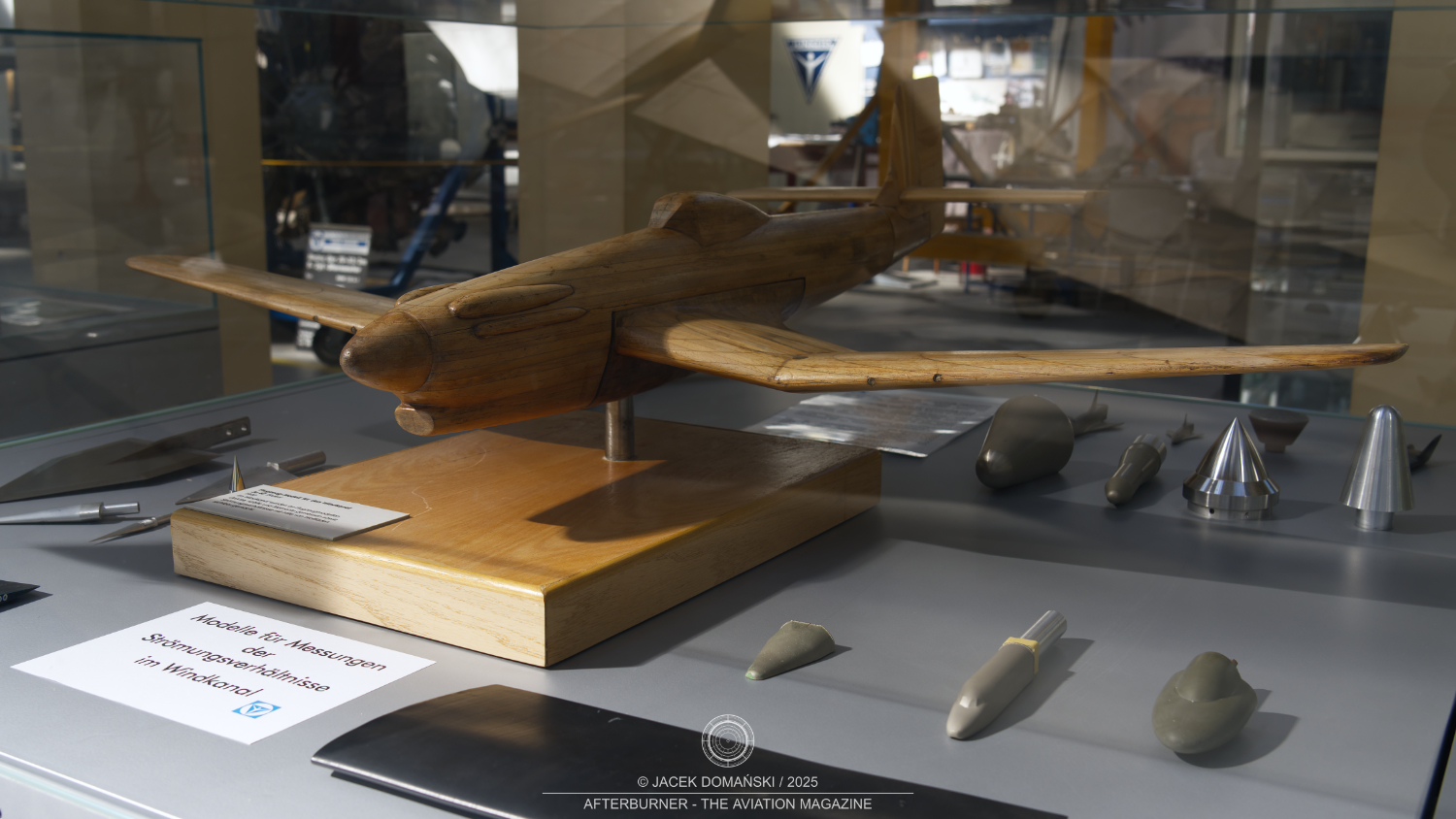
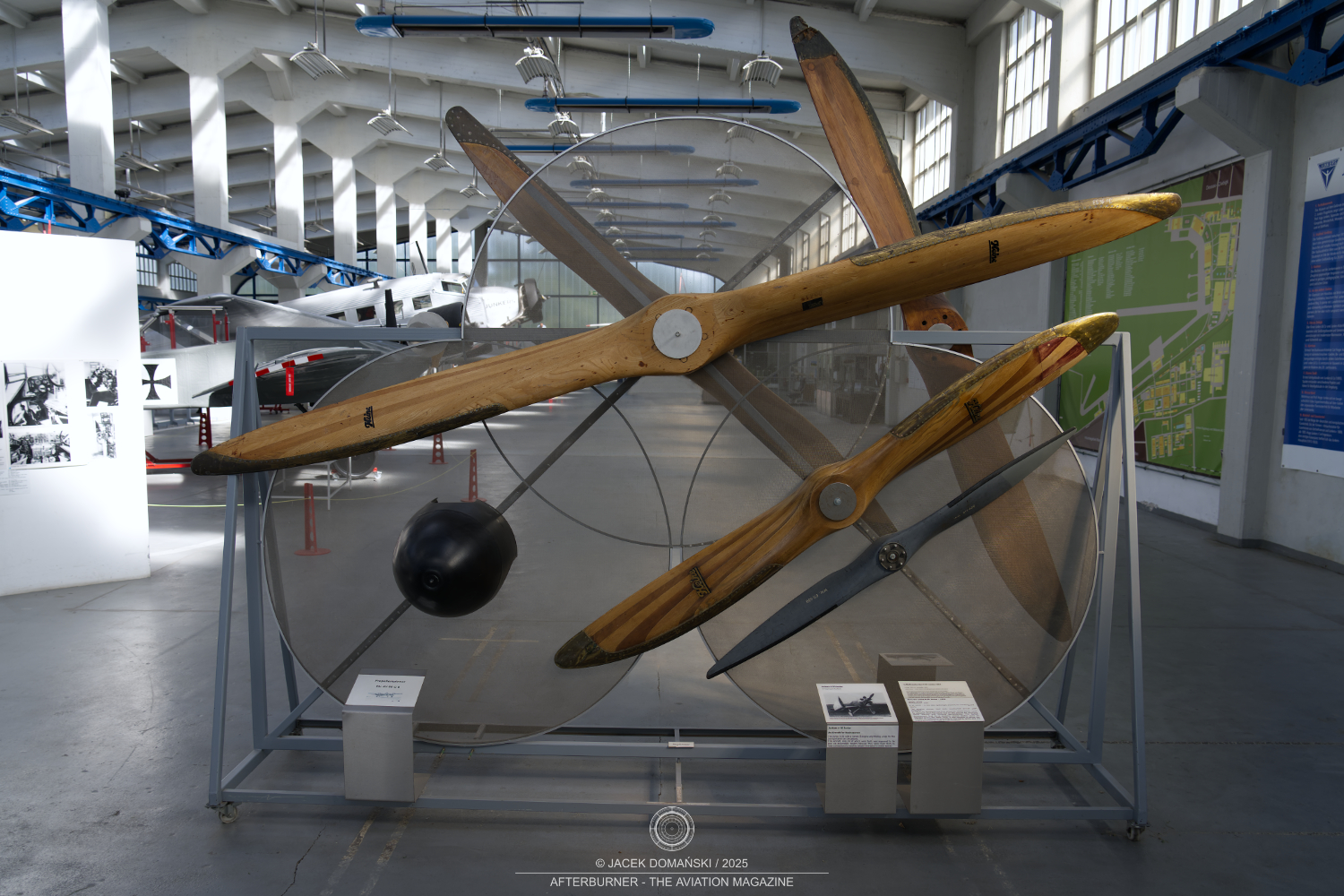
Visitors can see models of Junkers aircraft and preserved components from iconic aeroplanes – including propellers from the A 50, Ju 86 and G 23/24 – as well as the variety of documents and artefacts related to the development process.
Another section of the museum focuses on Junkers´ thermomechanical devices and gas appliances. This part of the exhibition takes visitors on an impressive journey through time, tracing the development of household hot-water systems, thermal baths, calorimeters, radiators and other heating equipment, as well as gas and electric ovens, from the late nineteenth century to the end of the twentieth century.
Although not directly related to aviation, the exhibition on Junkers developments in building construction and interior design is particularly interesting. Within this section, the visitors can see the only surviving steel-panel building designed by Hugo Junkers, as well as furniture, radiators and other interior elements.
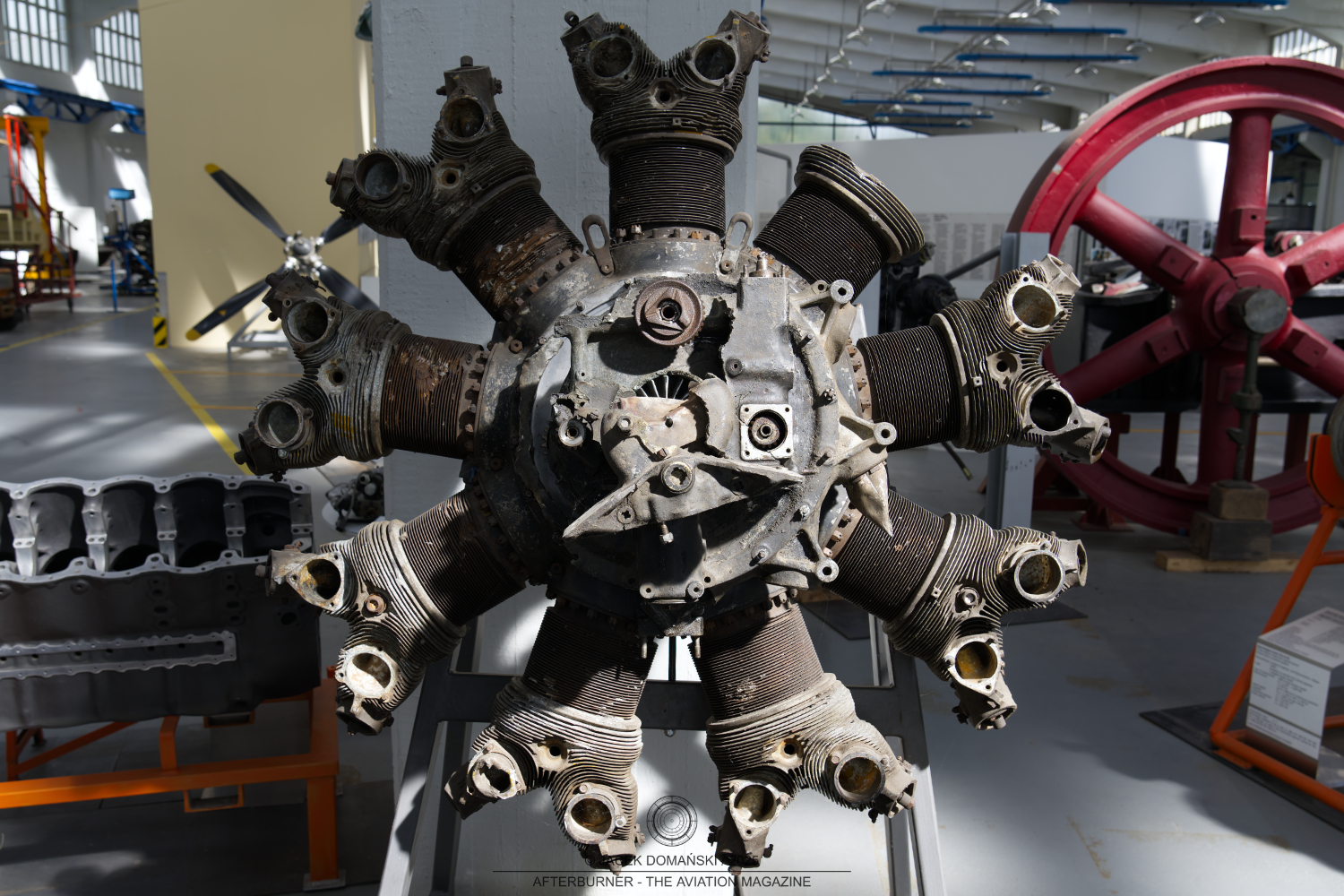
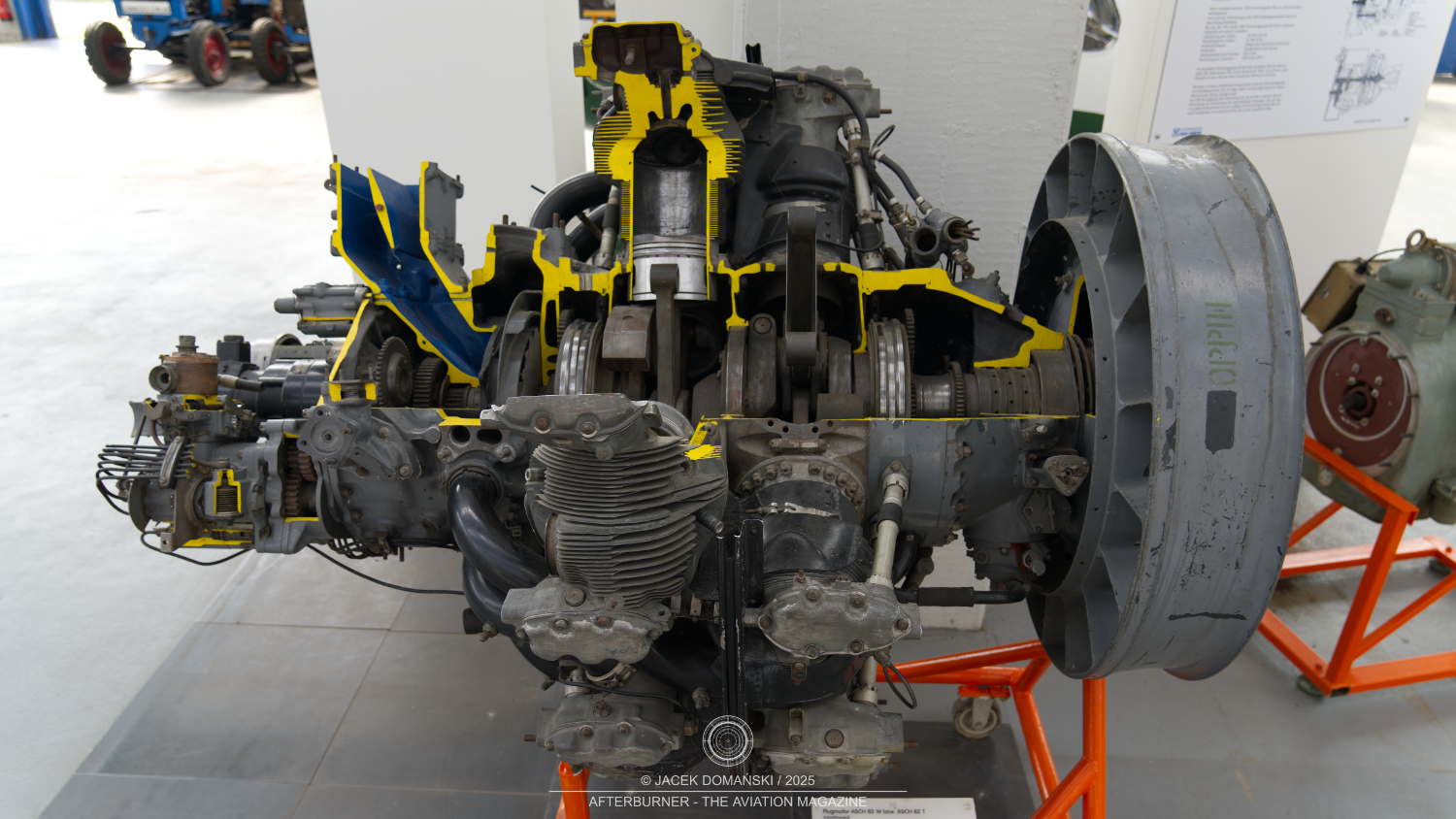
A large section of the museum is dedicated to engine manufacturing. It includes a collection of aviation engines such as the renowned Daimler-Benz DB 605, various Jumo engines, the well-known Shvetsov ASh-82 and several jet powerplants. Several engines from the collection are in excellent, operational condition. From time to time, they are live demonstrated to the public during the Motorentag (“Engine Day”) events.
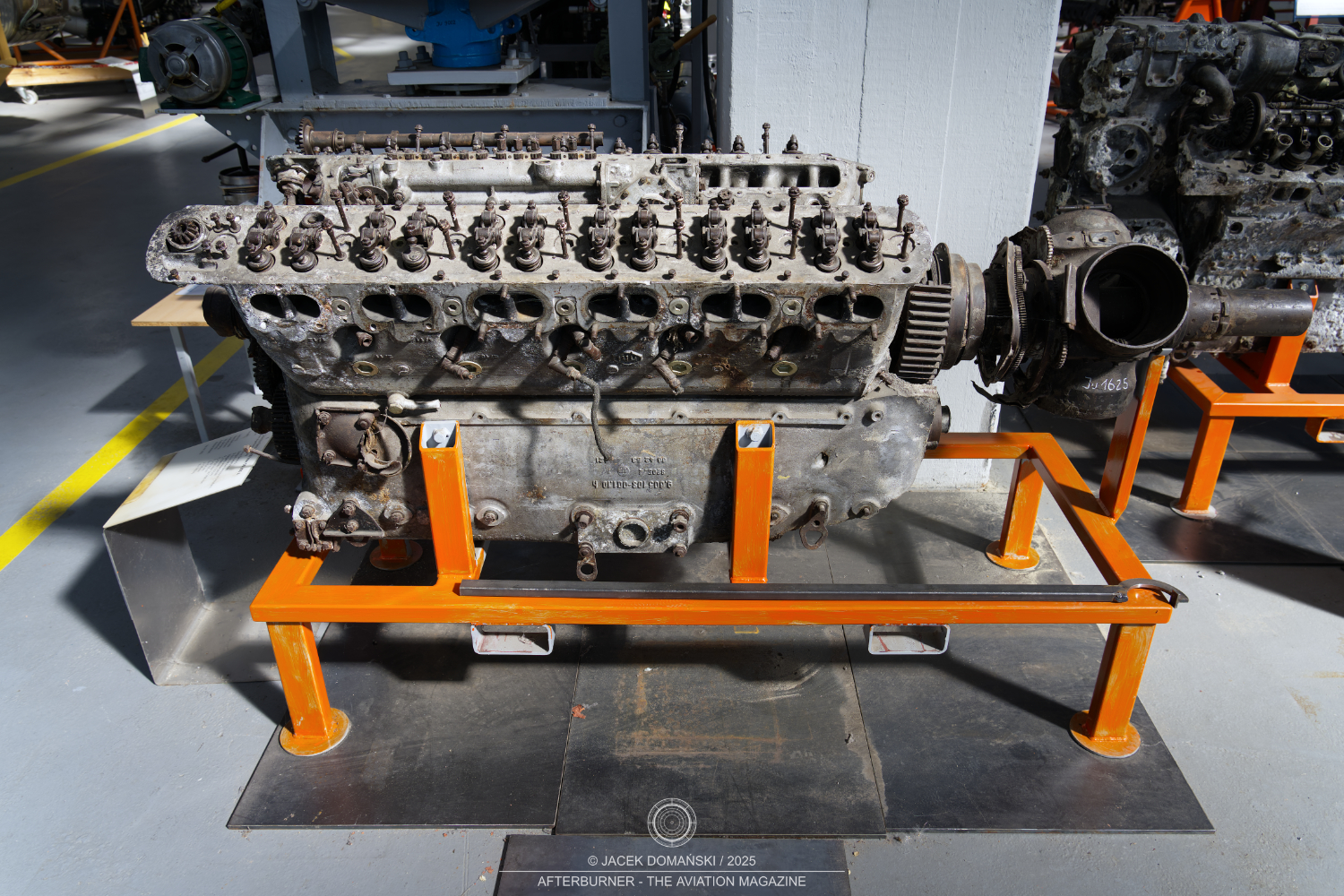
Alongside the aviation powerplants, the museum collection includes several examples of agricultural, marine and industrial engines developed by Junkers.
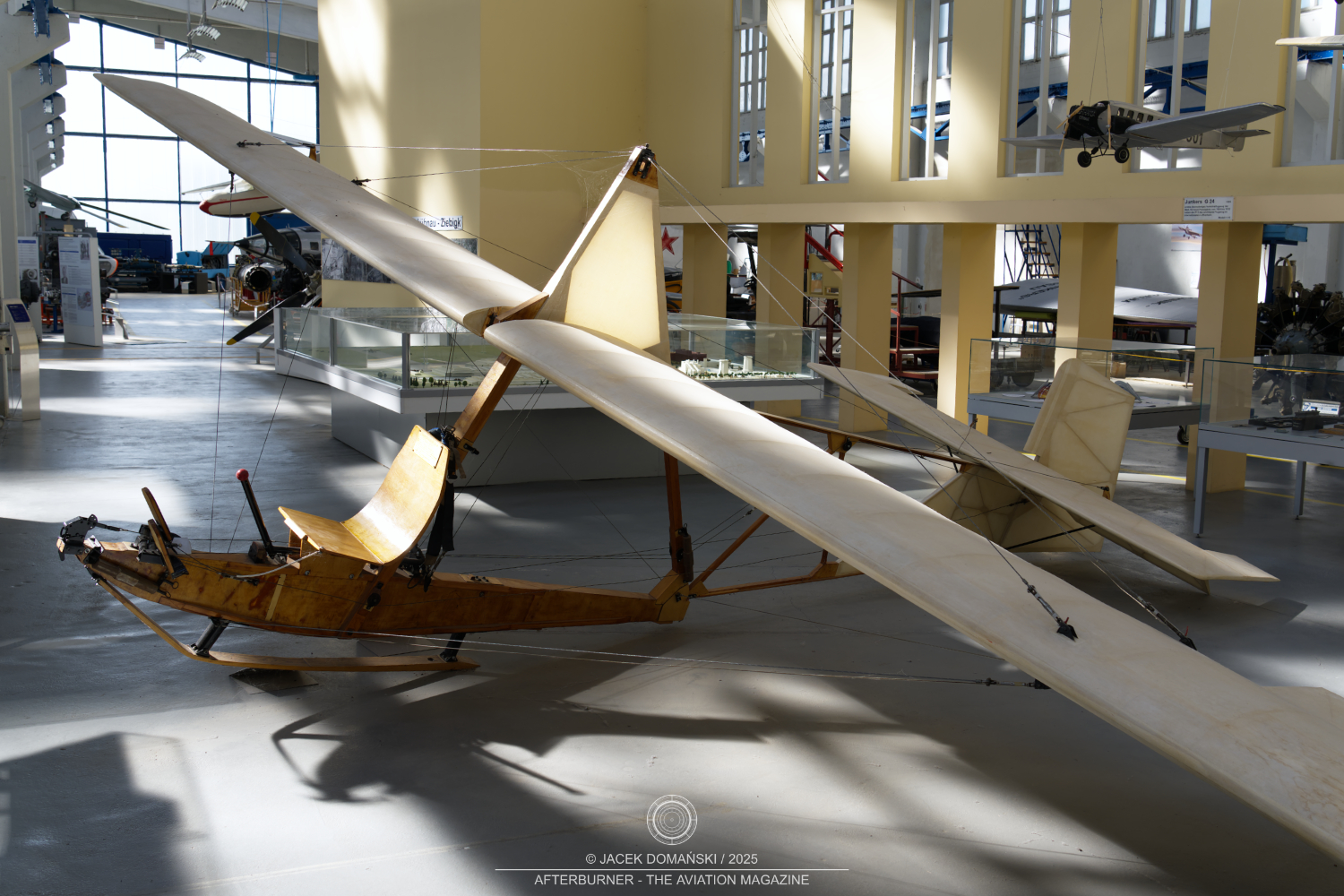
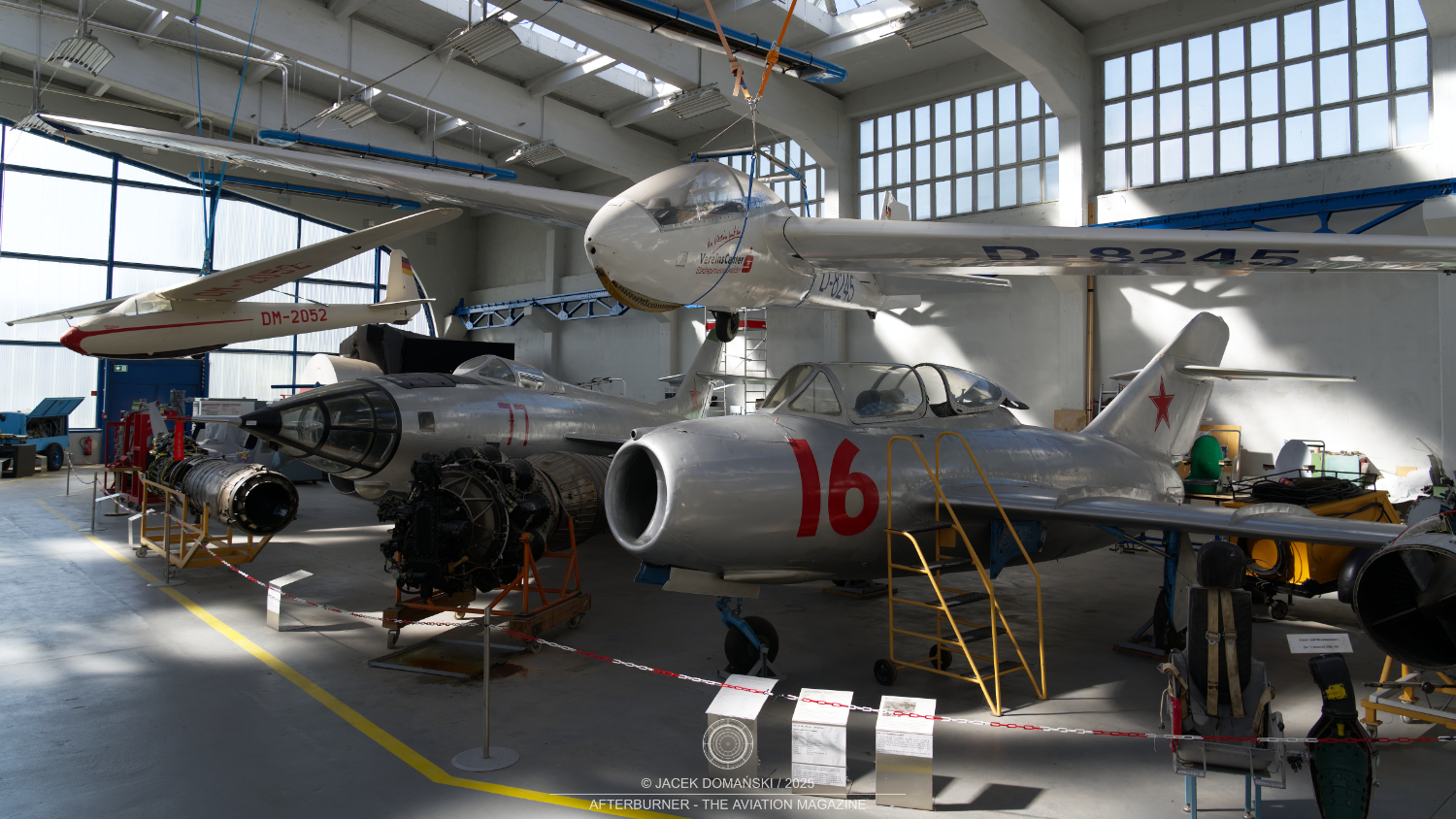
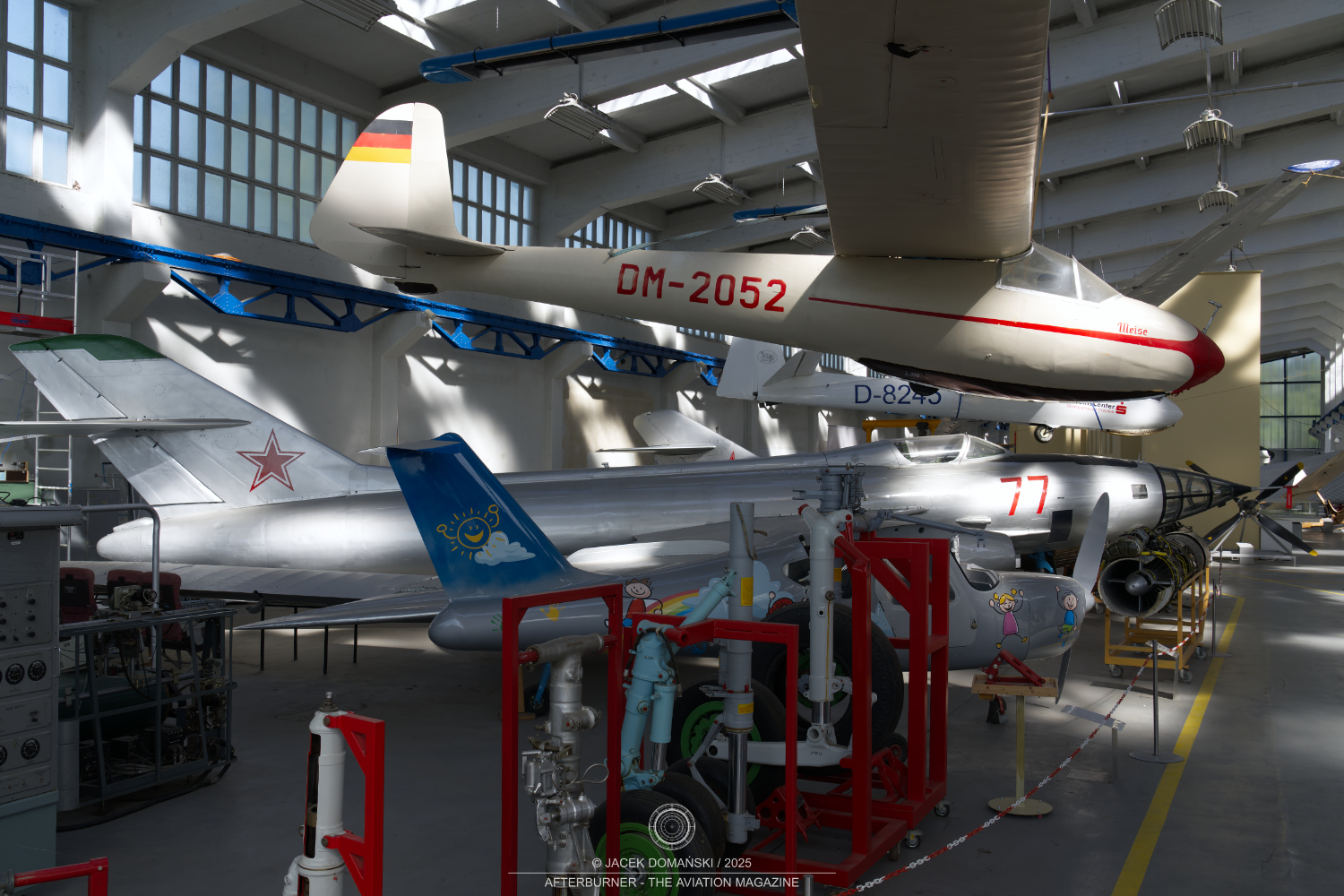
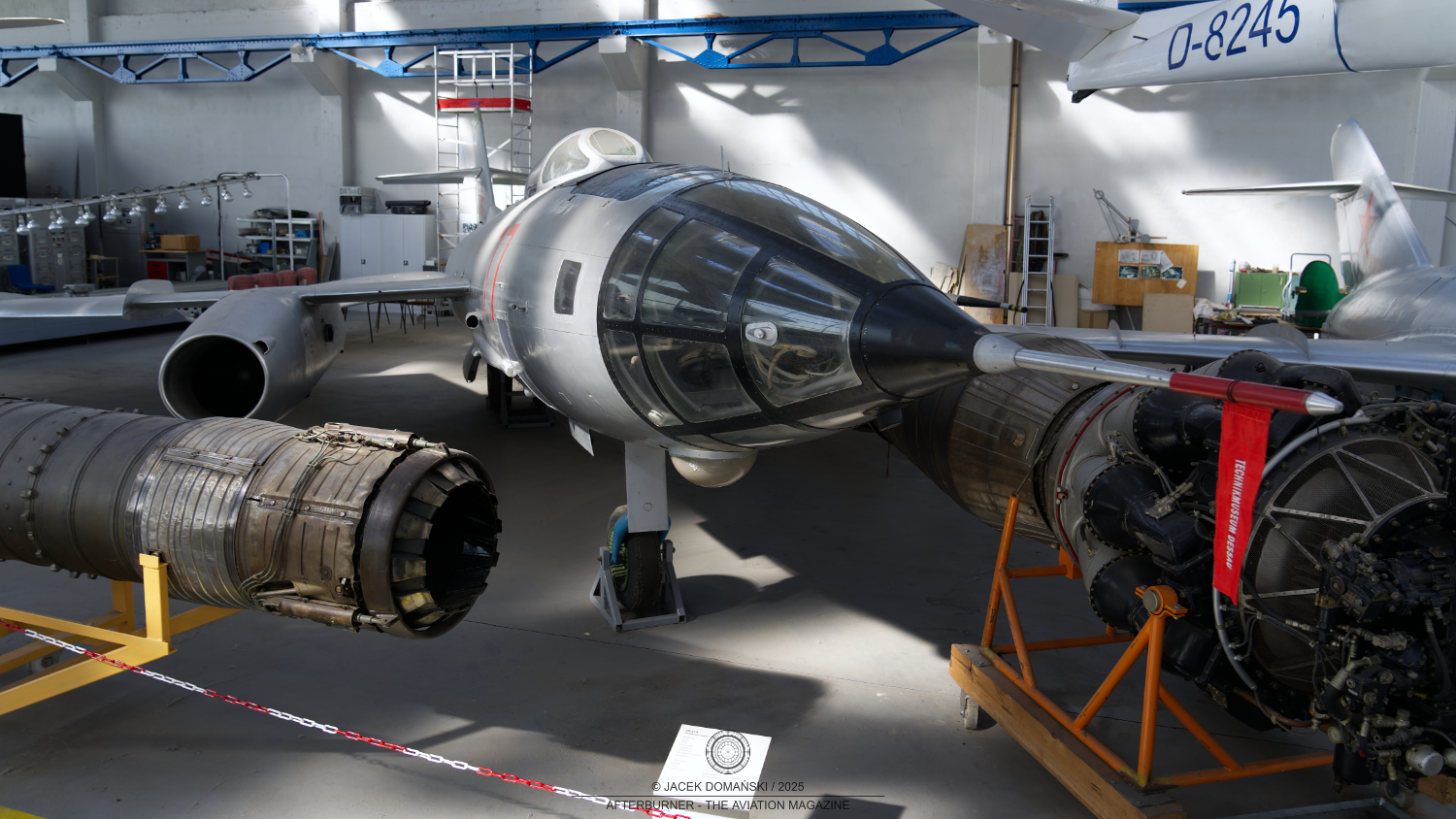
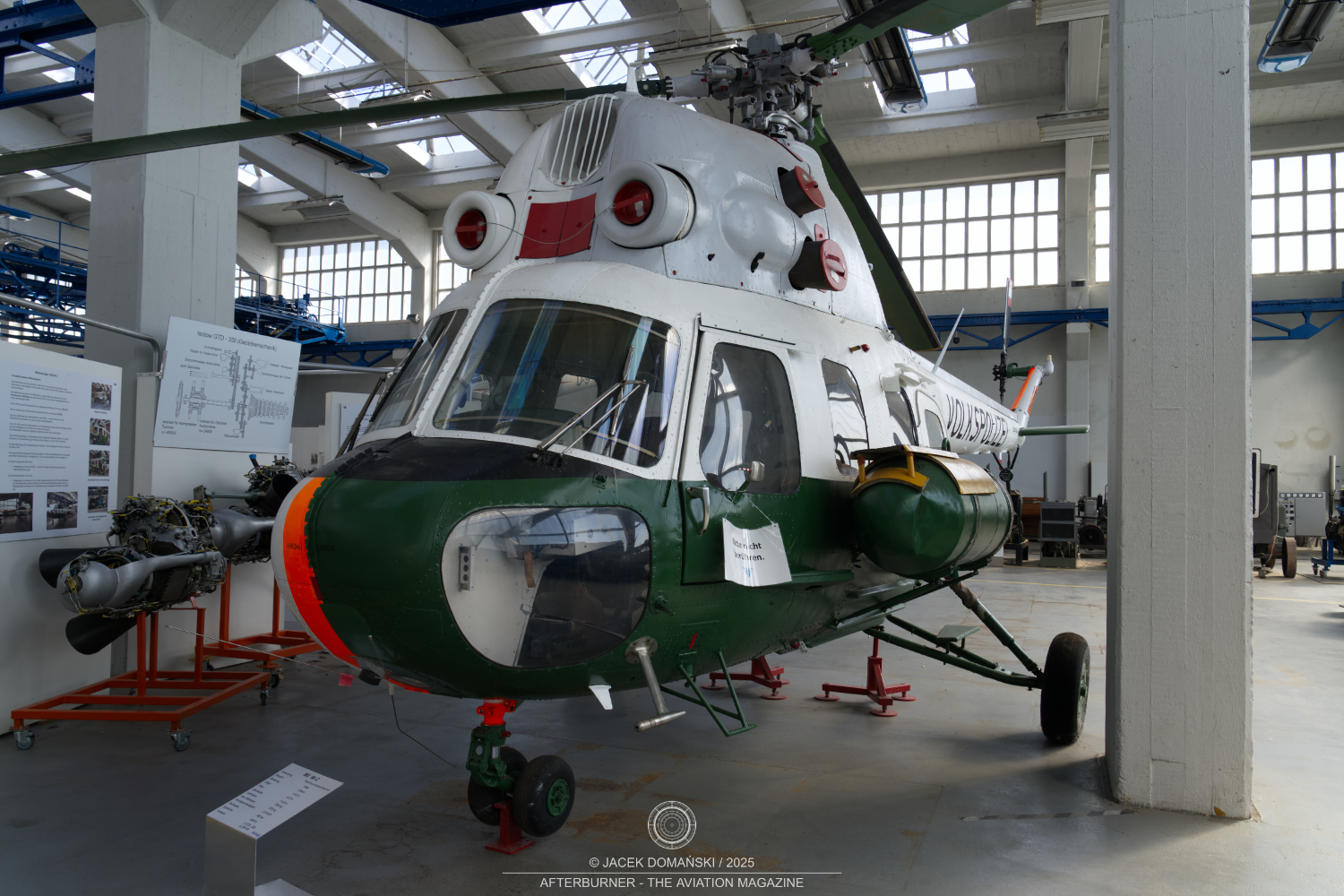
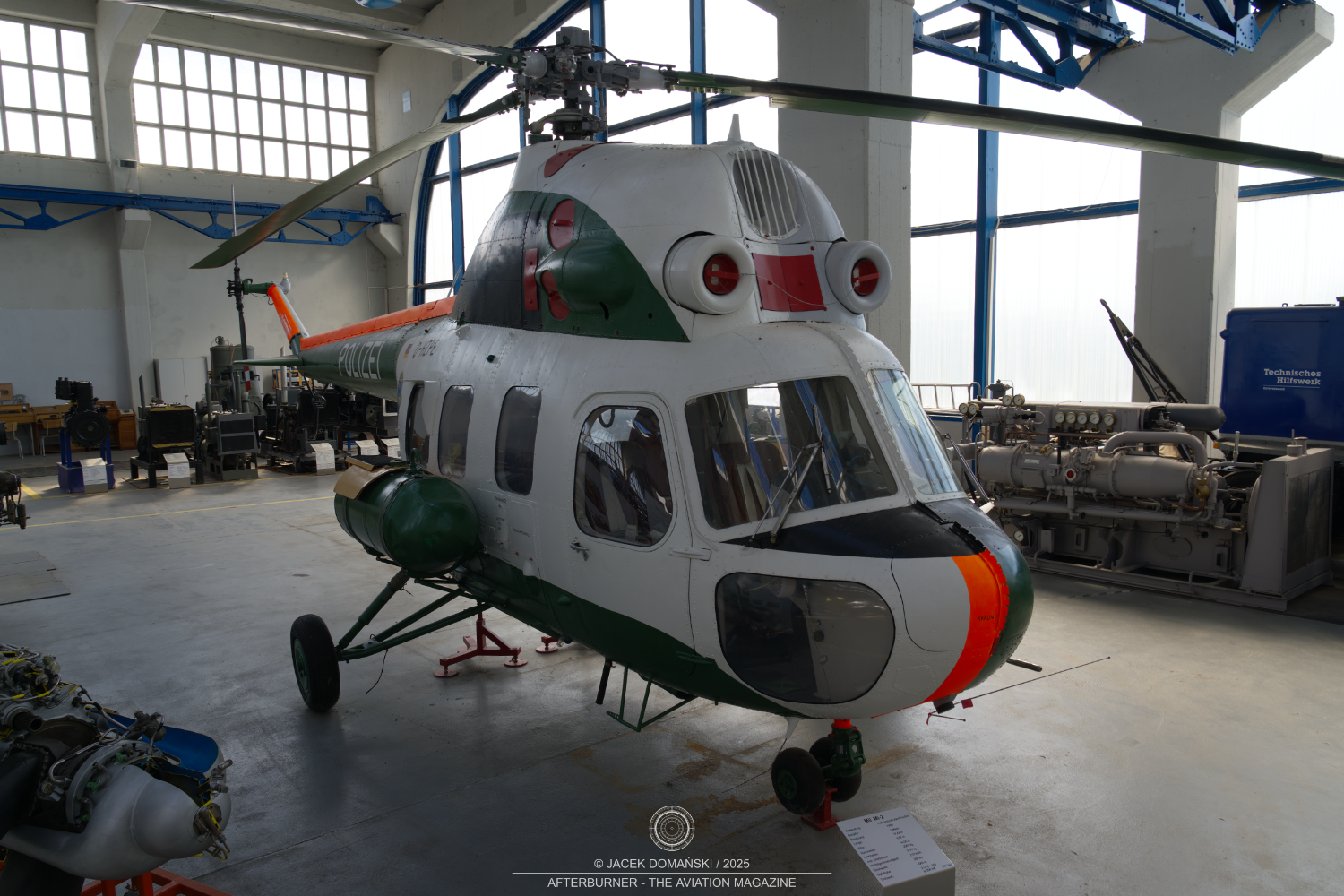
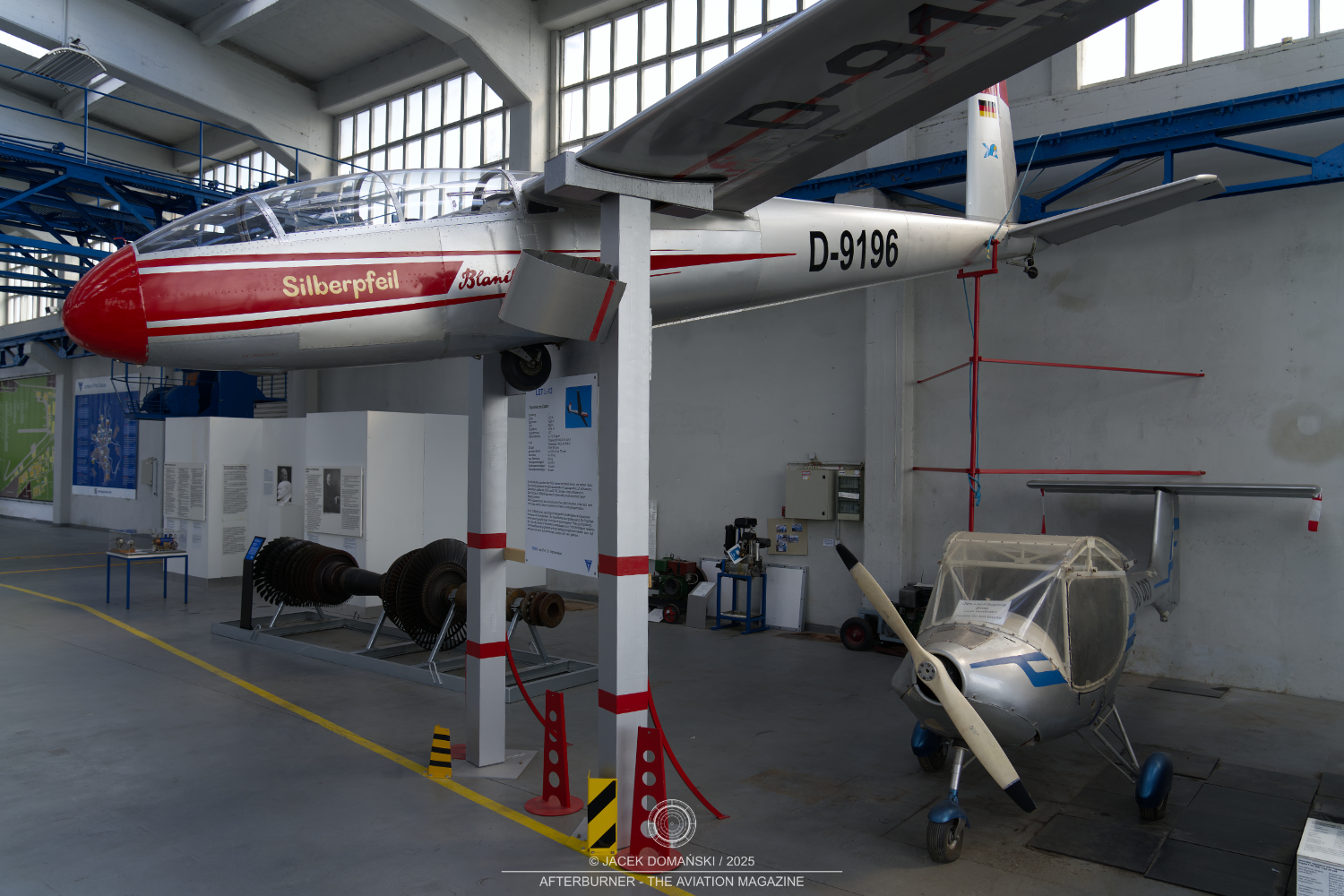
As mentioned above, exhibits related to the German industrial tycoon and his developments are only a part of the Technikmuseum “Hugo Junkers” collection. The permanent exhibition of the museum also features a variety of other interesting aircraft, including the Schneider SG 38 Schulgleiter, the DFS Meise, the SZD-9BIS Bocian and the Let L-13 Blaník gliders; the Yakovlev Yak-27R and the MiG-15UTI jets from the Cold War era; the well-known Mil Mi-2 helicopter; and the Jora UA2 ultralight aeroplane.
Particularly interesting is the original flight simulator used to train Ilyushin Il-18 crews, as well as a modern simulator of the Junkers F 13. The visitors can “fly” either the four-engine Soviet airliner or the world’s first all-metal passenger aircraft, subject to prior reservation and an additional fee.
A special section of the museum is dedicated to space exploration, specifically the Apollo 11 and Apollo 15 missions to the Moon. Thanks to virtual reality, the visitors can explore the Solar System or experience the Apollo flights.
The museum also showcases other branches of Dessau industry – including the cement plant, which has its origins in the nineteenth century, and manufacturing of railway carriages, both of which were extensively developed during the East German era.
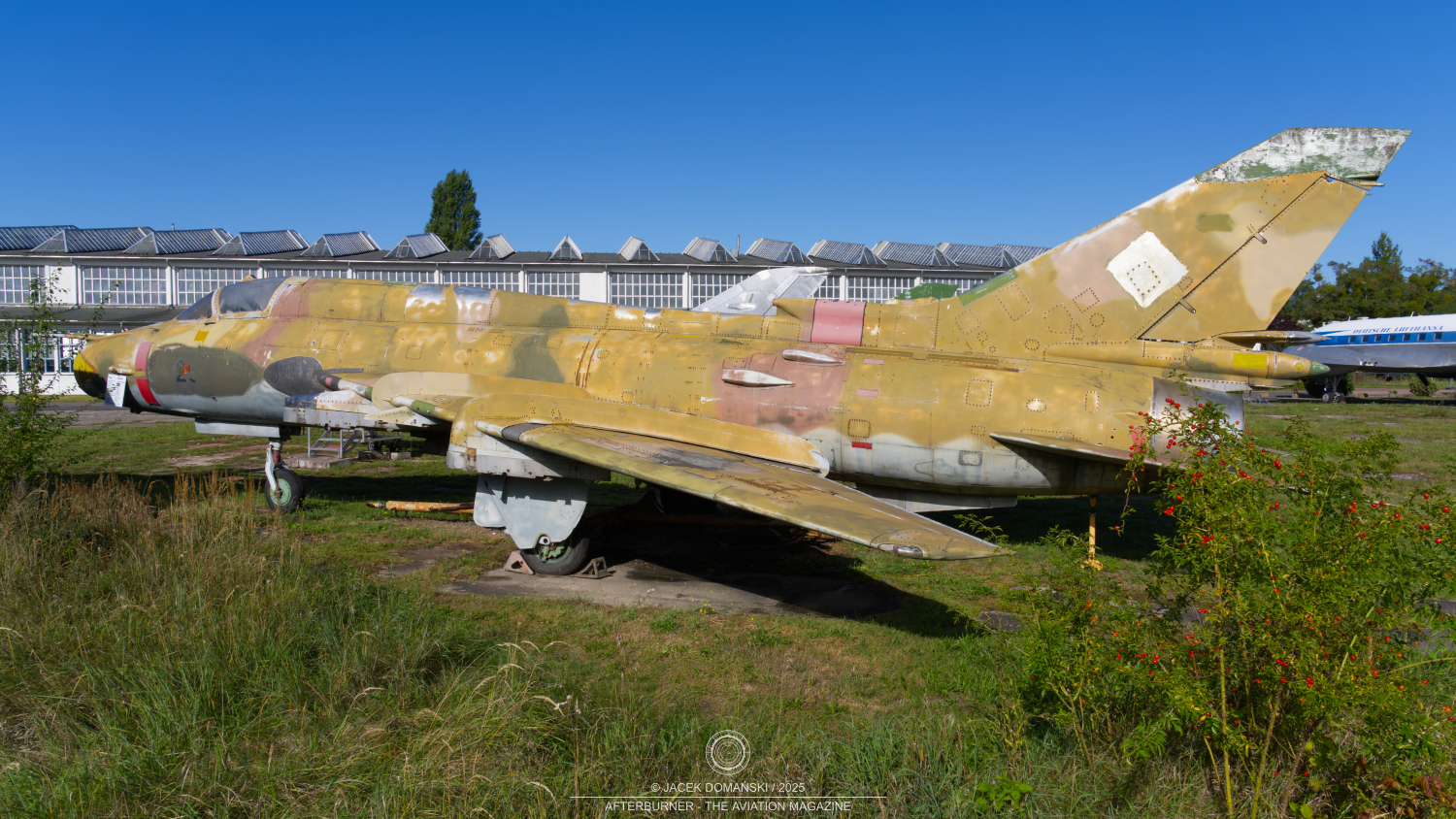
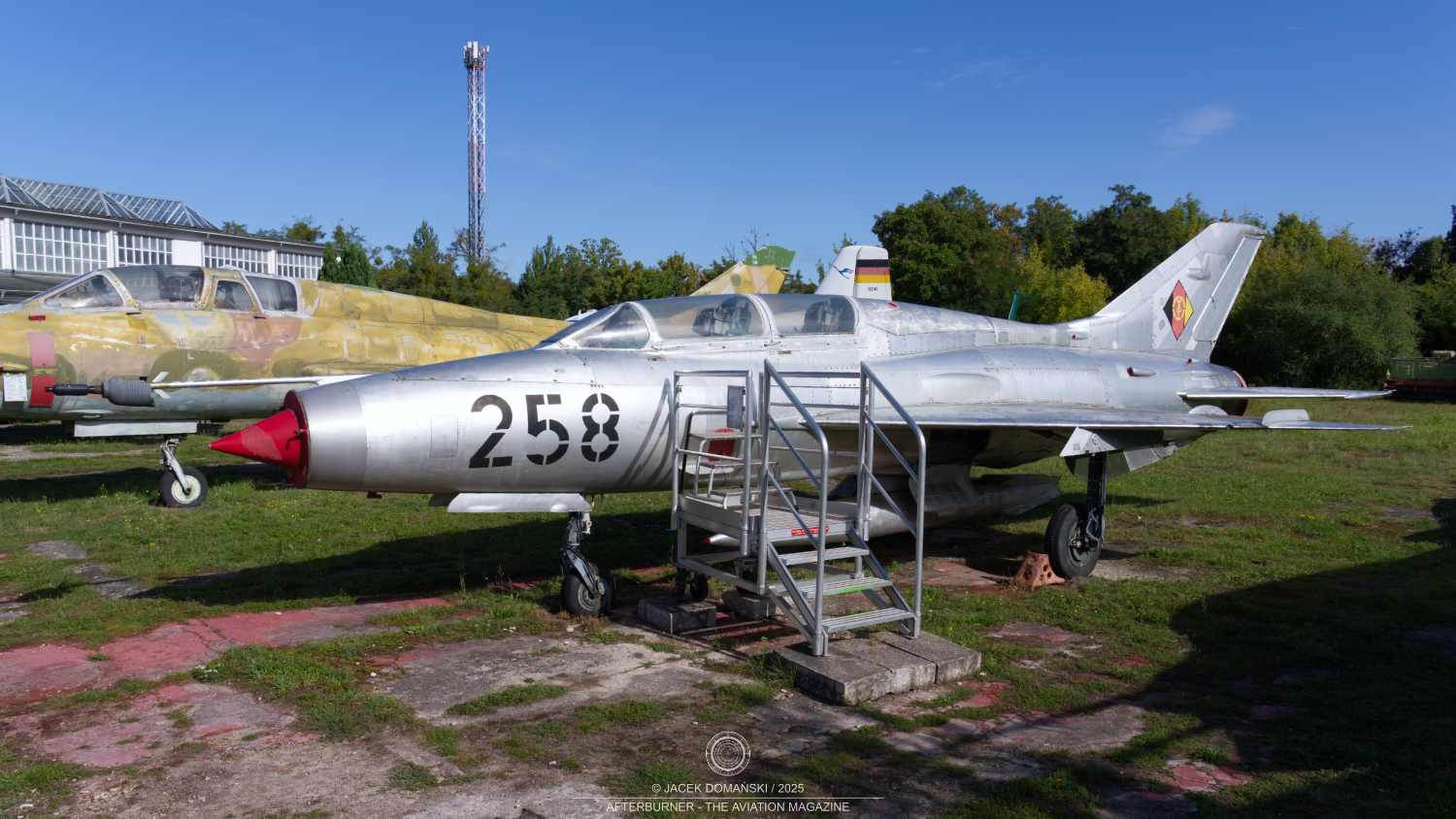
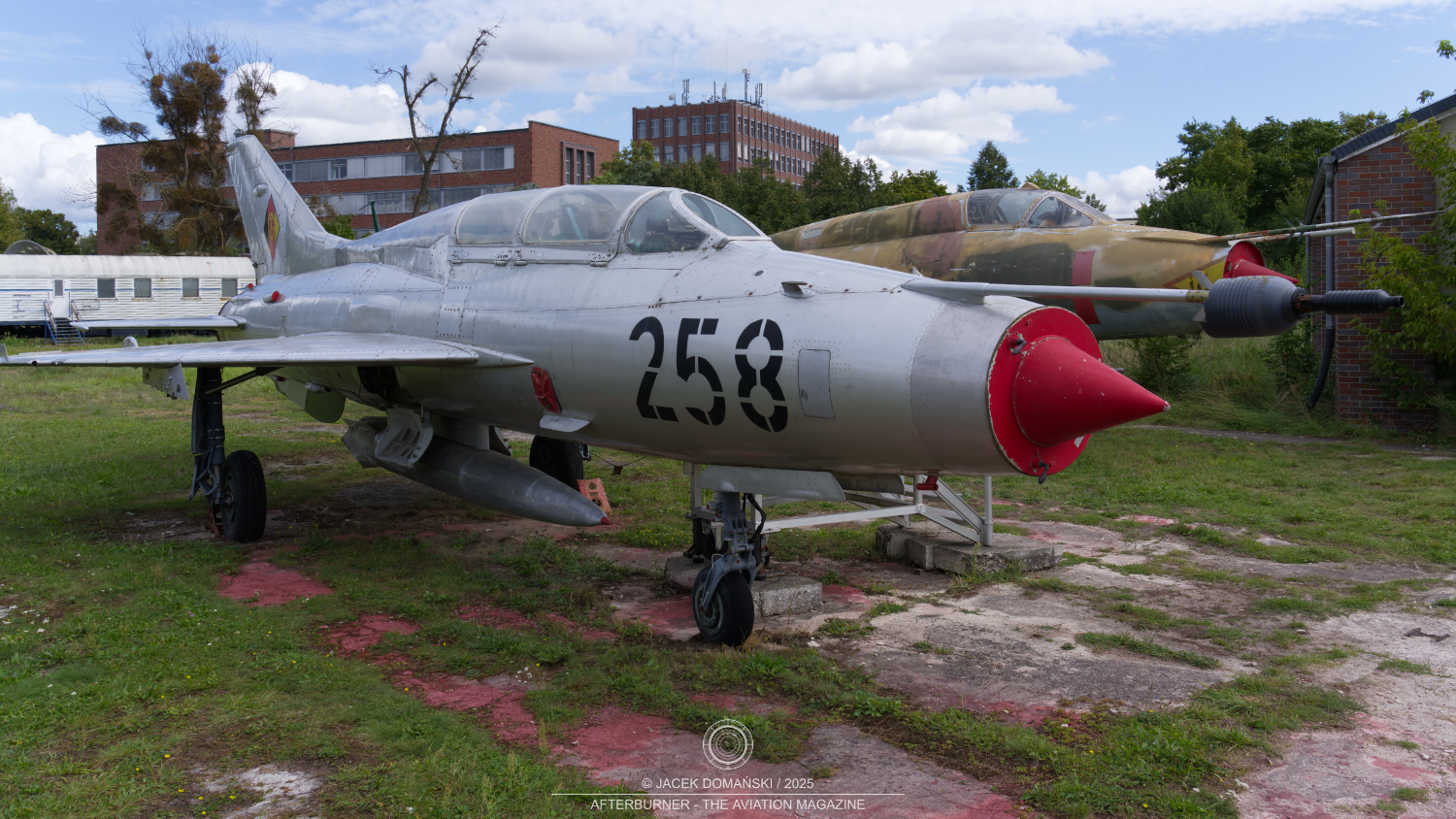
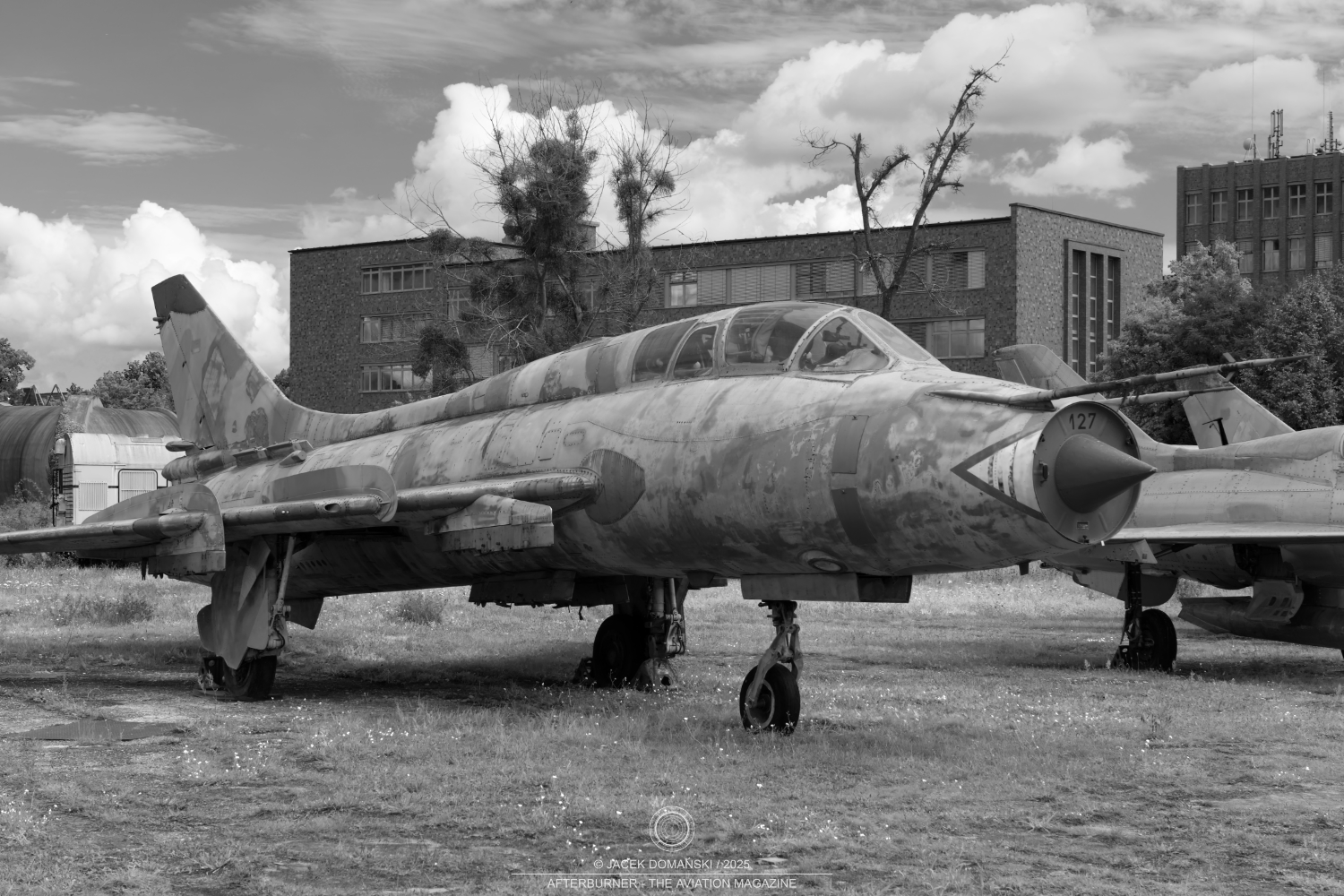
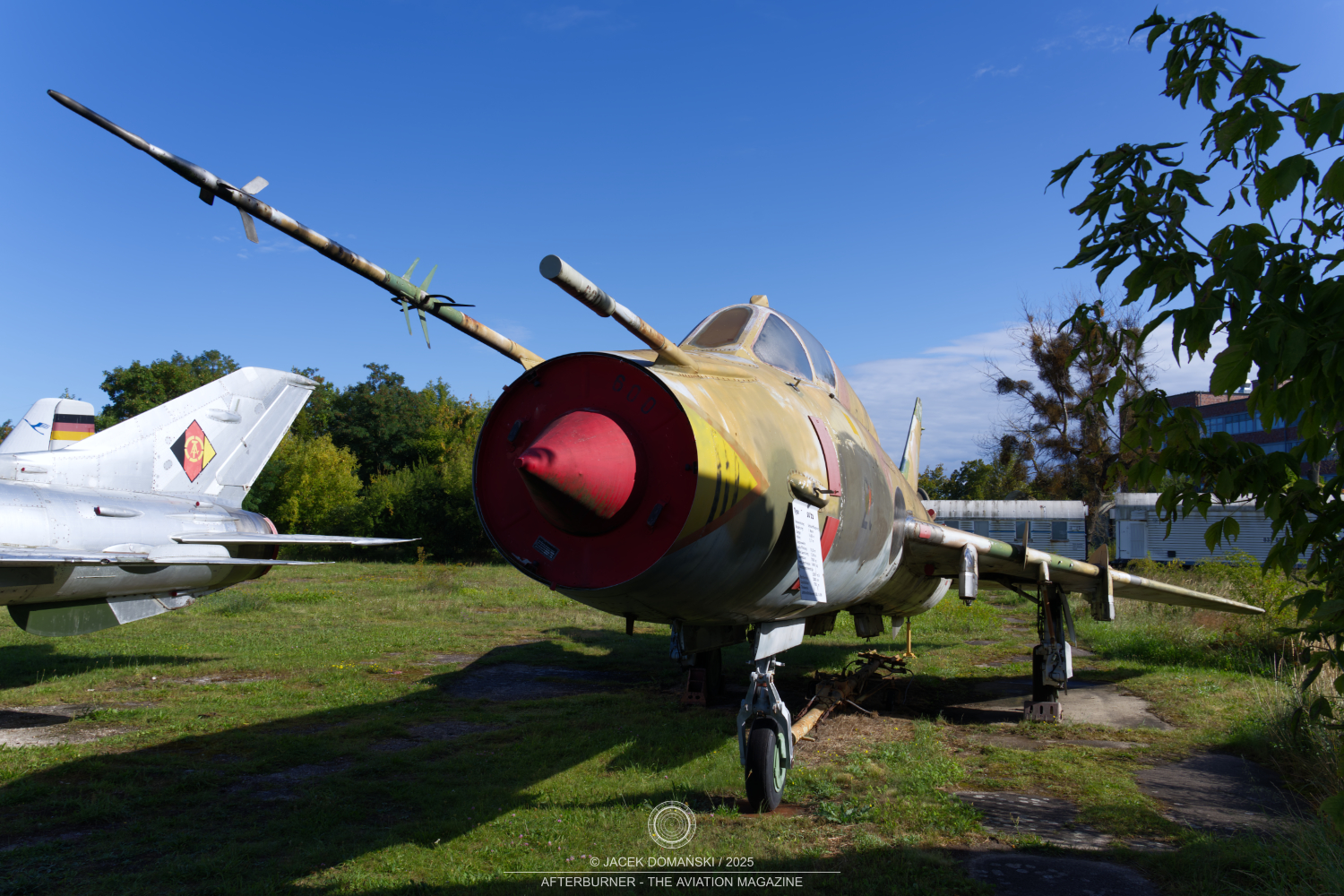
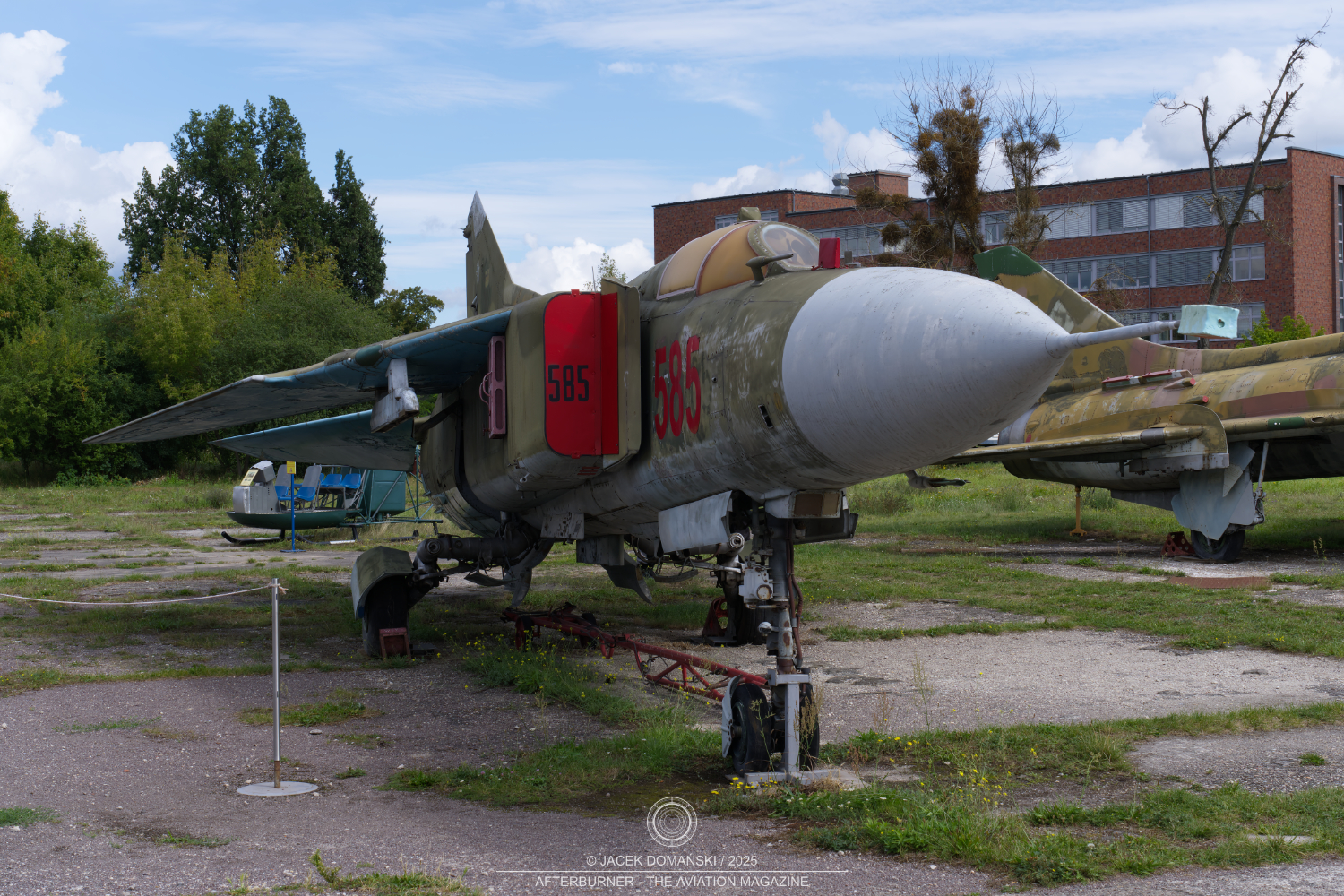
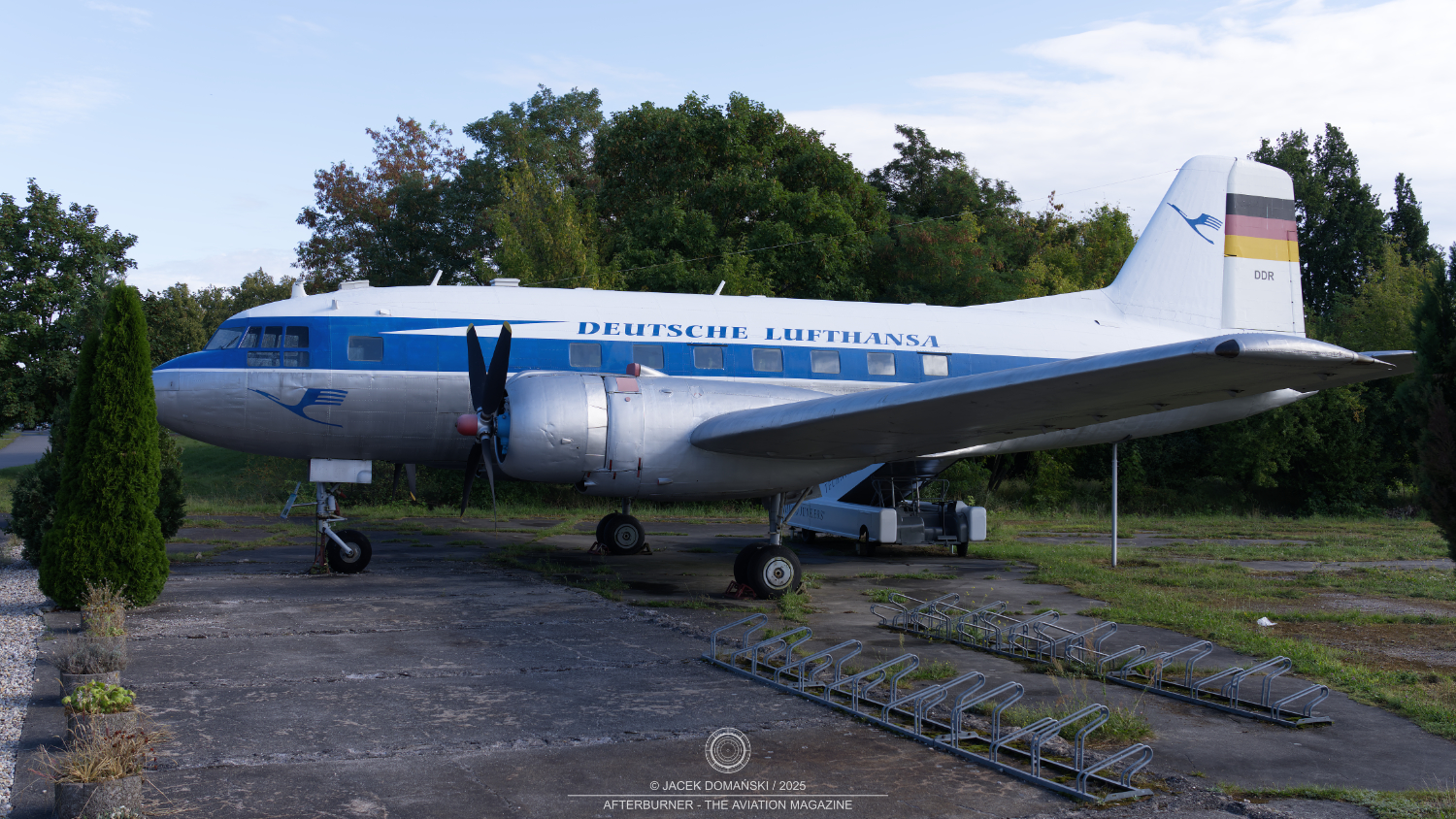
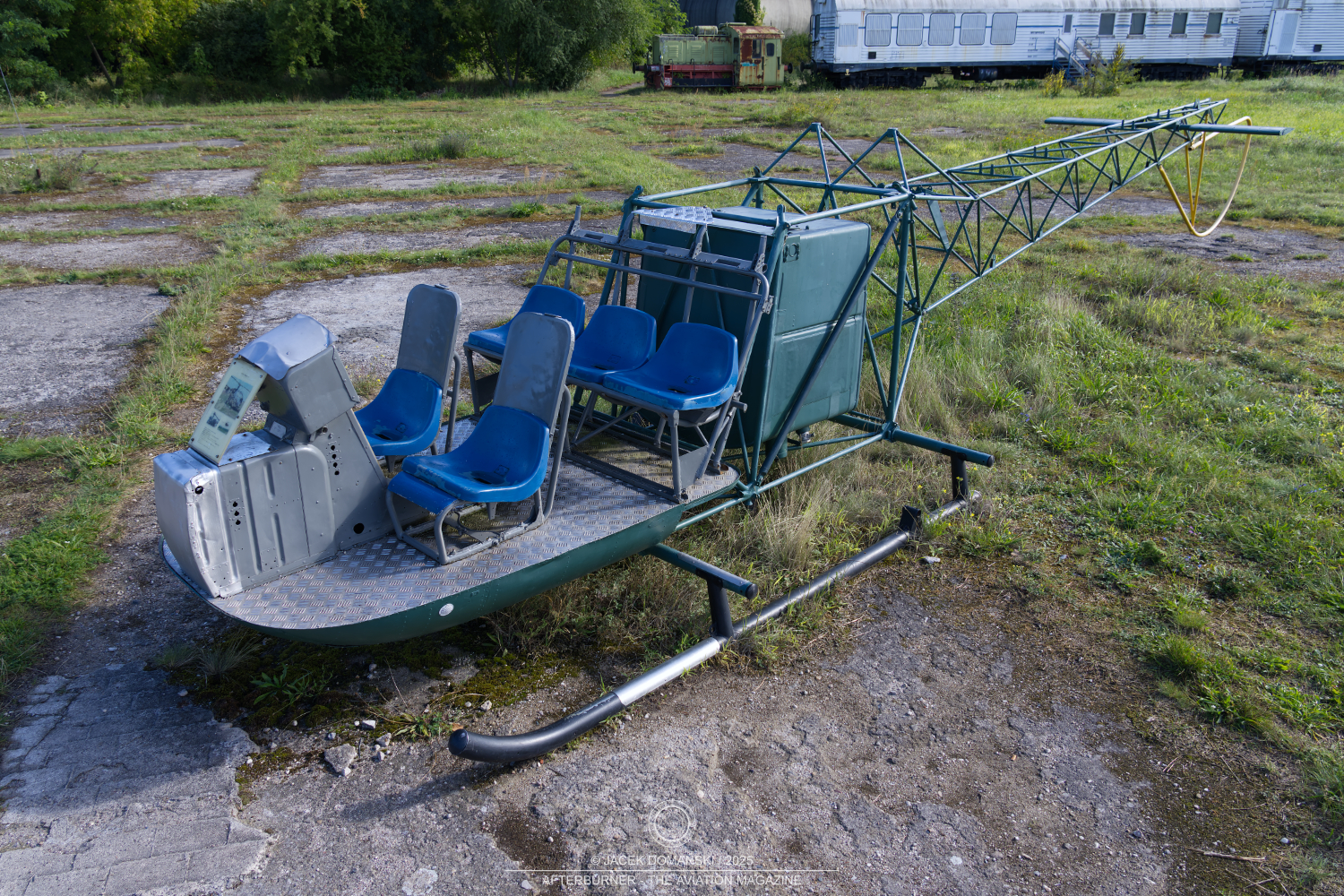
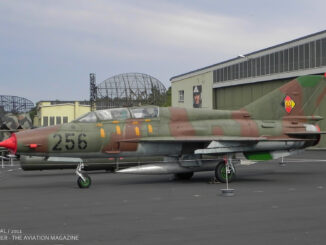
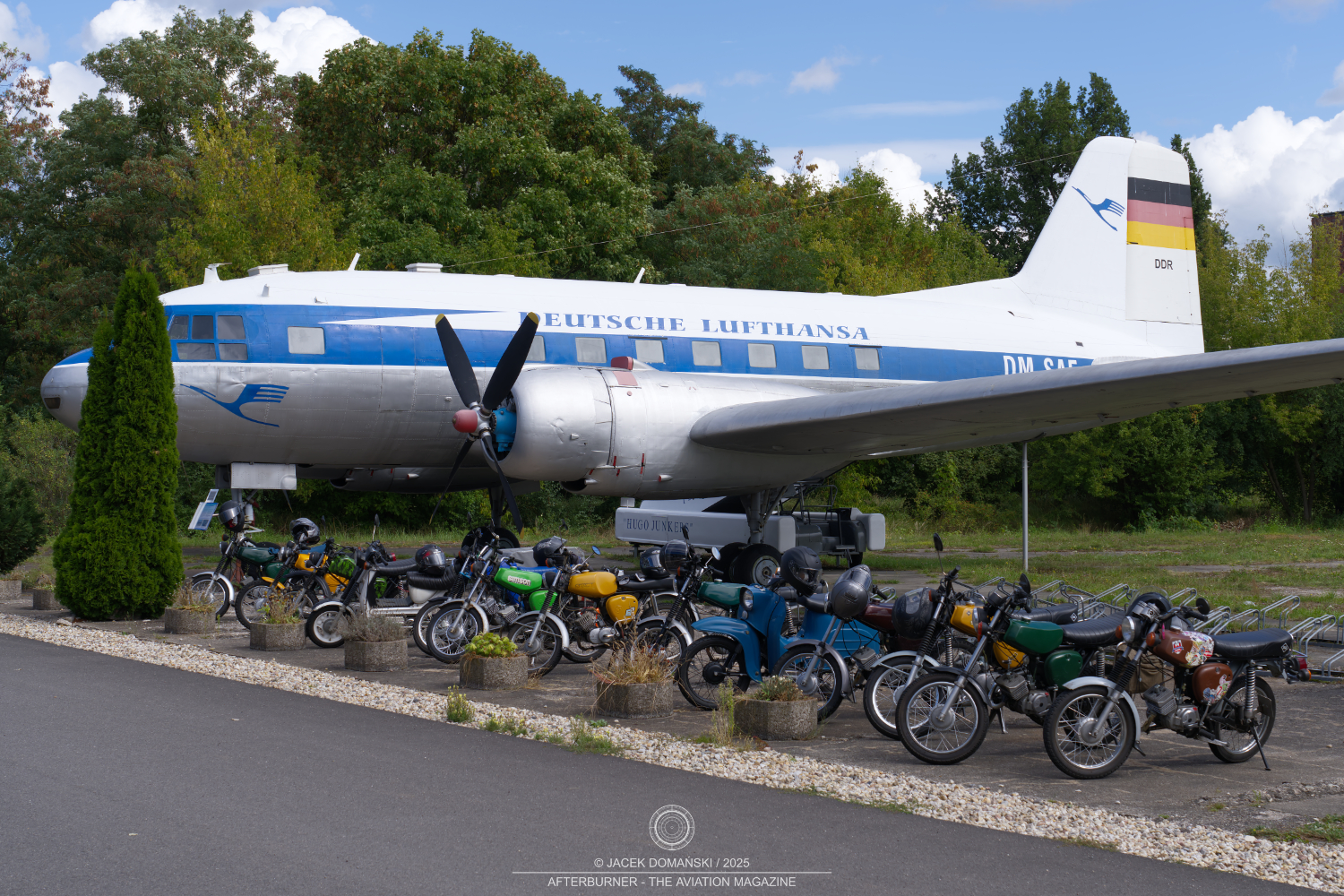
Outside the museum building there is an interesting open-air exhibition of Cold War combat aircraft, formerly operated by Luftstreitkräfte der Nationalen Volksarmee (the Air Forces of the National People’s Army). The collection includes the MiG-23MF, the MiG-21U-400, the Su-22M4 and the Su-22UM3K. Nearby, visitors can find the East German variant of the popular Soviet twin-engine Ilyushin Il-14P airliner, bearing the striking livery of Deutsche Lufthansa (the predecessor of Interflug) and the airframe of a Sud-Est SE-3130 Alouette II helicopter.
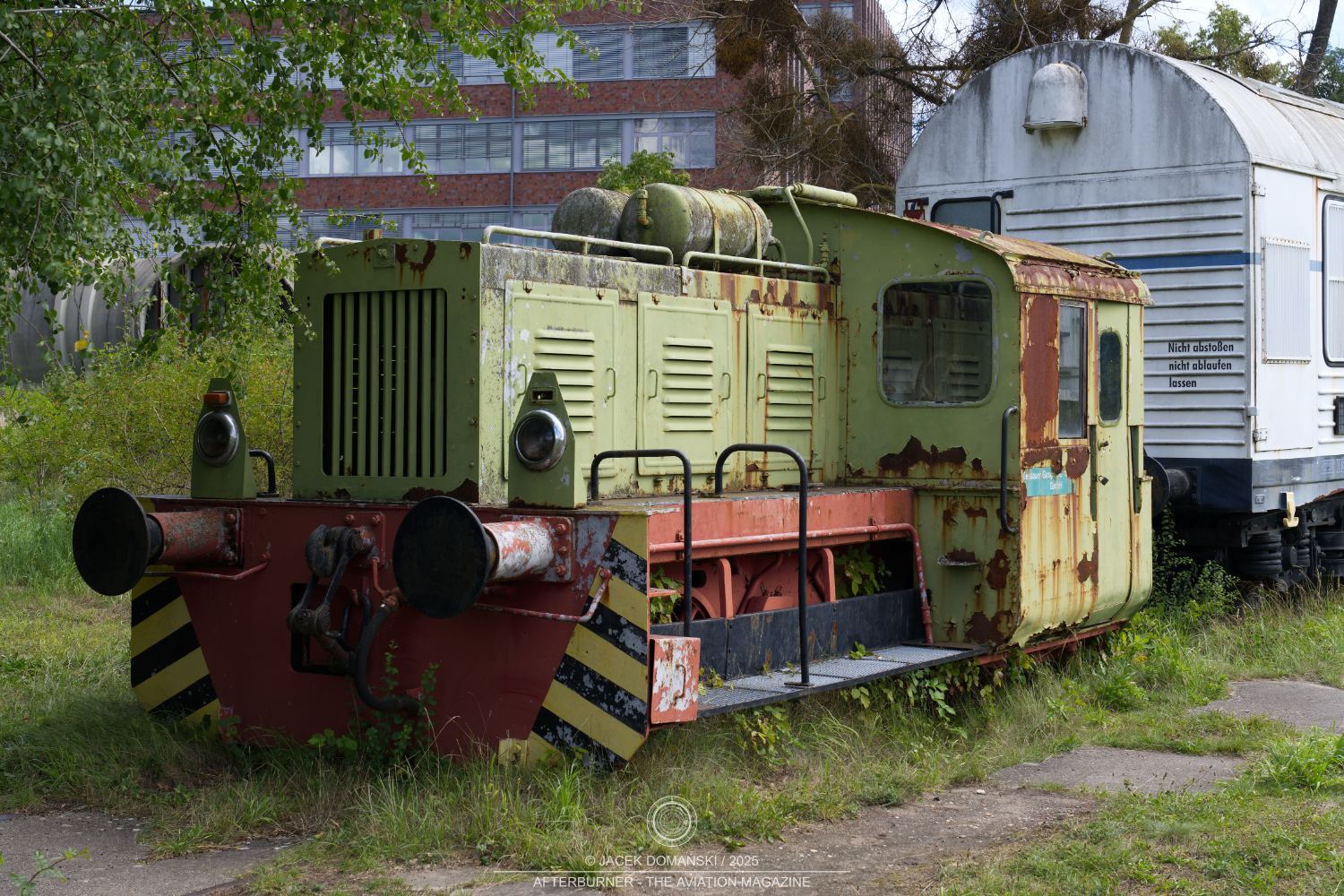
A few steps further stands the former railway sidings, featuring an exhibition of refrigerator cars for which the Dessau railway plant was renowned, along with several other wagons and locomotives.
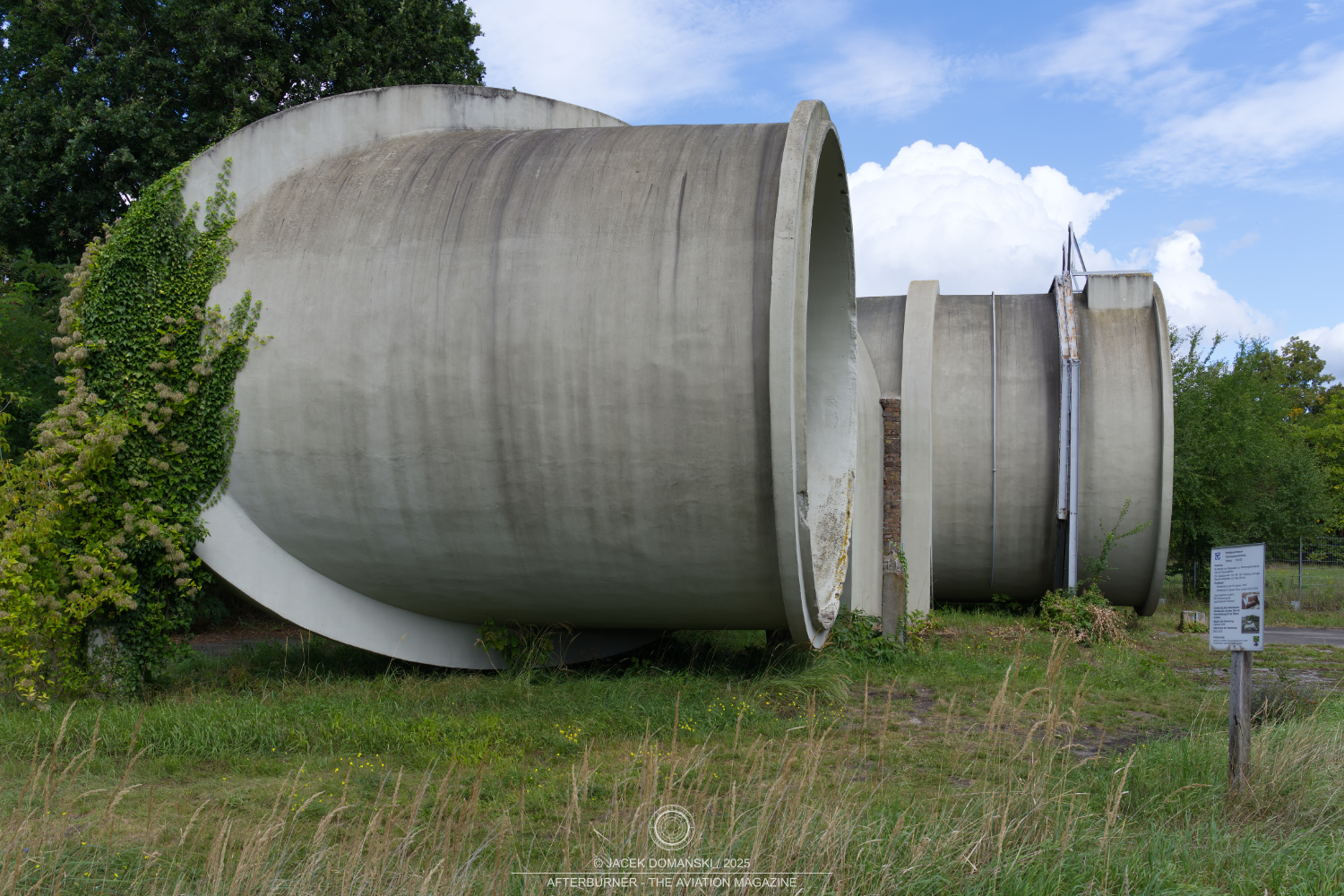
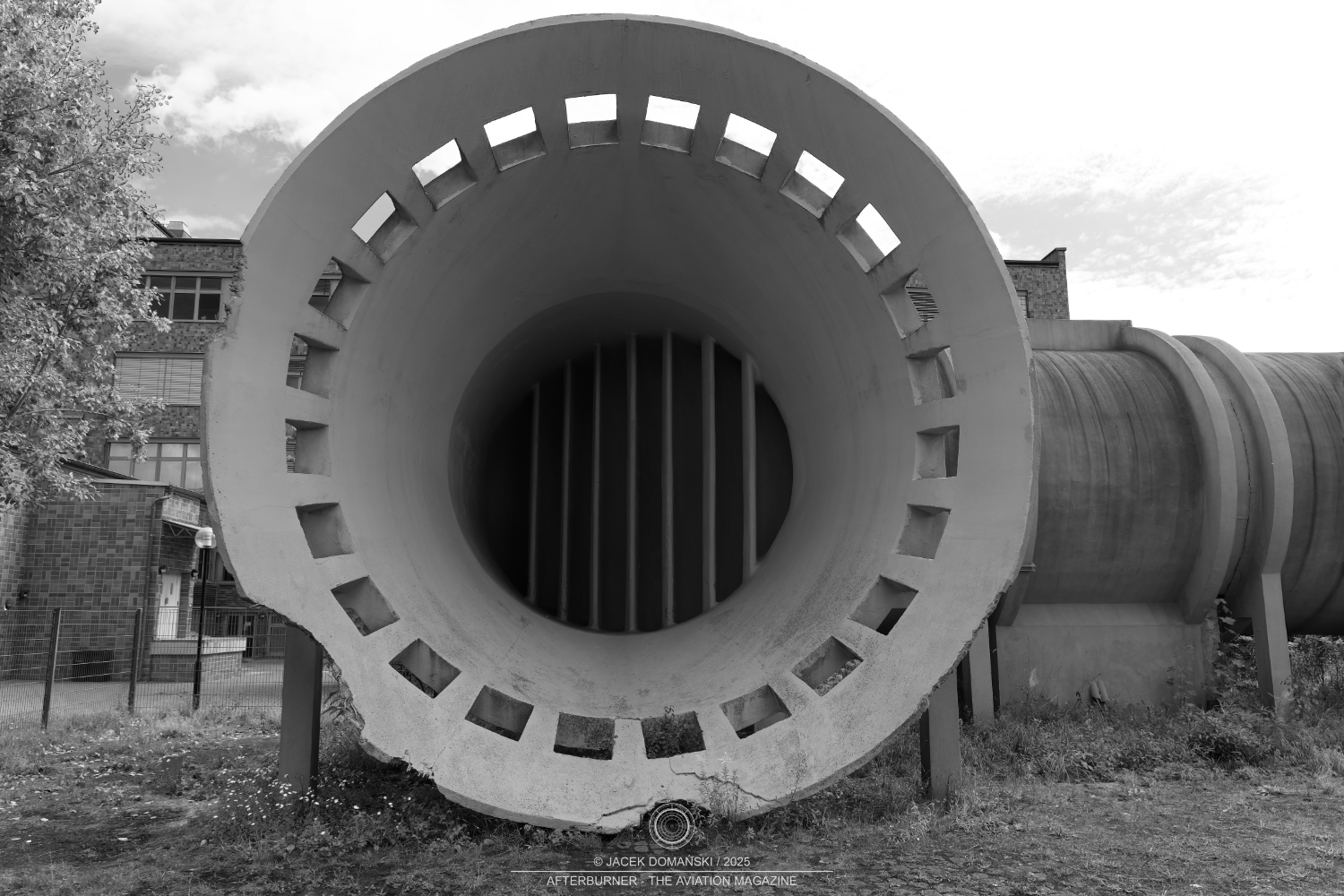
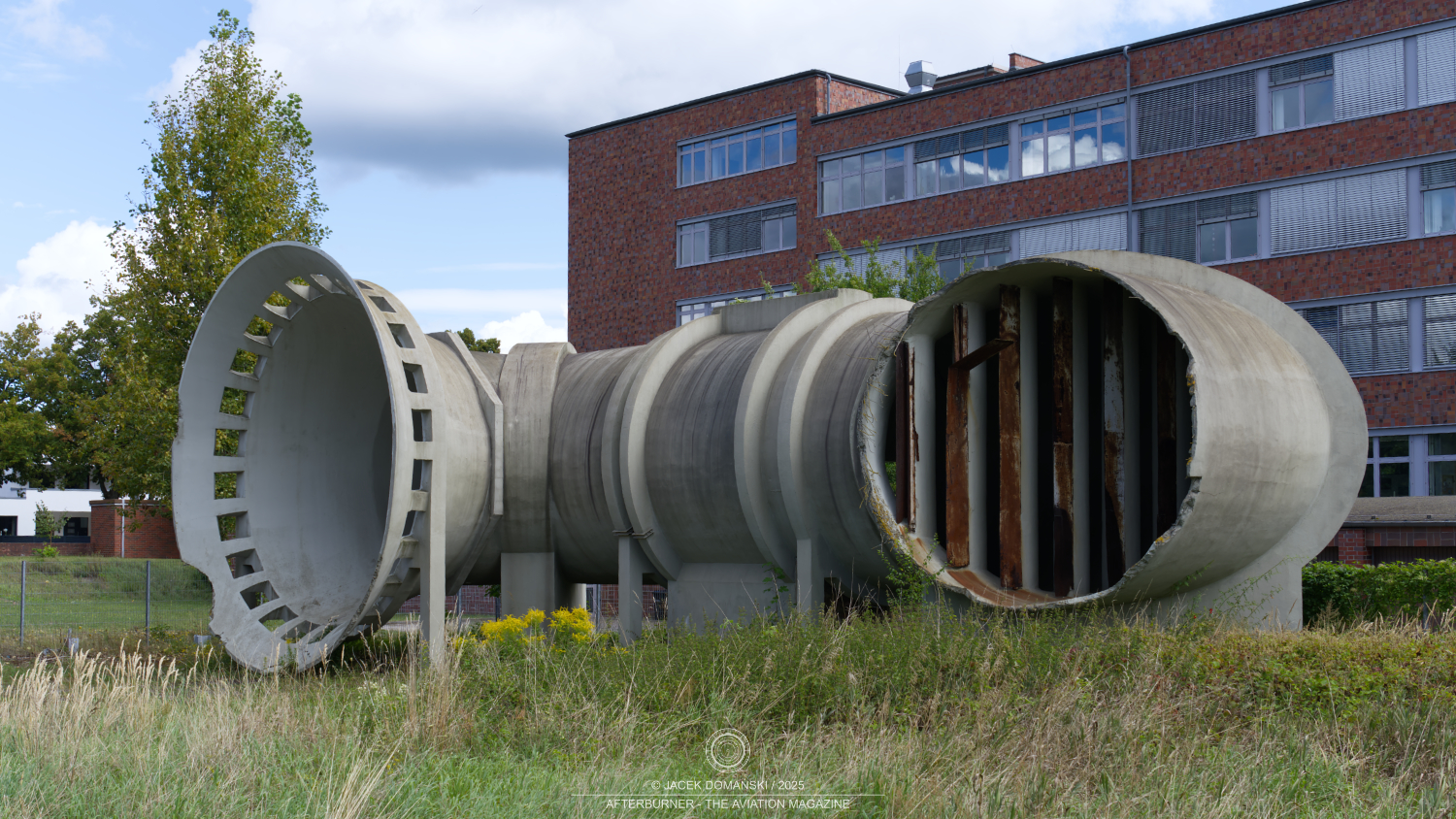
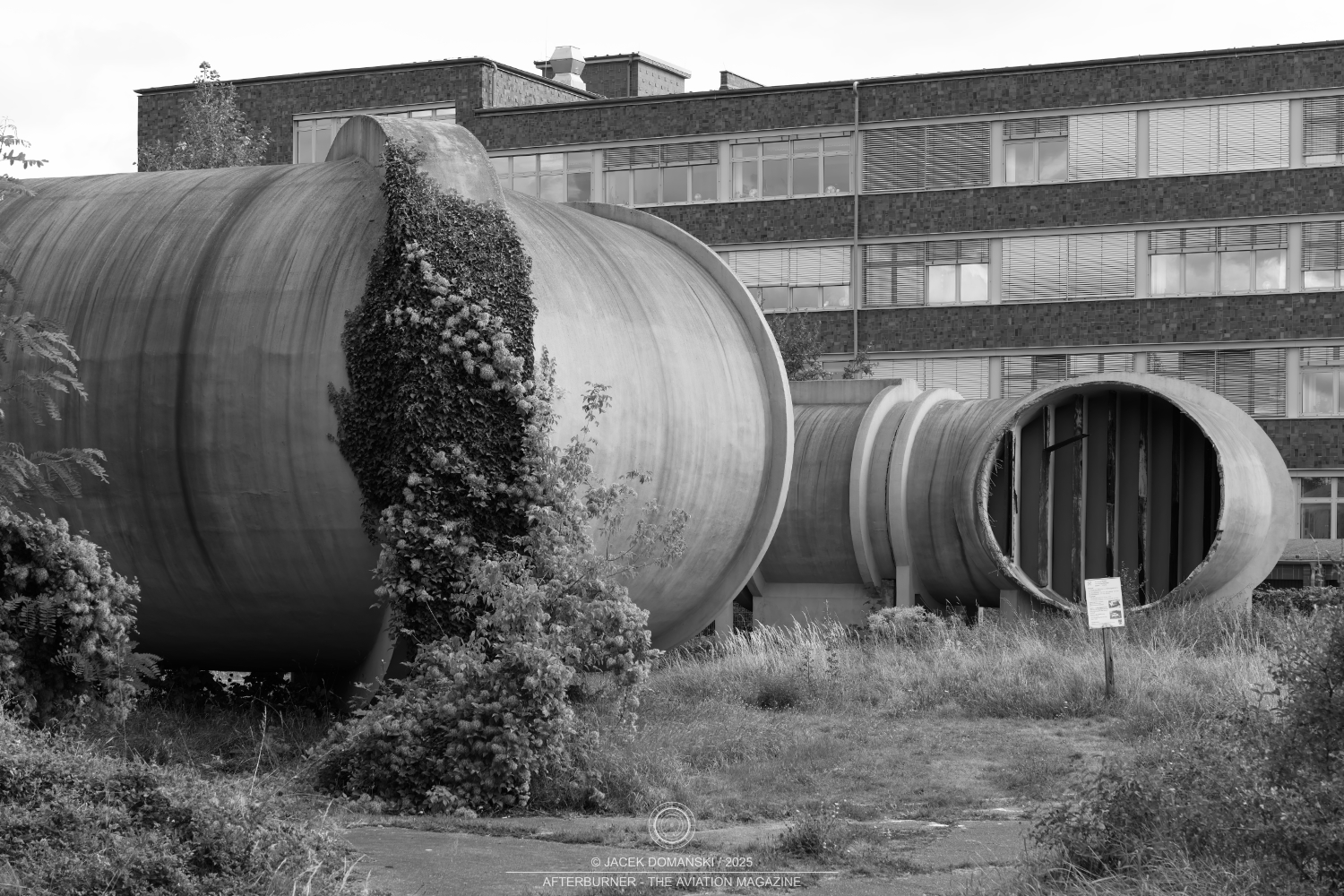
Hidden behind the railway sidings is another aviation-related treasure – the remains of the Junkers wind tunnel. This impressive concrete structure was built in 1934–35 and equipped with a 440 kW engine, enabling wind speeds of up to 68 m/s.
Technikmuseum “Hugo Junkers” in Dessau is unquestionably worth a visit, even for those who are not aviation enthusiasts. It offers an extraordinary insight into the life and work of Hugo Junkers, showcasing his visionary ideas and pioneering aviation developments. Moreover, the visitors can learn about Junkers’ private life, academic work and his early business activities, as well as follow his way that led to creation of the industrial empire. Equally noteworthy are the exhibits relating to the post-war years and East German industry.
It is worth emphasising that the museum collection is presented in a visitor-friendly manner. The exhibition area is well maintained and has good lightning. There are ramps that allow the visitors to look inside aircraft cockpits and most of the exhibition is freely accessible, with only a few restricted areas. Moreover, it is also possible to board the Ju 52 and take a seat in its passenger cabin.
The museum is an ongoing project. Most of the aircraft on display in the exhibition hall are in good condition. Some, such as the Mi-2 helicopter, appear to have been recently restored. The only drawback is that the Cold War jets are rather cramped. Meanwhile, the open-air exhibits are still awaiting renovation.
Technikmuseum “Hugo Junkers” is easily accessible by car and by Dessau public transport. The opening days are Monday to Sunday, from 10:00 to 17:00 between March and October and from 09:00 to 16:00 between November and February (closed on Christmas and New Year’s Day). Regular admission costs €9, reduced ticket for children is €5 – and the smallest visitors may use pedal aircraft to move around the exhibition hall – and family ticket can be bought for €22. Souvenirs can be purchased at the ticket office.
The museum visitors may also take a short walk to the former runway of the Junkers airfield. While part of it is still used by the local aeroclub, the eastern side is freely accessible and occasionally hosts public events such as flea markets.
The Junkers runway is the very place where aviation history was made. According to the Association, a total of thirty-nine aviation records were set at the airfield. Moreover, maiden flights of several Junkers aircraft also took place there.
The area surrounding the airfield is dotted with buildings dating from the peak days of the Junkers consortium. Noteworthy is the administrative building on Kühnauer Strasse, just a few steps from the museum entrance. Originally built as the Junkers headquarters, it now houses state offices.
Further information about the life and work of Hugo Junkers can be found in our article from the Aviation History series: 3 February – Birth (1859) and Death (1935) of Hugo Junkers.
More images from Technikmuseum “Hugo Junkers” Dessau: