 The year 2025 marked aviation history with several notable farewells to iconic military aircraft. These included both well-known workhorses from the Cold War era and relatively newer designs that proved ineffective in the modern combat environment.
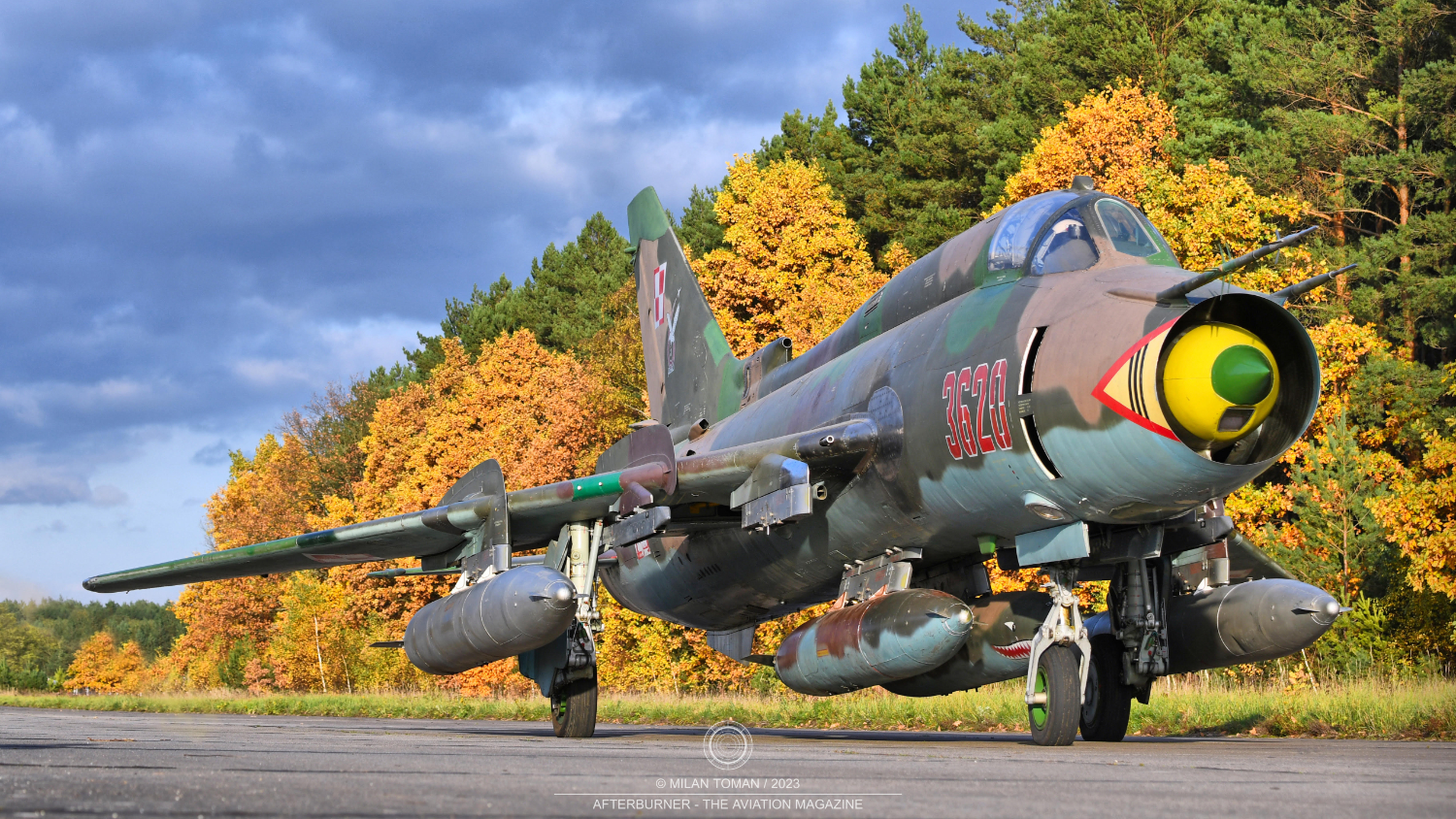
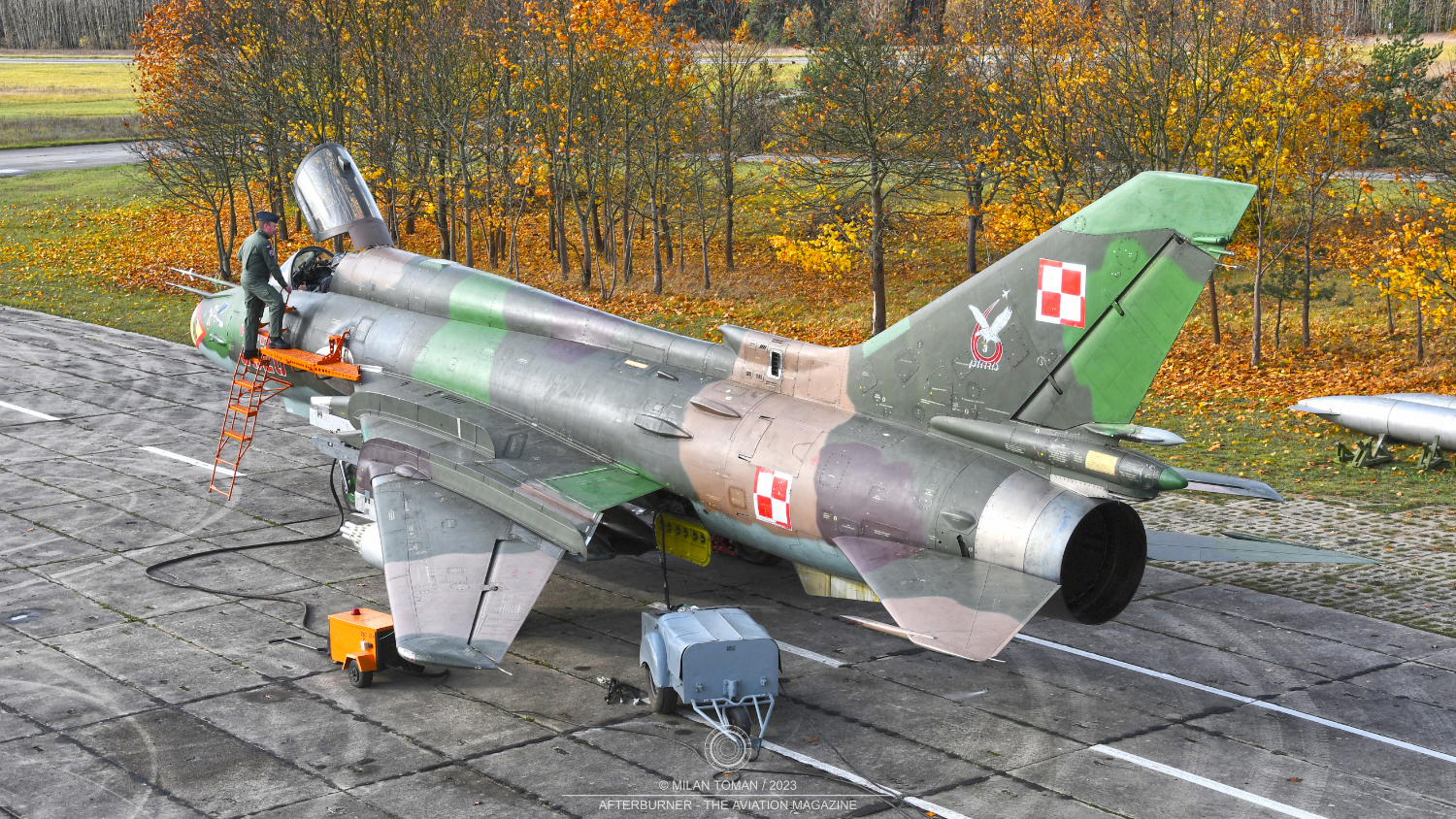
One of the most significant farewells was the retirement of the Sukhoi Su-22 fighter-bomber (NATO reporting name: Fitter) from Siły Powietrzne (the Polish Air Force). Although initially planned for withdrawal as early as the late 1990s, the Polish Su-22s remained operational for more than two additional decades. Their retirement was announced several times but repeatedly postponed due to budgetary constraints and shifting priorities. As a result, the aircraft continued to serve with only minimal upgrades, sufficient to maintain airworthiness without major investment.
On 17 March 2025, the fate of Poland’s Su-22s was sealed when the Chief of the General Staff of the Polish Armed Forces announced that the Cold War icon would be retired by the end of the year. The official farewell ceremony took place on 11 September 2025 at 12. Baza Bezzałogowych Statków Powietrznych (the 12th Unmanned Aerial Vehicles Base) in Mirosławiec.
The retirement of the Polish Su-22 fleet marked the disappearance of the type from European skies, as Poland had been the only European operator of the Su-22 in the twenty-first century and one of the few remaining users worldwide.
At present, aircraft from the Su-17/22 family are still officially listed in the inventories of approximately five air forces, including those of Angola, Iran, Libya, North Korea and Vietnam. However, confirmed information exists only for the Vietnam People’s Air Force, whose Su-22 fleet is approaching obsolescence and is expected to be retired by 2027, or possibly earlier.
More information on the history of the Polish Su-22 can be found in our November 2025 article, End of the tale – Poland retires its Sukhoi Su-22 aircraft.
While the retirement of the Su-22 resonated strongly among aviation enthusiasts, it was not the only farewell to affect the Polish military aviation in 2025. In November, the Polish Navy also said goodbye to its last Kaman SH-2G Super Seasprite shipborne helicopter.
The four Polish SH-2Gs were delivered in 2002–2003, along with two Oliver Hazard Perry-class guided-missile frigates transferred from the US Navy. All the helicopters were assigned to the newly formed Maritime Helicopter Group of 28. Pucka Eskadra Lotnicza (the 28th Puck Air Squadron) at Babie Doły.
The SH-2Gs were employed in reconnaissance, detection and identification of surface targets, anti-submarine warfare (ASW) and search-and-rescue (SAR) missions, as well as for logistical support of the OHP-class frigates. Between 2007 and 2008, three aircraft were modified to carry Eurotorp MU90 Impact lightweight torpedoes and were also fitted with additional onboard armament in the form of 7.62 mm PK universal machine guns.
However, the lack of further support from the manufacturer resulted in a gradual loss of operational capability. Although an official statement regarding their planned withdrawal was issued as early as 2018, but the final flights and the farewell ceremony took place only in early November 2025.
Following the retirement of the SH-2G fleet, the Polish Navy was left without any shipborne helicopters. The programme to acquire a new type of naval rotorcraft, codenamed “Kondor” (“Condor”), is ongoing and the finalisation date is still unknown.
Further details on the history of the Kaman SH-2 can be found in our May 2022 article, Kaman SH-2G(P) Super Seasprite.

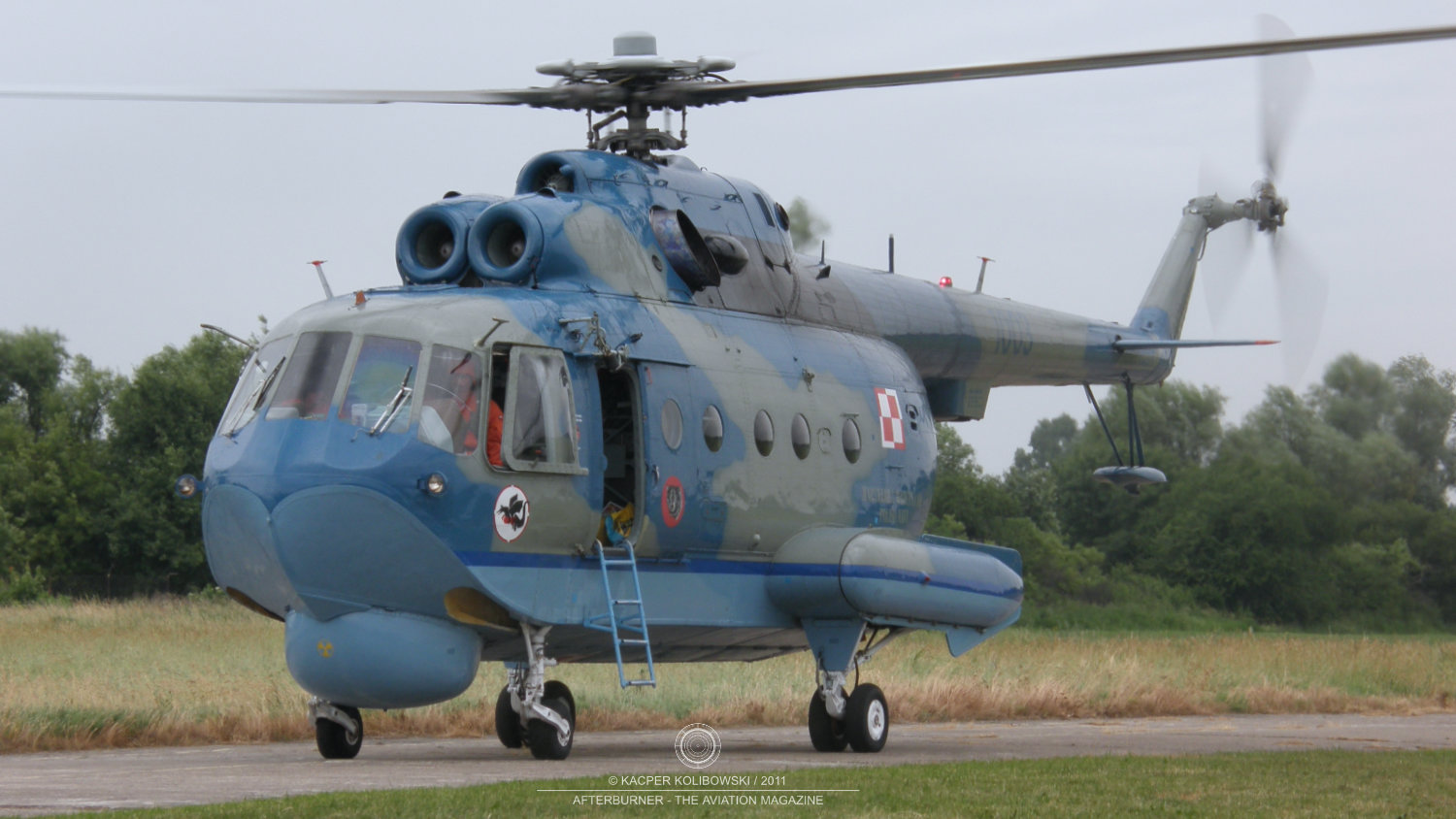
The SH-2G was not the only rotorcraft retired from Polish naval service in 2025. In early September, the Polish Naval Aviation Brigade also officially retired its last Mil Mi-14PŁ anti-submarine warfare helicopter (NATO reporting name: Haze).
The Mi-14PŁ (the Polish designation for the Mi-14PL) served as the primary ASW helicopter of the Polish Navy for more than four decades and was the largest helicopter operated by the Polish Armed Forces during that period.
Over the years, the Polish naval helicopter fleet underwent several modernisation programmes. Some airframes were converted into the Mi-14PX (an ASW variant with limited SAR capability), the Mi-14PL/R (an ASW variant converted into a SAR helicopter), and later the Mi-14PLMK (a modernised Mi-14PL). Several anti-submarine variants were converted into SAR versions due to a shortage of dedicated SAR helicopters, as previously acquired types had reached the end of their service lives.
On 15 August 2025, the last operational Polish Mi-14 participated in a naval parade off the Hel Peninsula, organised to mark Polish Armed Forces Day. The official farewell ceremony was held in early September 2025 and brought together representatives of the Naval Aviation Brigade command, naval forces, helicopter crews and ground personnel, as well as numerous invited guests.
Following the retirement of the Mi-14PŁ, ASW operations of the Polish Navy will be carried out by four newly acquired Leonardo AW101 Mk 614 helicopters. Further details on the Mi-14 in Polish service can be found in our articles Poland says farewell to Mi-14 anti-submarine helicopters and Mil Mi-14PLMK.
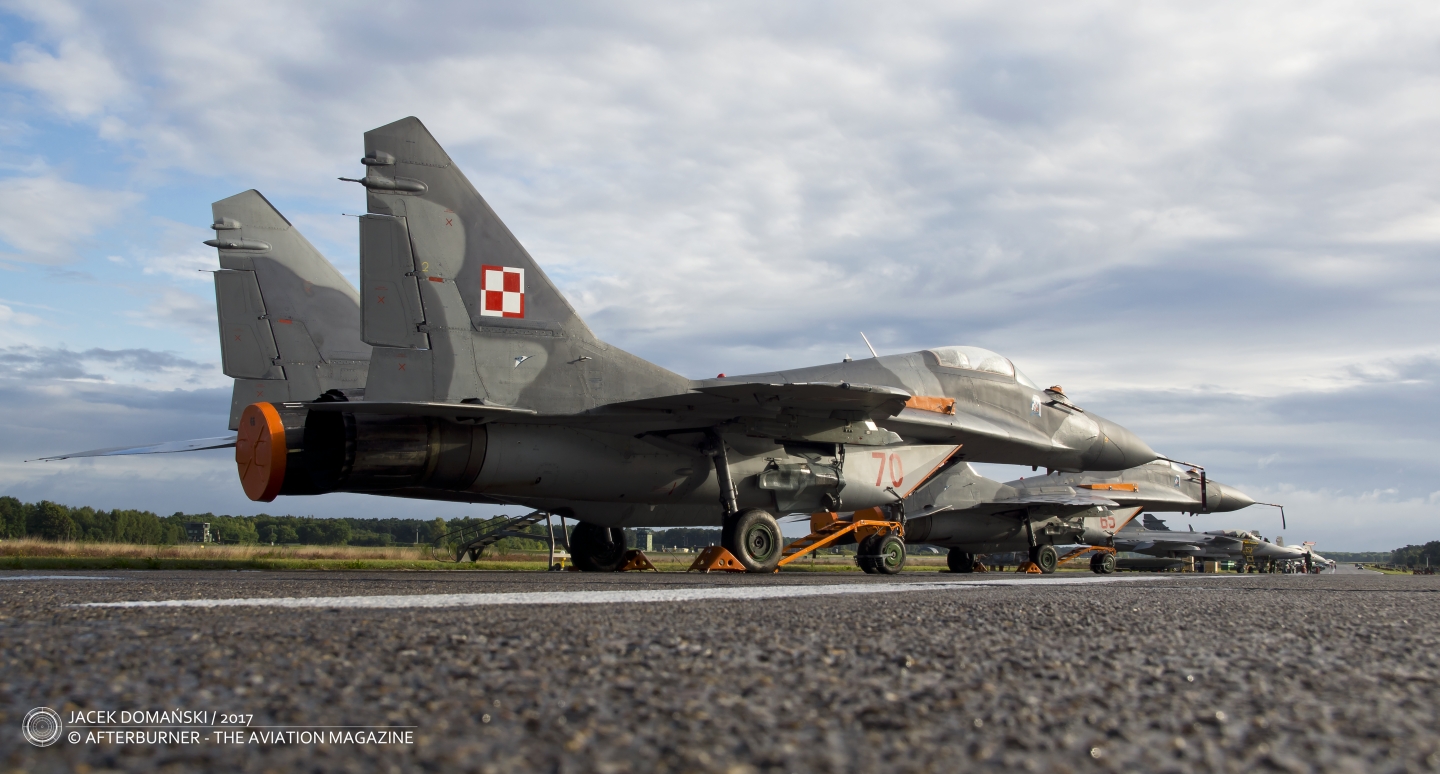
In early December 2025, the Polish Ministry of National Defence officially announced the withdrawal of another batch of MiG-29 fighter aircraft (NATO reporting name: Fulcrum) from active service with the Polish Air Force.
Although the exact number was not disclosed, press reports speculated that between six and eight aircraft were to be retired due to reaching the end of their service lives. This represented approximately half of the remaining MiG-29 fleet operated by Siły Powietrzne.
According to the Polish authorities, the withdrawn aircraft would be, or had already been, donated to Ukraine, following the precedent set by the transfer of fourteen Polish MiG-29 fighters in 2023.
As recently stated by the Deputy Minister of Defence, the retirement of the remaining Fulcrums is a matter of the near future, which would leave Bulgaria as the last NATO country to operate the iconic Cold War fighter.
Once widely operated throughout the former Eastern Bloc, the MiG-29 was rapidly withdrawn from service following the end of the Cold War. Ultimately, only three countries – Bulgaria, Poland and Slovakia – retained the aircraft after 2010. The Slovak Air Force was then the first to retire its fleet, which officially occurred in August 2022.
Currently, MiG-29 fighters remain in service with Belarus, Russia, Serbia and Ukraine, as well as several non-European countries. Additional information on the Fulcrum service within the NATO air forces can also be found in our April 2022 article, A Cold War veteran – the present and the future of the MiG-29 in NATO air forces.
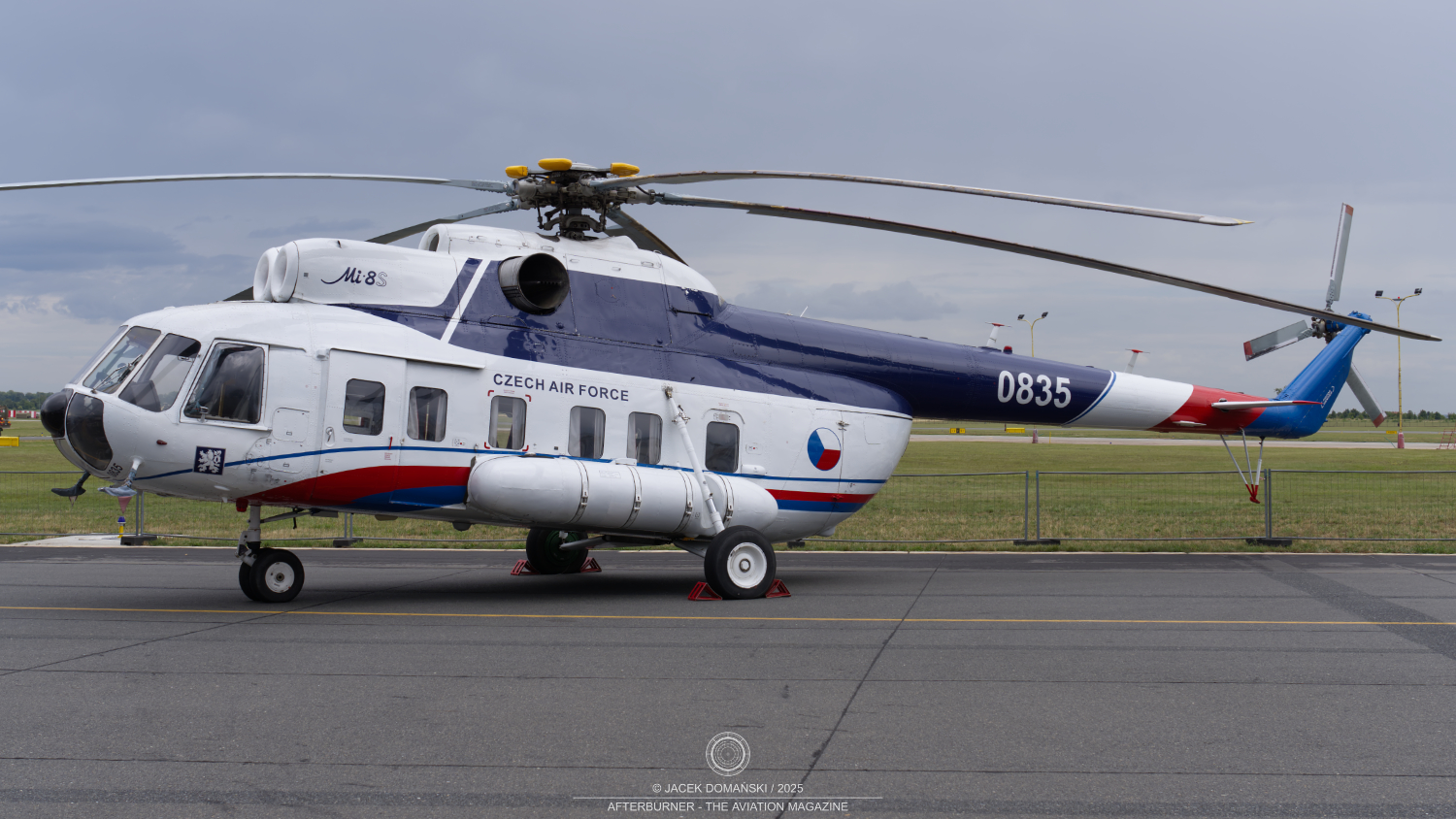
In October 2025, another Soviet-designed helicopter type was retired from service with the Czech Air Force, the Mil Mi-8 in its VIP transport variant.
The history of Mi-8 helicopters in Czechoslovak service dates back to 1967, when the armed forces acquired the first four aircraft in two variants – three Mi-8Ts and one Mi-8P. In subsequent years, the total number of Mi-8s operated by the Czechoslovak Air Force reached thirty-eight.
In 1970, the first two Mi-8PS helicopters – the militarised variant of the Mi-8S designed for VIP transport – were acquired by Letecký oddíl Ministerstva vnitra (the Aviation Unit of the Ministry of the Interior), which provided governmental transport services until the late 1980s.
In January 1989, responsibility for VIP transport was transferred to the armed forces. The helicopters were taken over by the Czechoslovak Air Force and assigned to 3. dopravní letecký pluk (the 3rd Transport Aviation Regiment) at Prague-Kbely. Following the dissolution of Czechoslovakia in 1992, the four Mi-8PS helicopters were assigned to the newly established Czech Air Force.
On 23 October 2025, during a ceremonial event at the 24th Air Transportation Base, fifty-eight years of Mi-8 service with the Czechoslovak and Czech Air Forces concluded with a farewell flight attended by senior military officials and the Czech Minister of Defence (Czech Air Force bids farewell to its last Mi-8 helicopter).
September 2025 also marked the retirement of another Cold War-era aviation icon, the MiG-21 fighter (NATO reporting name: Fishbed), from the Indian Air Force. The more than six-decade-long service of the MiG-21 formally ended during a ceremony held on 26 September 2025.
India was among the largest operators of the MiG-21 in the world. The first aircraft were delivered in 1964, and the fleet eventually totalled 872 aircraft accumulatively, including F-13, FL, PFM, M, Bis and Bison variants. Most of them were licence-built in India by Hindustan Aeronautics Limited (HAL).
In the twenty-first century, India remained the only major operator of the MiG-21. Although a limited number of aircraft continued to serve in several European air forces, they were gradually phased out in the 2020s.
Serbia retired its MiG-21s in 2021, followed by Romania in 2023. The Soviet-era fighter disappeared from European skies in November 2024, when it was withdrawn from service with the Croatian Air Force. The MiG-21 is reportedly still operated in small numbers by several African countries and North Korea, although reliable data on their airworthiness remain unavailable.
In June 2025, the Republic of China Air Force (commonly known as the Taiwanese Air Force) retired another symbol of Cold War aviation. This time the aircraft in question was the American-developed Northrop F-5 fighter jet.
Taiwan received its first F-5A/B Freedom Fighters in 1965. About a decade later, the Aerospace Industrial Development Corporation obtained a manufacturing licence and produced more than 300 F-5E/F Tiger II aircraft domestically. In recent decades, Taiwanese F-5s have been progressively reassigned to non-combat roles, including training, reconnaissance and decoy missions.
The F-5E/F remains in service with approximately ten air forces worldwide, although most have already announced or begun retirement plans. A particularly notable case is Switzerland, where the withdrawal of the F-5E/F will also mark the end of Patrouille Suisse aerobatic team. Since 2024, the Swiss Air Force has been gradually retiring its Tiger IIs, and Patrouille Suisse is expected to continue flying until 2027 before final disbandment.

The future of Türk Yıldızları (the Turkish Stars), another renowned display team to fly with the F-5E/F fighters, is also uncertain. The Turkish Air Force has announced plans to retire the Tiger II and to replace it by Hürjet, a domestically developed supersonic advanced trainer and light attack aircraft. The Hürjet made its maiden flight in 2023 and is expected to enter service with the country´s Air Force in 2025.
The new Turkish trainer will also be adopted by Spain. In December 2025, Spanish authorities approved the purchase of thirty Hürjet aircraft to replace the Northrop F-5s in advanced training and aggressor roles. This generational shift is also linked to the final disappearance of the Spanish-built CASA C-101 Aviojet from European skies.
Developed in response to a 1975 Spanish Air Force requirement, the Aviojet first flew in June 1977 and entered service in March 1980 as the C-101BB trainer. A dedicated attack version, the C-101CC, followed in 1983.
In 1985, the Spanish Air Force formed its aerobatic team, Patrulla Águila (the Eagle Patrol), equipped with the C-101. For four decades, the team became a symbol of Spanish military aviation.
The C-101 retirement process began in the early 2010s. In August 2022, the Aviojet was withdrawn from training duties, leaving Patrulla Águila as the final operator. The team performed its last displays with the C-101 at the Aire25 air show on 14 and 15 June 2025 before transitioning to the Pilatus PC-21 turboprop trainer (40th anniversary of Patrulla Águila and the final performance of the Spanish jet aerobatic team).
The year 2025 also brought major changes to the Belgian military helicopter fleet. The Belgian authorities announced that the slowly progressing retirement of the Agusta A109 would be completed with the delivery of the first Airbus H145M helicopters. The first Belgian H145M flew in November 2024, with initial deliveries expected in 2026.
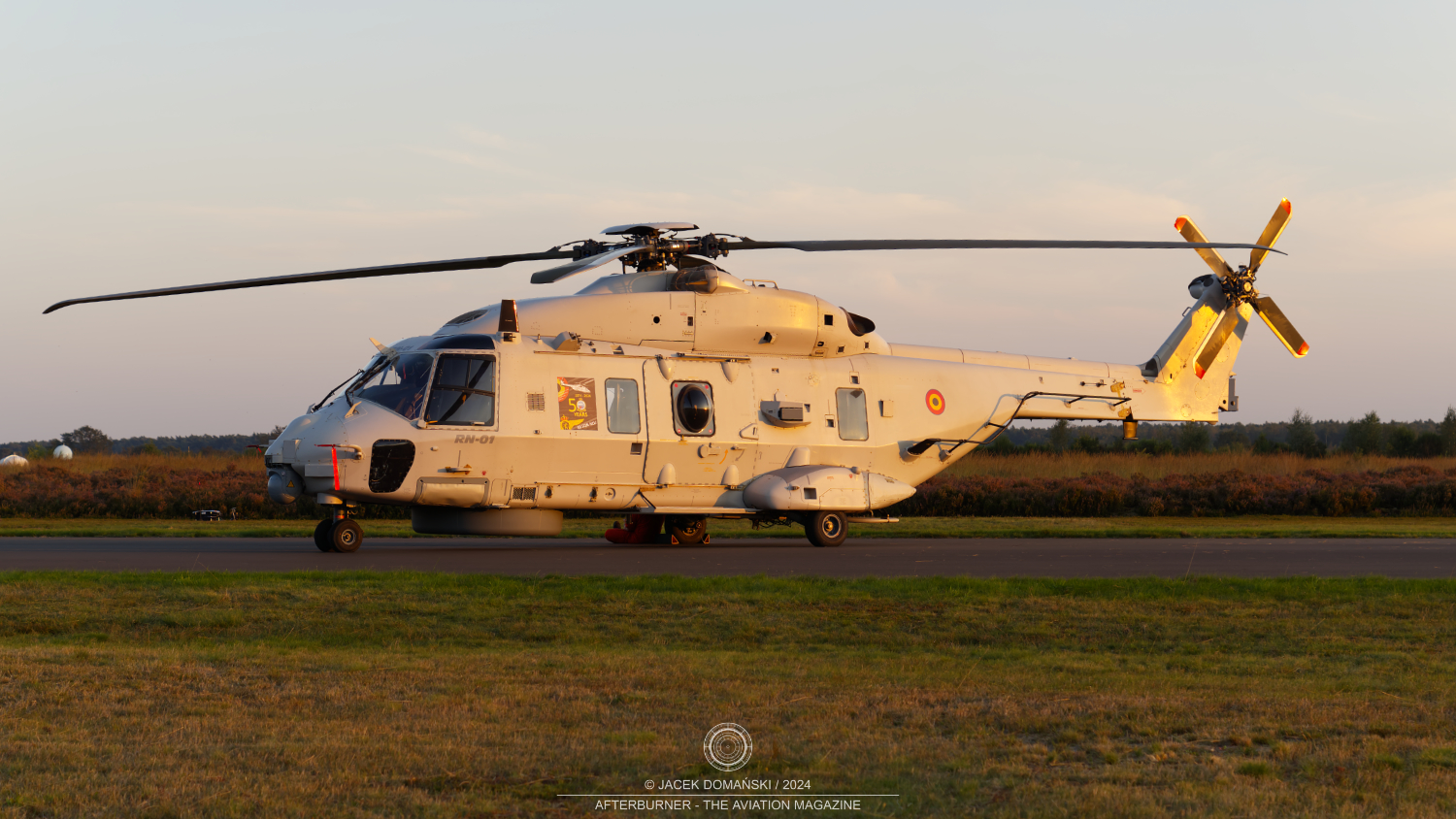
More unexpectedly, Belgium also announced the early retirement of its NHIndustries NH90 fleet. In July 2025, the Ministry of Defence stated its intention to withdraw the NH90 TTH after only thirteen years of service, following in the footsteps of Australia and Norway. Then, in December 2025, the decision was extended to include the naval NH90 NFH variant.
Notably, the NH90 NFH will be retired without any immediate replacement available. While the H145M will replace the NH90 TTH, Belgium still hopes to acquire new SAR and ASW helicopters by the end of 2026.
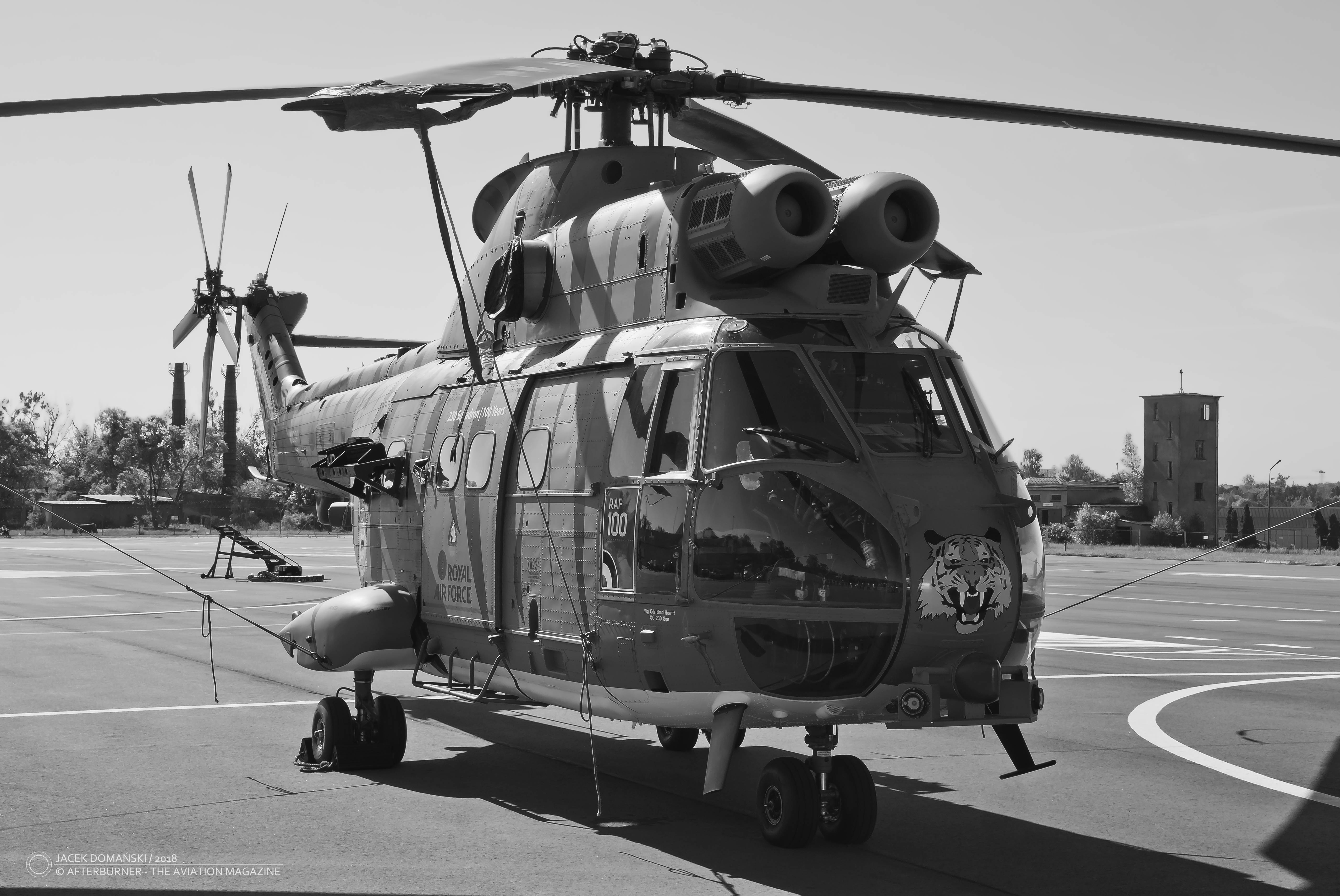
Another retirement in 2025 involved the Royal Air Force, which in March bid farewell to the Puma HC Mk 2 after more than fifty years of service.
The first Puma HC Mk 1 helicopters entered RAF service in 1971. The fleet eventually comprised forty-eight aircraft, later supplemented by six rotorcraft acquired from South Africa and one captured during the Falklands War.
In the early 2010s, twenty-four Pumas were upgraded to the HC Mk 2 standard, featuring more powerful engines, glass cockpit and modern avionics. Assigned to Nos. 28, 33 and 230 Squadrons, the upgraded Pumas served as medium support helicopters under the Joint Aviation Command.
The official farewell flights took place on 26 and 27 March 2025. The Puma is to be replaced under the New Medium Helicopter programme, but the process has stalled, as Leonardo Helicopters – with its AW149 – became the sole bidder.
In 2025, the RAF also retired its MQ-9A Reaper Remotely Piloted Air System (RPAS). First introduced in 2007, the Reaper was extensively used over Afghanistan, Iraq and Syria, accumulating over 173,000 flight hours.
The last flight of the British RPAS took place in September last year, marking the end of eighteen years of the MQ-9A active service with the RAF. Currently, the Reaper is being replaced by the MQ-9B Protector remotely piloted aircraft.
Another notable farewell occurred in January 2025, when the Philippine Air Force retired both the Bell AH-1S Cobra attack helicopter and the North American Rockwell OV-10 Bronco.
Both aircraft gained iconic status during the Vietnam War, having begun their combat history during that conflict, in August 1967 and July 1968, respectively. The Philippines operated the AH-1S for approximately five years, while the OV-10 had served for about three decades. Interestingly, while several countries continue to operate modern Cobra variants, the Philippines was the last military operator of the OV-10 Bronco in the world.
Although the above list of military aircraft retired from active service last year is impressive, it is far from being complete. There are numerous ongoing withdrawal programmes worldwide, with additional types scheduled to leave service at the turn of 2025 and 2026.
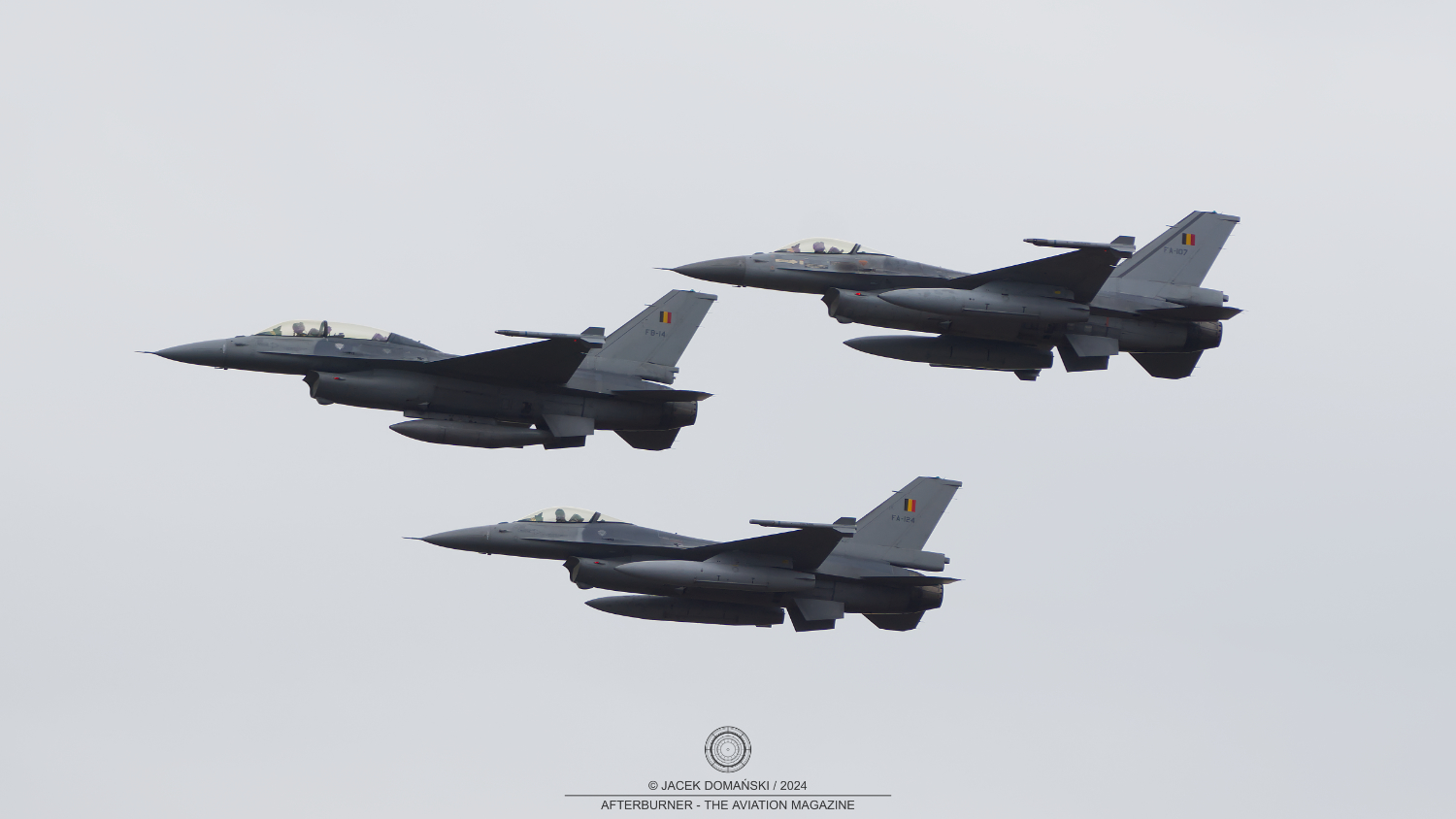
Furthermore, several iconic aircraft are expected to be retired in the coming years, including the A-10 Thunderbolt II (now scheduled for retirement in 2026), the AV-8B Harrier II (expected to be withdrawn in 2027), the F-15C/D Eagle and the U-2 Dragon Lady. Several countries have also begun replacing the early F-16 Fighting Falcon variants with the fifth-generation F-35 Lightning II.