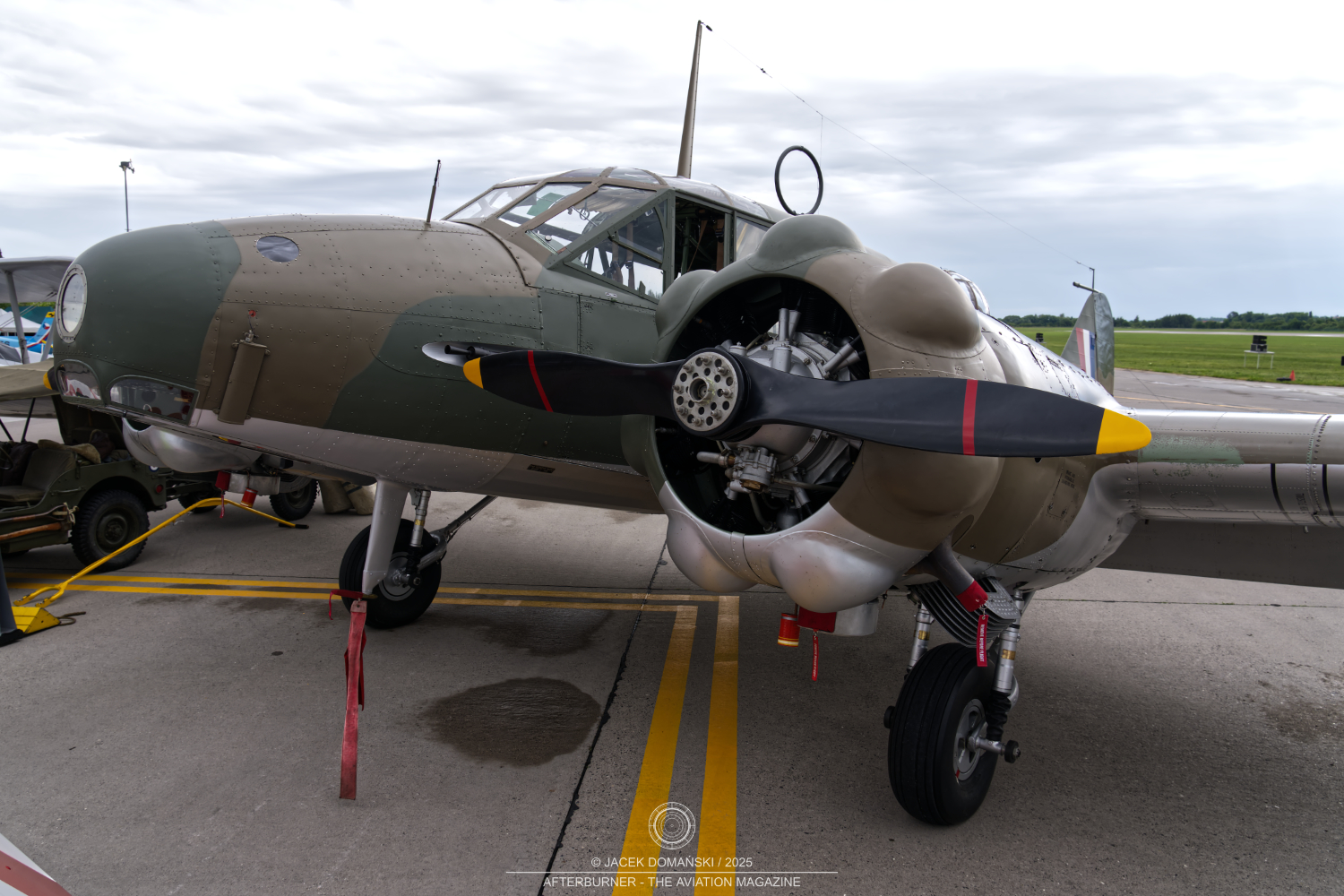
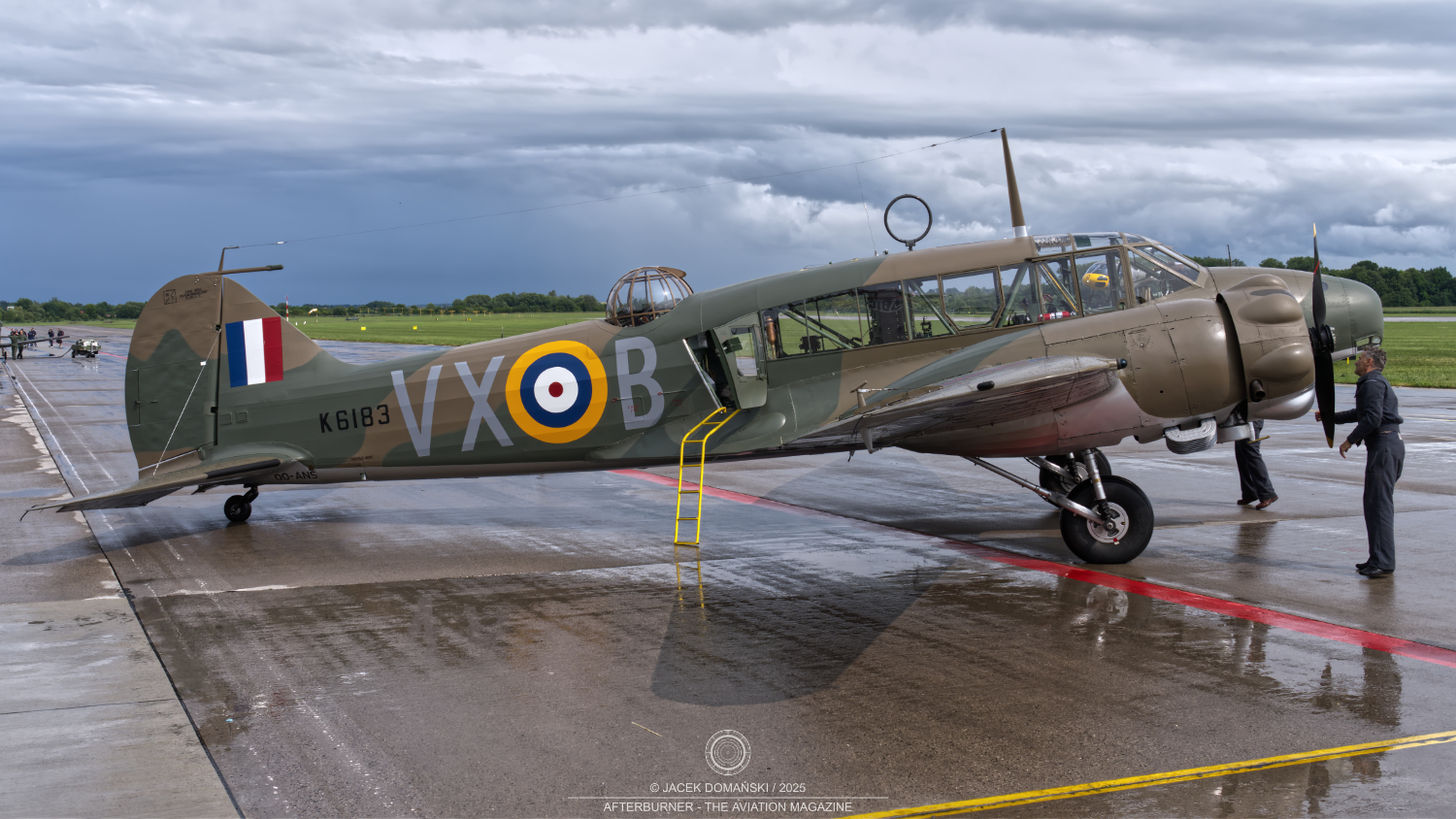
 On 6 March 1936, Avro Anson, a new British twin-engine military aircraft, entered operational service with No. 48 Squadron of the Royal Air Force.
The Anson was developed in the mid-1930s, in response to the Air Ministry requirements for a new, cost-effective landplane for maritime reconnaissance duties. The aeroplane was intended to support the Royal Air Force’s flying boats, which were effective but operationally expensive.
In July 1935, Specification G.18/35 was issued, purposedly tailored for the Avro-developed aircraft, and the first order for 174 examples of the aeroplane was placed. Shortly after, the Avro 652A received its official service name, the Anson.
In March 1936, the first Avro Anson was delivered to No. 48 Squadron RAF. Until the outbreak of the World War II, more than eight hundred examples of the aircraft had been delivered to the RAF and assigned to Coastal Command and Bomber Command squadrons.
However, it was soon proved that the aircraft had limited capabilities to serve as the maritime patrol aircraft. Yet in 1938, the decision was made to replace the Avro aeroplanes with the Lockheed Hudson that was superior to the Anson in all aspects. However, the conversion began only in September of 1939. Whether they liked it or not, the RAF had to enter the combat with the Avro Anson still in service.
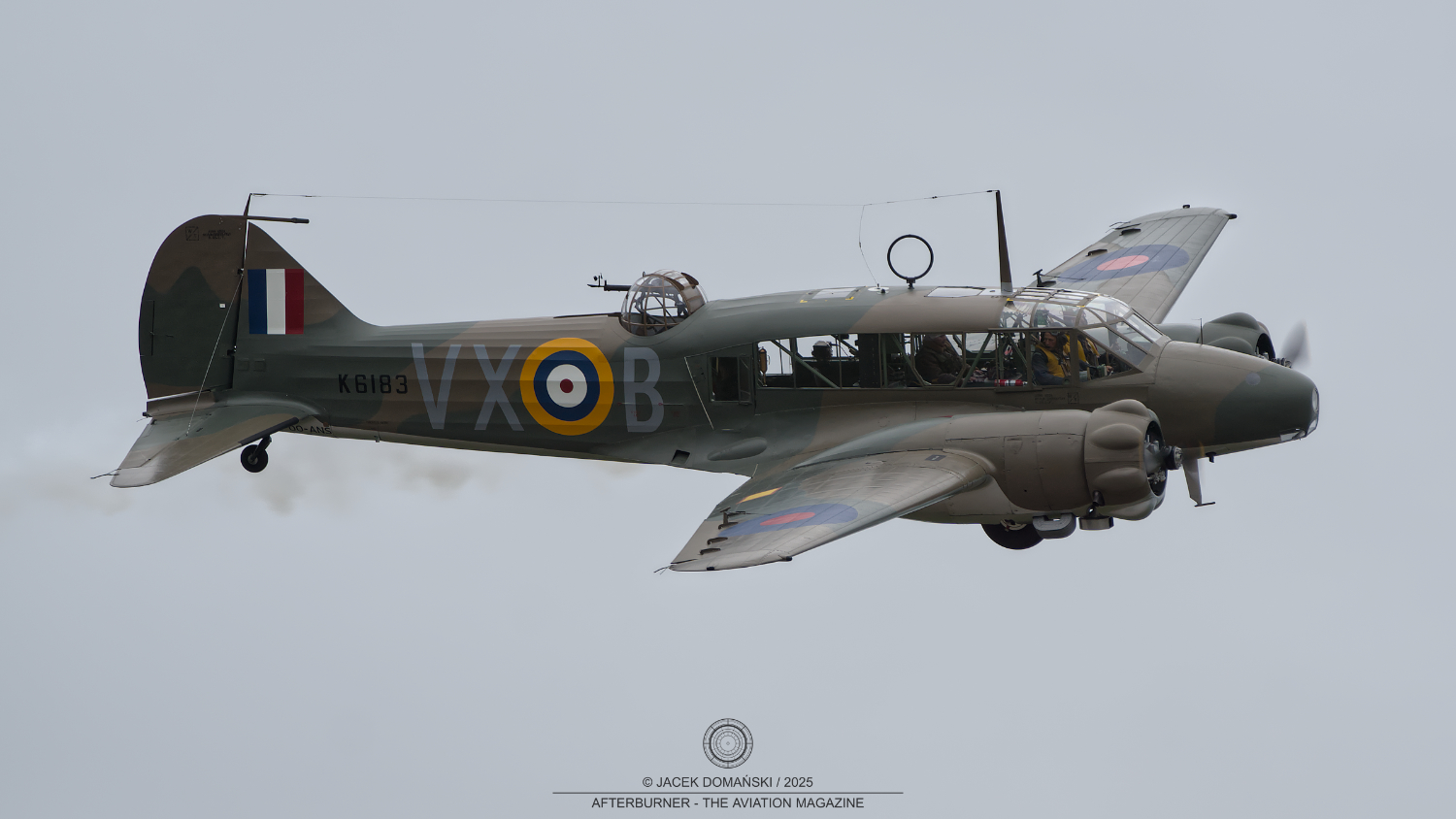
The Ansons were used for combat operations until 1940, although being successively withdrawn from the first line squadrons and assigned to training and transport units. In fact, it was finally the training tasks that the Anson was used for the most during World War II.
The Avro Anson was used to train bomb crews, as well as operated by the Air Transport Auxiliary as a ferry aircraft. The aeroplane proved to be valuable in training and transport roles, being referred to by its crews as “Faithful Annie”. Eventually, more than eleven thousand examples of the Anson were made until 1952, when the serial production was ceased. The aircraft remained in active service with the RAF by the late 1960s.
More information about the aircraft can be found in our article from Photo of the Week series, Avro Anson Mk I.