 In mid-2025, we informed readers about the United States Department of Defense’s plans to retire the entire A-10 Thunderbolt II fleet by the end of the fiscal year 2026. Although this had previously been announced and then cancelled several times, it seemed that, this time, nothing would prevent the retirement of the Warthog from being carried out as planned.
However, the latest developments in United States foreign policy, incomprehensible to most of the world, have led to a war with Iran. The A-10 fleet took an active part in Operation Epic Fury, providing close air support (CAS) in combat against Iranian vessels in the Strait of Hormuz, as well as being involved in search-and-rescue operations in the area. Additionally, the A-10 performed several CAS missions in Iraq and Syria, targeting Iran-backed forces there.
During these operations, one Warthog was hit by enemy fire and lost. However, the pilot managed to return to friendly airspace and was successfully rescued.
Deeply impressed by the A-10’s combat performance during Operation Epic Fury, United States military authorities decided to delay the previously announced retirement of the Thunderbolt II fleet.
On 20 April 2026, Troy E. Meink, the Secretary of the Air Force, announced via the X social media platform that the USAF would extend the operation of the A-10 platform until at least 2030. As he noted, the decision was made after discussions with Secretary of Defense Pete Hegseth.

According to a later statement by a USAF spokesperson, the Warthog fleet is to consist of three squadrons. Two of them will be active-duty units, with their service extended to 2029 and 2030, respectively. They will be supported by a third, reserve squadron at Whiteman Air Force Base, in Missouri, which is also expected to remain operational until 2030. Each of the aforementioned units will retain eighteen operational aircraft.
The USAF will employ a fleet management strategy to maintain the operational status of the A-10 Thunderbolt II throughout the extension period. However, the latest decision has created several new challenges, as – following the previous retirement schedule – all the logistics and training centres supporting the Warthog units had already been closed.
In the 2026 budget plan, mentioned in our previous article, United States military authorities expected to save no less than 400 million USD by withdrawing the A-10 fleet and reallocating those funds to newer development programmes. However, the latest decision marks a significant shift in the long-standing debate about the retirement of the Warthog. In fact, it may soon become clear that 2030 is not the final deadline, and that the A-10 fleet may remain operational even beyond the end of the current decade.
More information about the A-10 Thunderbolt II aircraft can be found in our featured story from May 2022, A half-century with Warthog.
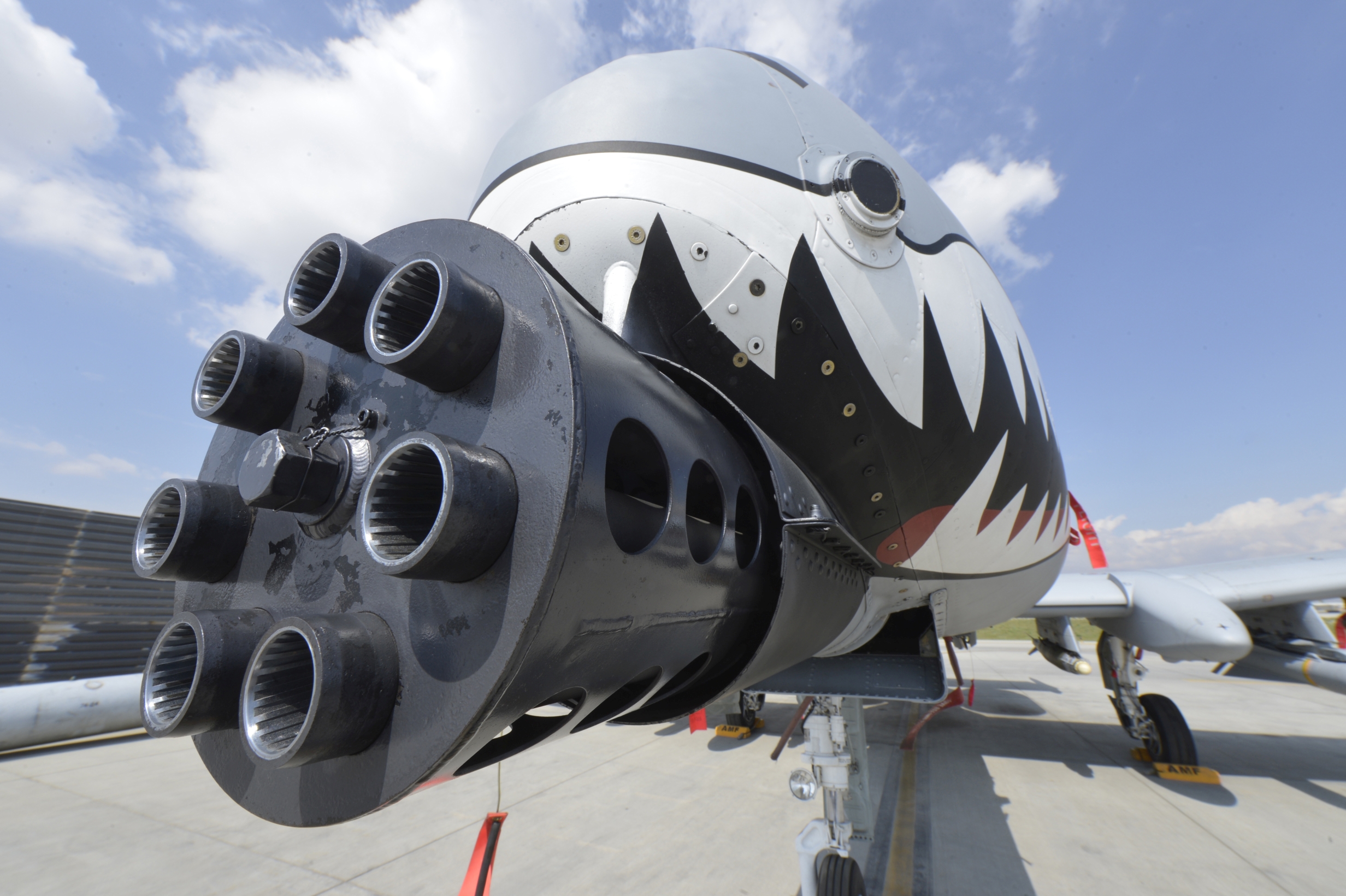
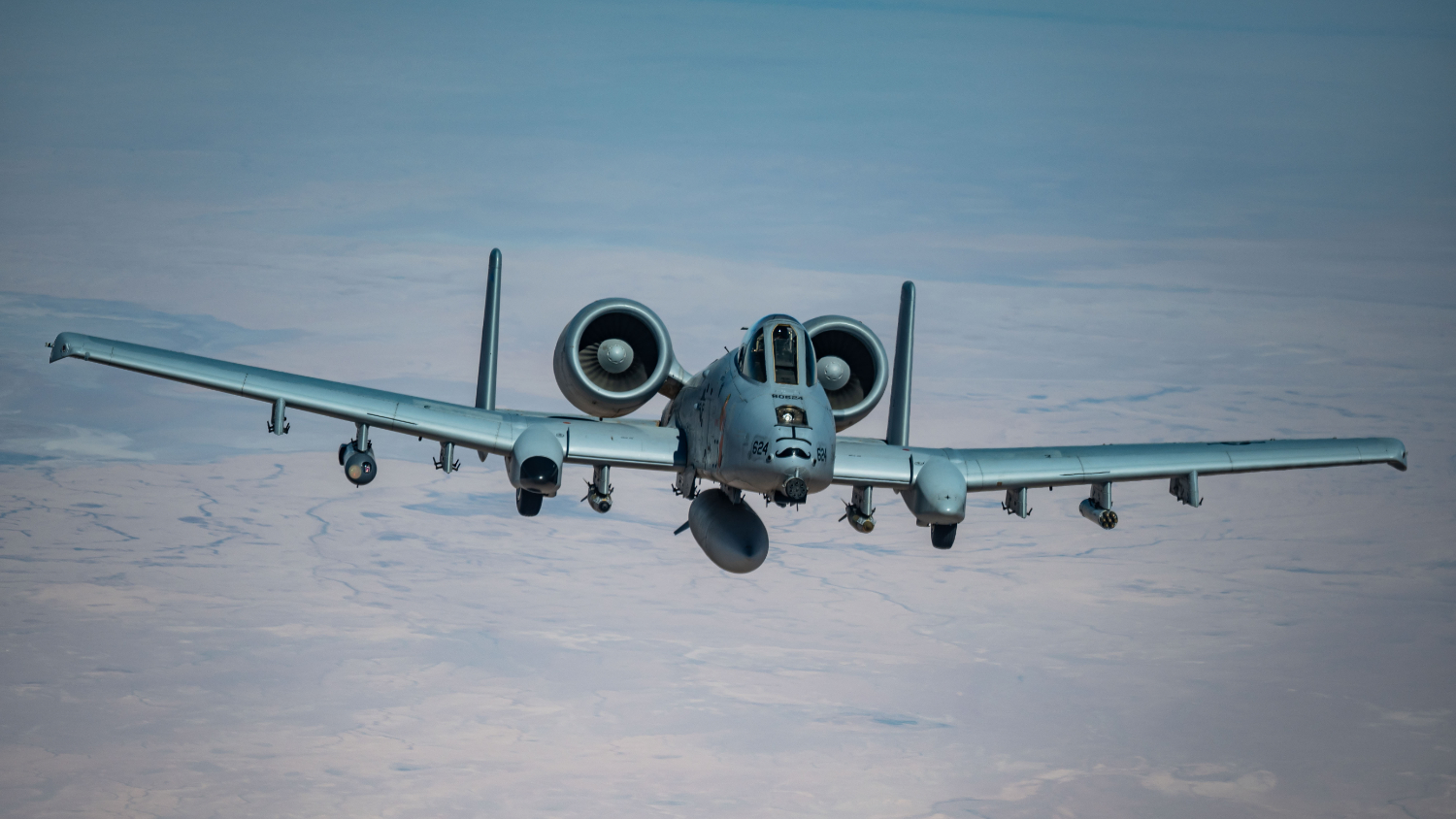
Cover photo: A USAF A-10 Thunderbolt II approaches a KC-135 Stratotanker for refueling over the US Central Command area of responsibility, 31 May 2025 (USAF photo by Staff Sgt. John C.B. Ennis).
Cover photo and photo #2 © U.S. Department of Defence (DoD). DoD information materials were used, in compliance with Public Domain licence. The appearance of U.S. Department of Defense (DoD) visual information does not imply or constitute DoD endorsement.