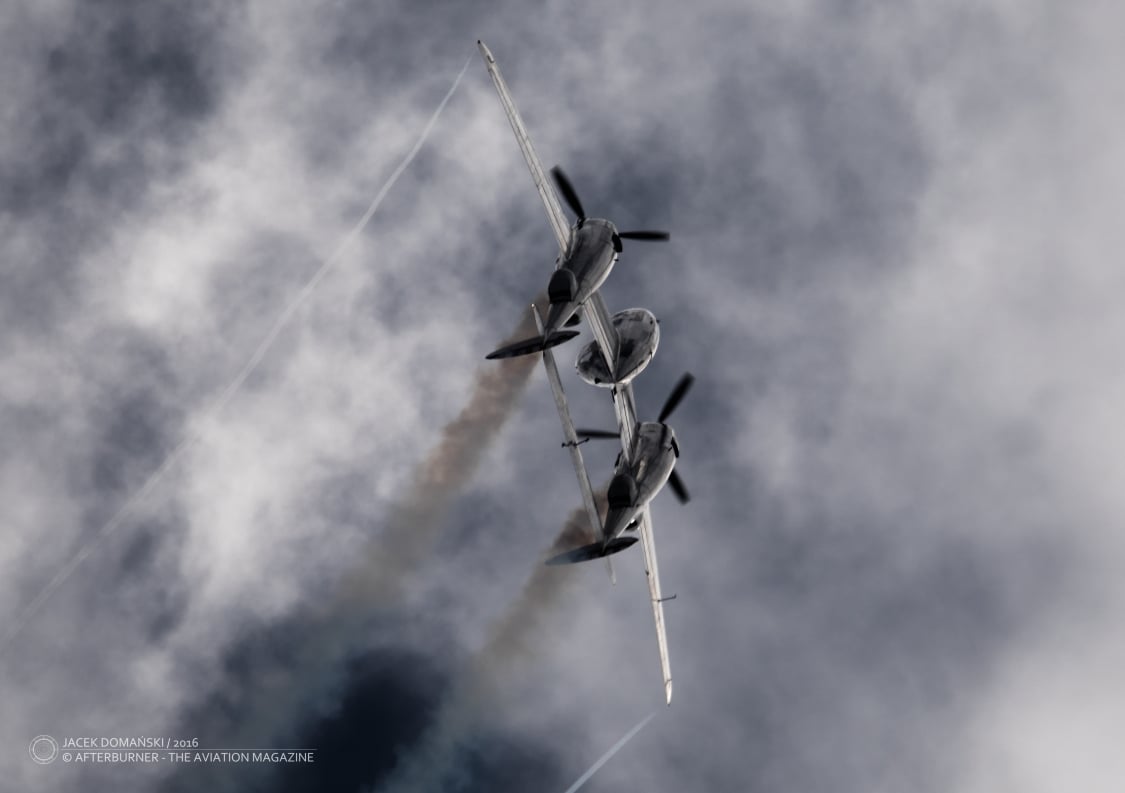
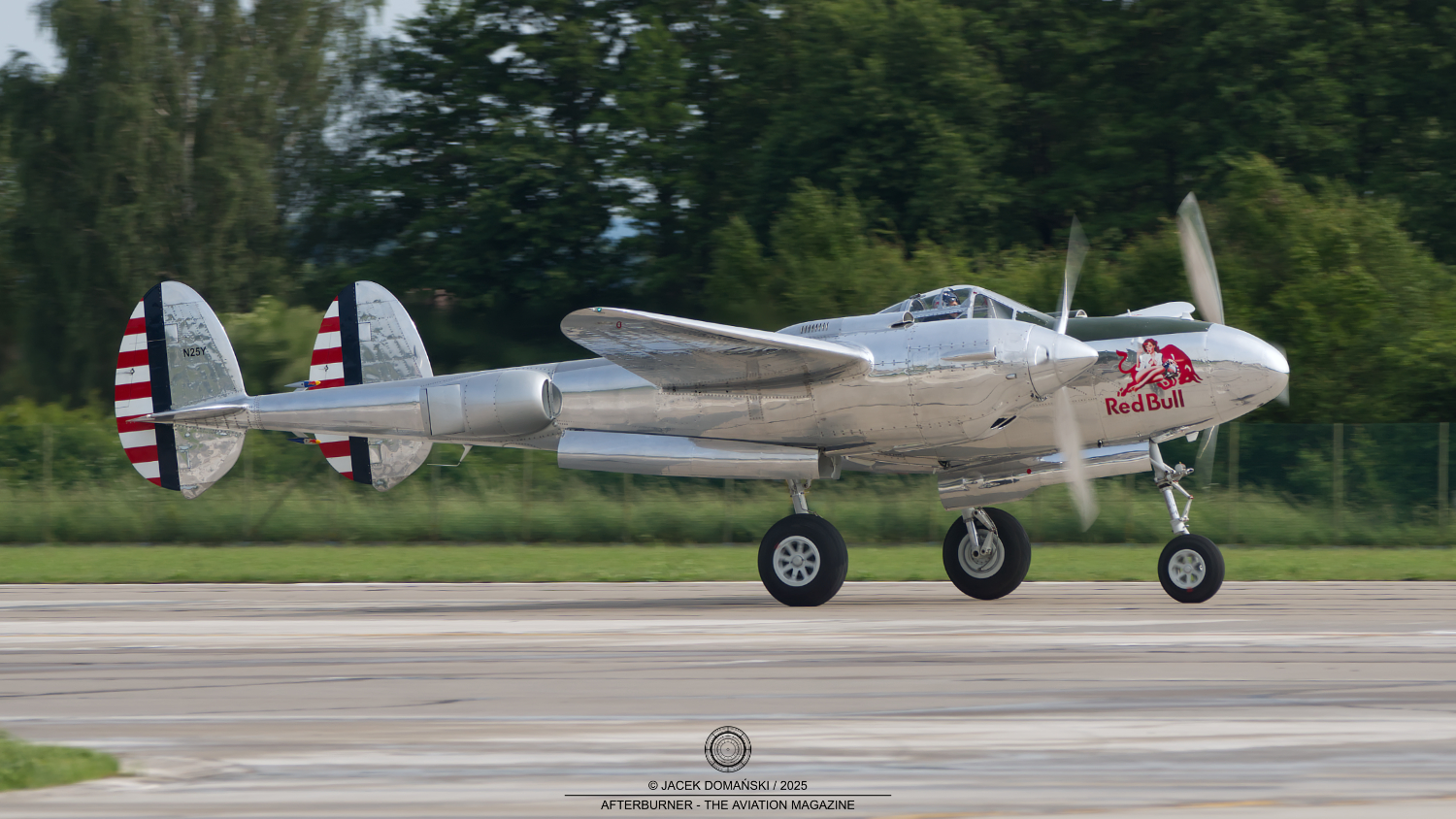
 The Lockheed P-38 Lightning was a single-seat, twin-engine fighter aircraft of the Second World War. The aircraft was used worldwide by the United States Army Air Forces in a variety of combat roles, proving particularly successful in the Pacific and CBI (China–Burma–India) theatres of operations.
The P-38 was developed in response to a United States Army Air Corps (USAAC) requirement for a new fighter, issued in February 1937 and officially designated Circular Proposal X-608. The specification called for a high-altitude, twin-engine interceptor, which basic performance requirements far exceeded the standards of contemporary USAAC aircraft.
In fact, it was the most demanding fighter specification ever issued by the USAAC. The new aeroplane was required to achieve a maximum speed of at least 580 km/h at operational altitude and a climb rate of 20,000 feet in six minutes. Only two manufacturers, Lockheed and Vultee, responded to the proposal. However, the XP1015 project submitted by the Vultee company was soon deemed to have little potential
On 23 June 1937, the Lockheed Corporation’s proposal, known as the Model 22, was announced as the winner, and the company was awarded the contract to build the new fighter, now officially designated the XP-38.
The design work was entrusted to a special, secret engineering team led by Hall Hibbard and Clarence “Kelly” Johnson. Development took place at a remote facility – an old bourbon distillery purchased by Lockheed – which later became known as the Skunk Works.
On 27 January 1939, the XP-38 prototype performed its maiden flight, piloted by test pilot Benjamin S. Kelsey.
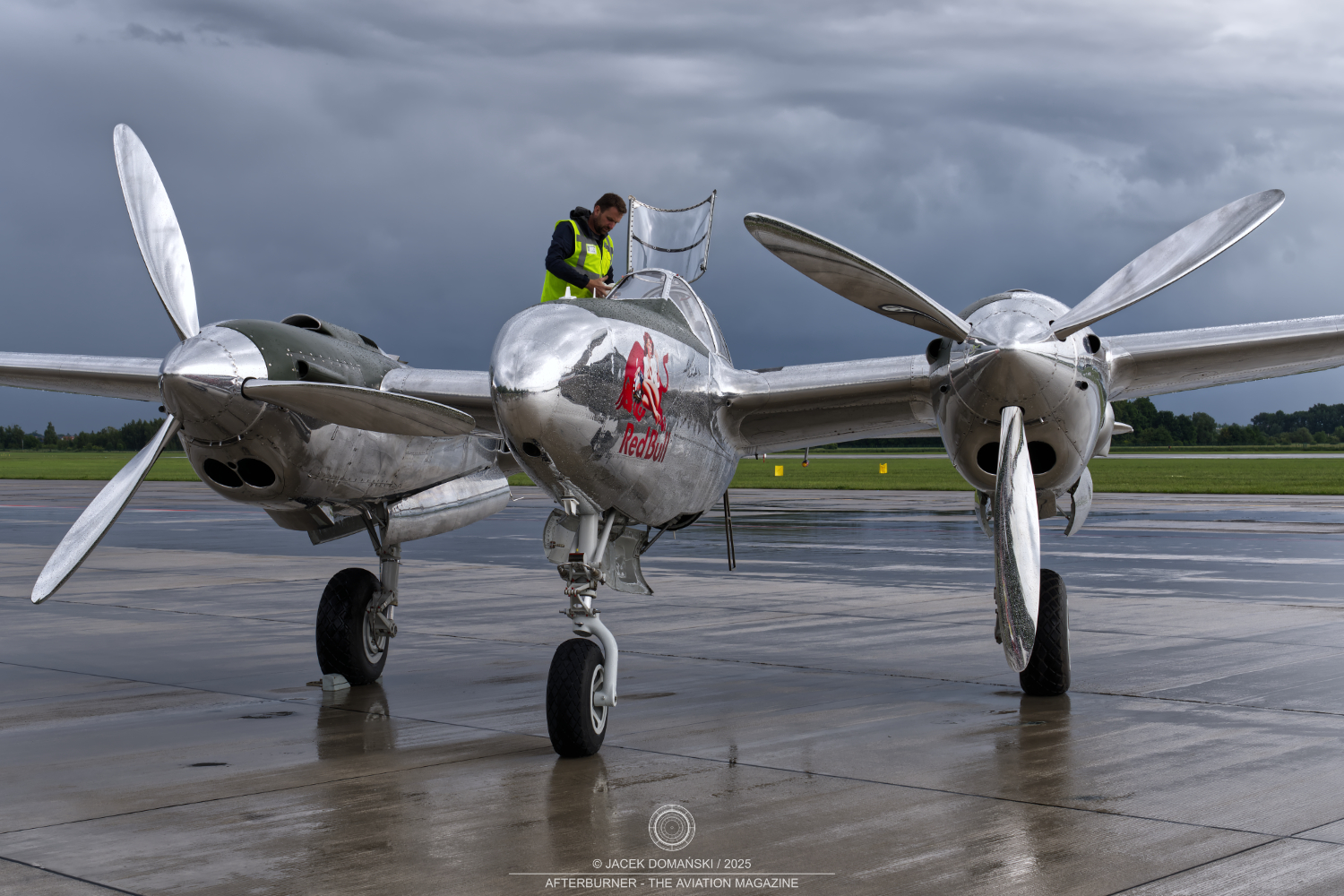
Although unorthodox in appearance, the distinctive configuration of the XP-38 made it the first military aircraft in the world to exceed 640 kph (400 mph) in level flight. The exceptional speed of the new fighter was soon demonstrated during a transcontinental flight from California to New York. Excluding two refuelling stops, the XP-38 completed the journey in seven hours and two minutes, setting a new record. This achievement was enough to convince the USAAC to order an initial batch of thirteen aircraft.
Shortly thereafter, the USAAC was reorganised as the United States Army Air Forces (USAAF), and a further order was placed for sixty-five aircraft, now officially designated the Lockheed P-38 Lightning.
Interestingly, although the P-38 had originally been designed as a high-altitude interceptor, the first variant to enter operational service was the P-38E, an unarmed reconnaissance version in which the standard armament was replaced by four cameras.
In May 1942, the first P-38s were delivered to combat squadrons operating from the Aleutian Islands. There, on 9 August 1942, the Lightning scored its first aerial victories, when two aircraft from the 343rd Fighter Group shot down a Kawanishi H6K flying boat.
During the Second World War, the P-38 Lightning was operated not only by the USAAF but also by several other Allied air forces, including the Royal Australian Air Force, the Chinese Nationalist Air Force, the Free French Air Force, and the Italian Co-Belligerent Air Force. After the war, the list of operators expanded to include Colombia, Honduras, and Italy.
Production of the P-38 continued until the end of 1945, with more than 10,000 aircraft built in fourteen main variants. The total number of versions developed, including prototypes and conversions, exceeds thirty and encompasses fighter, night fighter, fighter-bomber and reconnaissance aircraft, as well as a floatplane and a carrier-based fighter.
Full story here.
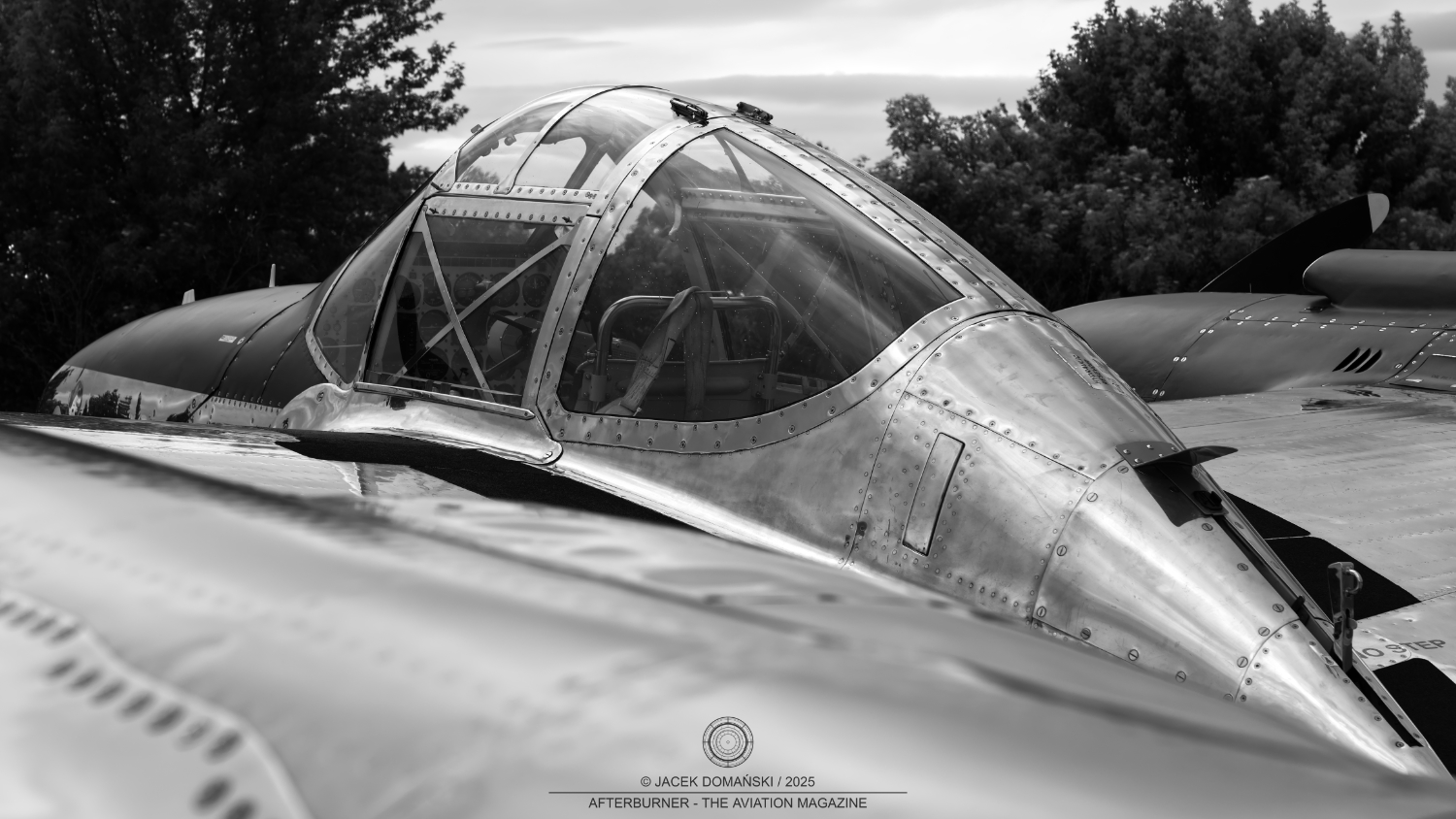
Pictured above is the P-38L from the Flying Bulls collection based in Salzburg, Austria.