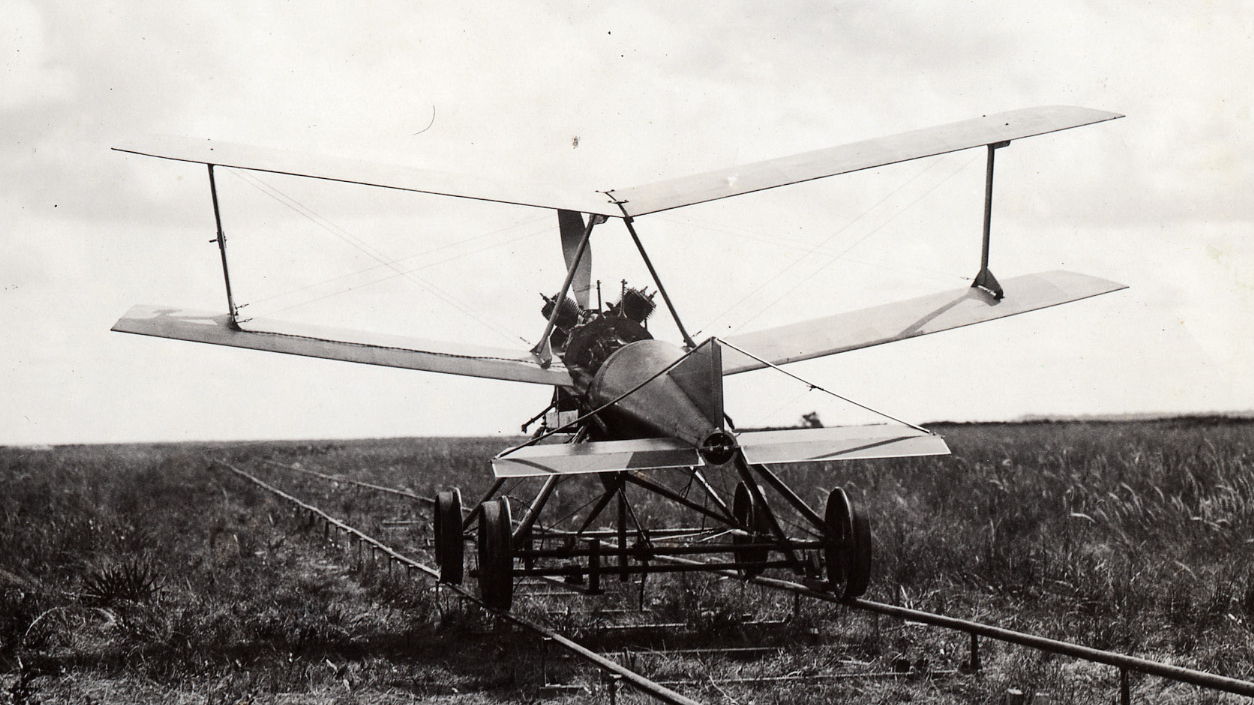
 On 2 October 1918, the experimental unmanned aircraft, officially designated the Kettering Aerial Torpedo (aka the Kettering Bug), performed its maiden flight.
Development of this aircraft, at that time known as an aerial torpedo and being a forerunner of the current cruise missiles, officially began in November 1917. Approximately half a year after the American entry into the First World War, the US Army issued a requirement to create an unmanned aircraft able to hit targets at a range of about 40 miles (64 km).
The task of developing such an advanced “flying machine” was assigned to Charles Franklin (Frederick) Kettering, an American engineer and businessman. Primarily active in the automotive, electrical and gasoline industries, Kettering was already known for his numerous practical inventions across multiple industries.
After graduating from Ohio State University with a degree in electrical engineering, Kettering began working for National Cash Register. During his five years there, he secured no less than twenty-three patents.
In 1909, Kettering turned his attention to the automotive industry. He became famous for his self-starter and other inventions related to automotive electrical systems. Finally, the American inventor became the holder of 186 patents, the founder of Delco Electronics Corporation, and head of research at General Motors.
The Kettering Aerial Torpedo was developed in cooperation with Orville Wright, who became an aviation consultant on the project, and Elmer Ambrose Sperry, who was responsible for the control and guidance systems. The aircraft was built at the Dayton-Wright Airplane Company in Ohio.
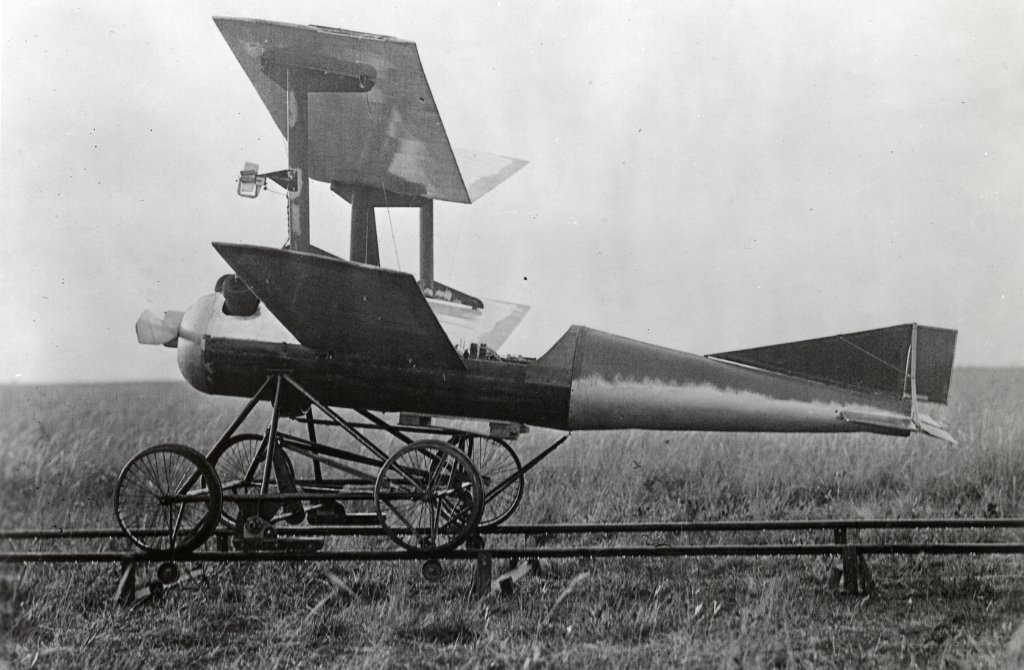
The experimental unmanned aircraft was powered by a 40 hp two-stroke V4 DePalma engine. The Kettering Bug was a biplane with a wooden and papier-mâché fuselage and cardboard wings. Its payload was 180 lbs (82 kg) of high explosives. As reported, the total cost of the aircraft did not exceed USD 400.
On 2 October 1918, the prototype of the Kettering Aerial Torpedo performed its first flight. The aircraft took off using a dolly-and-track system, the same system the Wright brothers used for their first powered flights in 1903. Once airborne, the Kettering Bug flew towards its destination, guided by a small onboard gyroscope, supported by an aneroid barometer for stability and altitude, and controlled by a pneumatic and electrical system. The distance to the target was measured by a mechanical revolution counter attached to the engine – after a calculated number of propeller turns, the engine was shut down, the wings were released, and the aircraft dived to the ground.
The first flight of the aerial torpedo was a failure. The aircraft climbed too steeply, stalled and then crashed. However, the next flights were more promising, and the Kettering Bug was successfully presented to the US Army Signal Corps.
However, the average success rate across all trials was about 30%. Therefore, the US Army authorities were too afraid to allow the Kettering Aerial Torpedo to fly above their own troops, and the aircraft was never approved for use in combat. In 1920, further development of the aerial torpedo was abandoned, and the entire programme was classified until the Second World War.
Interestingly, Kettering also developed a manned variant of his light aircraft. Known as the Dayton-Wright Bug, the aeroplane was flown in early 1918 but it was deemed unsuitable for piloted flight, and further work was quickly abandoned.
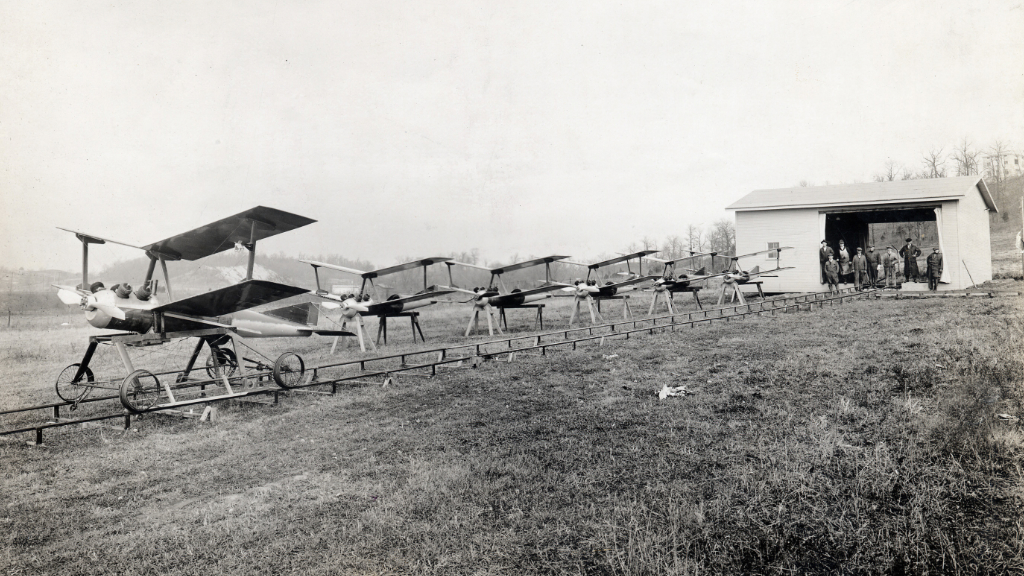
Cover photo: Kettering Aerial Torpedo (photo: Ken LaRock, National Museum of the USAF, 231212-F-IO108-009, Public Domain)