 Aérospatiale Gazelle, an icon of the French helicopter industry from the Cold War era, is steadily approaching its diamond jubilee. In March 2027, this well-known rotorcraft will celebrate the 60th anniversary of its maiden flight and, remarkably, remains in service with about twenty air forces worldwide.
Initially, the helicopter was officially known as the SA 340, a designation dating back to Sud Aviation, which launched work on a new French light helicopter in 1966. Four years later, the company merged with Nord Aviation and SÉREB to create a new entity named Aérospatiale.
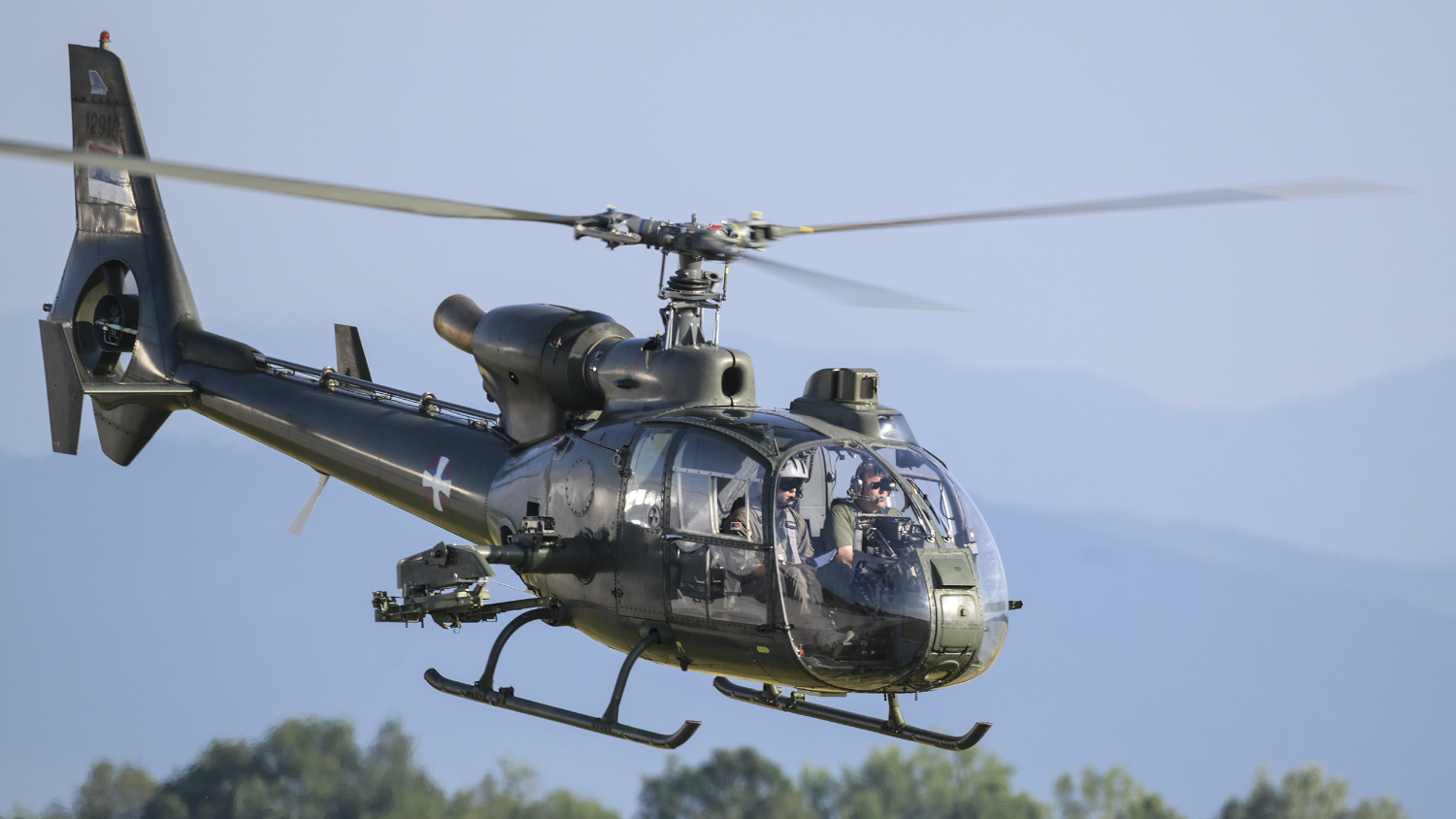
The first Gazelle prototype performed its maiden flight on 7 April 1967. At that time, the helicopter differed significantly from the production version we know today and was reportedly still equipped with a conventional tail rotor. Nevertheless, the SA 341 variant – introduced in 1971 and eventually becoming the first production model – was the world’s first helicopter to feature a ducted tail rotor. This solution, commonly known as the Fenestron (although the name is a registered trademark of Airbus Helicopters), replaced the conventional tail rotor with an enclosed fan integrated into the tail boom.
In 1973, the Gazelle officially entered service with Aviation légère de l’armée de Terre (the French Army Light Aviation – ALAT). The helicopter quickly became a popular light multi-role military rotorcraft, used for transport, reconnaissance, liaison, observation and attack missions.
It is also worth emphasising that, thanks to its participation in numerous conflicts around the world, the Gazelle has accumulated an impressive combat record. These include French operations in Chad, Djibouti, Somalia and Côte d’Ivoire, the Gulf War, the Bosnian War, counter-piracy operations off the coast of Somalia, the Iran-Iraq War, the 1982 Lebanon War, the Cenepa War between Ecuador and Peru, the War in Afghanistan and the Rwandan Civil War, to name but a few.
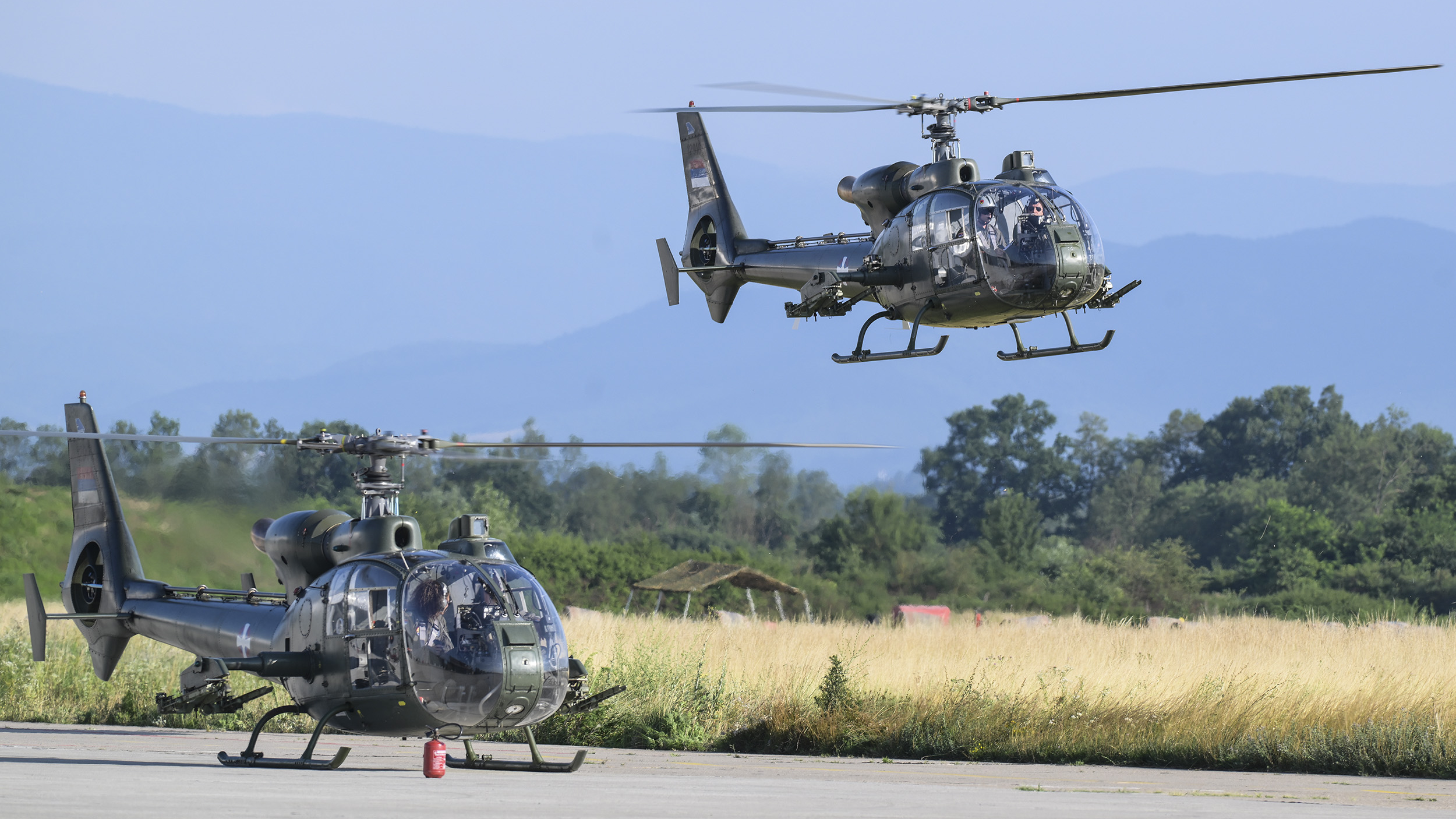
The commercial success of the Gazelle encouraged the continued development of the type. For example, the SA 342 featured a more powerful engine and an improved tail rotor, the SA 342K was optimised for operations in hot-and-high environments, and the SA 342M became the French Army’s dedicated anti-tank variant, armed with HOT missiles.
The Gazelle was mainly manufactured in France and the United Kingdom (by Westland) but production licences were also granted to Yugoslavia (SOKO) and Egypt (Arab British Helicopter Company). More than 1,700 helicopters of all variants were built before production finally ceased in 1996.
Nevertheless, the Aérospatiale Gazelle remains in active service with approximately twenty military operators and continues to undergo gradual modernisation. ALAT remains the principal operator, with an inventory of around one hundred Gazelles, although these are progressively being replaced by newer types. According to data available at the beginning of 2026, other significant operators include Egypt, Tunisia and Serbia.
In 1971, Yugoslavia acquired a licence to manufacture the Gazelle G and H variants. However, the first twenty-one SA 341G helicopters were built in France and only assembled in Yugoslavia. Full domestic production did not begin until 1978.
The licensed production programme was supervised by Ваздухопловнотехнички институт (the Aeronautical Technical Institute). Final assembly took place at the SOKO aircraft factory in Mostar, the engines were manufactured by the “21st May” factory in Rakovica, while numerous other Yugoslav companies supplied additional components.
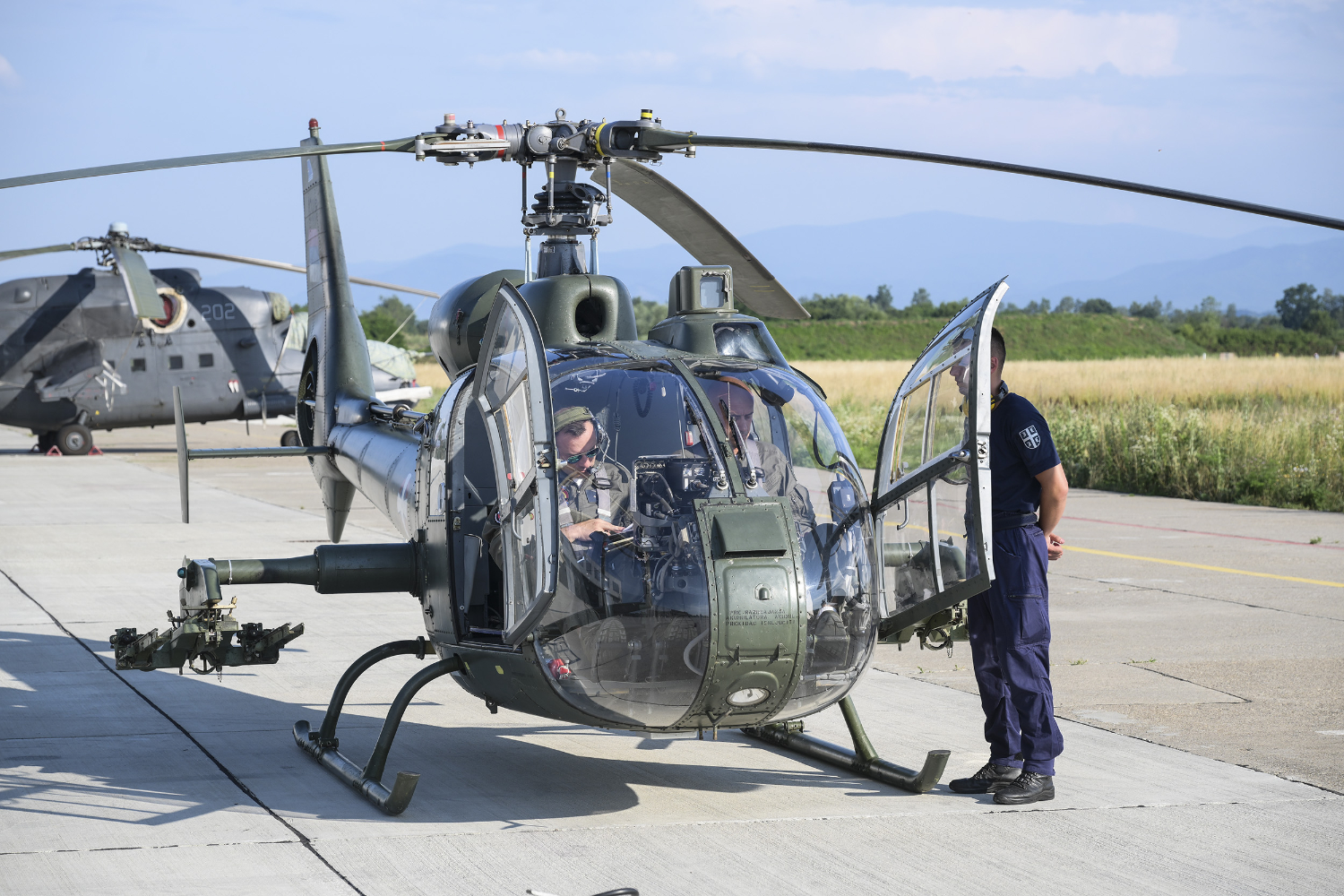
The Yugoslav-built Gazelles were designated HO-42 (general-purpose SA 341H), HI-42 Hera (reconnaissance variant), HS-42 (medical evacuation variant) and HO-45 (general-purpose SA 342L). The most notable version, however, was the anti-armour variant introduced in 1981. Depending on the source, between 178 and 193 Gazelles were manufactured in Yugoslavia.
This version was armed with four Soviet-developed 9M14M Malyutka wire-guided anti-tank missiles, as well as two 9K32 Strela-2M missiles. Although the latter were originally designed as a man-portable air defence system (MANPADS), they were adapted for use against enemy helicopters. These aircraft were produced in two variants, designated the HN-42M Gama (based on the SA 341H) and the HN-45M Gama 2 (based on the SA 342L). The name “Gama” was derived from the words Gazelle and Malyutka.
The SOKO-built helicopters saw extensive combat during the Yugoslav Wars. On 27 June 1991, a Gazelle was shot down near Ljubljana, becoming the first aircraft to be lost in the conflict. Following the breakup of Yugoslavia, the remaining helicopters were divided among the successor states. Today, however, only Serbia and Bosnia and Herzegovina continue to operate them.
Ратно ваздухопловство и противваздухопловна одбрана Војске Србије (the Serbian Air Force and Air Defence) currently operates up to twenty-five Gazelle helicopters, most of which belong to the aforementioned Gama variant. A small number are assigned to the 890th Mixed Helicopter Squadron “Pegasi” for training purposes, while the majority serve with the 714th Anti-Armour Helicopter Squadron “Senke” (“Shadows”), based at Kraljevo.
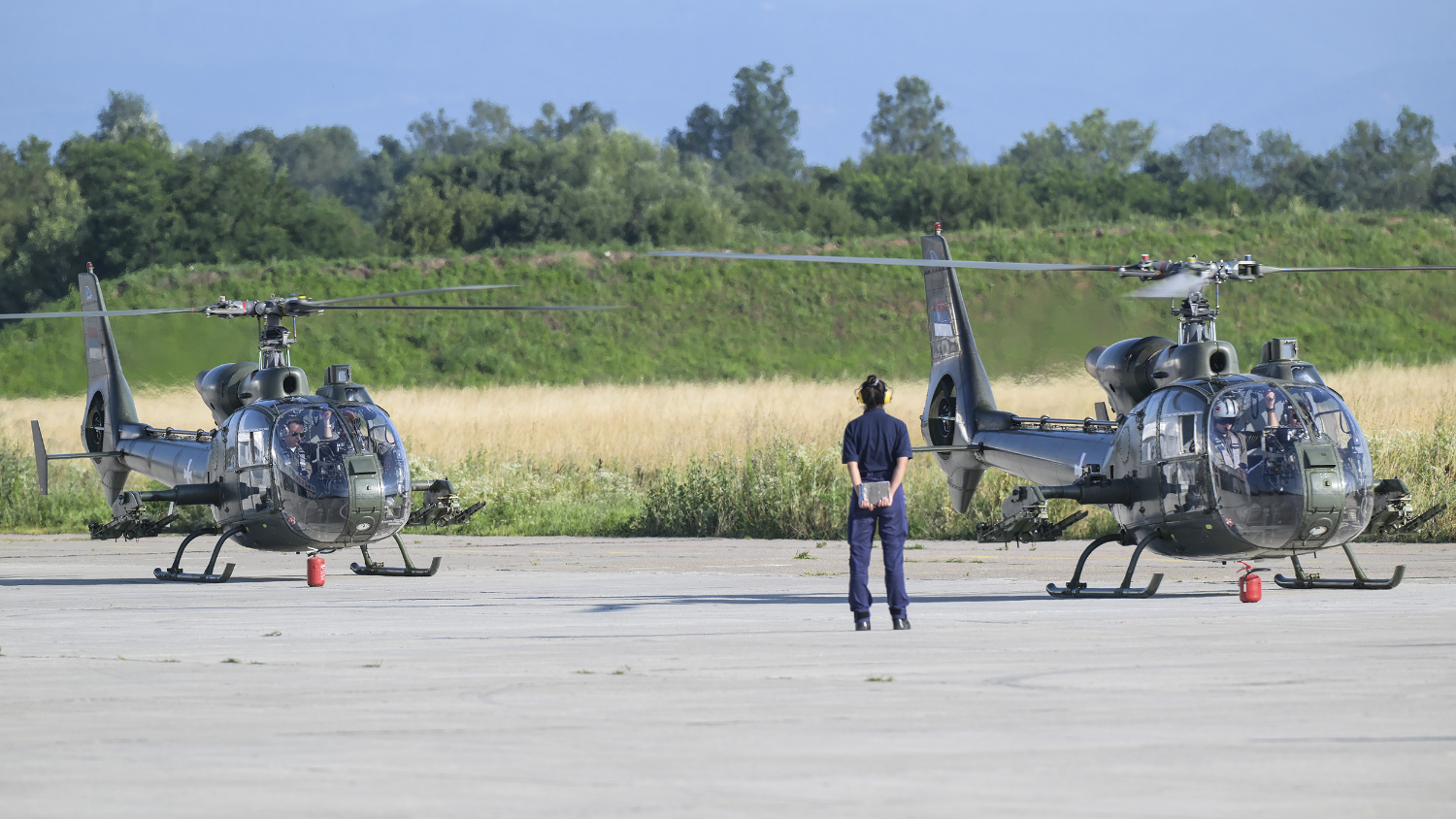
The latter unit and its helicopters are featured in this article through a selection of photographs recently released by the Serbian Ministry of Defence. They show some current training activities involving both Gazelle aircrews and ground personnel.
The exercise includes junior pilots undergoing training to qualify as helicopter section leaders, while more experienced members of the 98th Air Force Brigade carry out operational flying tasks and participate in more advanced training aimed at maintaining and further improving their proficiency.
According to the squadron commander, Major Branko Stanković, flight training is conducted both during the day and at night, using Gama and Mi-35 helicopters.
“During daytime flying, pilots practise and qualify as helicopter section leaders in low-level flight under the supervision of instructors occupying the left-hand seat. Training includes low-altitude flying, leading a helicopter section to the target area, carrying out the assigned mission and returning to the home air base,” said Stanković. “After each sortie, the pilots attend a post-flight debriefing together with their instructors and flight training staff.”
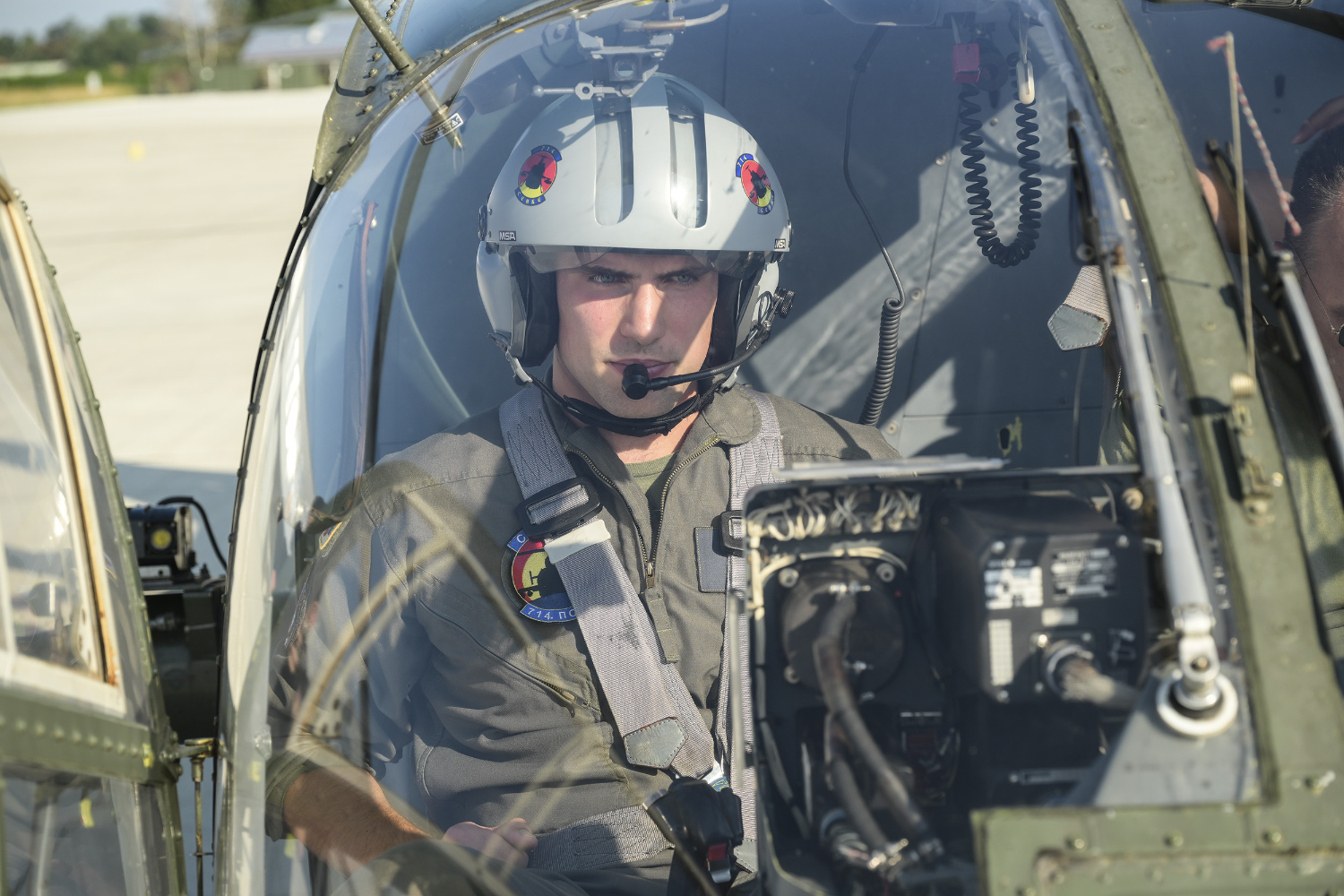
All photos © Министарство одбране Републике Србије / MoD Republic of Serbia. MoD press releases were used.