 On 3 July 1937, the prototype of the German flying boat, the Dornier Do 24, successfully performed its maiden flight.
In August 1934, Reichsluftfahrtministerium (the German Reich Ministry of Aviation – RLM) issued a requirement for a long-range, ocean-going reconnaissance flying boat. However, the initial requirements were rather vague, and the final specification was not released until 1936, following several revisions and refinements of the original concept. The RLM requirement attracted proposals from two German aircraft manufacturers: Blohm & Voss with the Ha 138 (later redesignated BV 138) and Dornier with the Do 24.
Coincidentally, at the same time the Marine Luchtvaartdienst (the Dutch Naval Aviation Service) was looking for a replacement for its Dornier Do J Wal (Whale) flying boats operating in the Dutch East Indies. A competition announced by the Dutch authorities attracted three aircraft manufacturers: Fokker, Sikorsky and Dornier. The latter naturally entered the competition with its newly developed Do 24 design.
It soon became clear that the German company was the favourite in the Dutch competition. At the same time, it seemed that the RLM preferred the BV 138 project. Consequently, Dornier decided to continue development of the Do 24 while focusing exclusively on the Marine Luchtvaartdienst requirements. Delivery of the first prototype intended for the German competition was postponed until December 1937, while a preliminary contract for approximately thirty aircraft for the Netherlands was signed instead.
Nevertheless, this decision required significant modifications to the original design. The RLM specification identified the Jumo 205 engines – already proven in service with Deutsche Lufthansa – as the preferred powerplant for the future German flying boat. The Dutch Navy, on the other hand, wanted to standardise the engines used throughout its fleet and, consequently, the Do 24 had to be powered by three 887 hp Wright R-1820-F52 Cyclone radial engines.
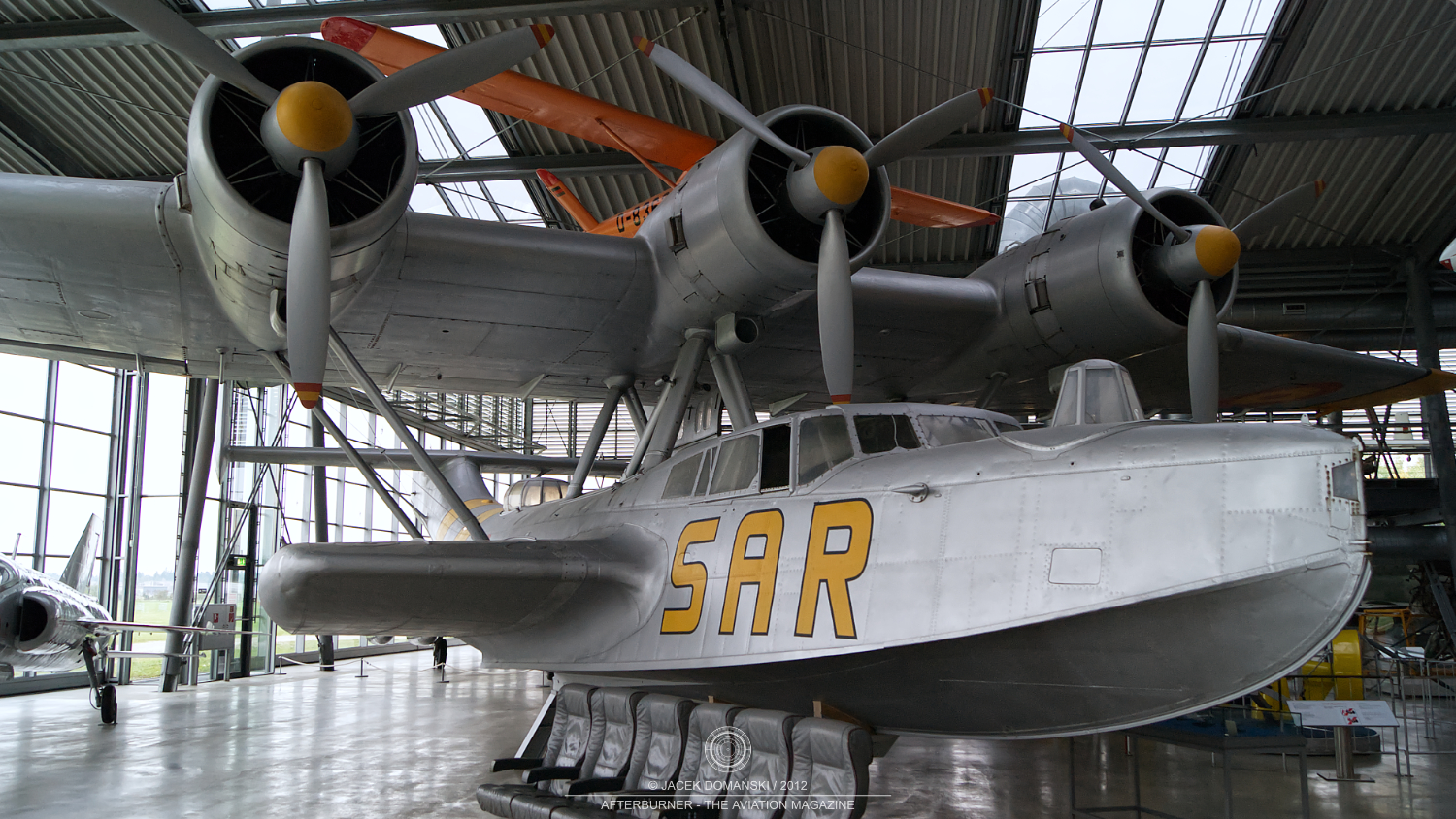
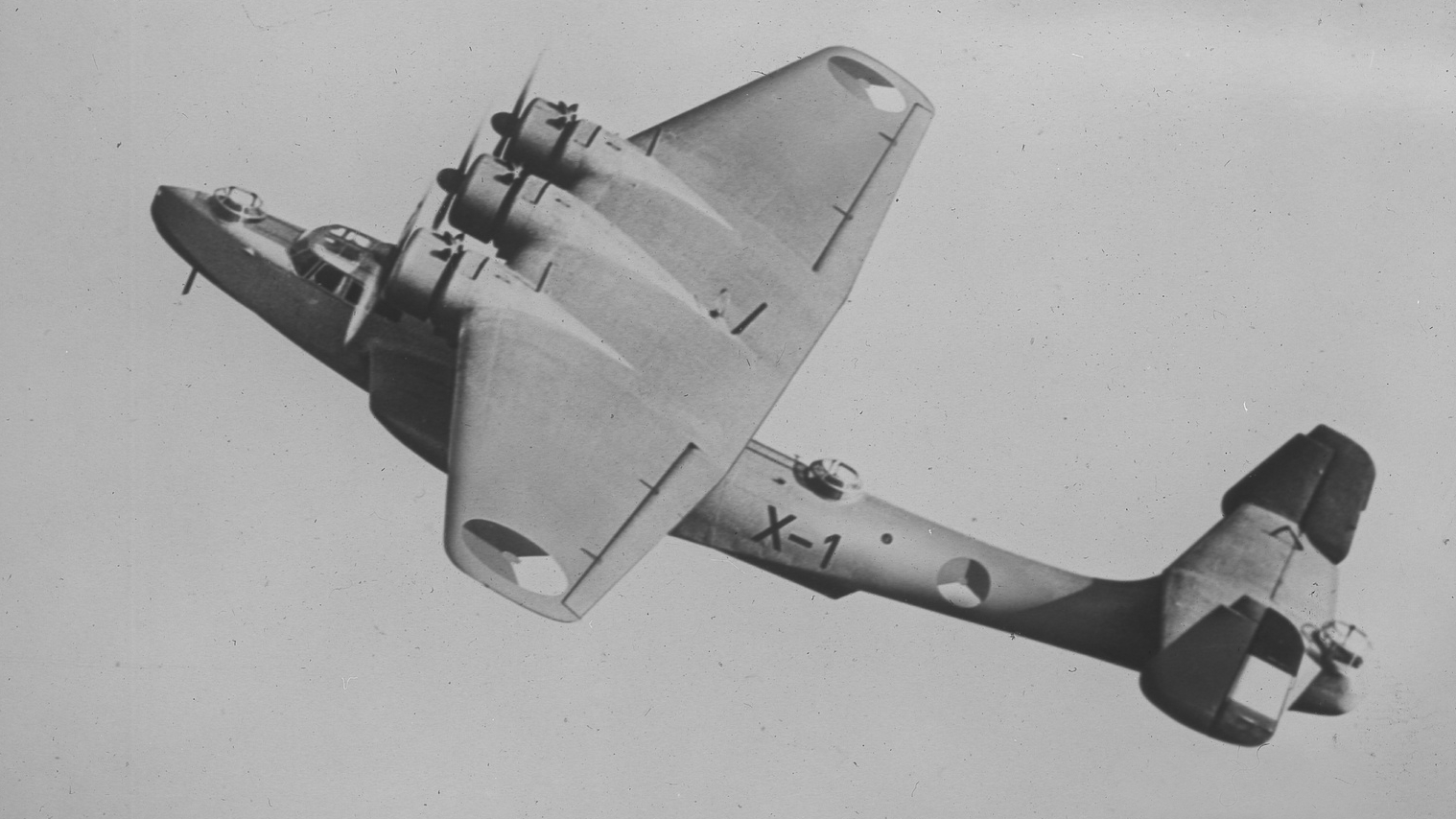
The first prototype of the Dornier Do 24 intended for the Dutch Navy performed its maiden flight from Lake Constance in July 1937. Following a favourable evaluation by its future operator, an order for the first production batch was officially placed shortly afterwards. In addition, even the prototype itself was accepted for operational service. It was first flown to Hamburg and then shipped to the Dutch East Indies, where it entered service with the Dutch naval aviation as the X-1.
In the meantime, development of the Jumo-powered Do 24 continued. In January 1938, this version successfully completed its maiden flight. Two prototypes were built and subsequently evaluated by the German aviation authorities. However, as Dornier had expected from the outset, the Do 24 ultimately lost the competition to the Blohm & Voss BV 138.
Nevertheless, this was not a major setback for the company from Friedrichshafen. After receiving the first batch of Do 24s, the Marine Luchtvaartdienst was so satisfied with the new flying boat and its performance that the Dutch authorities planned to acquire additional aircraft. The Dutch Do 24 fleet was ultimately expected to grow to one hundred aircraft.
Initially, serial production of the Do 24 was launched at Dornier’s plants in Manzell and Altenrhein. Shortly afterwards, however, a licence agreement was signed and production was transferred to Aviolanda in the Netherlands. The Dornier- and Aviolanda-built aircraft supplied to the Dutch Navy were designated the K-1 and K-2 variants.
Until the outbreak of the Second World War, the Marine Luchtvaartdienst received a total of thirty-seven Dornier Do 24s, which were operated in the Dutch East Indies from the major naval air base at Morokrembangan in eastern Java. Organised into twelve squadrons comprising eighteen three-aircraft flights (Groep Vliegtuigen), they carried out reconnaissance missions, anti-submarine patrols, search-and-rescue operations and convoy escort duties. One of the best-known actions involving Dutch Do 24s was the sinking of the Japanese destroyer Shinonome in December 1941.
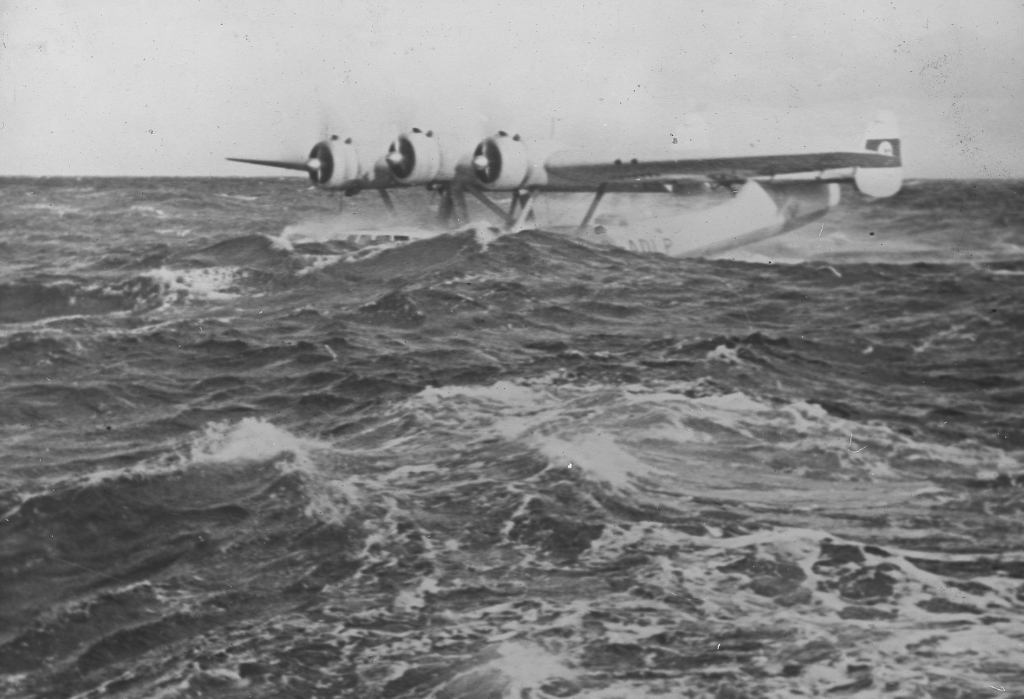
Following the Dutch surrender, the surviving Do 24s were evacuated to Australia, where six remained in service with the RAAF until 1944.
Following the occupation of the Netherlands, all the Do 24s located at the Aviolanda factory were seized by the Germans. These included eight completed aircraft and a further five in various stages of construction. As there were sufficient stocks of Wright engines available, the flying boats were completed and all thirteen subsequently entered German service as the Do 24 N.
Over the following years, production of the Do 24 continued. Built by Aviolanda and Fokker, the aircraft was powered by BMW Bramo 323 engines. Demand for the flying boat was so high that an additional production line was established at the Société nationale des constructions aéronautiques du Sud-Est (SNCASE) factory in Sartrouville, France. These Bramo-powered aircraft were designated the Do 24 T-1, T-2 and T-3 variants.
Wartime production of the Do 24 continued until 1944. By then, as the territory controlled by Germany rapidly shrank, the Luftwaffe’s interest in flying boats declined considerably. As a result, twelve Do 24s were sold to Spain, where they served as reconnaissance and search-and-rescue aircraft until the 1970s.
After the war, the French company resumed production of the Do 24. A total of forty aircraft were built at Sartrouville for the Aéronavale (French Naval Aviation), remaining in service until the early 1950s.
Although initially rejected by the German authorities, the Do 24 ultimately proved itself to be an exceptional aircraft, perfectly suited to naval aviation and its demanding operational tasks.
The aircraft was regarded as an outstanding flying boat by all of its operators, particularly in the search-and-rescue role. In this capacity, the Do 24 significantly outperformed not only the Heinkel He 59 but also its direct competitor in the 1936 RLM competition, the BV 138. According to Wikipedia (which, however, does not cite the original source), Do 24 flying boats are believed to have saved approximately 12,000 lives during SAR operations.
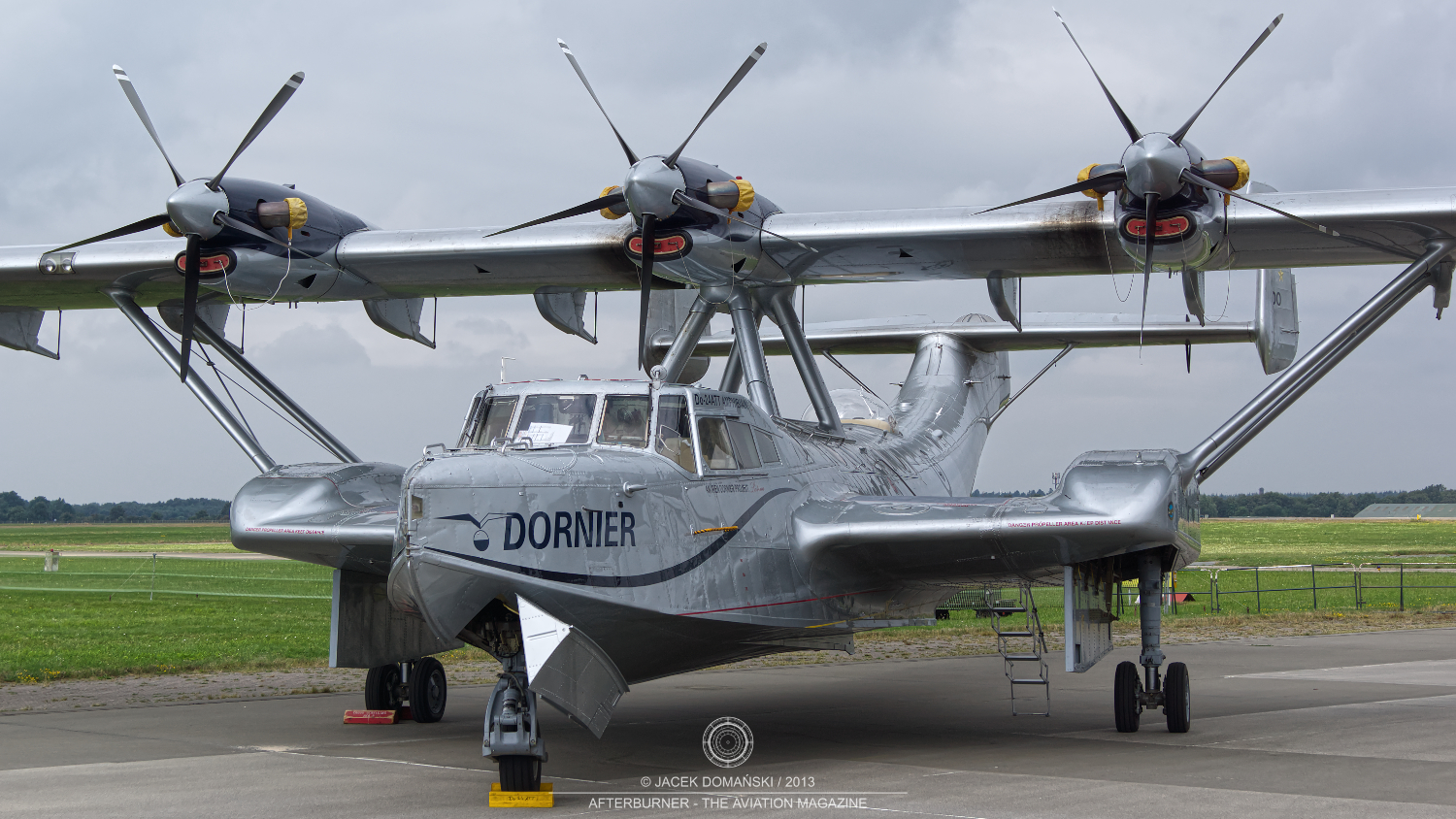
Today, there is no surviving airworthy example of the Do 24. The only aircraft that continued flying beyond the 1970s was the Dornier Do 24 ATT technology demonstrator. However, it was only based on the original design. At the beginning of the 1980s, Dornier extensively modernised the aircraft by fitting a new high-lift Advanced Technology Wing derived from the Dornier Do 228 and converting it into an amphibian by installing a retractable undercarriage. In addition, the Do 24 ATT was re-fitted with three Pratt & Whitney Canada PT6A-45B turboprop engines.
For many years, the Do 24 ATT was a highlight of aviation events around the world, participated in humanitarian missions and even completed a round-the-world UNICEF tour. Regrettably, the aircraft was seriously damaged during a touch-and-go water landing at an Austrian air show in 2015. Consequently, the Do 24 ATT was retired and transferred to the Dornier Museum in Friedrichshafen, Germany.
Several other Do 24 flying boats are preserved in aviation museums in Germany, Australia, France, the Netherlands and Spain. Apart from the Australian example, which represents the original K-1 variant, all surviving museum aircraft are the T-3 versions.
Cover photo: Dornier Do 24 “X-1”, the Dutch Navy, in flight (ETH Library Zurich, Image Archive / Dia_240-212, CC BY-SA 4.0)