 The European Space Agency (ESA) is set to organise an astronaut mission to the International Space Station (ISS) on behalf of the Czech Republic. This will be the first private astronaut mission to the ISS resulting from a contract signed on 8 June 2026 between NASA and the company Vast.
Between 2022 and 2025, we followed on our website the space journey of the first Central and Eastern European (CEE) astronaut of the 21st century, Sławosz Uznański-Wiśniewski from Poland. On 25 June 2025, he became the second Pole after Mirosław Hermaszewski to fly into space, and the first to stay on the ISS.
Now we turn our attention to the second CEE astronaut, Aleš Svoboda from the Czech Republic, who has just received an almost identical opportunity to become the second Czech in space, after Vladimír Remek, and the first to visit the ISS.
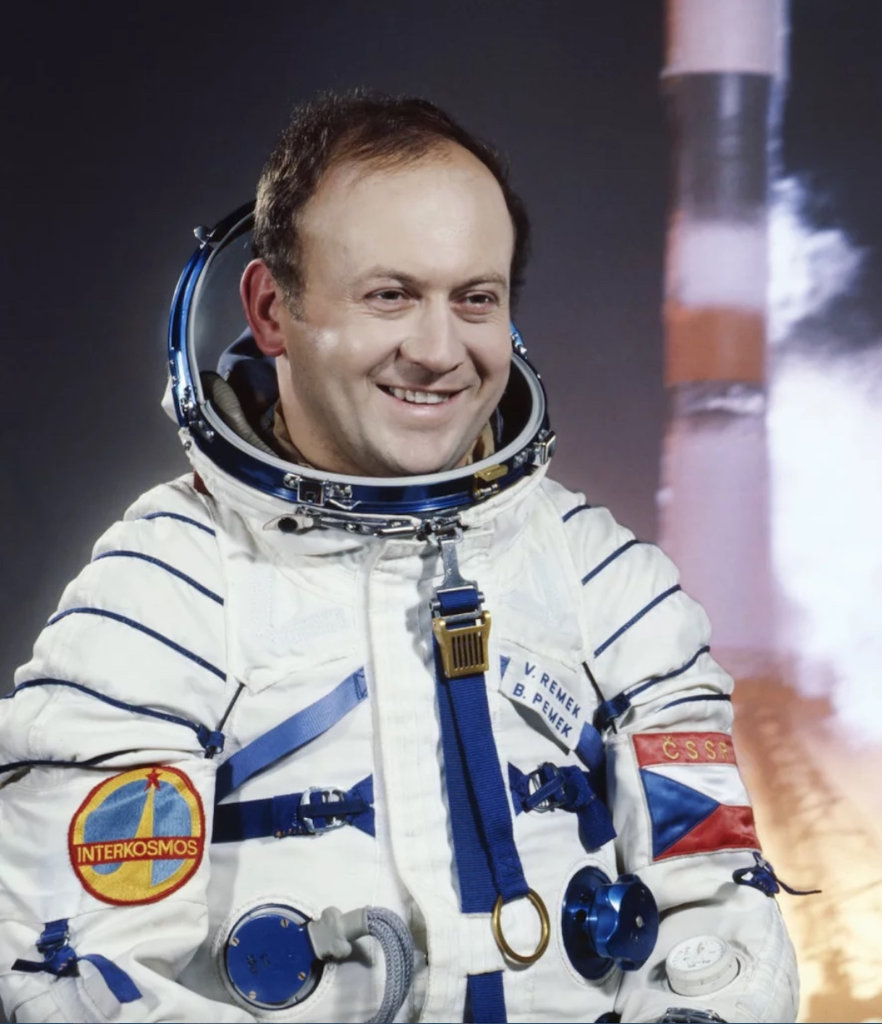
Remek became the first Czech in space in March 1978, when he flew aboard the Soviet Soyuz 28 spacecraft to the Salyut 6 space station as part of the Interkosmos programme. This mission made the former Czechoslovakia the third country in the world to have a citizen in space, after the Soviet Union and the United States.
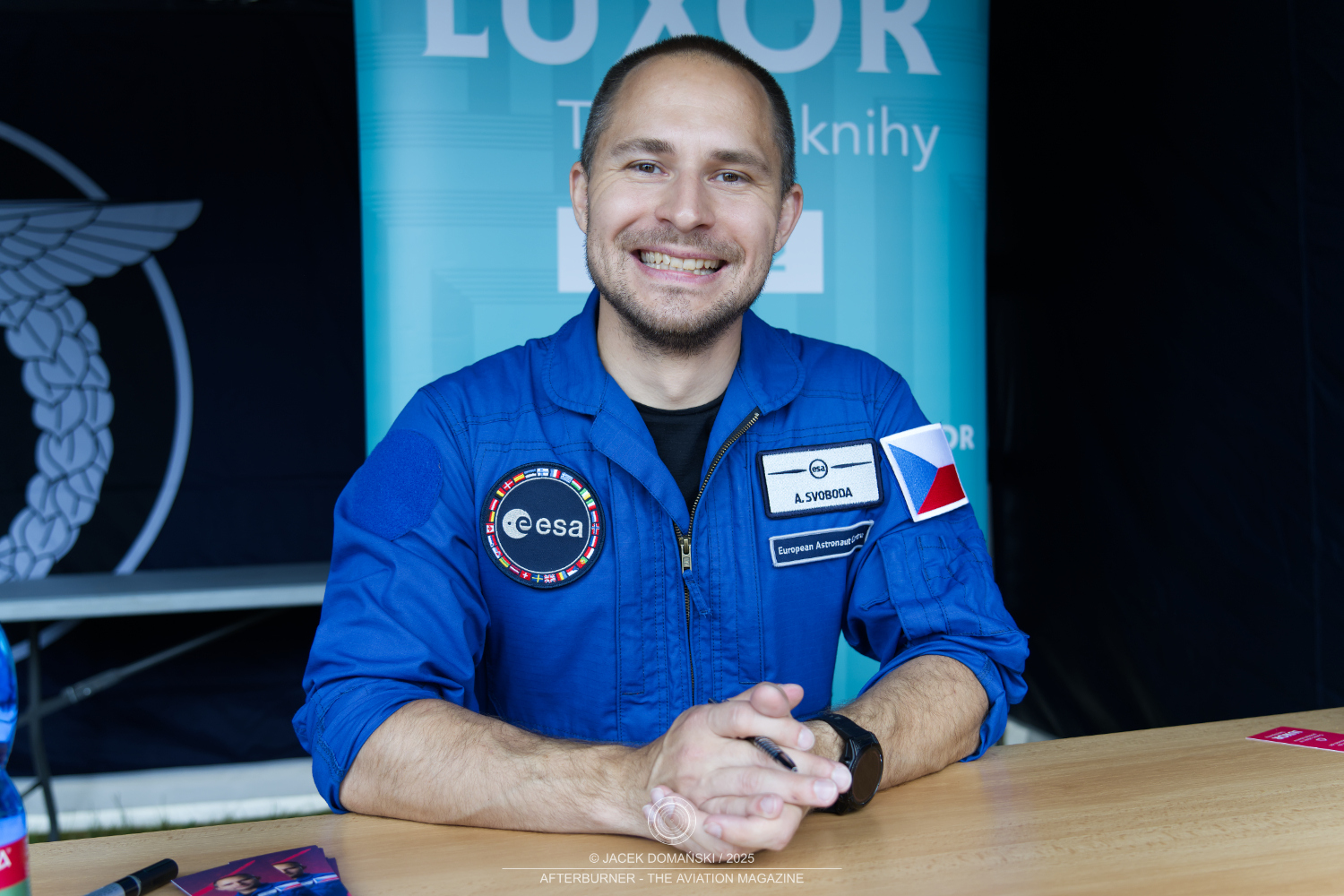
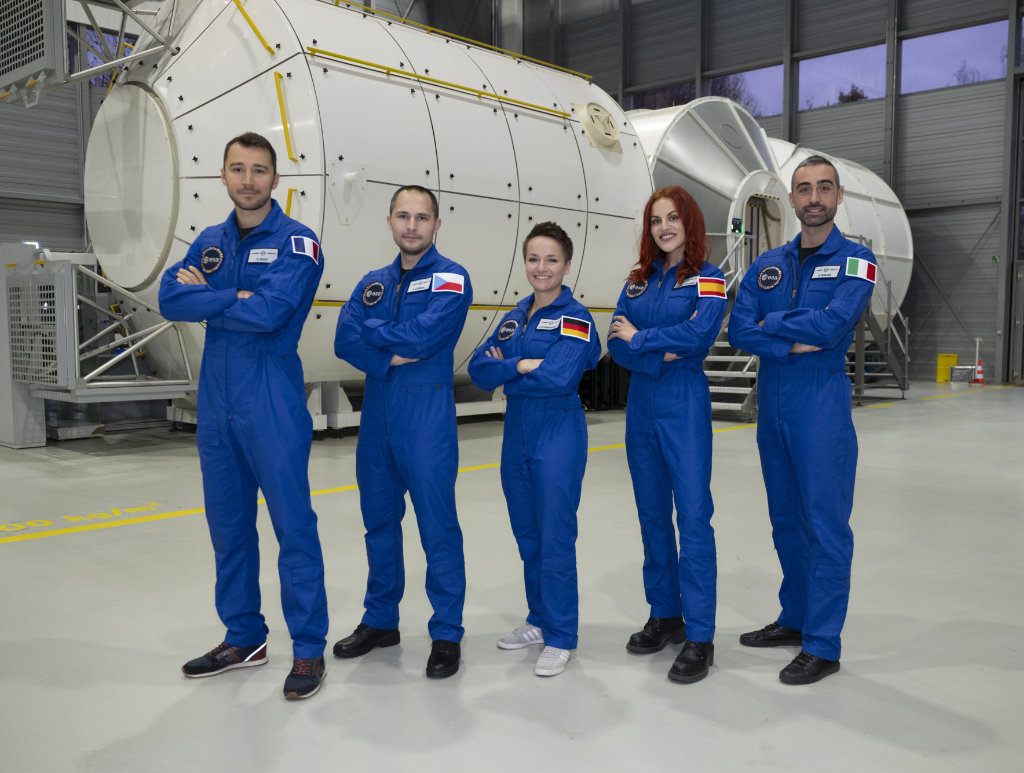
Aleš Svoboda has been chosen to serve as the mission pilot in the future Vast commercial crewed mission to the ISS and is currently awaiting review and approval by the Multilateral Crew Operations Panel (MCOP). Svoboda is a member of the ESA astronaut reserve since November 2022, selected as one of twelve reserve astronauts during ESA’s latest astronaut recruitment campaign, alongside candidates including the aforementioned Sławosz Uznański-Wiśniewski from Poland and John McFall from Great Britain.
Born in 1986, Svoboda is a Czech Air Force pilot with extensive military and aviation experience. He holds degrees in military technology and transport engineering from Czech universities and earned a PhD in aircraft and rocket technology in 2017. Since joining the Czech Armed Forces in 2005, he has served in the Czech Air Force as a fighter pilot with the 211th Tactical Squadron at Čáslav Air Base.
Between 2016 and 2019, he participated in NATO Air Policing missions, including a deployment to Ämari Air Base in Estonia, before serving as a lead senior pilot, NATO Air Defence Quick Reaction Alert commander, electronic warfare officer, and later senior weapons and tactics officer with the same unit. He holds commercial and glider pilot licences and has accumulated more than 1,500 flight hours.
The MCOP makes its decisions through a consensus among representatives from all five International Space Station partners: NASA, ESA, Roscosmos (the Russian Space Agency), JAXA (the Japan Aerospace Exploration Agency), and CSA (the Canadian Space Agency). Once approved, Svoboda will become the first Czech astronaut to visit the ISS. He is expected to join Thomas Pesquet, an experienced ESA astronaut from France, who has been announced as Commander of the Vast mission. The rest of the crew for that private space expedition to the ISS, as well as the official name of the Czech astronaut’s flight to the orbital laboratory, will likely be announced in the coming months.
The flight that will bring the Czech astronaut to the ISS is scheduled to launch in 2027. The crew will fly aboard a SpaceX Dragon spacecraft, lifted-off by a Falcon 9 rocket.
“This agreement demonstrates how ESA is enabling its Member States to participate in human spaceflight through a new generation of commercial partnerships,” said Josef Aschbacher, ESA’s Director General. “We thank NASA for its effort in facilitating this commercial activity. It supports the Czech Republic’s ambitions while reinforcing Europe’s broader objectives in exploration, innovation and long-term capability development.”
The Czech mission will be organised under ESA’s commercial human spaceflight framework, which allows Member States to purchase astronaut flights while drawing on the agency’s expertise in crew training, mission preparation and scientific programme development.
“For the third time, ESA is supporting its Member States with exploration through commercial access to space,” announced Daniel Neuenschwander, ESA’s Director for Human and Robotic Exploration. “ESA is working closely with the Czech Republic to provide them with our decades of expertise in the field of human spaceflight. This new mission will help drive forward technological advancements, supporting the development of technological and scientific expertise in the country.”
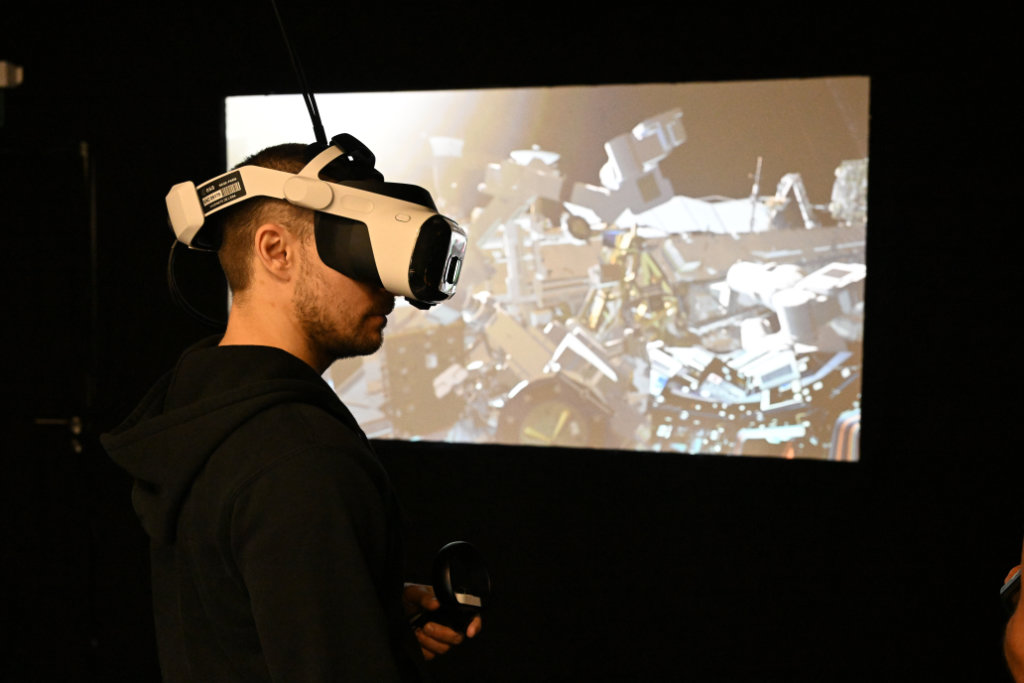
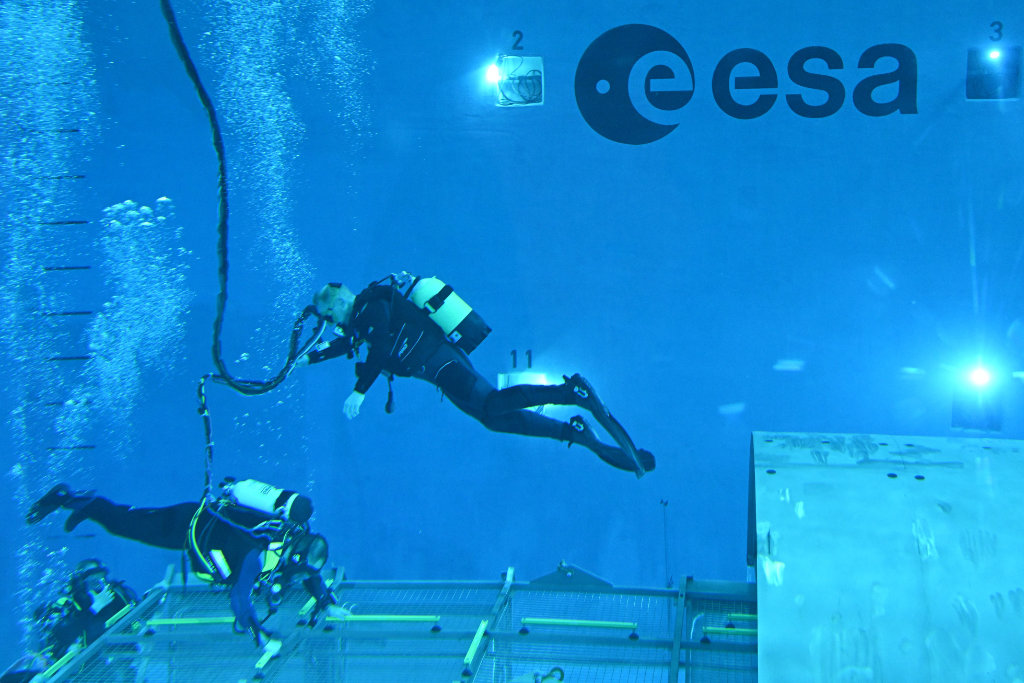
Svoboda recently completed ESA’s Astronaut Reserve Training (ART) programme at the European Astronaut Centre (EAC) in Cologne, Germany. He began the first phase of the programme in October 2024, when members of ESA’s astronaut reserve gathered for two months of intensive training designed to prepare them for future human spaceflight opportunities. Between September and October 2025, Svoboda returned to EAC for a second training block, which concluded with the Astronaut Reserve Training patch ceremony. The final phase of the training programme was completed in spring 2026. If Aleš Svoboda receives MCOP approval, he will move on to the next stage of preparations involving mission-specific training for his stay aboard the ISS.
“This mission is an important milestone for the Czech Republic and a strategic investment into our future technological capabilities, science, industry and education. Space technologies already influence many sectors with high added value, from telecommunications and cybersecurity to manufacturing. Through this mission, we want to strengthen the Czech Republic’s industrial and technological base, support the involvement of Czech companies and research institutions in top international projects, and inspire a new generation of engineers, scientists and innovators,” said Karel Havlíček, First Deputy Prime Minister and Minister of Industry and Trade of the Czech Republic.
The idea of Private Astronaut Missions (PAM) was born in 2019, when NASA began to offer flight opportunities for commercial providers to use the ISS for science, outreach and commercial activities. The first private flight to the ISS was executed in April 2022 by the Axiom Space company.
Until today, Axiom Space sent a total of four missions to the station, carrying there sixteen astronauts from ten countries: Canada, Hungary, India, Israel, Italy, Poland, Saudi Arabia, Sweden, Turkey and the United States.
Two further missions are planned for 2027 – the fifth Axiom flight to the ISS and the first PAM to be organised and executed by Vast, a US-based commercial space company developing future space station infrastructure. The company has been working closely with NASA and international partners on commercial low-Earth orbit projects intended to succeed the ISS after its planned retirement.
Besides of flying a Czech astronaut to the ISS, the PAM-6 is expected to include scientific experiments, educational activities and industrial projects involving Czech universities, research institutes and private companies. Similar initiatives accompanied Poland’s IGNIS mission to the ISS in 2025.
“This mission confirms that the Czech Republic has the expertise, talent and determination to contribute to the most advanced international projects of our time. The participation of a Czech pilot and ESA reserve astronaut reflects the high level of Czech readiness and professional excellence. The Czech Republic has long invested in innovation, technology and human potential, and this mission demonstrates that Czech capabilities can succeed at the highest level of space exploration and technological progress. We see this not only as an investment in one mission, but in the future of our country,” stated Jaromír Zůna, Minister of Defence of the Czech Republic.
“We are proud to expand our partnership with the Czech Republic and support this mission to the International Space Station, implemented together with the European Space Agency,” said Max Haot, CEO of Vast. “The Czech Republic has demonstrated a strong commitment to advancing its role in the global space economy, and we look forward to working closely with ESA and the Czech Ministry of Industry and Trade on this historic mission.”
The future Vast mission involving Aleš Svoboda is a significant milestone in the Czech Republic’s participation in the new era of commercial space exploration. It establishes a framework for collaboration between government, academic institutions and industry. The Czech Republic will benefit from ESA’s extensive experience in preparing missions and payloads, conducting scientific experiments in microgravity, and supporting astronauts before and after their space missions.
“This mission demonstrates the strong and long-term partnership between the Czech Republic and the European Space Agency. Thanks to ESA’s expertise and international cooperation framework, Czech research institutions, universities and companies will gain valuable experience and new opportunities to participate in advanced space activities. The mission is also an important step in strengthening the Czech Republic’s position within the European space ecosystem,” emphasised Václav Kobera, Director of New Technologies and the Czech Space Agency at the Czech Ministry of Industry and Trade and Head of Delegation of the Czech Republic to ESA.
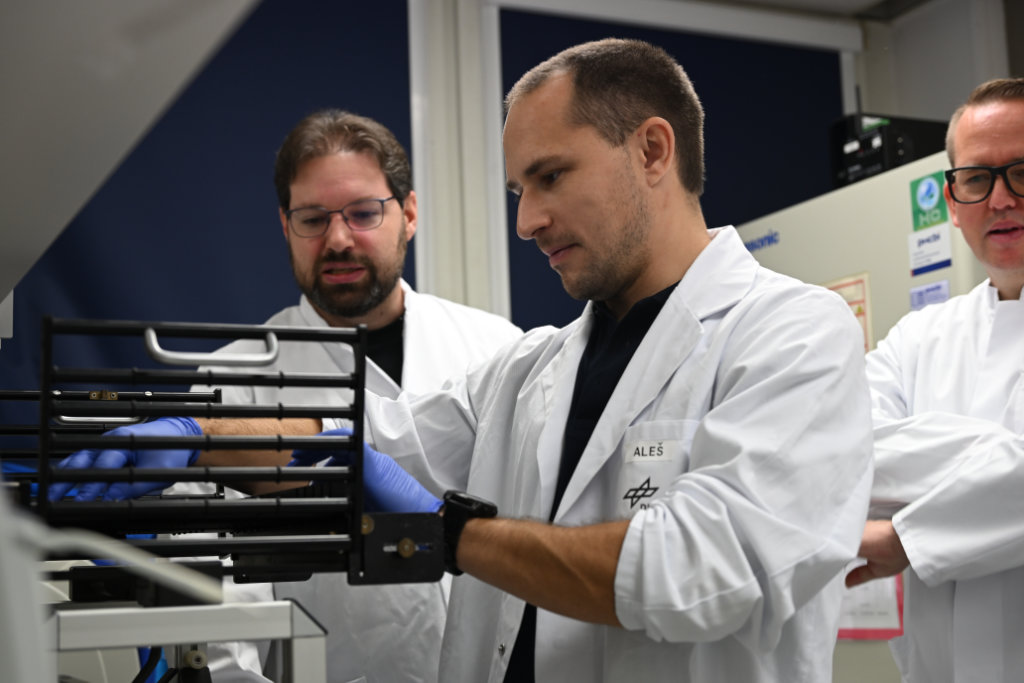
Cover photo: As a military pilot and ESA Astronaut Reserve member, Aleš Svoboda was one of the guests and highlights of the Aviatická pouť 2025 airshow in Pardubice. Photo: ©Jacek Domański, Afterburner – The Aviation Magazine.
European Space Agency press materials were used.