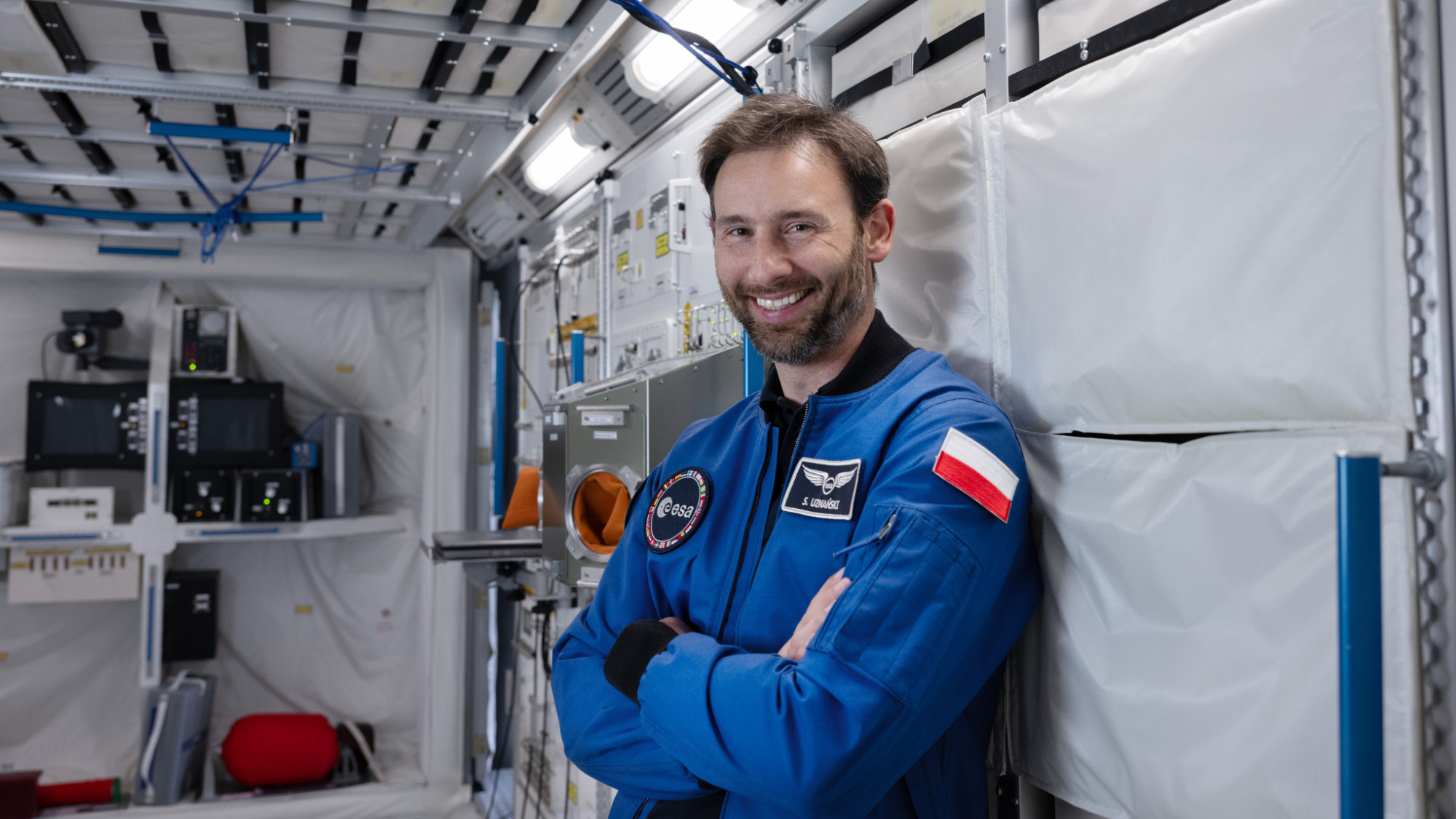
 The successful Ignis mission to the International Space Station in June and July 2025 marked a historic milestone for Poland. Sławosz Uznański-Wiśniewski became the second Pole in history to fly into space, after Mirosław Hermaszewski, and the first Polish astronaut to visit the International Space Station.
Sławosz Uznański-Wiśniewski was born in Łódź on 12 April 1984 and built his career long before joining the astronaut corps. He graduated with honours from Łódź University of Technology in 2008, subsequently obtaining additional engineering qualifications in France. In 2011, he earned a doctorate with honours from Aix-Marseille University, specialising in radiation-tolerant electronic systems for space applications.
His professional career became closely associated with CERN, the European Organisation for Nuclear Research in Geneva. Initially working as a reliability expert and later becoming a senior reliability engineer, he was involved in the development of radiation-resistant systems for the Large Hadron Collider (LHC). Between 2018 and 2020, he served as Engineer in Charge of the LHC, overseeing the operation of the world’s largest particle accelerator. His expertise in radiation effects on electronic systems established him as one of Europe’s leading specialists in a field directly relevant to future space exploration.
Apart from his engineering work, Uznański-Wiśniewski has been active as a lecturer and reviewer of space technologies, as well as an author of scientific publications. He contributed to the evaluation of several European satellite projects and regularly delivered lectures on space systems andthe effects of radiation on electronics. His scientific achievements and extensive international experience made him a strong candidate when the European Space Agency launched its astronaut recruitment campaign in 2021.
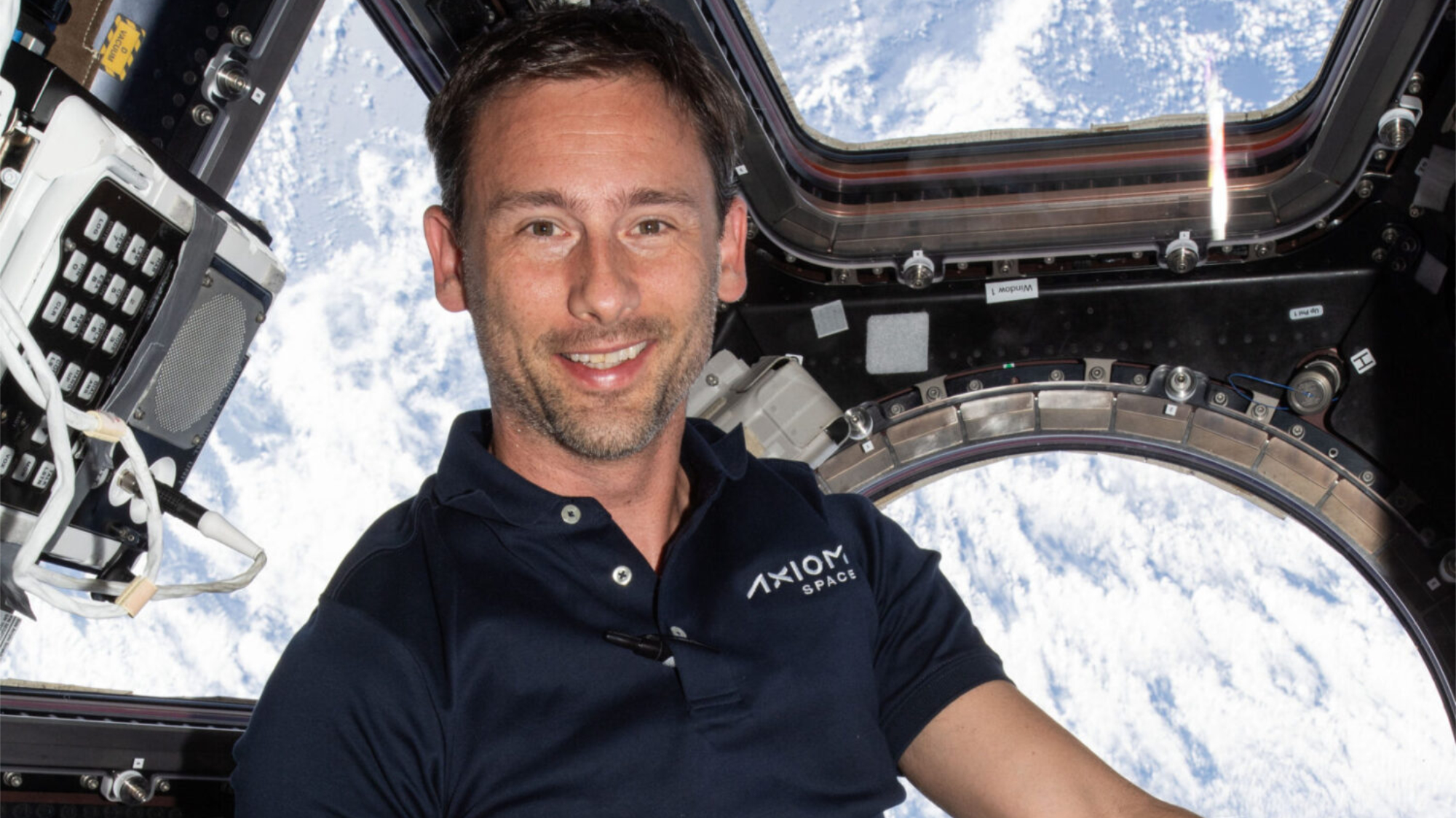
Following a demanding selection process involving over 22,500 applicants from ESA member states, Uznański-Wiśniewski was selected as a member of the ESA Astronaut Reserve in November 2022. Less than a year later, he became an ESA Project Astronaut and started training for a future spaceflight.
His opportunity came with Axiom Mission 4 (Ax-4), launched aboard a SpaceX Falcon 9 rocket on 25 June 2025. Serving as a mission specialist, Uznański-Wiśniewski joined commander Peggy Whitson, pilot Shubhanshu Shukla, and fellow mission specialist Tibor Kapu on a flight to the ISS. During the mission, he took part in over twenty scientific experiments, thirteen of which were developed by Polish institutions and focused on medicine, biology, materials science, neuroscience and radiation research.
The mission also highlighted his role as a science communicator. During his stay aboard the ISS, Uznański-Wiśniewski took part in numerous educational activities, including live connections with students, scientific demonstrations and public outreach events. Drawing on his experience as a radiation physicist, he discussed how research conducted in orbit could contribute to the safety of future missions beyond Earth orbit.
The Ignis mission was a personal achievement and an important step forward for the Polish space sector. By successfully completing all the planned objectives and exceeding the mission schedule, Sławosz Uznański-Wiśniewski became an ambassador for Polish science, engineering and innovation. His journey, from being a young engineer from Łódź, through CERN to becoming an ESA astronaut and ultimately travelling to the International Space Station, illustrates both the growing role of Poland in space exploration and the opportunities available to a new generation of European scientists and engineers.
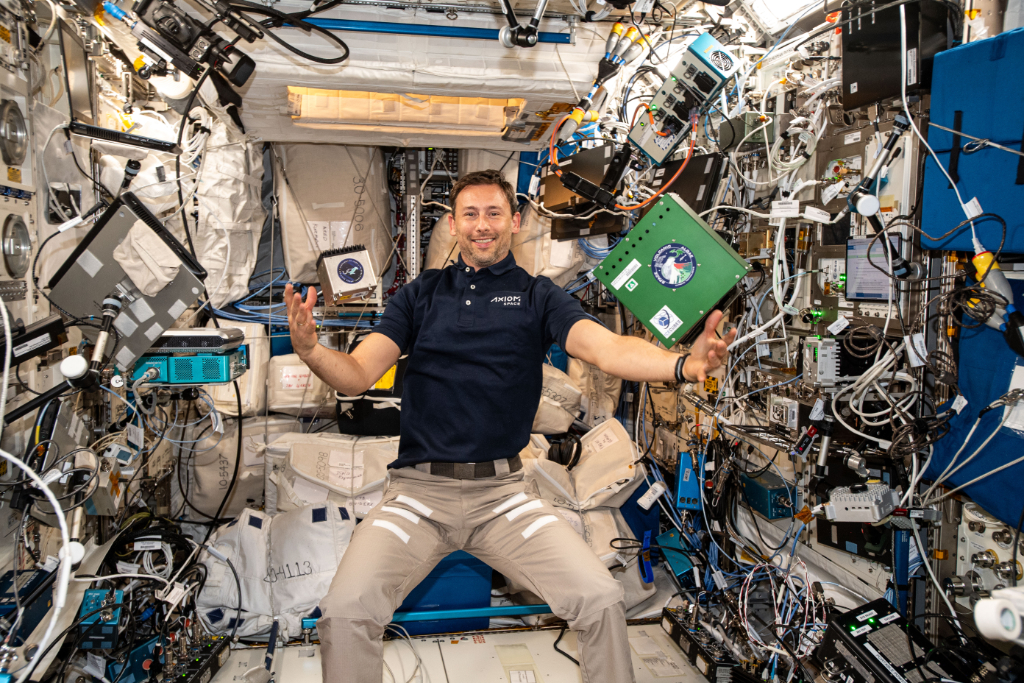
Cover photo: ESA Project Astronaut – Sławosz Uznański-Wiśniewski, European Space Agency – ESA
ESA, Axiom Space and POLSA press materials were used. Photos 1 and 2 ©NASA/Axiom Space.