 “Our country should manufacture its own weapons as much as possible. We have good shipyards and armouries, but no domestic production of warplanes”, it was these words, spoken by Per Albin Hansson in 1936, that led to the creation of Saab in the following year.
In the early 1930s, the Swedish Air Force operated a mixed and largely outdated fleet of foreign aircraft. With the rapid development of aviation before the Second World War, this force proved inadequate. The government therefore launched a modernisation programme, but foreign procurement before the war delivered fewer aircraft than expected. As a result, Sweden decided to develop its own combat aircraft industry.
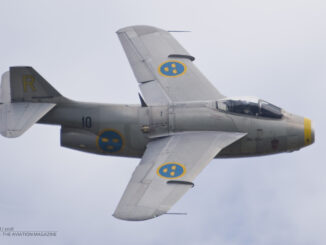
Saab was formed through cooperation between several companies, including ASJA, Bofors and interests linked to Electrolux. The company´s first aircraft, the Saab 17, entered service in 1942 as a bomber and reconnaissance aeroplane. It was followed by the twin-engine Saab 18 (first flew in 1942) and the distinctive twin-boom Saab 21, introduced in 1945. A jet-powered version, the Saab 21R, entered service in 1950 and was one of the few successful piston-to-jet conversions.

Also in the 1950s, the company changed the spelling its abbreviation, from “SAAB” into “Saab”, that is still being used today.
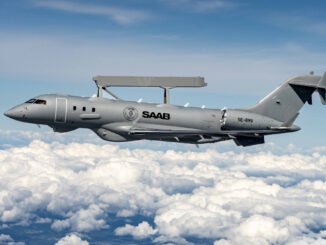
In the jet age, Saab developed notable fighters such as the Saab 35 Draken, the Saab 37 Viggen and the Saab JAS 39 Gripen. These aircraft reflected Sweden’s focus on independence and innovative design. The company also produced trainers, early warning aircraft and civil airliners such as the Saab 340 and the Saab 2000.
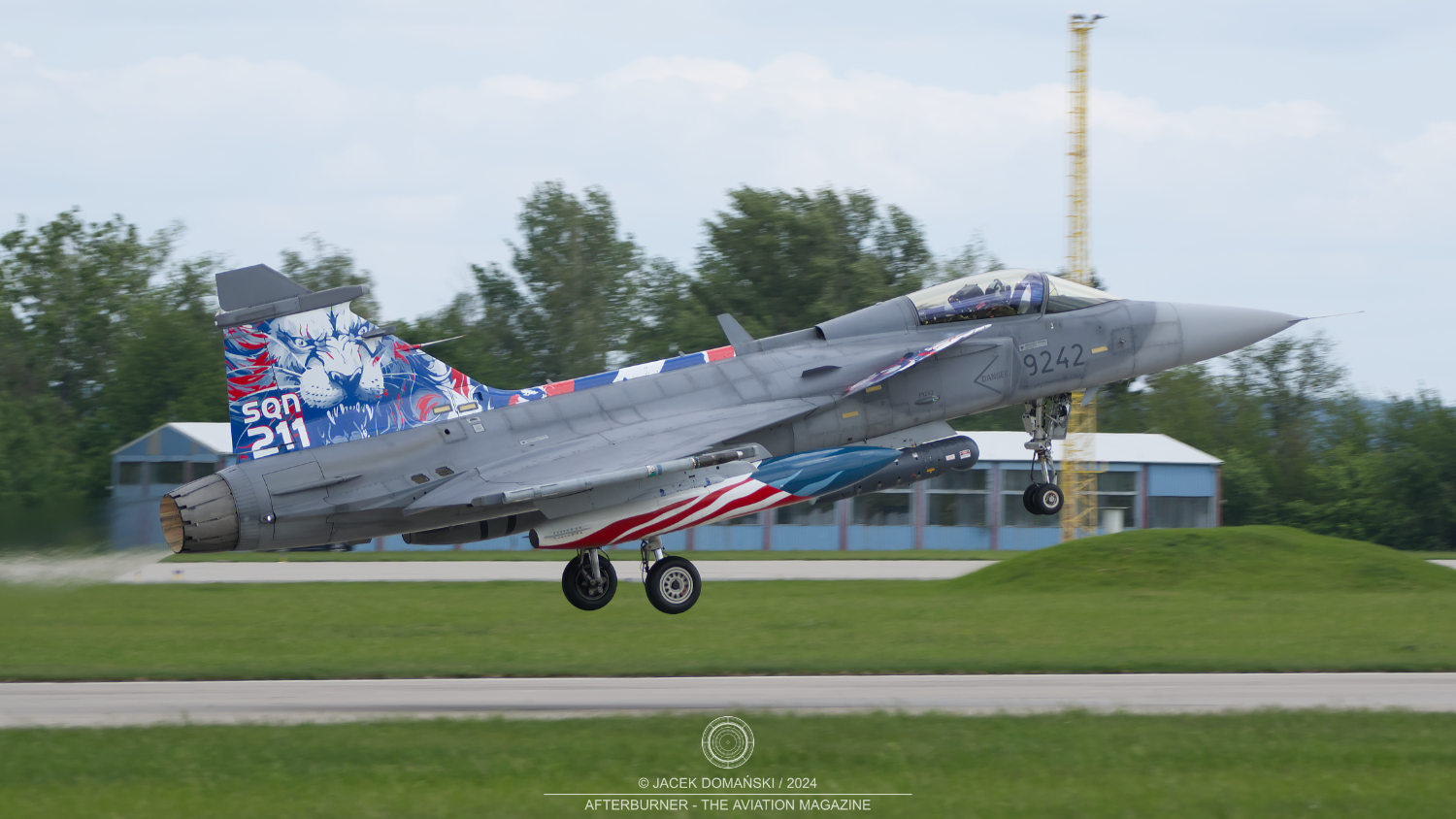
Today, Saab is a leading global defence manufacturer. Its flagship product, the Gripen fighter jet, is operated by several air forces worldwide, including those of Sweden, Hungary, the Czech Republic, South Africa, Brazil and Thailand.
Full story here.